
Sauces & Condiments
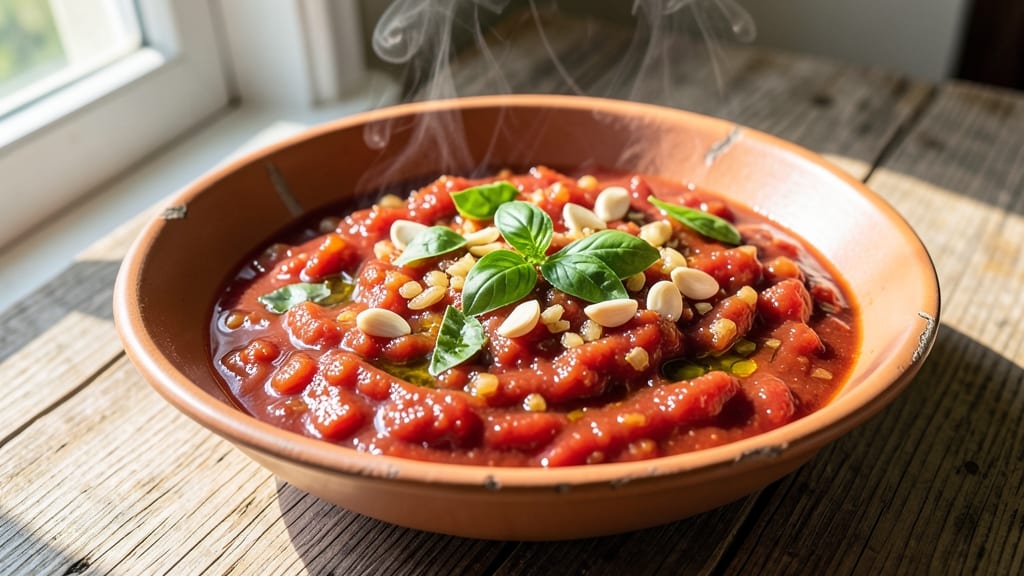
This all-natural spaghetti sauce transforms simple ingredients into a rich, aromatic masterpiece that rivals anything from a jar—but with none of the additives. The secret lies in slow simmering tomatoes with fresh garlic, basil, and a touch of olive oil until the flavors meld into something deeply satisfying. I've perfected this recipe over years of testing, and it's the one sauce that makes every pasta dish feel like a restaurant-quality meal.
The beauty of this sauce is its flexibility—build it with just tomatoes, herbs, and pantry staples for a vegetarian version, or add ground meat for extra depth.
What sets it apart is the balance of acidity from tomatoes and sweetness from caramelized onions, all tied together with fresh herbs that brighten every bite. The sauce thickens naturally as it simmers, creating a perfect consistency that clings beautifully to noodles without being overly heavy.
By the time you're done, you'll have a sauce that's vibrant, complex, and packed with natural flavor—no artificial preservatives or thickeners in sight. The aroma alone will have your kitchen smelling like an Italian trattoria, while the taste delivers layers of tomato sweetness, garlicky warmth, and fresh herb brightness.
This is the kind of sauce that transforms ordinary meals into something special.
Use it immediately over pasta or store it in the fridge for up to a week, where the flavors only deepen. The best part? You'll never want to go back to store-bought again. Let's get simmering!
Ingredients for all natural spaghetti sauce
Pantry staples meet fresh flavors for a sauce that tastes homemade but requires zero tricks.
| Ingredient | Amount | Notes |
|---|---|---|
| San Marzano Tomato Crushed (or whole) 🍅 | 28 oz | Canned, no salt added |
| Yellow Onion 🧅 | 1 whole | Medium, finely chopped |
| Garlic Cloves 🧄 | 4 cloves | Fresh, minced |
| Fresh Basil Leaves 🌿 | ½ cup | Packed, chopped |
| Extra-Virgin Olive Oil 🫒 | ½ cup | High quality, fruity |
| Tomato Paste 🍅 | 2 tbsp | Squeeze tube preferred |
| Red Wine 🍷 | ½ cup | Dry, like Chianti |
| Vegetable Broth 💧 | 1 cup | Low-sodium preferred |
| Dried Oregano 🌿 | 1 tsp | Italian preferred |
| Salt 🧂 | 1 tsp | Diamond Crystal preferred |
| Black Pepper 🌶️ | ½ tsp | Freshly ground |
| Sugar 🍯 | 1 tsp | Balances acidity |
San Marzano tomatoes are the secret weapon here—Trader Joe's or Whole Foods carry them canned, and they're worth every penny for that sweet, meaty texture. The onions? Yellow or red both work, but yellow caramelizes more beautifully. Fresh basil is non-negotiable for that bright finish, but if you're out, dried oregano at half the amount won't ruin it. I always grab extra basil because I love tossing a few leaves over the top at the end—it's that simple touch that makes it feel special. For the wine, any dry red will do, but I've got a soft spot for Chianti because it's what my nonna used to drink.
No red wine? Extra vegetable broth with a splash of balsamic vinegar works in a pinch. The tomato paste can be swapped for 1 extra can of crushed tomatoes if you're feeling lazy, but trust me on keeping it—the paste gives that deep, concentrated flavor. If you've got frozen basil, thaw it first and squeeze out excess water. The sugar might seem odd, but it's what balances the acidity from the tomatoes and wine, rounding out the flavors. And that olive oil? Don't skimp—it's what carries all those gorgeous flavors together. I use the good stuff from Kalamata because it's what I've got, but anything fruity and peppery will do.
This sauce only gets better with time—3-4 days in the fridge is ideal, where the flavors meld into something magical. If you're making it ahead, cool it completely before storing in airtight containers. Freezes beautifully for up to 3 months—just thaw in the fridge overnight. The best part? It reheats like a dream, so you can make a big batch and have sauce on hand for the week. I always double the recipe because once you taste this, you'll never want to go back to jarred sauce again.
Why You'll Love This Recipe
- No-Fuss Simplicity: I swear by this sauce because it’s the kind of recipe that doesn’t demand perfection—just a knife, a pot, and 15 minutes of my time. Crush those San Marzanos by hand (or grab a can if you’re in a rush), toss in the onions and garlic, and let the olive oil do the heavy lifting while you sip your coffee.
- Sunshine in a Jar: That first bite of bright, sweet San Marzano tomatoes with fresh basil? It’s like summer in a bowl. The garlic softens just enough to caramelize without overpowering, and the basil—fresh basil—adds that peppery punch that store-bought sauce can’t touch. Honestly, I’ll take this over jarred any day.
- Weeknight to Potluck: This sauce works just as hard on a Tuesday as it does at a holiday table. Double the batch, freeze half, and you’ve got a ready-to-go meal for when you’re too tired to cook. Or bring it to a gathering—no one will believe it’s just tomatoes, onions, and a handful of herbs.
- Budget That Works: San Marzano tomatoes might sound fancy, but they’re actually my wallet’s best friend. A few cans last forever, and the rest of the ingredients? Basic pantry staples. I make this sauce so often that I’ve stopped tracking how much I save—it’s just there, always reliable, never breaking the bank.
Step-by-step instructions for all natural spaghetti sauce
This sauce builds flavor layer by layer—simple ingredients, but each step matters for that perfect balance of sweet, tangy, and herby goodness.
Sauté Onions and Garlic Until Translucent
Heat the 0.5 cup extra-virgin olive oil in a large pot over medium heat. Add the 1 whole yellow onion, chopped into small pieces, and cook for 8-10 minutes until the onions soften and turn golden. You'll see them release moisture and shrink down—this is when they're ready for the next step.
Push the onions to one side of the pot and add the 4 cloves garlic cloves, minced. Stir for 30 seconds until fragrant but not browned—garlic burns fast, and you want that sweet, mellow flavor, not bitterness. Here's the thing—don't walk away. Garlic can go from perfect to burnt in seconds.
Build the Sauce Base with Tomato Paste and Wine
Reduce the heat to medium-low and stir in the 2 tbsp tomato paste, spreading it evenly over the onions and garlic. Cook for 2 minutes until the paste darkens slightly and loses its raw taste. This step creates depth—it's the flavor anchor for everything that follows.
Pour in the 0.5 cup red wine and scrape up any browned bits from the bottom of the pot with a wooden spoon. These bits are pure flavor—don't miss them. Let the wine simmer for 3-4 minutes until it reduces by half. You'll notice the alcohol smell dissipates, leaving behind just the wine's rich, fruity notes.
Add Tomatoes, Broth, and Seasonings
Pour in the 28 oz San Marzano tomato crushed (or whole) and the 1 cup vegetable broth. Stir well to combine, then add the 1 tsp dried oregano, 1 tsp salt, 0.5 tsp black pepper, and 1 tsp sugar. The sugar might seem odd, but it balances the acidity of the tomatoes—trust me, it makes a difference.
Bring the sauce to a gentle simmer (small bubbles at the edges) and let it cook uncovered for 30 minutes. Stir occasionally to prevent sticking. You'll see the sauce thicken slightly as the liquid reduces. This is where the magic happens—the flavors meld and deepen.
Finish with Fresh Basil and Simmer to Perfection
After 30 minutes, stir in the 0.5 cup fresh basil leaves, chopped. The basil adds that bright, fresh finish that makes this sauce truly special. Taste the sauce now—it should be balanced with sweet, tangy, and herby notes. If it needs more salt, add it now, but don't overdo it.
Continue simmering for another 15-20 minutes until the sauce reaches your desired consistency. It should coat the back of a spoon but still be loose enough to cling to pasta. The sauce will thicken more as it cools, so don't worry if it looks a little thin at the end.
Rest and Serve
Remove the pot from heat and let the sauce rest for 10 minutes. This resting period allows the flavors to fully develop and the sauce to thicken slightly. Skim off any excess oil that rises to the top if you prefer a lighter sauce.
Your all-natural spaghetti sauce is now ready to serve. The aroma alone will make your kitchen smell like a cozy Italian trattoria. Serve it over freshly cooked spaghetti, garnished with extra basil if you like. The sauce should be vibrant, flavorful, and perfectly balanced—exactly what you'd expect from a sauce made with simple, natural ingredients.
Pro Tips For Making All Natural Spaghetti Sauce
- Sweat the Onion First: Ditch the sizzle—cook onions over medium-low heat until they’re translucent and just starting to soften (about 8-10 minutes). I used to rush this, and the sauce would taste raw and sharp. Patience here means deeper flavor without burning.
- Crush Tomatoes by Hand: Skip the blender if you can—mashing San Marzano tomatoes with your fingers (or a potato masher) keeps the skins intact, which adds texture and body to the sauce. Yes, it’s messy, but it’s the thing that matters most for that rustic, restaurant-quality feel.
- Add Garlic Late: Toss in minced garlic only in the last 5 minutes of cooking, or it’ll turn bitter. I learned this the hard way after a sauce tasted like a chemistry experiment. Fresh basil goes in even later—right when you serve it—so its bright notes don’t get cooked out.
- Simmer Long and Low: Let the sauce bubble gently for at least 45 minutes, uncovered. This isn’t the prettiest method, but it’s the tastiest—it deepens the tomato flavor and lets the olive oil infuse properly. (Your future self will thank you.)
Dietary considerations for all natural spaghetti sauce
Vegetarian-Friendly Base
This sauce is naturally vegetarian, but the depth comes from slow-cooked tomatoes, caramelized onions, and red wine reduction. The San Marzano tomatoes provide natural sweetness, while the tomato paste adds umami richness without meat.
I often make a big batch and freeze half—it's perfect for quick weeknight meals when I want something hearty but plant-based. 🌱
Gluten-Free Adaptation
All ingredients here are gluten-free by default, but check your vegetable broth label—some brands use wheat-based thickeners. I prefer Pacific Foods or Imagine gluten-free broths. The sauce also works beautifully with gluten-free pasta like Barilla GF or Jovial.
The texture stays just as vibrant, with no gummy aftertaste. Always double-check labels, though—hidden gluten sneaks in everywhere!
Dairy-Free & Allergen Notes
This recipe contains no dairy, eggs, or common allergens, making it safe for most dietary restrictions. The extra-virgin olive oil replaces butter, and all other ingredients are naturally allergen-free. For nut allergies, ensure your basil and oregano are processed in nut-free facilities—some dried herb blends get cross-contaminated.
The sauce also pairs perfectly with dairy-free cheeses like Miyoko's cashew parmesan if you want to garnish.
Low-Sodium Version
To reduce sodium, skip the added 1 tsp salt and rely on the natural saltiness of the tomatoes and broth. Use low-sodium vegetable broth (like Low Sodium Kitchen brand) and no-salt-added tomato paste.
If you need extra flavor, add ½ tsp garlic powder or ½ tsp smoked paprika—they add depth without salt. Taste as you go; the sauce's natural acidity balances beautifully without extra sodium. ⚡
Sugar-Free Option
Omit the 1 tsp sugar if you're avoiding added sweeteners, but be prepared for a slightly more acidic sauce.
The San Marzano tomatoes are naturally sweet enough to compensate, but if it tastes too sharp, add a pinch of apple cider vinegar (just ¼ tsp) to brighten the flavor instead. The sauce will still be delicious—just more tangy and complex.
I find this version works especially well with spicy dishes!
Kid-Friendly Mild Version
For picky eaters, reduce the garlic to 2 cloves and skip the red wine (use extra broth). Add ½ tsp honey instead of sugar to sweeten, and blend the sauce briefly for a smoother texture. I often serve it with mild ground turkey or chicken to make it more appealing.
The key is keeping the sauce bright and slightly sweet—kids love the familiar tomato flavor without the bold herbs or wine notes. 💛
Nutrition facts
Frequently asked questions
Can I make this sauce without red wine?
Replace the 0.5 cup red wine with 0.5 cup extra vegetable broth plus 1 tablespoon balsamic vinegar. The vinegar adds depth while keeping the sauce rich and flavorful. The acidity will balance the tomatoes beautifully, so no one will miss the wine.
How do I adjust the thickness of the sauce?
If your sauce is too thin, simmer it uncovered for an extra 10-15 minutes to reduce the liquid. For a thicker texture, mash some of the cooked tomatoes against the pot sides with a wooden spoon to release their juices. If it's too thick, stir in 1-2 tablespoons warm water or broth until smooth. The sauce will naturally thicken as it cools, so don't worry about perfecting it right away.
What's the best way to store leftover sauce?
Let the sauce cool completely, then transfer it to airtight containers. It keeps in the fridge for 5-7 days and freezes beautifully for up to 3 months. For freezing, portion into freezer-safe containers or silicone molds—this makes it easy to thaw just what you need. The flavors actually improve over time, so leftovers often taste even better reheated!
Can I add meat to this recipe?
Yes! Brown 1 pound ground beef, Italian sausage, or pancetta in the olive oil before adding onions. Drain excess fat, then proceed with the recipe. For extra flavor, add 1 teaspoon Italian seasoning to the meat. The meat will infuse the sauce with rich, savory notes while keeping all the natural tomato brightness intact.
Why does my sauce taste too acidic?
The sugar in the recipe balances acidity, but if it still tastes sharp, add ½ teaspoon honey or a pinch of sugar while simmering. For a tangier profile (like marinara), reduce the sugar to ½ teaspoon from the start. If using very acidic tomatoes, simmer longer to let the flavors mellow. The red wine also adds complexity—if omitted, the acidity will be more pronounced.