
Sauces & Condiments
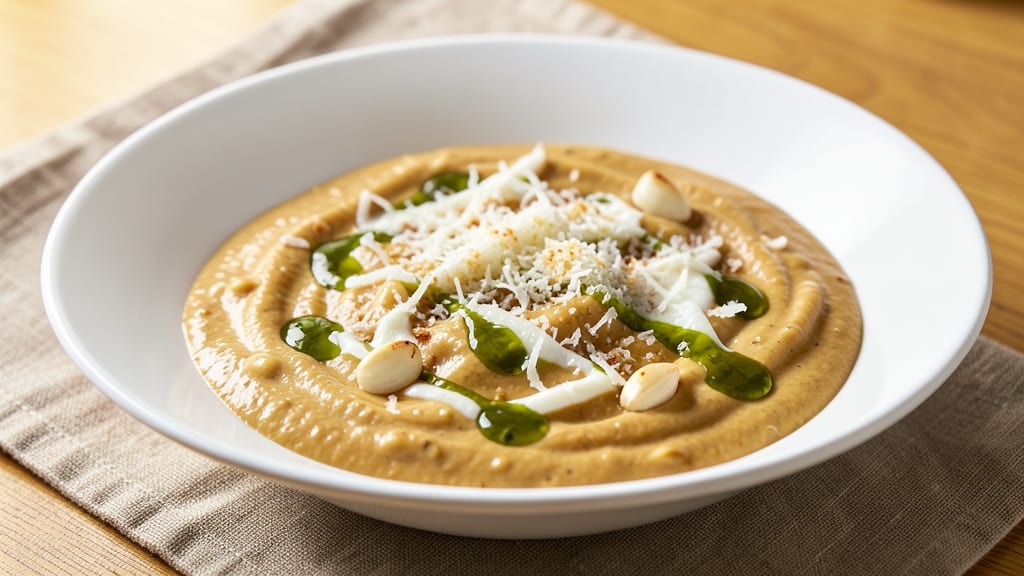
This Alfredo sauce recipe with parmesan and mozzarella cheese delivers the ultra-creamy, velvety texture that makes every forkful irresistible. The secret lies in proper cheese melting and emulsification—no lumps, just silky perfection that clings to pasta like a dream.
I’ve perfected this technique after years of testing, ensuring the sauce stays rich without breaking or turning greasy.
What sets this sauce apart is the balanced blend of parmesan and mozzarella, which creates depth and creaminess without overpowering. The key steps—low-and-slow melting, constant stirring, and a touch of pasta water—transform basic ingredients into a restaurant-quality sauce.
It’s foolproof, requiring just 15 minutes of active time but delivering results that taste like hours of work.
The finished sauce is luxuriously smooth, with a velvety mouthfeel and a perfect balance of salty, nutty, and creamy flavors. It clings beautifully to fettuccine, penne, or even roasted vegetables, making it versatile enough for any meal.
The best part? It reheats flawlessly, so you can make a batch ahead and enjoy it all week.
For extra richness, add a splash of heavy cream, or keep it classic with just butter and cheese. Store leftovers in the fridge for up to 5 days or freeze for months—this sauce is worth making in bulk. Let’s create the perfect Alfredo sauce for your next pasta night.
Ingredients for alfredo sauce recipe with parmesan and mozzarella cheese
Nine essential ingredients transform into velvety perfection—creamy, rich, and restaurant-worthy.
| Ingredient | Amount | Notes |
|---|---|---|
| Unsalted Butter 🧈 | ¾ cup | Cold, cubed for slow melting |
| Fresh Garlic Cloves 🧄 | 4 cloves | Minced for aromatic depth |
| Heavy Cream 🥛 | 1 ½ cups | Full-fat for maximum creaminess |
| Parmesan Cheese 🧀 | 1 ½ cups | Freshly grated from block |
| Mozzarella Cheese 🧀 | 1 cup | Low-moisture, shredded finely |
| Extra-Virgin Olive Oil 🫒 | 2 tbsp | For finishing and richness |
| Pasta Water 🍝 | ½ cup | Reserved from cooking pasta |
| Diamond Crystal Kosher Salt 🧂 | 1 tsp | Adjust to taste |
| Freshly Ground Black Pepper 🌶️ | ½ tsp | For subtle heat balance |
| Nutritional Yeast 🍄 | 1 tbsp | Optional for umami boost |
The cheese is non-negotiable here. Parmigiano-Reggiano for the Parmesan—none of that pre-grated stuff—grate it yourself for that perfect powdery texture. For mozzarella, low-moisture shreds are key; they melt smoothly without turning the sauce greasy. Whole Foods or Trader Joe's carry excellent options, or grab a block of fresh mozzarella and shred it yourself. The butter? European-style unsalted melts cleaner than American brands. If you're feeling fancy, Plugrá butter is a game-changer. For garlic, fresh is mandatory—jarred minced won't cut it here. The heavy cream should be full-fat; Hormel or Organic Valley are my go-tos, but any good brand works.
No heavy cream? Half-and-half or full-fat coconut milk works in a pinch, though the texture will be slightly lighter. Short on Parmesan? Pecorino Romano adds a sharper bite, but reduce to 1 cup to maintain balance. Mozzarella too expensive? Fontina cheese melts beautifully and adds a nutty depth. The olive oil is for finishing—California olive oil has a buttery finish that complements the sauce perfectly. Nutritional yeast is optional but adds that cheesy umami that takes it to the next level. If you skip it, just increase the Parmesan by 1 tbsp. The pasta water is crucial—it's what emulsifies the sauce and keeps it silky. Always reserve 1 cup when cooking your pasta.
This sauce is a make-ahead dream. Store in an airtight container in the fridge for up to 5 days, or freeze for 3 months—it reheats like a charm. For freezing, portion into ice cube trays first, then transfer to a bag; thaw overnight in the fridge. The sauce thickens as it cools, so always thin with a splash of warm water or pasta water when reheating. Leftovers? Toss with extra Parmesan and a crack of black pepper before serving. This sauce is worth making in bulk—double the recipe and thank me later when you're serving it all week.
Why You'll Love This Recipe
- Here’s the secret: this sauce reheats like a dream. Store it in the fridge, and the next day, just warm it gently with a splash of milk or a pat of butter—no graininess, no separation. I make a double batch on Sundays because it’s my go-to for lazy lunches or a last-minute pasta fix when I’m not feeling creative.
- Five-Ingredient Magic: I swear by this combo—just butter, garlic, cream, and those two cheeses. No fancy reductions or long simmering; the real flavor comes from letting the garlic bloom in the butter and the cheeses melt together just enough to coat everything in that perfect, stretchy, umami-rich layer.
- Garlic Butter Bliss: That moment when the garlic hits the butter? Pure gold. I don’t even bother mincing it finely—just smash a few cloves, let them sizzle until fragrant, and suddenly your sauce has depth without the work. The heavy cream ties it all together, rich and velvety, while the parmesan adds that sharp bite that cuts through the richness.
- Weeknight to Dinner Party: This sauce works for everything—toss it with fettuccine for a quick weeknight dinner, drizzle it over grilled chicken for a fancy-ish weeknight meal, or even slather it on garlic bread when company’s coming. Honestly, I’ve used it as a dip for veggies when I’m lazy, and no one’s ever complained.
Step-by-step instructions for ultra-creamy Alfredo sauce
This method delivers velvety perfection every time—no lumps, no separation, just restaurant-quality richness.
Melt Butter and Bloom the Garlic
In a heavy-bottomed saucepan, melt the 0.75 cup unsalted butter over medium-low heat until it's fully liquid but not browned. This gentle approach prevents burning while ensuring even melting. Add the 4 cloves minced garlic cloves and cook for 1-2 minutes until fragrant—you'll smell that sweet, nutty aroma that forms the sauce's aromatic base.
Here's the thing—don't let the garlic brown. You want it to perfume the butter without developing bitter flavors. If it starts to darken, immediately reduce the heat to the lowest setting. The butter should bubble gently but never boil vigorously. This step is your flavor foundation, so take your time and let those garlic oils infuse properly.
Incorporate Cheeses Gradually
Reduce the heat to low and begin adding the cheeses in stages. First, sprinkle in ½ cup of the parmesan cheese, stirring constantly with a silicone spatula until fully melted and smooth. Then add ½ cup of the mozzarella cheese, again stirring until completely incorporated. The key here is patience—rushing causes clumping.
I like to press the cheeses against the side of the pan with the spatula while stirring. This ensures every particle melts into the butter before we add the cream. If you notice any dry spots, add a few drops of pasta water to help emulsify. The sauce should begin to thicken slightly as the cheeses melt, creating a luxurious base for the cream.
Build the Creamy Base
Pour in the 1.5 cups heavy cream all at once and bring the mixture to a gentle simmer over medium heat. Let it cook for 3-4 minutes, stirring frequently, until it thickens noticeably but doesn't boil. You're looking for a sauce that coats the back of a spoon but isn't gluey—this is where the magic happens.
Here's where it gets fun—taste and adjust seasoning. Add the 1 tsp diamond crystal kosher salt and 0.5 tsp freshly ground black pepper, stirring well. For that umami depth, sprinkle in the 1 tbsp nutritional yeast and stir again. The sauce should be rich but not overpowering—balanced with a touch of savory complexity. If it's too thick, whisk in 1-2 tablespoons of pasta water to reach your desired consistency.
Finish with Olive Oil for Richness
Remove the sauce from heat and stir in the 2 tbsp extra-virgin olive oil. This isn't just for flavor—it adds a silky texture and prevents the sauce from separating when tossed with pasta. The olive oil also carries the cheese's fat content more evenly throughout the sauce, creating that signature velvety mouthfeel.
Let the sauce rest for 2-3 minutes off the heat. This resting period allows the flavors to meld completely and the sauce to reach its ideal consistency. Taste one final time and adjust seasoning if needed. The sauce should be luxuriously thick but still flow smoothly when poured. If you're serving immediately, you're ready to toss with your cooked pasta—if not, keep it warm in a double boiler or transfer to a heatproof container.
Pro Tips For Making Alfredo Sauce Recipe With Parmesan And Mozzarella Cheese
- Melt Butter Slowly: I used to rush this and end up with a greasy, split sauce. Melt the unsalted butter over medium-low heat—no splattering, no browning—until it’s just foam. That golden foam is your flavor base, and pushing it to brown will kill the delicate cream later.
- Grated Cheese Only: Pre-shredded mozzarella and parmesan have anti-caking agents that make the sauce grainy. Grate your own—mozzarella on a box grater, parmesan on a fine microplane. Freshly grated blends better and melts smoother, even if it takes 10 extra seconds.
- Temper the Cream: Heavy cream curdles when it hits hot butter. Warm the cream separately over low heat until it’s just steaming (about 100°F), then whisk it into the butter. This keeps the sauce silky instead of breaking into lumps—trust me, you’ll notice the difference.
- Finish with Cold Cheese: Add half the grated cheeses while the sauce simmers, then stir in the rest off the heat. The residual cold cheese cools the sauce just enough to prevent overcooking, which turns it gloppy. Stir until the last bit melts—no rushing, or you’ll end up with cheese clumps.
Storing and reheating this alfredo sauce recipe with parmesan and mozzarella cheese
Fridge Storage Secrets
Store your Alfredo sauce in an airtight glass container (I love Pyrex) in the fridge for up to 5 days. The sauce thickens as it cools, so always stir in 1-2 tablespoons of warm water or pasta water when reheating.
This maintains that velvety texture you worked so hard to achieve. 🧈
Freezer Prep Tips
For long-term storage, freeze sauce in ice cube trays first—this makes thawing and portioning a breeze. Once frozen, transfer cubes to a ziplock freezer bag (squeeze out excess air) and store for up to 3 months.
Thaw overnight in the fridge for the best texture. Pro tip: Label bags with the date to track freshness.
Reheating Like a Pro
For stovetop reheating, transfer sauce to a saucepan and warm over medium-low heat with 2 tablespoons of pasta water. Stir constantly to prevent scorching—this method preserves that creamy consistency.
If using the microwave, heat in 30-second intervals, stirring between each, until just warm. Never boil, or you'll risk breaking the emulsion.
Reviving Thickened Sauce
If your sauce separates or thickens too much after storage, simply whisk in 1 tablespoon of warm water or pasta water at a time until smooth. The starch in pasta water acts as a natural emulsifier, restoring that luxurious mouthfeel.
For extra richness, add a pat of softened butter while reheating—it blends right in and prevents separation. 💫
Portion Control Hacks
Make individual 1-cup portions in small containers for easy grab-and-go meals. These reheat perfectly in 1 minute on the stovetop or 45 seconds in the microwave. I keep these in my freezer for quick weeknight dinners—just toss with cooked pasta and fresh parsley.
The sauce maintains its creamy texture even after reheating, making it ideal for meal prep.
Sauce Consistency Guide
Your Alfredo sauce should be thick but pourable—like heavy cream. If it's too thick after reheating, thin with 1 tablespoon of warm milk or pasta water. For extra insurance, whisk in ½ teaspoon of cornstarch mixed with 1 teaspoon of water for an instant fix.
The goal is that perfect coating consistency that clings to every strand of pasta without being gluey. 🍝
Nutrition facts
Frequently asked questions
Why does my Alfredo sauce turn grainy or lumpy?
Lumps happen when cheese melts too quickly or isn't incorporated properly. Always melt cheeses gradually over low heat, stirring constantly with a silicone spatula. The key is patience—press the cheese against the pan's sides while stirring to ensure even melting. If lumps appear, whisk in 1 tablespoon of warm pasta water to smooth them out.
Can I make this sauce without heavy cream?
For a lighter version, substitute heavy cream with half-and-half or full-fat coconut milk. For extra richness, use 1 cup whole milk + ½ cup butter instead. The texture will be slightly thinner but still delicious. Just adjust the cheese ratio slightly—reduce mozzarella by ¼ cup to prevent greasiness.
What's the best pasta to pair with this sauce?
This ultra-creamy sauce clings perfectly to wide, flat noodles like fettuccine or tagliatelle, but it also works beautifully with penne or gemelli. For extra indulgence, try tossing with cavatappi or bowtie pasta. The wider surface area helps the sauce coat every bite.
How do I fix a sauce that's too thin or watery?
Simmer the sauce uncovered over medium heat for 2-3 minutes to reduce the liquid. For instant thickening, mix 1 teaspoon cornstarch with 1 tablespoon cold water, then whisk into the sauce until it reaches your desired consistency. If the sauce separates, whisk vigorously or use an immersion blender for 10 seconds to restore smoothness.
Can I add other cheeses to this recipe?
Yes! For a sharper flavor, add ¼ cup grated Pecorino Romano or Gruyère. For extra creaminess, substitute ½ cup of the mozzarella with fontina cheese. Avoid cheeses with high moisture (like fresh mozzarella) as they can make the sauce greasy. Always melt cheeses gradually to maintain that velvety texture.