
Sauces & Condiments
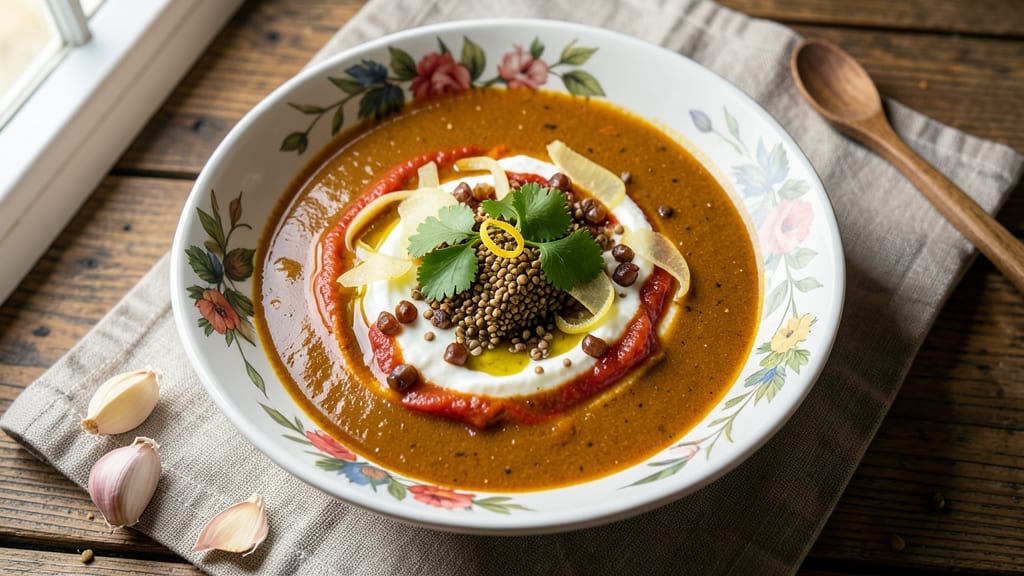
This curry sauce recipe without coconut milk delivers bold spice and tomato depth that transforms any dish into a restaurant-worthy meal. The secret lies in a balanced blend of aromatic spices—turmeric, cumin, coriander—and a rich tomato base that builds layers of flavor without relying on coconut.
I developed this sauce after years of testing, ensuring it works equally well for curries, stir-fries, or marinades, with a versatility that makes it a kitchen essential.
The foundation of this sauce is simple yet powerful: onions, garlic, and ginger sautéed until fragrant, then simmered with tomatoes, spices, and a touch of broth to deepen the flavor.
Unlike many coconut-free curry sauces, this one maintains creamy texture without dairy, thanks to a light yogurt finish that adds tanginess and smoothness. The result is a sauce that's intensely flavorful yet adaptable—perfect for those who want authentic curry taste without coconut.
What sets this recipe apart is its quick preparation—ready in under 30 minutes—and its ability to elevate simple ingredients. Whether you're tossing it with chicken, vegetables, or rice, the sauce clings beautifully, infusing every bite with warm, aromatic depth.
The spices are toasted just enough to release their essential oils, creating a complex flavor profile that's both comforting and exciting.
Store leftovers in an airtight container in the refrigerator for up to 5 days, or freeze for extended use. The sauce only improves with time, as the flavors meld and intensify.
This is the kind of recipe that becomes a staple—foolproof, versatile, and packed with flavor—without any of the heaviness of coconut milk. Let's get cooking!
Ingredients for curry sauce recipe without coconut milk
Aromatic spices, fragrant aromatics, and a balanced tomato base create this restaurant-quality curry sauce.
| Ingredient | Amount | Notes |
|---|---|---|
| Yellow Onions 🧅 | 1 whole | Finely diced, about 1.5 cups |
| Garlic Cloves 🧄 | 6 cloves | Peeled and minced |
| Fresh Ginger 🌿 | 2 tbsp | Finely grated, about 1-inch piece |
| Canned Crushed Tomatoes 🍅 | 1 ½ cups | San Marzano preferred |
| Vegetable Broth 💧 | 1 cup | Low-sodium preferred |
| Plain Yogurt 🥛 | ¼ cup | Full-fat for creaminess |
| Ground Cumin 🌿 | 1 tbsp | Toasted for depth |
| Ground Coriander 🌿 | 1 tbsp | Freshly ground preferred |
| Turmeric Powder 🌶️ | 1 tsp | Bright yellow color |
| Garam Masala 🌶️ | 1 tsp | For aromatic finish |
| Extra-Virgin Olive Oil 🫒 | 2 tbsp | For sautéing |
| Salt 🧂 | 1 tsp | Diamond Crystal preferred |
| Black Pepper 🌶️ | ½ tsp | Freshly ground |
| Lemon Juice 🍋 | 1 tbsp | Freshly squeezed |
The foundation begins with San Marzano crushed tomatoes—their sweetness and depth are unmatched. For the onions, yellow onions provide the right balance of sharpness and sweetness, while garlic and ginger should be freshly minced or grated to release their essential oils fully. Whole spices like cumin and coriander should be toasted lightly in a dry pan before grinding to enhance their flavor profile. Penzeys Spices offers high-quality whole spices if you prefer to grind them yourself. The yogurt is critical for that signature creaminess; full-fat Greek yogurt works best, but any plain yogurt will suffice in a pinch.
No San Marzano tomatoes? High-quality canned tomatoes work—just ensure they're crushed, not chunky. Fresh ginger unavailable? Ground ginger at half the amount is a decent substitute, though it lacks the same complexity. For a deeper flavor without yogurt, cashew cream (blended soaked cashews) provides a rich, dairy-free alternative. The vegetable broth can be swapped for water plus 1 tsp bouillon powder, though the flavor will be slightly less developed. If you're short on time, pre-minced garlic and ginger from a tube work, but freshly grated always delivers superior results.
This sauce thickens as it cools, so it's best to reheat gently with a splash of broth or water if it becomes too thick. Store in an airtight container in the refrigerator for up to 5 days, though it often tastes even better the next day as flavors meld. For longer storage, freeze in ice cube trays—perfect for adding to dishes later. The sauce freezes well for up to 3 months, maintaining its vibrant color and rich flavor when thawed properly.
Why You'll Love This Recipe
- No Fuss Pantry Base: I swear by this sauce because it uses what’s already there—no specialty trips or last-minute shopping. Sauté onions and garlic until golden, toss in crushed tomatoes and broth, and let it simmer. That’s it. No coconut milk to track down, no weird substitutions.
- Ginger-Garlic Punch: The fresh ginger and garlic hit like a warm hug—sharp, bright, and just sweet enough from the tomatoes. Simmer it long enough, and those flavors meld into something rich and layered. Honestly, it’s the kind of taste that makes me want to eat straight from the pot.
- Meal Prep MVP: This sauce doubles as a marinade, a quick weeknight dinner, or a base for grain bowls. I’ve used it to toss with rice and roasted veggies, drizzled over lentils, or even slathered on grilled chicken. The broth keeps it light, so it works for lunch or dinner without feeling heavy.
- Budget-Friendly Leftovers: A single batch stretches for days—freeze half for when you’re too tired to cook, or reheat it for lazy takeout nights. The crushed tomatoes and broth stretch thin, so you’re not wasting money on single-use ingredients. Plus, it tastes just as good the third time around.
Step-by-step instructions for bold tomato-based curry sauce
Here's how to build a rich, aromatic curry sauce using just tomatoes and spices—no coconut milk required.
Sauté the Aromatic Base
Heat the 2 tablespoons extra-virgin olive oil in a medium saucepan over medium heat. Add the finely diced yellow onions and cook for 5-6 minutes until they soften and turn translucent. This foundational step develops sweetness and removes any bitterness from the onions.
Add the 6 minced garlic cloves and 2 tablespoons finely grated fresh ginger to the pan. Cook for another 2-3 minutes until the garlic becomes golden and fragrant—this prevents harsh, raw flavors in the finished sauce. The aroma should fill your kitchen, signaling the base is ready for spices.
Toast the Spices for Maximum Flavor
Reduce heat to medium-low and add the 1 tablespoon ground cumin, 1 tablespoon ground coriander, 1 teaspoon turmeric powder, and 1 teaspoon garam masala. Stir constantly for 1-2 minutes until the spices release their essential oils and become deeply aromatic. You'll see them darken slightly and smell earthy, warm, and slightly sweet.
This toasting step is critical—it prevents the spices from tasting raw and flat in the finished sauce. If the spices burn (they'll darken too quickly), remove the pan from heat immediately and let it cool for 30 seconds before proceeding.
Build the Sauce with Tomatoes and Broth
Increase heat to medium-high and add the 1.5 cups canned crushed tomatoes. Stir well to combine with the spice mixture, then reduce heat to medium-low and let the sauce simmer for 10-12 minutes until it thickens slightly. The tomatoes will break down, releasing their natural sweetness and creating a velvety texture.
After the tomatoes have reduced, pour in the 1 cup vegetable broth and stir. The sauce should bubble gently—this simmering step allows the flavors to meld together. Skim off any foam that rises to the surface, which indicates impurities. The sauce should now have a rich, reddish-brown color with a thick, syrupy consistency.
Finish with Yogurt and Acid Balance
Remove the saucepan from heat and stir in the 0.25 cup plain yogurt until fully incorporated. The yogurt will cool the sauce slightly and add a creamy, tangy element without the heaviness of coconut milk. Return the pan to low heat and let it warm through for 1-2 minutes, stirring constantly to prevent curdling.
Add the 1 teaspoon salt, 0.5 teaspoon black pepper, and 1 tablespoon fresh lemon juice. Taste and adjust seasoning—you may need a touch more salt or lemon to balance the flavors. The finished sauce should be vibrant, complex, and perfectly balanced between sweet, tangy, and spicy notes.
Rest and Serve
Let the sauce rest for 5 minutes off the heat. This resting period allows the flavors to fully develop and the sauce to thicken slightly. The texture should be luscious and coat the back of a spoon without being gluey.
Serve immediately over rice, grilled chicken, or roasted vegetables. The sauce pairs beautifully with proteins like shrimp, tofu, or chickpeas, adding depth and richness without overpowering the dish. For extra brightness, garnish with fresh cilantro or a sprinkle of toasted cumin seeds.
Pro Tips For Making Curry Sauce Recipe Without Coconut Milk
- Sweat, Don’t Burn: Onions and garlic need time—don’t rush them. Cook the onions on medium-low heat until they’re soft and translucent (about 8-10 minutes), then add garlic and ginger. If you crank the heat too high, you’ll end up with bitter, burnt flavors that ruin the whole sauce. I learned this the hard way when my first batch tasted like a charred campfire.
- Blend Tomatoes Rough: Skip the ultra-smooth puree—leave the crushed tomatoes slightly chunky. A quick pulse in the blender (just until combined, not silky) keeps texture and prevents a gluey sauce. I used to over-blend, and the result was always too thick and heavy. A few small pieces add body and balance the broth.
- Salt the Broth Early: Season the vegetable broth before adding it to the sauce. This lets the flavors meld properly instead of waiting for the sauce to finish. I was skeptical until I tried it—now I can’t imagine doing it any other way. Taste and adjust before combining, or you’ll be stuck with bland, watery curry.
- Finish with Acid: A splash of lemon juice or vinegar at the end brightens the sauce. The crushed tomatoes can taste flat without it. I keep a small bowl of lime juice nearby—just 1 teaspoon at the end makes a real difference. It cuts through the richness and wakes up the flavors.
Regional styles of this dish
Indian Masala Magic
This sauce channels the soul of North Indian curries, where tomatoes and spices take center stage. The key is balancing cumin and coriander—toast them until they smell like warm earth and cardamom.
I add a pinch of fennel seeds (½ tsp) along with the spices to mimic the complexity of garam masala blends from Jaipur. For extra depth, finish with a pinch of asafoetida (hing)—it’s potent, so use sparingly! 🌶️
Thai-Inspired Tomato Curry
Swap the garam masala for 1 tsp each of ground lemongrass, galangal, and kaffir lime zest (or ½ tsp each if fresh isn’t available). Add 1 tbsp fish sauce (or soy sauce for vegetarian) and 1 tsp palm sugar (or brown sugar) to mimic Thai sweet-savory balance.
The yogurt finish here is optional—Thai curries often use coconut milk, but this version keeps it light and tangy. 🌿
British Colonial Twist
For a British-style curry sauce, reduce the heat by cutting the chili content (omit garam masala’s heat) and add ½ tsp ground fenugreek for a subtle bitterness. Stir in 1 tbsp tomato paste at the end for richness, and finish with 1 tsp dried mint.
This version pairs perfectly with roasted lamb or beef. The British loved their mild, spice-forward curries—this is a nod to that tradition. 🥘
Middle Eastern Tahini Base
Replace the yogurt with 2 tbsp tahini (thinned with 1 tbsp warm water) for a nutty, creamy twist. Add ½ tsp ground cumin seeds and 1 tsp smoked paprika to echo the flavors of Levantine stews.
The tahini gives a silky texture, while the spices lean into warm, earthy notes. Serve with grilled halloumi or chickpeas for a vegetarian dish. 🌟
Japanese Curry Fusion
For a Japanese-inspired version, replace garam masala with 1 tsp each of ground shiso leaves and sansho pepper (or sub with ½ tsp each). Add 1 tbsp mirin and ½ tsp soy sauce to the broth.
The result is a sweeter, umami-rich sauce that works beautifully with teriyaki-glazed proteins or stir-fried veggies. The yogurt adds a creamy contrast to the bold flavors. 🍜
Spicy Caribbean Adaptation
Infuse the sauce with 1 scotch bonnet pepper (seeds removed for less heat) and 1 tsp allspice berries (toasted and ground). Add 1 tbsp apple cider vinegar to brighten the tomatoes, and finish with 1 tsp fresh thyme.
This version is perfect for jerk-style dishes or blackened fish. The spices here bring a fiery, tropical kick that’s unmistakably Caribbean. 🌶️🔥
Nutrition facts
Frequently asked questions
Can I make this sauce without yogurt?
Yes! For a dairy-free version, replace the yogurt with 2 tablespoons cashew cream (blend soaked cashews with water) or 1 tablespoon tahini mixed with 1 tablespoon water. Both add creaminess while keeping the sauce rich and flavorful. The sauce will be slightly thinner but still delicious.
How can I adjust the spice level?
Start with the base recipe, then adjust to taste. For more heat, add ½ teaspoon cayenne pepper or 1 teaspoon red pepper flakes while simmering. For mild heat, reduce the garam masala to ½ teaspoon or omit it entirely. Always taste before serving—you can always add more spice, but you can't remove it!
Will this sauce thicken when refrigerated?
Yes, the sauce will naturally thicken as it cools. If it becomes too thick after refrigeration, stir in 1-2 tablespoons warm water or broth while reheating. For a smoother texture, blend briefly with an immersion blender. The sauce should coat the back of a spoon without being gluey.
Can I use fresh tomatoes instead of canned?
Fresh tomatoes work but require extra prep. Peel, seed, and chop 1.5 cups fresh tomatoes, then simmer them until they break down completely (15-20 minutes). For best results, roast the tomatoes first at 400°F (200°C) for 20 minutes to concentrate their flavor. Canned tomatoes still provide the most consistent texture and sweetness for this recipe.
What's the best way to store leftovers?
Store in an airtight container in the refrigerator for up to 5 days. The sauce tastes even better after 24 hours as flavors meld! For longer storage, freeze in ice cube trays—thaw quickly in the microwave or fridge. Reheat gently on the stovetop with a splash of water to restore creaminess. Never reheat directly in the microwave without stirring.