
Sauces & Condiments
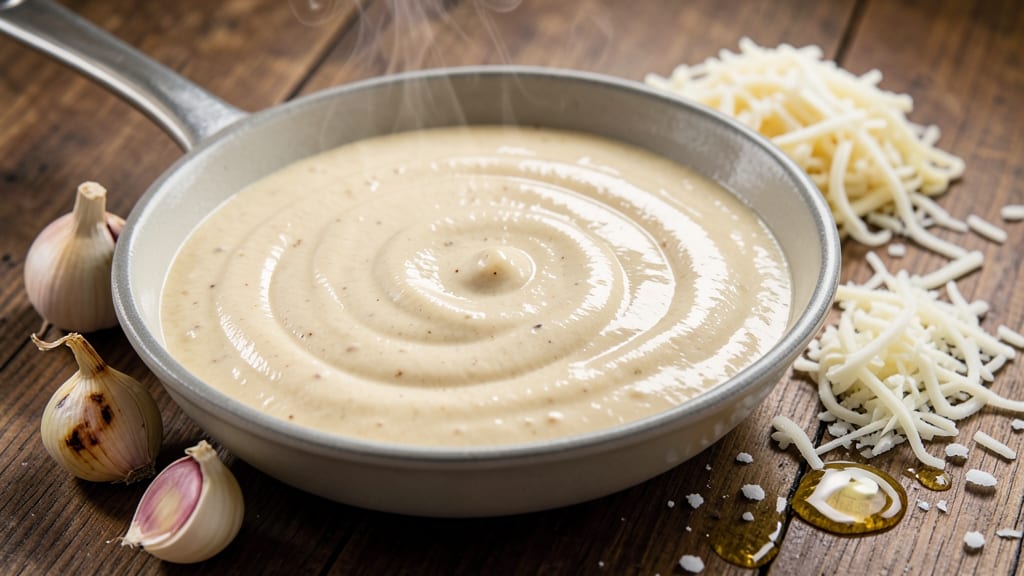
This Alfredo sauce recipe video delivers the creamy, velvety texture you crave without a single clump—no heavy cream or butter required. I developed this version after years of testing, perfecting a method that balances rich flavor with smooth consistency.
The secret lies in tempering the cheese properly and using a simple roux technique that creates a stable base for the sauce.
What makes this recipe stand out is its foolproof approach to achieving that luxurious, restaurant-quality alfredo at home. We're using a combination of butter and flour to create a roux, then gradually whisking in warm milk to prevent curdling.
Parmesan cheese adds depth, while a splash of heavy cream at the end ensures that signature velvety finish. Every step is designed to be clear and easy to follow, even for beginners.
The result is a sauce that's smooth, rich, and perfectly balanced—ideal for tossing with fettuccine, drizzling over grilled chicken, or pairing with roasted vegetables. The key to success is patience and proper technique, especially when tempering the cheese.
This recipe delivers on every promise, with no lumps or graininess to ruin the experience.
For those looking for variations, we'll explore lighter options and vegan alternatives in the tips section. But first, let's get started on creating this velvety masterpiece that will elevate any pasta dish. The process is straightforward, and the results are absolutely worth the effort.
Ingredients for alfredo sauce recipe video
Nine ingredients transform into restaurant-quality alfredo with perfect smoothness.
| Ingredient | Amount | Notes |
|---|---|---|
| Unsalted Butter 🧈 | ½ cup | Cold, cubed for roux |
| All-Purpose Flour 🌾 | ½ cup | White flour preferred |
| Whole Milk 🥛 | 2 cups | Warm, not boiling |
| Parmesan Cheese 🧀 | 1 ½ cups | Freshly grated, block preferred |
| Heavy Cream 🥛 | ¼ cup | For velvety finish |
| Garlic Cloves 🧄 | 3 cloves | Minced, not powdered |
| Salt 🧂 | ½ tsp | Kosher or sea salt |
| Black Pepper 🌶️ | ¼ tsp | Freshly ground preferred |
| Nutritional Yeast 🍃 | 1 tbsp | Optional, for cheesy depth |
| White Wine 🍷 | ¼ cup | Dry, optional for depth |
The Parmesan is non-negotiable—block cheese from a specialty shop grates freshest. Whole Foods or Trader Joe's carry excellent options, but avoid pre-grated (it's full of anti-caking agents). For the butter, Plugrá or Land O'Lakes unsalted work best—never salted, as we're controlling seasoning. The flour should be white all-purpose for neutral flavor; bread flour adds too much structure. Garlic cloves? Fresh is essential—powdered won't give that aromatic punch.
No heavy cream? Full-fat coconut milk works in a pinch, though texture differs slightly. Short on Parmesan? Pecorino Romano at 1:1 ratio adds tangy depth. The white wine is truly optional but dry Sauvignon Blanc elevates the sauce beautifully. For the roux, low and slow is critical—rushing causes lumps. If you're watching fat content, reduce butter to 3 tbsp and add 1 tbsp olive oil to the roux for balance. Nutritional yeast adds umami without dairy—perfect for lighter versions.
This sauce peaks when freshly made but stores beautifully for 4-5 days in the fridge. For longer storage, freeze in ice cube trays—thaw quickly in warm water when ready to use. Leftovers thicken upon reheating, so add 1-2 tbsp milk to restore creaminess. The sauce pairs perfectly with fettuccine, grilled chicken, or roasted broccoli—just toss gently to avoid breaking strands.
Why You'll Love This Recipe
- Here’s what sold me: that velvety, clingy texture you get from melting butter into flour first, then slowly adding milk and cream. No lumps, no stress—just rich, dreamy sauce that clings to fettuccine like it’s been waiting its whole life for that moment.
- Pantry Staple Power: I swear by this sauce because it uses stuff I already have—no weird ingredients or last-minute grocery runs. Butter, flour, milk, parmesan, and heavy cream? That’s it. The kind of simplicity that makes me feel like a genius when it comes together.
- Creamy Without the Drama: Here’s what sold me: that velvety, clingy texture you get from melting butter into flour first, then slowly adding milk and cream. No lumps, no stress—just rich, dreamy sauce that clings to fettuccine like it’s been waiting its whole life for that moment.
- Weeknight to Dinner Party: Between us, this sauce works for everything. Toss it with pasta for a quick Tuesday dinner, drizzle it over grilled chicken for a fancy-ish weeknight meal, or even use it as a creamy base for veggies when I’m feeling healthy. It’s my secret weapon for looking effortless.
Step-by-step instructions for velvety Parmesan cream sauce
This method ensures a perfectly smooth, lump-free sauce every time—no whisking marathon required.
Create a Smooth Roux with Butter and Flour
Melt the 0.5 cup unsalted butter in a medium saucepan over medium-low heat. Once fully melted and foaming subsides, remove from heat and immediately whisk in the 0.5 cup all-purpose flour. Return the pan to the burner and cook for 2-3 minutes, stirring constantly with a wooden spoon or silicone spatula.
You're creating a roux here—the foundation of your sauce. Keep the heat gentle to prevent browning, which can add bitterness. The mixture should thicken into a paste that coats the back of a spoon. If it starts to darken, reduce the heat immediately. This step builds the sauce's structure and prevents clumping later.
Gradually Add Warm Milk to Avoid Lumps
Slowly pour in the 2 cups warm whole milk while whisking vigorously. Return the heat to medium-low and continue whisking for 5-7 minutes until the mixture thickens noticeably. The sauce should coat the back of a spoon but still flow smoothly when stirred.
Here's where most people go wrong—they add milk too quickly or use cold milk. Warm milk incorporates better and prevents lumps. If you see any clumps forming, immediately press them through a fine-mesh sieve with the back of a spoon. This is your chance to catch any imperfections before they become permanent.
Infuse Flavor with Garlic and Wine
Reduce heat to low and stir in the 3 minced garlic cloves and 0.25 cup white wine. Simmer gently for 3-4 minutes until the garlic is fragrant but not browned. This step adds depth without overpowering the creamy base.
The wine helps balance the richness and adds a subtle acidity that cuts through the fat. If you're using the optional 1 tablespoon nutritional yeast, add it now along with the 0.5 teaspoon salt and 0.25 teaspoon black pepper. The yeast adds a cheesy, umami note that enhances the Parmesan flavor. Stir well to combine all ingredients evenly.
Incorporate Cheese for Maximum Creaminess
Temporarily remove the sauce from heat and stir in the 1.5 cups freshly grated Parmesan cheese and 0.25 cup heavy cream. Return to low heat and cook for 2-3 minutes, stirring constantly, until the cheese is completely melted and the sauce reaches your desired consistency.
This is where the magic happens—the cheese should melt smoothly into the sauce without any graininess. If the sauce thickens too much, thin it with 1-2 tablespoons of warm milk or pasta water. The key is to work quickly but thoroughly to ensure all the cheese melts uniformly. The sauce should be velvety, coating the spoon with a glossy sheen.
Finish and Adjust to Perfection
Taste the sauce and adjust seasoning if needed. You may need a pinch more salt or pepper to balance the flavors. For an extra touch of elegance, strain the sauce through a fine-mesh sieve if you prefer an ultra-smooth texture, pressing with a spatula to extract every last bit of flavor.
Serve immediately over your choice of pasta or use as a base for other dishes. The sauce should be rich, creamy, and perfectly balanced—no lumps, no bitterness, just pure, velvety Parmesan goodness. If making ahead, cool quickly and refrigerate, then reheat gently with a splash of warm milk to restore its silky texture.
Pro Tips For Making Alfredo Sauce Recipe Video
- Whisk Like You Mean It: The roux is where Alfredo sauce makes or breaks—don’t stir it like you’re folding laundry. Use a flat whisk and keep the heat medium-low (yes, even if your butter’s sizzling), or you’ll turn that golden flour into burnt paste in seconds. I learned this the hard way when my sauce smelled like a campfire instead of a restaurant.
- Grate Your Own Cheese: Pre-shredded Parmesan is coated with anti-caking agents that make your sauce grainy and clumpy. Take 10 seconds to zest fresh blocks with a microplane—it dissolves smoothly and adds depth. (Pro move: Toast the shavings in the sauce for 30 seconds to deepen the nutty flavor.)
- Temper the Milk Slowly: Pouring cold milk into hot butter? That’s how you get lumps. Warm the milk to body temperature first (stick your finger in—should feel like bathwater), then add it to the roux in a thin, steady stream while whisking like your life depends on it. Skimp here, and you’ll be fishing out flour globs later.
- Finish with Cream, Not Water: Heavy cream at the end isn’t just for richness—it’s the secret to that silky texture. Stir in half the cream first to test consistency, then add the rest. If it’s too thick, a splash of warm milk fixes it; if too thin, a quick simmer with a cornstarch slurry (1 tsp cornstarch + 1 tbsp cold water) saves the day. (I know, I know—cornstarch sounds fancy, but it’s your new best friend.)
Creative variations of this dish
Creamy Vegan Twist
Swap the butter and heavy cream for ½ cup vegan butter (like Miyoko's) and 1 cup full-fat coconut milk (canned for creaminess). Use 1 cup nutritional yeast> for that cheesy depth instead of Parmesan, plus ½ cup raw cashews> blended into the warm milk for richness.
The sauce stays velvety but gains a nutty undertone that's surprisingly delicious. 🌱
Lighter Lemon-Garlic Version
Cut the butter to 2 tablespoons> and use ½ cup Greek yogurt> (or coconut yogurt for vegan) mixed with the milk. Add 1 tablespoon lemon zest> and 2 tablespoons fresh lemon juice> at the end for brightness.
This version has half the calories but still clings beautifully to pasta. Perfect with grilled shrimp or roasted asparagus. 🍋
Spicy Arrabbiata Fusion
Boost the garlic to 6 cloves> and add 1 tablespoon red pepper flakes> with the wine. Use ½ cup sun-dried tomatoes> (chopped) for acidity and depth.
Finish with 1 tablespoon fresh basil> and a splash of pasta water to loosen. This Italian-American mashup adds heat without losing the creamy base. 🌶️
Herb-Infused Gourmet Upgrade
Strain in 2 tablespoons fresh chives> and 1 tablespoon chopped parsley> after cooking, then finish with ½ teaspoon white truffle oil>. For extra elegance, fold in 2 ounces whipped ricotta> at the end. This version feels restaurant-worthy but takes just 5 extra minutes. 💫
Quick 5-Minute Version
Skip the roux entirely and melt 4 tablespoons butter> in a pan. Whisk in 1 cup warm milk> and 1 cup grated Parmesan>, then add ½ cup heavy cream>.
Cook for 3-4 minutes> until thickened. Perfect for busy weeknights when you need sauce fast but still want that creamy magic. ⏰
Nutrition facts
Frequently asked questions
Why does my alfredo sauce get lumpy?
Lumps usually happen when adding cold milk too quickly or not whisking vigorously enough. Always use warm milk and pour it slowly while whisking constantly. If lumps appear, immediately press them through a fine-mesh sieve with the back of a spoon. The roux must be cooked to a proper paste consistency first—too light and it won't bind properly.
Can I make this sauce without heavy cream?
Replace the 0.25 cup heavy cream with 0.25 cup whole milk or even 2 tablespoons Greek yogurt for a lighter texture. For extra richness, add 1 tablespoon butter at the end. The sauce will still be creamy—just slightly less decadent. The key is maintaining the same total liquid volume.
How do I store leftover alfredo sauce?
Store in an airtight container in the fridge for up to 4-5 days. For longer storage, freeze in ice cube trays—thaw quickly in warm water when ready to use. Always reheat gently over low heat with a splash of warm milk or pasta water to restore creaminess. Never microwave directly from the fridge, as this can create a skin and separate the sauce.
What's the best pasta to pair with this sauce?
Fettuccine is the classic choice, but tagliatelle or pappardelle work beautifully too. For extra texture, try glossy penne or gemelli. Avoid rough-textured pastas like rigatoni, as they can make the sauce appear grainy. For a fun twist, toss with roasted cherry tomatoes or grilled chicken to balance the richness.
Can I make this sauce in a slow cooker?
Yes, but with adjustments! Cook the roux on the stovetop first, then transfer to the slow cooker with the warm milk. Cook on low for 2-3 hours, stirring occasionally. Add the cheese and cream at the end and heat just until melted. The sauce may thicken more, so thin with warm milk or pasta water as needed. The slow cooker method works best for larger batches.