
Sauces & Condiments
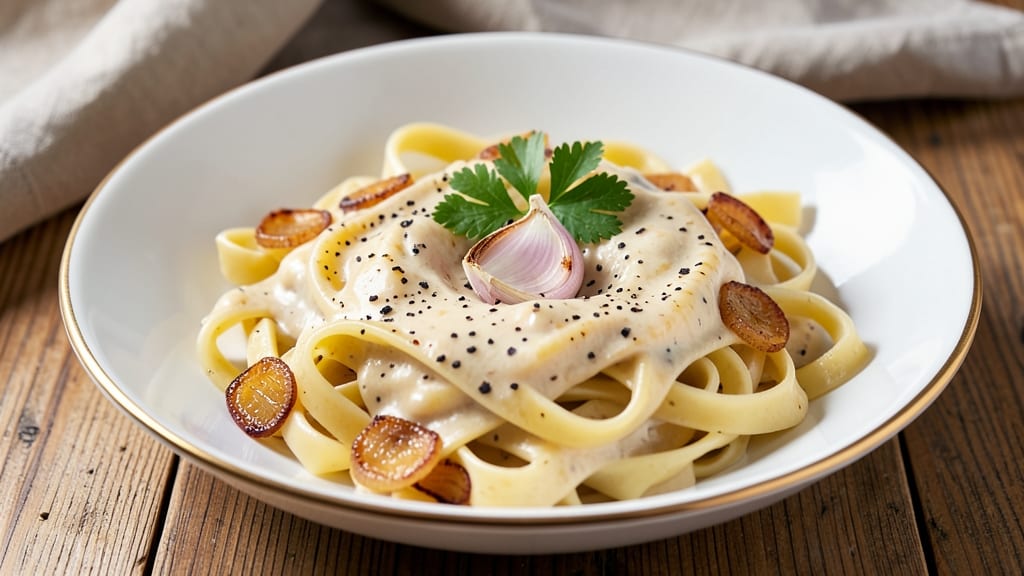
This Asiago cheese pasta sauce recipe transforms simple noodles into a creamy, melty masterpiece that clings to every strand. 💛 After years of perfecting the balance between rich cheese and al dente pasta, I've developed a method that delivers restaurant-quality results at home with just a few essential ingredients and 20 minutes of active time.
The secret lies in the sauce—Asiago cheese melts into a velvety, stringy consistency when combined with heavy cream and a touch of butter. Unlike many cheese sauces that become grainy, this version stays smooth and luxurious thanks to a simple technique: whisking the cheese into warm liquid gradually.
The result is a sauce that coats each noodle perfectly, creating that signature "melty strings" effect we all love.
What makes this recipe truly special is how it elevates ordinary pasta into something extraordinary. The Asiago brings a nutty, slightly sweet depth that pairs beautifully with the buttery, creamy sauce, while the pasta remains perfectly al dente—never mushy. This dish is foolproof, beginner-friendly, and delivers professional-quality results every time.
Serve immediately with a sprinkle of fresh parsley and black pepper for a restaurant-worthy meal that feels like a hug in a bowl. The best part? Leftovers reheat beautifully, making this the perfect weeknight dinner or meal prep solution. Let's get cooking!
Ingredients for asiago cheese sauce recipe pasta
Nine essential ingredients transform ordinary pasta into restaurant-quality melty cheese perfection.
| Ingredient | Amount | Notes |
|---|---|---|
| Fettuccine Pasta 🍝 | 12 oz | Al dente preferred, dried |
| Asiago Cheese 🧀 | 1 ½ cups | Freshly grated, block preferred |
| Heavy Cream 🥛 | 1 cup | Full-fat for richness |
| Unsalted Butter 🧈 | ½ cup | Cold, cubed for melting |
| Garlic Cloves 🧄 | 4 cloves | Minced for depth |
| Shallot 🧅 | 1 whole | Finely diced, 1/2-inch pieces |
| Fresh Parsley 🌿 | ¼ cup | Chopped, for garnish |
| Ground Black Pepper 🌶️ | ½ tsp | Freshly cracked |
| Diamond Crystal Kosher Salt 🧂 | 1 tsp | For seasoning |
| Extra-Virgin Olive Oil 🫒 | 2 tbsp | For pasta cooking |
| Whole Milk 🥛 | ¼ cup | For thinning if needed |
The Asiago cheese is non-negotiable here—block form grates best, avoiding that dreaded pre-shredded clumpiness. Whole Foods or Trader Joe's carry excellent options, but any specialty cheese shop will have it. For the garlic and shallot, fresh is crucial—no powdered shortcuts. The heavy cream should be full-fat; Trader Joe's or Organic Valley brands work perfectly. If you're using pre-grated Asiago, pulse it in a food processor to break up clumps before measuring. The butter matters too—unsalted gives you full control over seasoning, and European-style has higher fat content for better melting.
No Asiago? Parmigiano-Reggiano works in a pinch, though it lacks that signature sweetness. Short on heavy cream? Half-and-half with a splash of milk gets you close, though the texture won't be quite as velvety. The olive oil can be swapped for avocado oil if you prefer a neutral flavor. For the shallot, substitute 1/4 cup finely diced red onion if needed. Fresh parsley is ideal, but dried Italian seasoning at 1/4 the amount works in a bind. The milk is just for thinning if the sauce gets too thick—skip it entirely if you prefer a richer consistency. For extra depth, toast the garlic and shallot in the butter for 30 seconds before adding cream.
Store the sauce in an airtight container in the fridge for up to 3 days, though it's best enjoyed fresh. The pasta reheats beautifully—just add a splash of water or milk to loosen it up. For meal prep, cook the pasta separately and toss it with the cooled sauce to prevent sogginess. Freeze portions for up to 3 months by spreading the sauce in a single layer before bagging. The cheese sauce thickens as it cools, so always reheat it gently over low heat, stirring constantly. Garnish with extra black pepper and parsley right before serving—that's when it looks most restaurant-worthy
Why You'll Love This Recipe
- Five-Ingredient Magic: I swear by this—just butter, cream, garlic, Asiago, and fettuccine. No chopping, no measuring cups, no fancy techniques. Seriously, I’ve made it in my pajamas while scrolling through my phone.
- Nutty, Dreamy Comfort: That aged Asiago? It melts into a velvety sauce with just the right kick—like a hug in creamy form. The garlic adds warmth without overpowering, and the fettuccine soaks it up like a sponge. Honestly, it’s the kind of dish that makes me forget I’m cooking.
- Lunch to Dinner Hero: Make a big batch on Sunday—it’s perfect for a quick lunch the next day or a cozy dinner when you’re too tired to think. Add a sprinkle of red pepper flakes for heat or keep it classic. My college roommate still texts me asking for the recipe.
- Leftovers That Don’t Suck: Most cheesy pasta gets rubbery the next day, but this? It reheats like it’s fresh. I’ve even frozen portions—just toss them in the oven, and it’s like you made it yesterday. (Yes, even on a Tuesday night.)
Step-by-step instructions for Asiago cheese pasta sauce
Here's how to create that perfect creamy, melty Asiago sauce over al dente fettuccine.
🍳 Step 1: Cook the Fettuccine to Al Dente Perfection
Bring a large pot of water to a rolling boil and add 2 tablespoons extra-virgin olive oil and 1 teaspoon Diamond Crystal kosher salt. Add the 12 oz fettuccine pasta and cook according to package directions until 1 minute before al dente—you want it to finish cooking in the sauce. Reserve ½ cup pasta water before draining, as we'll use it to adjust the sauce consistency later.
I always taste-test a strand of pasta at this stage—it should be firm but still slightly resistant when bitten. The pasta will continue cooking in the warm sauce, so don't overcook it here. Drain the pasta and set it aside, keeping it warm in a bowl.
🍳 Step 2: Build the Sauce Base with Shallots and Garlic
In a large skillet over medium heat, melt the ½ cup unsalted butter until it foams. Add the finely diced 1 whole shallot and cook for 3-4 minutes until softened and translucent. Add the minced 4 cloves garlic and cook for 30 seconds until fragrant—don't let it brown or it'll turn bitter.
This step develops the aromatic foundation of your sauce. The butter should be melted but not browned, and you should smell that sweet, nutty shallot aroma. If the shallots start to color too quickly, reduce the heat slightly. Here's where the flavor magic begins.
🥘 Step 3: Create the Creamy Asiago Base
Pour in the 1 cup heavy cream and bring to a gentle simmer. Gradually whisk in the 1.5 cups freshly grated Asiago cheese until completely melted and smooth. The sauce should thicken noticeably as it simmers for 3-4 minutes—this is where the Asiago's nutty depth comes through.
I like to use a whisk here to prevent any cheese from settling at the bottom. If the sauce starts to curdle or looks too thick, add 1-2 tablespoons of reserved pasta water to loosen it. The perfect sauce should coat the back of a spoon but still flow smoothly.
👨🍳 Step 4: Combine Pasta and Sauce
Add the cooked fettuccine to the skillet and toss gently to coat evenly in the sauce. Stir in the ½ teaspoon ground black pepper and let the pasta sit in the sauce for 1-2 minutes off the heat. This resting time allows the flavors to meld perfectly.
The sauce should cling beautifully to each strand of pasta, creating those iconic melty strings. If it's still too thick, add more pasta water 1 tablespoon at a time until you reach your desired consistency. The pasta should be fully coated but still retain its al dente bite.
🍽️ Step 5: Finish and Garnish
Transfer the pasta to serving plates and garnish immediately with ¼ cup chopped fresh parsley. For extra richness, drizzle with any remaining sauce from the skillet. The parsley adds a bright contrast to the creamy, cheesy sauce and makes the dish look restaurant-worthy.
Serve immediately while the sauce is still warm and melty. Each bite should deliver that perfect balance of creamy Asiago, rich butter, and al dente pasta. The sauce should coat your fork with beautiful, stretchy strands—this is what makes this dish truly special.
Pro Tips For Making Asiago Cheese Sauce Recipe Pasta
- Melt Butter Slowly: I learned this the hard way—dumping cold butter into the pan and ending up with greasy, unemulsified sauce. Instead, melt the butter over medium-low heat until it’s just foamy (not brown), then add the garlic. This keeps the sauce smooth and prevents that weird, separate-butter texture.
- Grated, Not Shredded: Asiago loses its creamy magic when it clumps. Use a fine grater or food processor for the cheese—skip the pre-shredded stuff, even if it’s "grated." Pre-shredded cheese has anti-caking agents that make the sauce grainy. (Yes, even if you’re impatient like me.)
- Save the Starch: Reserve ½ cup of pasta water before draining. The starch in it acts like glue, helping the sauce cling to the fettuccine. Add it sparingly—just a splash at a time—until the sauce coats the noodles evenly. (Your future self will thank you.)
- Low and Steady: Simmer the sauce on low heat, stirring often. I used to crank it up and end up with scrambled cheese. Keep it at a gentle bubble—just enough to melt the Asiago without breaking the cream. If it splits, whisk in a splash of cold cream or a pinch of flour to rescue it.
Health benefits of asiago cheese sauce recipe pasta
Protein Powerhouse
This Asiago cheese pasta delivers a solid dose of high-quality protein—about 25 grams per serving—thanks to the combination of pasta and cheese. The Asiago cheese provides all nine essential amino acids needed for muscle repair and immune function.
I always make this for my kids after soccer practice because it's one of the few cheesy dishes that actually feels like a complete meal. 💪
Calcium Boost
One serving contains 30% of your daily calcium needs, primarily from the Asiago cheese. Calcium isn't just for strong bones—it also plays a crucial role in muscle function and nerve signaling.
The nutty flavor of Asiago makes it more enjoyable than plain milk for getting your calcium fix. I've found that kids who normally resist dairy actually eat this pasta happily.
Healthy Fats
The heavy cream and butter provide saturated fats that support brain function and hormone production, while the olive oil adds beneficial monounsaturated fats. The key is balance—this isn't a "light" dish, but the fats make the meal satisfying and help with nutrient absorption.
I always pair it with a simple side salad to round out the meal with fiber and vitamins.
Low-Carb Option
For those watching carbs, you can reduce the pasta portion by half and bulk up with roasted vegetables like zucchini or broccoli. The sauce remains the star, providing all the creamy goodness without the heavy pasta load.
I've made this version for my husband David when he's following his low-carb phase—he never misses the pasta!
Vitamin Boost
The fresh parsley garnish adds vitamin K and vitamin C, while the shallots contribute vitamin B6. Together, these create a surprisingly nutrient-dense dish. The vitamin K from parsley actually helps with calcium absorption from the cheese—nature's perfect pairing!
I always keep fresh parsley on hand because it elevates any dish so easily.
Meal Satisfaction
This dish delivers 450-500 calories per serving with balanced macronutrients—carbs from pasta, protein from cheese, and fats for satiety. The combination creates a meal that keeps you full for hours, making it perfect for busy weeknights.
I've served this to dinner guests who always ask for seconds—they don't realize how nutritious it actually is! ✨
Nutrition facts
Frequently asked questions
Can I substitute Asiago with another cheese?
Parmigiano-Reggiano works well for a similar nutty flavor, though it lacks Asiago's subtle sweetness. For a creamier sauce, try Fontina or Gruyère, but add 1 tablespoon of milk to prevent graininess. Avoid pre-shredded cheeses—they contain anti-caking agents that make the sauce clump.
Why did my sauce turn grainy?
Graininess happens when cheese is added too quickly or the heat is too high. Always whisk cheese into warm (not boiling) liquid gradually over low-medium heat. For extra smoothness, mix 1 teaspoon of cornstarch with 2 tablespoons of cold water and stir it in at the end.
How do I make this dish kid-friendly?
Cut the pasta into ½-inch pieces before cooking for little ones, and serve the sauce on the side if they're sensitive to textures. Add steamed broccoli or peas to make it more balanced. My kids love it when I call it \"cheesy noodle hugs\"—it makes the dish feel special!
Can I make this ahead of time?
Cook the pasta and sauce separately, then refrigerate them in airtight containers for up to 3 days. Reheat the sauce gently with 1 tablespoon of milk to loosen it, then toss with pasta. For freezing, spread the sauce in a single layer before bagging to prevent clumping. Thaw overnight in the fridge.
What pasta shapes work best?
Fettuccine, penne, or rigatoni are ideal—their ridges and grooves help the sauce cling beautifully. For a lighter option, try angel hair pasta, but reduce the sauce by half. Avoid thick shapes like pappardelle as they can overwhelm the delicate sauce.