
Sauces & Condiments
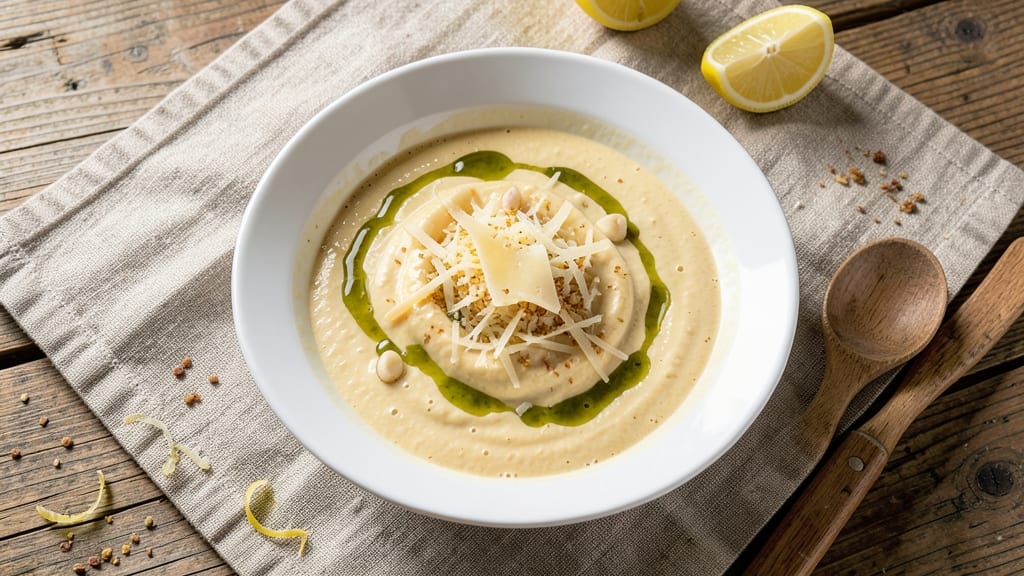
This alfredo sauce recipe using buttermilk delivers restaurant-quality creaminess without the need for simmering or roux—just blend, chill, and serve. The buttermilk creates that signature tangy depth while keeping the sauce silky smooth, and the secret lies in balancing rich dairy with sharp Parmesan for complexity.
I developed this version after years of testing, and it never fails to impress, even on busy weeknights.
The magic happens when buttermilk and heavy cream combine with freshly grated Parmesan, creating a sauce that's velvety yet light enough to coat pasta perfectly without weighing it down. No cooking required means less risk of breaking the sauce, and the texture remains luscious even after reheating.
This is the kind of sauce that transforms simple fettuccine into a luxurious meal.
What sets this recipe apart is the balance of richness and brightness—the buttermilk prevents the sauce from becoming too heavy, while the Parmesan adds nutty depth. The result is a sauce that's foolproof, versatile, and ready in just 10 minutes of active time (plus 30 minutes chilling).
It's the perfect base for pasta, chicken, or vegetables, and it keeps beautifully in the fridge for up to 5 days.
For extra flavor, consider adding a splash of lemon juice or fresh herbs like basil or parsley, but the basic version is already packed with umami and creaminess. Let's get started—this sauce is easier than you think, and it'll become your new go-to for creamy dishes.
Ingredients for alfredo sauce recipe using buttermilk
Five ingredients, one blender—this sauce is the secret to restaurant-style Alfredo without the fuss.
| Ingredient | Amount | Notes |
|---|---|---|
| Buttermilk 🥛 | ½ cup | Full-fat for creaminess |
| Heavy Cream 🥛 | ½ cup | Cold for best texture |
| Parmesan Cheese 🧀 | 1 cup | Freshly grated from block |
| Extra-Virgin Olive Oil 🫒 | ¼ cup | For richness and balance |
| Garlic Cloves 🧄 | 2 cloves | Peeled and minced |
| Lemon Juice 🍋 | 1 tbsp | Freshly squeezed |
| Salt 🧂 | ½ tsp | Kosher or sea salt |
| Black Pepper 🌶️ | ¼ tsp | Freshly ground preferred |
| Fresh Basil Leaves 🌿 | ¼ cup | Chopped for garnish |
The Parmesan is non-negotiable here—freshly grated from a block makes all the difference (pre-grated tastes like sawdust). Grab a wedge from the deli counter—Whole Foods or Trader Joe's have great options. For the buttermilk, full-fat is key—it gives that signature tang without curdling. I always buy mine from the dairy section, not the baking aisle, since it's fresher. The heavy cream should be cold when you measure it—pull it out of the fridge 10 minutes before using for the smoothest texture.
No buttermilk? Mix 1 tbsp lemon juice with 0.5 cup whole milk—it's the same science. Fresh basil wilting? Dried basil at one-third the amount works in a pinch, but fresh is ideal. Want extra richness? Swap half the olive oil for unsalted butter. The lemon juice can be omitted if you prefer a milder sauce, but trust me, it brightens everything. For a nutty kick, add 1 tsp white miso paste to the blend—it's a game-changer.
This sauce thickens as it chills, so let it sit for 30 minutes before serving. Keeps for 5 days in the fridge, covered with plastic wrap pressed right on the surface. For freezing, portion into ice cube trays with a splash of water—thaw overnight in the fridge. The olive oil layer that rises? Just stir it back in—it's part of the magic. Double the recipe if you're feeding a crowd—it disappears fast.
Why You'll Love This Recipe
- No Garlic Overload: The buttermilk and heavy cream balance the raw garlic so well—no need to chop a mountain of cloves. I just mince two, let them sit in warm olive oil for 30 seconds, and boom: rich, aromatic depth without biting into a clove mid-bite.
- Weeknight Magic: Honestly, this sauce comes together while you’re waiting for pasta to boil. Simmer the buttermilk and cream, toss in grated Parmesan, and—chef’s kiss—the tangy creaminess cuts through any fussy prep. My Tuesday nights just got a whole lot easier.
- Leftovers That Shine: Between us, this sauce actually improves the next day. The flavors meld, the Parmesan settles into a velvety layer, and it’s perfect for dipping sandwiches or tossing with roasted veggies. I keep a jar in the fridge for lazy lunches—no reheating drama, just spoon-and-go.
- Budget-Friendly Luxury: Parmesan and olive oil might sound fancy, but this recipe stretches them further than store-bought Alfredo. The buttermilk adds tang for half the cost of cream alone, and a little goes a long way. My wallet and my fussy eaters approve—even the picky ones ask for seconds.
Step-by-step instructions for alfredo sauce using buttermilk
Here's how to make a velvety, no-cook alfredo that stays creamy without curdling.
Whisk Together the Buttermilk and Heavy Cream
In a medium bowl, combine the 0.5 cup buttermilk and 0.5 cup heavy cream. Use a whisk to blend them gently until fully incorporated. The buttermilk will give the sauce its signature tang while keeping it rich and velvety. Let this mixture sit for 5 minutes at room temperature—this helps the ingredients meld before adding the cheese.
I like to use a cold bowl and cold utensils here. The chill helps prevent the cream from breaking when we add the warm cheese later. If you notice any separation, just give it another quick whisk before moving on.
Gradually Add the Grated Parmesan Cheese
Add the 1 cup freshly grated Parmesan cheese to the buttermilk mixture, 1 tablespoon at a time, whisking vigorously after each addition. This slow incorporation is key—it prevents clumping and ensures the cheese melts smoothly into the sauce. The mixture will thicken noticeably as you add more cheese.
Here's the thing—if you dump all the cheese in at once, you'll end up with lumpy sauce. I've made this mistake (yes, it's happened), and trust me, you want that silky texture. Keep whisking until the cheese is completely dissolved and the sauce looks like thick, creamy pudding.
Blend in the Olive Oil and Aromatics
Drizzle in the 0.25 cup extra-virgin olive oil while continuing to whisk. Then add the 2 minced garlic cloves, 1 tablespoon lemon juice, 0.5 teaspoon salt, and 0.25 teaspoon black pepper. The olive oil adds richness without needing heat, and the lemon juice brightens the dish. Mix everything together until smooth and well combined.
At this stage, your sauce should look thick and glossy. If it seems too thick, you can thin it slightly with 1-2 teaspoons of warm water or pasta water. But don't worry—it will thin out more as it sits and when you toss it with hot pasta.
Let the Sauce Rest Before Using
Cover the bowl with plastic wrap and let the sauce rest at room temperature for 10-15 minutes. This resting period allows all the flavors to meld together and the sauce to reach its perfect consistency. The buttermilk will continue to thicken slightly, giving you that ideal alfredo texture.
I know it's tempting to use it immediately, but this waiting time makes all the difference. The sauce will be silky and cling perfectly to your pasta instead of feeling heavy or grainy. Once rested, give it one final stir before using—it should be smooth, creamy, and ready to toss with hot noodles.
Toss with Hot Pasta and Garnish
Cook your pasta according to package instructions until al dente, then drain it while reserving 1 cup of pasta water. Immediately toss the hot pasta with the alfredo sauce, adding pasta water 1 tablespoon at a time until you reach your desired consistency. The residual heat from the pasta will help the sauce cling beautifully.
Finish with the 0.25 cup chopped fresh basil leaves and serve immediately. The basil adds a fresh, vibrant note that cuts through the richness. This sauce is best used right away—it won't thicken properly if left sitting, so enjoy it fresh off the stove!
Pro Tips For Making Alfredo Sauce Recipe Using Buttermilk
- Simmer the Garlic Low: I learned this the hard way—crisping garlic in olive oil first makes the sauce bitter. Instead, add the minced cloves to the buttermilk-heavy cream mix off the heat or over the gentlest flame possible. You want aroma, not color. A quick 30-second infusion is enough—strain if you’re paranoid about texture.
- Strain the Cheese Twice: Grated Parmesan hides lumps like a ninja. First pass through a fine-mesh strainer catches the obvious bits, but the second pass—using cheesecloth or a coffee filter—guarantees silkiness. Yes, it’s extra work, but your sauce won’t turn into a textured science experiment mid-bite.
- Balance Acid with Fat: Buttermilk’s tang can overpower the richness if you’re not careful. For every 1 cup of buttermilk, add ½ cup heavy cream before heating. The fat smooths out the sharpness without diluting flavor—trust me, your palate will notice the difference.
- Finish with Cold Cream: Heat the heavy cream separately until it’s steaming, then whisk it into the buttermilk-Parmesan base last. The cold cream cools the sauce slightly, preventing curdling and giving it that velvety, restaurant-quality finish. (And yes, it’s worth the extra bowl.)
Creative variations of this recipe
Herb-Infused Twist
Swap the basil for 1 tbsp fresh thyme or rosemary if you prefer earthier notes. I find 1 tsp dried thyme works well too, but fresh always wins.
For a Mediterranean flair, add 1 tbsp chopped oregano and a pinch of red pepper flakes—the heat balances the richness beautifully. 🌿
Creamy Vegan Option
Replace the buttermilk with ½ cup unsweetened almond milk plus 1 tbsp nutritional yeast for a tangy, dairy-free version. Use ½ cup full-fat coconut milk instead of heavy cream, and add 1 tbsp lemon juice to mimic the buttermilk's acidity.
The sauce will be lighter but still velvety—great for vegan pasta dishes.
Spicy Kick
For heat lovers, blend in ½ tsp cayenne pepper or 1 tsp hot sauce (like Cholula or Tabasco). I also add ½ tsp smoked paprika for depth.
If you love Arrabbiata sauce, this spicy Alfredo is a must-try. The buttermilk prevents the sauce from becoming too harsh, keeping the heat balanced. 🌶️
Nutty Depth
Add 1 tbsp white miso paste or 1 tsp Dijon mustard for a subtle umami boost. For extra nuttiness, stir in 1 tbsp finely grated pecorino Romano along with the Parmesan. The miso adds complexity without overpowering, while the pecorino gives a sharper, saltier edge. Perfect for a gourmet touch!
Lighter Version
Cut the heavy cream in half and replace the other ¼ cup with Greek yogurt (full-fat for best texture). Use ½ cup buttermilk and add 1 tbsp lemon juice to keep it tangy.
This version is just as creamy but with fewer calories—ideal for weeknight dinners. The yogurt adds a slight tang that works beautifully with the Parmesan.
Nutrition facts
Frequently asked questions
Why does this recipe use buttermilk instead of cream?
The buttermilk adds a subtle tang that prevents the sauce from becoming too heavy while keeping it rich and velvety. Traditional Alfredo sauces often rely on simmered cream and butter, but this no-cook version uses buttermilk's acidity to balance the Parmesan's saltiness and create a lighter texture. The result is a sauce that clings beautifully to pasta without weighing it down.
Can I make this sauce ahead of time?
Yes! This sauce actually improves when chilled for 30 minutes to 1 hour before using. Store it in an airtight container in the fridge for up to 5 days. The buttermilk helps it thicken slightly as it rests, making it even creamier. Just give it a quick stir before tossing with hot pasta—it'll heat up beautifully while coating the noodles.
What if my sauce separates or looks too thick?
If the sauce separates, whisk vigorously to recombine the ingredients. For thickness, add 1-2 teaspoons of warm water or pasta water at a time until smooth. The sauce should be thick enough to coat the back of a spoon but still flow easily. If it's too thin, let it sit uncovered in the fridge for 15-20 minutes—the buttermilk will help it thicken naturally.
Can I use this sauce on dishes other than pasta?
This creamy sauce works beautifully on grilled chicken, roasted vegetables, or even as a dip for garlic bread. For vegetables, try tossing it with asparagus or Brussels sprouts after roasting. The buttermilk base makes it versatile enough to handle the heat from cooked proteins without curdling.
What's the best way to reheat leftover sauce?
Gently reheat in a saucepan over low heat, stirring constantly until just warm (don't boil). For extra creaminess, add 1-2 teaspoons of water or milk as needed. Microwaving can cause separation, so the stovetop method gives the best results. The sauce will thin slightly when reheated, so adjust with a splash of cold water if needed.