
Sauces & Condiments
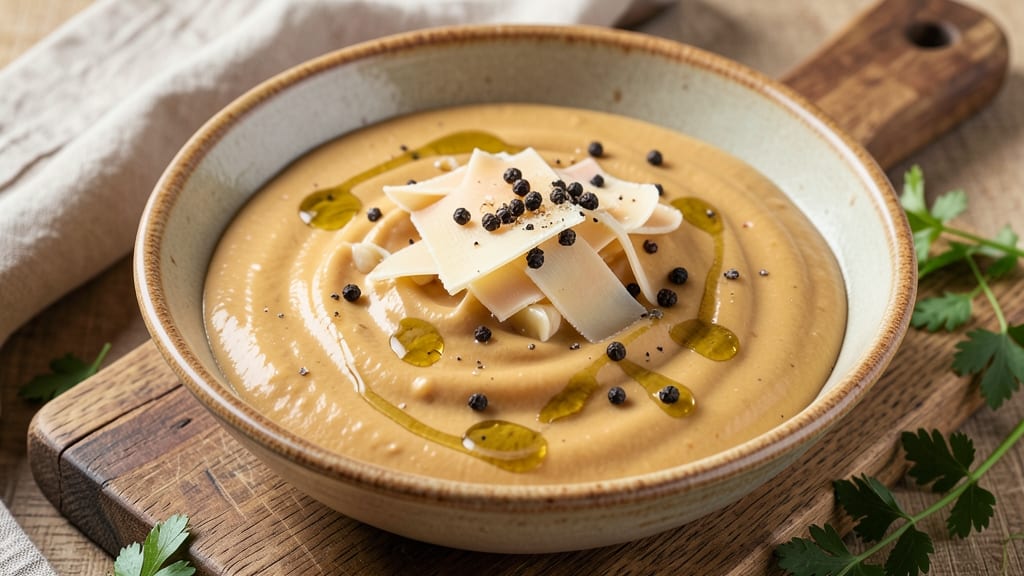
This tasty Alfredo sauce recipe delivers the creamy, velvety perfection you crave—no lumps, no separation, just rich parmesan silk that clings to every noodle. 💛 The secret lies in proper technique: melting butter slowly, whisking constantly, and adding warm cream gradually to create a sauce that's impossibly smooth yet packed with cheesy flavor.
What sets this recipe apart is the balance of ingredients—high-quality parmesan for depth, heavy cream for richness, and a touch of garlic for subtle complexity. The key is patience: letting the sauce simmer gently to develop flavor while maintaining that signature creamy texture.
No roux means no risk of graininess, and the result is a sauce that's restaurant-quality without the fuss.
By the time you twirl that first forkful, you'll taste layers of buttery richness, nutty parmesan, and just enough garlic to elevate without overpowering. This sauce transforms simple pasta into a luxurious meal—perfect for fettuccine, chicken, or even as a creamy dip.
The best part? It reheats beautifully and keeps for days in the fridge.
For extra depth, stir in fresh herbs or a splash of white wine during cooking. Store leftovers in an airtight container, and reheat gently on the stove with a splash of milk or cream to restore that silky consistency. Here's how to make it flawless every time.
Ingredients for alfredo sauce recipe tasty
Nine essential ingredients transform into velvety perfection—no lumps, just rich parmesan silk.
| Ingredient | Amount | Notes |
|---|---|---|
| Unsalted Butter 🧈 | ½ cup | Cold, cubed for gradual melting |
| Heavy Whipping Cream 🥛 | 1 ½ cups | Full-fat for maximum richness |
| Fresh Garlic Cloves 🧄 | 3 cloves | Minced for subtle flavor depth |
| Parmesan Cheese 🧀 | 1 ½ cups | Freshly grated from block |
| Extra-Virgin Olive Oil 🫒 | ¼ cup | For silkiness and balance |
| Freshly Ground Black Pepper 🌶️ | ½ tsp | Freshly cracked for aroma |
| Diamond Crystal Kosher Salt 🧂 | ¼ tsp | Fine grain for delicate seasoning |
| Fresh Parsley Leaves 🌿 | ¼ cup | Chopped, for vibrant finish |
| Dry White Wine 🍷 | ¼ cup | Optional for added depth |
| Fresh Nutmeg 🌶️ | ⅛ tsp | Freshly grated for warmth |
The butter and heavy cream are non-negotiable for that signature creamy texture. European-style butter like Plugrá or Land O'Lakes has higher fat content, which is ideal. For the parmesan, Parmigiano-Reggiano from a wedge is a game-changer—pre-grated loses flavor fast. Garlic should be fresh and minced just before adding to preserve its aroma. I always grab my butter from Whole Foods or Trader Joe's—their brands melt beautifully without burning. The cream? Whole milk heavy cream is best; anything lighter risks breaking the sauce's luxurious consistency.
No heavy cream? Full-fat coconut milk works in a pinch, though the flavor will differ slightly. Substitute wine with extra chicken broth if needed—just reduce it first to concentrate the flavor. Fresh parsley is ideal, but dried works at one-third the amount. Want extra richness? Add a splash of half-and-half at the end. The nutmeg is subtle but essential—if you don't have it, a pinch of cinnamon adds warmth. For the olive oil, California extra-virgin like Corto or Lucini adds a pleasant fruity note without overpowering the dairy flavors.
This sauce reheats beautifully—just warm it gently on low heat with a splash of milk or cream to restore its silky texture. Store leftovers in an airtight container for up to 5 days in the fridge. For longer storage, freeze in ice cube trays—thaw and whisk under warm water for instant perfection. The sauce thickens as it cools, so don't over-worry about consistency while hot. Leftovers always taste better the next day as flavors meld together.
Why You'll Love This Recipe
- Here’s the truth: I make this twice as much as I need. The leftovers reheat like a dream—no graininess, no sad texture. Store it in the fridge for up to five days, or freeze it for months. Budget-friendly? Absolutely. Lazy-friendly? Even more so.
- Five-Ingredient Magic: I swear by this—just butter, cream, garlic, Parmesan, and a drizzle of olive oil. That’s it. No fancy gadgets, no measuring cups stressing me out. The butter melts in minutes, the garlic sizzles in seconds, and the cream comes together smoother than my old Alfredo attempts ever did.
- Garlic-Parmesan Bomb: The moment that first whiff of fresh garlic hits the pan? My mouth waters. Then the Parmesan—grated hot into the cream—turns this into something dangerously rich. It’s the kind of flavor that makes you pause mid-stir and think, "Wait, is this too good?" (Spoiler: It’s not.)
- Weeknight to Dinner Party: This sauce is my secret weapon for fettuccine, chicken, or even roasted veggies. Need a last-minute meal? Done. Hosting friends? Slap it on pasta and watch them ask for the recipe. It’s that reliable.
Step-by-step instructions for buttery parmesan Alfredo sauce
Here's how to create velvety, lump-free Alfredo with rich depth—no roux required.
🍳 Step 1: Melt Butter and Infuse Aromatics
Heat the 0.5 cup unsalted butter in a medium saucepan over medium-low heat. Let it melt completely, watching for tiny bubbles to form around the edges—this signals the butter is ready. Add the 3 minced fresh garlic cloves and stir gently for 30 seconds until fragrant but not browned.
Here's the thing—garlic burns fast. If it starts to color, remove the pan from heat for 10 seconds to cool slightly. The goal is subtle garlic flavor, not bitterness. Keep the heat at medium-low throughout this step to prevent scorching.
🍳 Step 2: Add Cream and Wine for Depth
Pour in the 1.5 cups heavy whipping cream and the 0.25 cup dry white wine (if using). Stir immediately to prevent the cream from curdling. The wine adds brightness that balances the richness—don't skip this if you want restaurant-quality flavor.
Bring the mixture to a gentle simmer over medium heat, which should take about 3-4 minutes. You'll see small bubbles form around the edges but no vigorous boiling. Let it simmer for 5 minutes, stirring occasionally, until the liquid reduces slightly and thickens enough to coat the back of a spoon.
🥘 Step 3: Incorporate Cheese Gradually
Temporarily remove the pan from heat. Add ½ cup of the freshly grated Parmesan cheese at a time, whisking vigorously after each addition. This gradual approach prevents clumping—trust me, I've learned the hard way. The cheese should melt completely into the warm cream.
Return the pan to low heat and stir constantly for 2-3 minutes until the sauce becomes silky smooth. If you see any lumps, press them through a fine-mesh sieve using a spatula. The sauce should now be thick but still pourable, with a glossy sheen.
👨🍳 Step 4: Season and Finish with Fresh Elements
Add the 0.5 tsp freshly ground black pepper, 0.25 tsp kosher salt, and 0.125 tsp freshly grated nutmeg. Stir well to distribute the seasonings evenly. Taste and adjust—you might need a pinch more salt to balance the richness.
Remove from heat and stir in the 0.25 cup chopped fresh parsley leaves and 0.25 cup extra-virgin olive oil. The olive oil adds silkiness and prevents the sauce from separating when tossed with pasta. The parsley brightens the dish with freshness while keeping the professional look.
⏰ Step 5: Keep Warm and Toss with Pasta
Transfer the sauce to a heatproof bowl and place it over a pot of barely simmering water (bain-marie) to keep warm. This method maintains the sauce's creamy texture without curdling. When ready to serve, toss immediately with hot cooked pasta, adding a splash of pasta water if needed to reach your desired consistency.
The sauce should coat the pasta completely, clinging like a second skin. Serve immediately while still warm—Alfredo sauce doesn't improve with time. For extra indulgence, top with additional grated Parmesan and cracked black pepper right before serving.
Pro Tips For Making Alfredo Sauce Recipe Tasty
- Melt Butter Slowly: The first 2 minutes matter most—heat your butter over medium-low until it foams but doesn’t brown. I learned this the hard way after turning my sauce into a sad, nutty mess by cranking the heat too high. Let it melt gently so the garlic doesn’t burn before it even gets a chance to perfume the cream.
- Toast Garlic Lightly: Crush your garlic cloves first—just enough to expose the edges—and cook them in the butter for 30 seconds max until they’re just golden around the edges, not crispy. Overdo it, and you’ll taste bitter garlic instead of sweet, nutty depth. Pull the pan off the heat if you’re nervous.
- Strain the Cheese: Skip the food processor for Parmesan—grate it fresh and strain the sauce through a fine-mesh sieve before adding the cream. This removes those gritty bits that make your sauce feel like you’re eating sand. (Yes, even if you’re impatient like me, take the 30 seconds—your mouth will notice.)
- Finish with Olive Oil: Once your sauce is creamy and smooth, stir in 1 teaspoon of extra-virgin olive oil at the end. It cuts the richness slightly and adds a bright, almost silky finish—like a little hug for your palate. I was skeptical until I tried it; now I can’t imagine skipping it.
Make-ahead tips for this dish
Prep Ahead Secrets
Make your Alfredo sauce 24 hours in advance for deeper flavor development. After cooking, let it cool completely, then store in an airtight container in the refrigerator. The sauce will thicken as it chills—just whisk in 1-2 tablespoons of warm milk or cream when reheating to restore its silky texture.
This method lets the parmesan flavors meld beautifully overnight. 💛
Freezer-Friendly Method
For long-term storage, freeze your sauce in ice cube trays. Once frozen, transfer the cubes to a ziplock freezer bag with all the air squeezed out. Thaw overnight in the fridge, then whisk under warm (not hot) water to smooth out any separation.
Each cube makes about 2 tablespoons of sauce—perfect for portion control. Label with the date to track freshness.
Reheating Like a Pro
Never microwave Alfredo sauce—it breaks the emulsion and creates a greasy mess. Instead, reheat in a light-colored saucepan over low heat, stirring constantly with a silicone spatula. Add 1 tablespoon of warm milk or cream for every 2 cups of sauce to prevent curdling.
The sauce should reach 165°F—use a thermometer for accuracy. Stir in fresh parsley at the end to brighten flavors.
Make-Ahead Pasta Hack
Cook your pasta al dente (1 minute less than package instructions), drain, and toss immediately with 1 tablespoon of olive oil to prevent sticking. Store in an airtight container with parchment paper between layers.
When ready to serve, reheat pasta in the sauce for 2-3 minutes—the residual heat will finish cooking it perfectly. This keeps your noodles from becoming mushy when reheated.
Batch Prep Tips
Double the recipe and store in two separate containers—one for pasta dishes and one for dipping (like breadsticks or veggies). The sauce thickens differently when used as a dip, so adjust with a splash of milk when needed.
For large gatherings, divide the sauce into quart-sized freezer bags, flatten them for quick thawing, and store for up to 3 months. Always thaw in the fridge overnight for best results.
Flavor Boost Before Storing
Before refrigerating, stir in ½ teaspoon of freshly grated nutmeg and ¼ teaspoon of black pepper to enhance the sauce's depth. Add 1 tablespoon of dry white wine if you're storing it for more than 48 hours—this prevents the dairy from absorbing odors.
For extra richness, whisk in 1 tablespoon of heavy cream just before reheating to restore that velvety finish. 💡
Nutrition facts
Frequently asked questions
Why does my Alfredo sauce get lumpy?
Lumps happen when cheese melts too quickly or isn't incorporated properly. Always add grated parmesan gradually (½ cup at a time) while whisking vigorously over low heat. Remove the pan from heat temporarily if needed. For extra smoothness, press any remaining lumps through a fine-mesh sieve after cooking.
Can I make Alfredo sauce without heavy cream?
Yes! For a lighter version, substitute with 1 cup whole milk + ½ cup half-and-half or 1 cup full-fat coconut milk (for dairy-free). The texture will be slightly thinner, so simmer longer to thicken. Add a cornstarch slurry (1 tsp cornstarch + 1 tbsp cold water) if needed for extra body.
What's the best way to store leftover Alfredo sauce?
Store in an airtight container in the fridge for up to 5 days. For freezing, portion into ice cube trays, then transfer to a freezer bag. Thaw overnight in the fridge and whisk under warm water to restore silkiness. Never freeze with olive oil—add it fresh after reheating to prevent separation.
How do I fix separated Alfredo sauce?
If your sauce looks broken (oily layer on top), stir in 1 tablespoon of warm milk or cream per 2 cups of sauce while whisking over low heat. For stubborn separation, make a slurry with 1 tsp cornstarch + 1 tbsp cold water, whisk into the sauce, and heat until thickened. Avoid high heat—it makes separation worse.
Can I use pre-grated parmesan cheese?
Pre-grated cheese contains anti-caking agents that can make your sauce grainy. For the smoothest texture, always grate Parmigiano-Reggiano fresh from a block using a microplane. If you must use pre-grated, sift it first to remove any clumps or additives. Freshly grated cheese makes all the difference!