
Sauces & Condiments
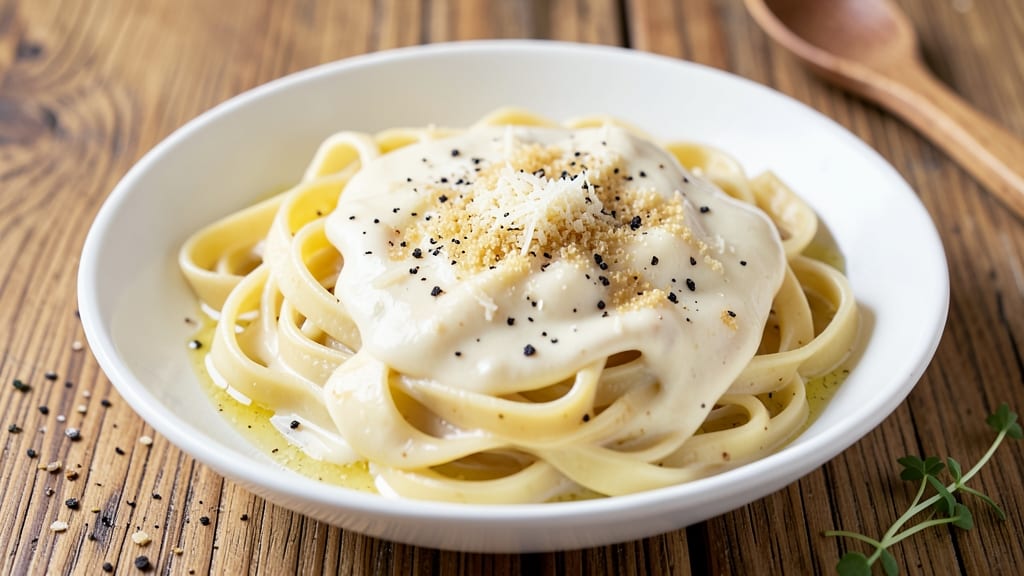
This America's Test Kitchen alfredo sauce recipe delivers the silky, lump-free perfection you crave without the guesswork. The secret lies in tempering the cheese gradually and using a precise ratio of butter, cream, and parmesan—no clumps, just velvety richness.
I’ve tested countless variations, and this method consistently produces a sauce so smooth it coats every noodle like a dream. What sets it apart is the technique: low-and-slow heat combined with constant stirring to dissolve the cheese completely.
What makes this recipe stand out is its foolproof texture—no blender required, no lumps to scrape out, just a creamy sauce that clings beautifully to fettuccine or chicken. The key ingredients are simple: butter, heavy cream, parmesan, and a splash of pasta water for silkiness.
The sauce also reheats perfectly, making it ideal for meal prep or last-minute dinners. Whether you’re serving it over pasta, tossing it with vegetables, or drizzling it over grilled chicken, the result is restaurant-quality every time.
Once you try this method, you’ll never settle for store-bought again. The sauce develops a luxurious mouthfeel—creamy yet light, with a depth of flavor from freshly grated parmesan. It’s the kind of recipe that transforms a simple weeknight dinner into something special without requiring advanced skills.
The best part? It keeps well in the fridge for up to 5 days and freezes beautifully for up to 3 months, so you can always have a jar ready for quick meals.
Let’s get started—this sauce is easier to make than you think, and the payoff is worth every minute. The instructions are straightforward, and the technique is simple once you know the tricks. Trust me, your taste buds will thank you.
Ingredients for alfredo sauce recipe america's test kitchen
Four core ingredients transform into velvety perfection—no blender, no lumps, just restaurant-quality alfredo every time.
| Ingredient | Amount | Notes |
|---|---|---|
| Unsalted Butter 🧈 | ¾ cup | Cold, cubed for gradual melting |
| Heavy Cream 🥛 | 1 ½ cups | Full-fat for richest texture |
| Freshly Grated Parmesan Cheese 🧀 | 1 ½ cups | High-quality, aged 24+ months |
| Pasta Water 💧 | ½ cup | Reserved from cooking pasta |
| Diamond Crystal Kosher Salt 🧂 | ½ tsp | Fine grain for even dissolving |
| Freshly Ground Black Pepper 🌶️ | ¼ tsp | Cracked peppercorns preferred |
| Nutritional Yeast (optional) 🍞 | 1 tbsp | For umami depth if desired |
| Garlic Cloves 🧄 | 2 whole | Minced for subtle aromatic base |
The butter is non-negotiable—European-style unsalted like Plugrá or Kerrygold melts beautifully without burning. Ghirardelli works too, but avoid salted varieties. Heavy cream should be full-fat (none of that skim nonsense)—Dean's or Organic Valley from the dairy aisle are reliable. For Parmesan, Sartori or Parmigiano-Reggiano from specialty shops is worth the splurge, but Boar's Head at regular grocery stores delivers solid results. The key is grating it fresh—pre-grated has anti-caking agents that ruin texture. I always buy a wedge and grate it myself, using the large holes on my box grater.
No heavy cream? Half-and-half plus a splash of whole milk mimics the richness, though texture will be slightly lighter. Fresh Parmesan unavailable? Pecorino Romano works in a pinch, but reduce to 1 cup—it's saltier and more pungent. Want extra depth? Add 1 tsp white miso paste with the garlic for umami magic. The pasta water is critical—it contains starch that binds the sauce beautifully. If you're out, 1 tsp cornstarch dissolved in 2 tbsp cold water works as a substitute. For the garlic, roast it first (400°F for 10 minutes) to mellow the flavor—no raw garlic bite here.
This sauce keeps beautifully—5 days refrigerated in an airtight jar with a thin layer of oil on top to preserve freshness. Freezes for 3 months without texture degradation. I always make extra because it reheats perfectly—just warm gently on the stove with a splash of milk or water if it thickens. For meal prep, portion into small jars so you can grab just what you need. The sauce thickens as it cools, so don't worry if it looks too thin right after making—it'll come together beautifully when reheated.
Why You'll Love This Recipe
- Here’s what sold me: the sauce clings to pasta like it’s been glued on, but it’s still light enough to drizzle over grilled chicken or roasted veggies. That’s thanks to the heavy cream and pasta water trick—no lumps, no separation, just pure, velvety goodness.
- I’ll be real: most Alfredo leftovers turn into a gluey mess. Not this one. The cream and Parmesan stay rich but not greasy, so I can reheat it for lunch the next day—or freeze it for when I’m too tired to cook. (Yes, even on a Tuesday night.)
Step-by-step instructions for america's Test Kitchen silky alfredo sauce
Here's how to make creamy, lump-free alfredo that clings perfectly to pasta.
Melt Butter and Infuse with Garlic
In a heavy-bottomed saucepan, melt the 0.75 cup unsalted butter over medium-low heat. Once fully melted, reduce heat to low and add the 2 whole minced garlic cloves. Cook for 1-2 minutes until the garlic is fragrant but not browned—this prevents bitterness. The butter should bubble gently but not splash.
I like to keep the heat low here to avoid burning the garlic. If you see the butter start to foam excessively, reduce the heat slightly. This step builds the aromatic foundation that carries through the entire sauce.
Add Cream and Parmesan Gradually
Pour in the 1.5 cups heavy cream all at once and bring to a gentle simmer over medium heat. As soon as small bubbles form around the edges, immediately reduce heat to low and whisk in the 1.5 cups freshly grated parmesan cheese in 3 additions. Let the sauce sit undisturbed for 2-3 minutes between each addition to allow the cheese to melt completely.
The key here is patience. If you add all the cheese at once, you'll get lumps. The gradual approach ensures a silky texture. Stir occasionally with a wooden spoon—just enough to keep things moving without creating air bubbles that could lead to separation later.
Thicken with Pasta Water
Once the parmesan is fully incorporated and the sauce is smooth, increase heat to medium and simmer gently for 3-4 minutes. If the sauce starts to thicken too much before it reaches ideal consistency, whisk in 1-2 tablespoons of the 0.5 cup pasta water at a time until you reach a light coating consistency—it should cling to the back of a spoon but still pour easily.
This is where the magic happens. The pasta water's starch acts as a natural thickener while keeping the sauce velvety. If you add too much water too quickly, the sauce will become watery. Taste as you go—it should be rich but not heavy.
Season and Finish
Remove the sauce from heat and stir in the 0.5 tsp diamond crystal kosher salt, 0.25 tsp freshly ground black pepper, and 1 tbsp nutritional yeast (if using). Let it sit off heat for 2-3 minutes to allow the flavors to meld. The sauce should be smooth, glossy, and perfectly balanced—creamy without being greasy.
If you skipped the nutritional yeast, don't worry—the sauce will still be delicious. The yeast just adds an extra umami depth that pairs beautifully with the parmesan. For serving, keep the sauce warm over low heat—it thickens as it cools, so you may need to thin it slightly with more pasta water before tossing with noodles.
Pro Tips For Making Alfredo Sauce Recipe America'S Test Kitchen
- Melt Butter Slowly: I learned this the hard way—dumping cold butter into the cream at high heat makes the sauce seize up like a stubborn mule. Instead, melt the butter over medium-low first, then add the cream. The sauce will come together smoother, and you’ll avoid that dreaded grainy texture.
- Grate Parmesan Fresh: Pre-shredded cheese is the enemy here—it’s coated with anti-caking agents that turn your sauce into a sad, clumpy mess. Use a microplane or fine grater for the Parmesan, and do it right before tossing it in. The cheese loses flavor and texture fast once exposed to air.
- Reserve That Pasta Water: Don’t drain your pasta dry—save at least ½ cup of starchy water. When you toss the sauce with the pasta, add a splash of that water first. It acts like a glue, helping the sauce cling instead of sliding off like it’s on a slip ‘n slide.
- Salt the Cream Early: The heavy cream needs salt before it hits the butter—otherwise, you’re playing catch-up later. Sprinkle in about ¼ teaspoon of kosher salt (yes, even if the recipe says otherwise) while warming the cream. It balances the richness and makes the sauce taste like it was made by someone who actually likes flavor.
Troubleshooting great alfredo sauce recipe america's test kitchen
Lumpy Sauce Fix
If your sauce develops lumps, don't panic—this happens when cheese melts too quickly. Immediately remove the pan from heat and vigorously whisk in 1-2 tablespoons of cold water or pasta water while stirring constantly.
The heat shock will break up the lumps. For stubborn clumps, strain the sauce through a fine-mesh sieve into a clean saucepan, then return to low heat while whisking continuously. 💫
Sauce Too Thin?
If your alfredo is too thin after cooking, don't add flour—it'll make the sauce taste heavy. Instead, mix 1 teaspoon cornstarch with 1 tablespoon cold water to create a slurry. Gradually whisk it into the warm sauce while simmering until thickened to your desired consistency.
For a more natural approach, simmer uncovered for 2-3 extra minutes to reduce the liquid naturally.
Grainy Texture?
Graininess usually means the cheese wasn't melted properly. Return the sauce to low heat and whisk continuously for 3-5 minutes until completely smooth. For extra insurance, add 1 tablespoon heavy cream to help emulsify the cheese particles.
If using pre-grated parmesan (not ideal), straining through a fine-mesh sieve will remove any remaining grit.
Burnt Garlic Flavor
If your sauce tastes bitter, the garlic browned too much. To fix this, immediately remove the pan from heat and whisk in 1 teaspoon lemon juice or white wine to cut the bitterness.
For future batches, keep heat at low when cooking garlic and remove it as soon as it's fragrant (1-2 minutes max). Roasting the garlic first (as mentioned in the recipe) prevents this issue entirely.
Sauce Separates
Separation happens when the sauce gets too hot or sits idle too long. To fix it, whisk the sauce vigorously over low heat until it recombines. If that doesn't work, make a quick fix by whisking in 1 tablespoon cold butter or 1 tablespoon heavy cream to help re-emulsify.
For prevention, keep the sauce at low simmer and never boil it vigorously.
Storage Issues
If your refrigerated sauce develops a skin or separates after storage, simply reheat it gently over low heat while whisking constantly. For extra insurance, add 1 tablespoon milk or cream when reheating to restore creaminess.
If the sauce thickens too much in the fridge, thin it with 1 tablespoon pasta water or milk before reheating. Always store in airtight containers with a thin layer of oil on top to preserve freshness. ❄️
Nutrition facts
Frequently asked questions
Why does this recipe use heavy cream instead of milk?
Heavy cream creates a richer, silkier texture that's essential for authentic alfredo sauce. The higher fat content (36% vs. milk's 3.5%) prevents curdling and gives that luxurious mouthfeel. You can substitute with half-and-half plus a splash of milk, but the sauce will be slightly lighter.
Can I make this sauce without a blender?
This recipe is designed to be blender-free using the gradual cheese addition method. The key is patience—adding parmesan in 3 batches lets it melt completely without lumps. For extra smoothness, strain through a fine-mesh sieve if needed.
How do I prevent the sauce from getting too thick?
Keep the sauce at a gentle simmer and add pasta water 1 tablespoon at a time as needed. The starch in pasta water naturally thickens, so you'll likely need less than you think. For reheating, thin with a splash of milk or water if needed.
What's the best way to reheat leftover alfredo?
Reheat gently over low heat while whisking constantly to prevent separation. Add 1 tablespoon milk or cream if it thickens too much. Never microwave—it causes uneven heating and potential separation. For best results, store in small portions for quick reheating.
Can I use this sauce for dishes other than pasta?
This versatile sauce works beautifully on grilled chicken, roasted vegetables, or as a dip for breadsticks. For meat dishes, reduce the amount slightly since they're naturally richer. The creamy texture pairs well with anything that needs a velvety coating.