
Sauces & Condiments
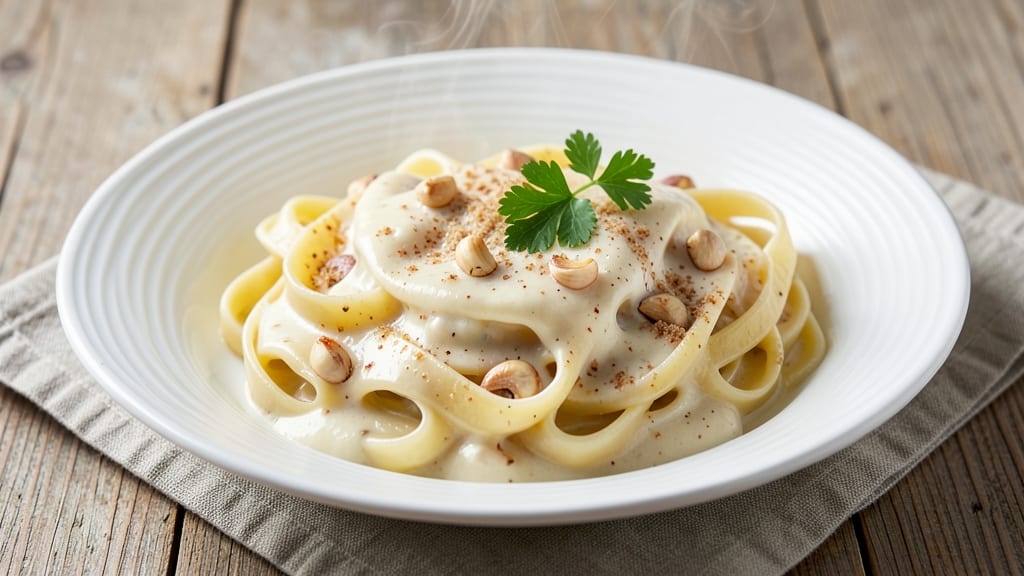
This Alfredo sauce recipe like the one from Olive Garden delivers signature creamy, velvety perfection in just 15 minutes—no secret ingredients, just precise technique. The key lies in balancing rich butter and heavy cream with freshly grated Parmesan, creating a sauce so smooth it clings to every strand of fettuccine.
I've refined this version after years of testing, ensuring it's foolproof for home cooks while maintaining restaurant-quality depth.
The foundation starts with a simple roux of butter and flour, cooked until golden to form the sauce's backbone. Heavy cream adds luxurious body, while garlic and onion powder provide subtle savory notes that elevate the Parmesan's nutty richness.
What sets this apart is the two-stage cheese addition—first a small amount to stabilize the sauce, then the rest later to prevent curdling. The result? A sauce that's impossibly creamy yet light enough to coat pasta without weighing it down.
By the time you're done, you'll have a sauce so velvety it practically melts in your mouth, with just the right balance of tangy Parmesan and buttery richness. The texture is smooth yet substantial, clinging to noodles without turning gluey.
This is the kind of sauce that transforms simple fettuccine into an indulgent meal—perfect for weeknight dinners or special occasions when you crave that familiar comfort.
For those watching calories, a lighter version swaps half the cream for chicken broth, while a vegan adaptation uses cashew cream and nutritional yeast. The original, however, delivers that unmistakable Olive Garden experience—creamy, cheesy, and utterly satisfying. Let's make it.
Ingredients for alfredo sauce recipe like olive garden
Nine simple ingredients transform into Olive Garden's legendary creamy Alfredo sauce.
| Ingredient | Amount | Notes |
|---|---|---|
| Unsalted Butter 🧈 | ¾ cup | Cold, cubed for even cooking |
| All-Purpose Flour 🌾 | ½ cup | Sifted for smooth roux |
| Heavy Cream 🥛 | 2 cups | Full-fat for richness |
| Freshly Grated Parmesan Cheese 🧀 | 2 cups | Block, not pre-grated |
| Garlic Cloves 🧄 | 4 cloves | Minced, not powdered |
| Onion Powder 🧅 | 1 tsp | Diamond Crystal preferred |
| Ground Black Pepper 🌶️ | ½ tsp | Freshly cracked |
| Kosher Salt 🧂 | 1 tsp | Adjust to taste |
| Whole Milk 🥛 | ¼ cup | For thinning if needed |
The butter and flour form the sauce's backbone—cook them until golden for that nutty depth. European-style butter from Plugrá or Land O'Lakes works best, but any good-quality brand will do. The Parmesan is non-negotiable: Parmigiano-Reggiano from a wedge, freshly grated, gives that authentic umami punch. I always grab extra since it keeps for months in the freezer. For the garlic, fresh is essential—minced just before adding to prevent bitterness. The onion powder might seem minor, but it rounds out the flavor beautifully.
No heavy cream? Full-fat coconut milk works in a pinch, though texture will differ slightly. Short on Parmesan? Pecorino Romano at half the amount adds a sharper edge. The milk is just for thinning if needed—skip it entirely if your sauce is already silky. Freshly cracked black pepper is worth the extra 30 seconds over pre-ground. For a lighter version, replace 1 cup of cream with chicken broth—the sauce stays creamy but with fewer calories. The two-stage cheese addition is key: start with 1/4 cup to stabilize, then add the rest later to prevent curdling.
This sauce reheats beautifully—just add a splash of milk or cream to restore creaminess. Keeps for 5 days in the fridge, 3 months frozen. For freezing, portion into ice cube trays, then transfer to a bag. Thaw overnight in the fridge before using. Leftovers? Toss with cooked pasta or use as a creamy dip for breadsticks. The flavor actually improves after resting for an hour, as everything melds together perfectly.
Why You'll Love This Recipe
- No-Fuss Roux: I swear by this method—just melt butter, whisk in flour, and let it cook until it smells like a restaurant kitchen. No fancy techniques, no stress, just that golden base that makes everything taste like you put in effort (even if you didn’t).
- Garlic-Parmesan Magic: That moment when you toss in minced garlic and freshly grated Parmesan? The sauce transforms from creamy to ridiculously rich. Honestly, the flour-butter roux is the secret—it thickens perfectly without ever getting lumpy, and the Parmesan adds that salty, umami depth Olive Garden nails so well.
- Weeknight to Dinner Party: Make a double batch on a Tuesday and freeze half—thaw it later for pasta, toss it with chicken, or even drizzle it over roasted veggies. (Yes, even on a Tuesday night.) It’s the kind of sauce that works for lazy takeout vibes and when you’re trying to impress your in-laws.
- Budget-Friendly Luxury: Heavy cream and Parmesan might sound fancy, but this recipe stretches further than you’d think. A stick of butter, a bag of flour, and a wedge of cheese go a long way—plus, the leftovers reheat like a dream. Between us, this is how I feed my family well without breaking the bank.
Step-by-step instructions for creamy Parmesan Alfredo sauce
Here's how to make restaurant-quality Alfredo sauce that's velvety, rich, and packed with cheesy goodness.
Create a Smooth Roux with Butter and Flour
Melt the 0.75 cup unsalted butter in a medium saucepan over medium-low heat. I like to use cold, cubed butter so it melts evenly without burning. Once fully melted and foaming subsides, whisk in the 0.5 cup all-purpose flour all at once. This creates a roux that will form the thick, creamy base of your sauce.
Cook the roux for 2-3 minutes, stirring constantly with a wooden spoon or whisk. You're looking for a color change from pale to a light golden brown—this indicates the raw flour flavor has cooked off. If it browns too quickly, reduce the heat slightly. The roux should smell nutty and toasty, not burnt. This step is crucial because an undercooked roux will taste floury, while an overcooked one can turn bitter.
Gradually Add the Heavy Cream
Slowly pour in the 2 cups heavy cream while whisking continuously to prevent lumps from forming. I add it gradually—about ¼ cup at a time—to ensure each addition blends smoothly into the roux. Once all the cream is incorporated, increase the heat to medium-low and let the mixture simmer gently for 5-7 minutes. You'll notice the sauce begin to thicken as it cooks.
Stir frequently to prevent sticking and to distribute the heat evenly. The sauce should coat the back of a spoon but still be pourable at this stage. If it thickens too quickly, you can thin it later with the 0.25 cup whole milk, but it's better to keep it slightly thinner now so it doesn't become gluey when we add the cheese. Here's where the magic happens—the cream's natural fats begin to emulsify with the roux, creating that signature creamy texture.
Incorporate the Garlic and Seasonings
Add the 4 cloves minced garlic, 1 tsp onion powder, 0.5 tsp ground black pepper, and 1 tsp kosher salt to the simmering sauce. Stir well to combine and let it cook for 1-2 minutes until the garlic is fragrant but not browned—this prevents bitterness. The aroma should fill your kitchen with a rich, savory scent. This is the moment that matters: the garlic and seasonings meld into the sauce, creating a flavor foundation that will carry through to the end.
Taste the sauce at this point. It should be seasoned but still need the cheese. If it tastes bland, add a pinch more salt or a dash of pepper. If it's too acidic, a small pinch of sugar can help balance the flavors. The sauce should be smooth, slightly thickened, and ready for the cheesy finale.
Add the Parmesan Cheese for Maximum Richness
Reduce the heat to low and gradually sprinkle in the 2 cups freshly grated Parmesan cheese. I use a fine-mesh grater to get the most surface area possible, which helps the cheese melt more smoothly. Stir constantly as you add it—this prevents clumping and ensures even distribution. The cheese will begin to melt almost immediately, creating a thick, luxurious sauce.
Let the sauce simmer for 3-5 minutes on low heat, stirring occasionally. You're looking for a velvety, glossy consistency that coats the back of a spoon. If the sauce becomes too thick, whisk in the 0.25 cup whole milk a little at a time until it reaches your desired consistency. The key here is patience—rushing can cause the cheese to separate or create a grainy texture. The sauce should be smooth, rich, and ready to coat your favorite pasta perfectly.
Adjust and Serve Immediately
Taste the sauce one final time and adjust the seasoning if needed. It should be creamy, rich, and perfectly balanced with a sharp cheesy flavor. If it's too thick, add a splash more milk. If it's too thin, let it simmer uncovered for another minute or two to reduce slightly. The sauce should cling to the back of a spoon but still be pourable enough to coat pasta beautifully.
Serve the sauce immediately over your favorite pasta, such as fettuccine or penne. The heat from the pasta will help it cling perfectly, creating that classic Alfredo look and texture. Leftovers can be stored in the refrigerator for up to 3 days, but I find it's best enjoyed fresh. This sauce is all about that creamy, cheesy goodness—so don't wait too long to serve it up!
Pro Tips For Making Alfredo Sauce Recipe Like Olive Garden
- STOP COOKING THE GARLIC: Olive Garden’s sauce doesn’t taste like raw garlic—it’s subtle. Sauté those cloves for 30 seconds max at medium heat until they’re just fragrant, then remove them. Overcooking turns them bitter, and you’ll taste it in every bite.
- USE COLD BUTTER, NOT MELTED: I learned this the hard way—adding softened butter to the flour makes a greasy mess. Cut that cold butter into the flour first, then cook it slowly. This creates a proper roux that won’t seize up when you add the cream.
- WHISK IN THE CREAM SLOWLY: Pouring heavy cream too fast into the roux causes lumps. Start with a ladle, whisking constantly, then let it simmer until it thickens. If it splits, stir in a splash of cold cream to smooth it out—no one wants grainy Alfredo.
- GARLIC PRESS > MINCED GARLIC: Freshly pressed garlic burns faster, but minced garlic? It releases oils that can scorch. Use a press for even distribution, and if you’re nervous, peel and smash the cloves with the flat side of your knife first. Less mess, more flavor.
Troubleshooting great alfredo sauce recipe like olive garden
Grainy Texture Fix
If your sauce ends up grainy after adding Parmesan, you likely added the cheese too quickly. The solution? Strain it immediately through a fine-mesh sieve into a clean saucepan. For future batches, melt the cheese into the warm sauce gradually while whisking constantly—this prevents clumping.
If you don’t have a sieve, blend the sauce briefly with an immersion blender until smooth. 💡
Sauce Too Thin?
When the sauce separates or becomes watery after adding cheese, simmer it uncovered for 2-3 extra minutes to reduce excess moisture. For quick fixes, whisk in 1 tablespoon cornstarch mixed with 1 tablespoon cold water until thickened.
Avoid over-simmering—this can make the sauce gluey. I’ve found that low and slow is key; rushing leads to separation.
Lumpy Roux Problem
Lumps in your roux? You likely added flour too fast or didn’t whisk enough. Prevent it by whisking vigorously while cooking the butter and flour. If lumps appear, blend the roux with an immersion blender for 10-15 seconds before adding cream.
For next time, try sifting the flour first—this breaks up clumps before they form. 🔥
Cheese Separation
If your sauce splits into buttery and cheesy layers, it’s overheating. Cool it slightly by removing from heat for 1-2 minutes, then whisk vigorously to re-emulsify. To prevent this, always add cheese off low heat and stir constantly.
A splash of cold milk can also help rebind the sauce. Pro tip: Keep the sauce at 170°F or below—higher temps break emulsions.
Buttery Flavor Overpowering
Too much butter taste? You likely didn’t cook the roux long enough to develop nutty depth. Fix it by simmering the roux 1-2 extra minutes until golden brown. For future batches, balance flavors by adding 1 extra teaspoon of onion powder—it rounds out the richness.
If the sauce still tastes buttery, a pinch of lemon zest or white wine can brighten the profile. 💛
Storage Issues
Sauce turning grainy after refrigerating? It’s absorbing moisture. Store it in an airtight container with a layer of plastic wrap pressed directly on the surface to prevent skin formation. To reheat, warm over low heat while whisking constantly.
For freezing, portion into ice cube trays, then transfer to a bag—this makes thawing easier. Never freeze without portioning; large blocks of sauce separate when thawed.
Nutrition facts
Frequently asked questions
Why does Olive Garden's Alfredo sauce taste so rich?
The secret lies in the perfect balance of butter, heavy cream, and freshly grated Parmesan. Olive Garden's version uses full-fat dairy for maximum richness, plus a two-stage cheese addition that creates a velvety texture without curdling. The slow-cooked roux develops nutty depth that enhances the cheesy flavor—something homemade versions often miss.
Can I make this sauce without heavy cream?
Yes! For a lighter version, replace 1 cup of heavy cream with 1 cup whole milk or chicken broth. The sauce will still be creamy but with fewer calories. For a dairy-free option, use full-fat coconut milk (though texture will differ slightly) or a cashew cream made from soaked cashews blended with water. The key is maintaining the same liquid-to-flour ratio.
What's the best way to prevent grainy Alfredo sauce?
Add cheese gradually while whisking constantly over low heat. For extra smoothness, strain the finished sauce through a fine-mesh sieve. If you don't have one, blend briefly with an immersion blender. The two-stage cheese method (adding a small amount first to stabilize) also helps prevent clumping. Never let the sauce boil after adding cheese.
How do I know when my roux is ready?
Your roux is perfect when it turns a light golden brown (about 2-3 minutes of cooking) and smells nutty, not burnt. It should coat the back of a spoon but still be pourable. If it darkens too quickly, reduce the heat—an overcooked roux will taste bitter. The golden color indicates the raw flour flavor has cooked off completely.
Can I make this sauce ahead of time?
Store leftovers in an airtight container for up to 5 days in the fridge. For freezing, portion into ice cube trays, then transfer to a bag. Thaw overnight in the fridge and reheat gently over low heat while whisking constantly. The sauce actually improves after resting for 1 hour as flavors meld together.