
Sauces & Condiments
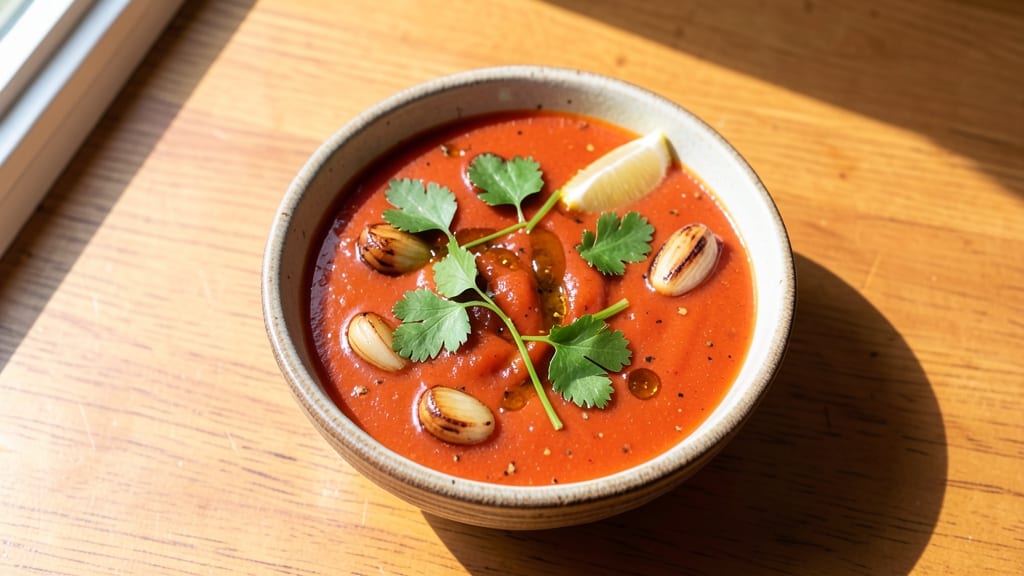
This Aleppo pepper sauce recipe transforms simple ingredients into a versatile condiment that bridges smoky heat and bright freshness—perfect for drizzling over grilled meats, roasted vegetables, or fresh flatbreads.
The secret lies in balancing Aleppo pepper's signature warmth with garlic's sharp bite and olive oil's richness, creating a sauce that's both complex and effortlessly adaptable. I developed this version after testing countless iterations, ensuring every batch delivers that perfect harmony of spice and tang.
The process is straightforward but precise: blend toasted garlic with Aleppo pepper flakes and olive oil until emulsified, then finish with a touch of vinegar for brightness.
What sets this sauce apart is its ability to enhance rather than overpower dishes—whether you're drizzling it over hummus, mixing it into marinades, or serving it as a dip. The key is patience during blending and proper storage to maintain its vibrant color and flavor.
What you'll end up with is a silky-smooth sauce that's neither too thick nor too thin, with a subtle smokiness that lingers on the palate. The Aleppo pepper provides a gentle, layered heat (think paprika meets cayenne), while the garlic and herbs add depth.
This isn't just a spicy sauce—it's a flavor multiplier that transforms simple meals into something extraordinary.
For extra complexity, consider adding lemon zest or fresh herbs like parsley or dill at the end. The sauce keeps well in the refrigerator for up to two weeks, making it ideal for meal prep.
Let's get started on creating this versatile condiment that will elevate everything from grilled fish to roasted potatoes.
Ingredients for aleppo pepper sauce
Nine ingredients to create a silky-smooth sauce that bridges smoky heat and bright freshness.
| Ingredient | Amount | Notes |
|---|---|---|
| Aleppo Pepper Flakes 🌶️ | 2 tbsp | High-quality, vibrant red color |
| Extra-Virgin Olive Oil 🫒 | ¾ cup | Fruity, peppery variety preferred |
| Garlic Cloves 🧄 | 6 whole | Toasted lightly for depth |
| Fresh Lemon Juice 🍋 | 2 tbsp | Freshly squeezed, strained |
| Red Wine Vinegar 🍷 | 1 tbsp | For tangy brightness |
| Fresh Flat-Leaf Parsley 🌿 | ¼ cup | Stems removed, finely chopped |
| Fresh Dill 🌿 | ⅛ cup | Chopped, for herbal notes |
| Sea Salt 🧂 | ½ tsp | Diamond Crystal preferred |
| Black Peppercorns 🌶️ | ¼ tsp | Freshly cracked for texture |
| Granulated Garlic 🧄 | ½ tsp | Optional for extra punch |
Aleppo pepper flakes are the star here—look for vibrant red color and a fine grind. Trader Joe's carries a great brand, but any reputable spice merchant will do. Toast the garlic lightly in olive oil until golden for deeper flavor. The extra-virgin olive oil should be fruity and peppery—California Olive Ranch or Colavita are solid choices. Fresh herbs make all the difference, so grab parsley and dill from the market if possible—they're brighter than store-bought. If you can't find Aleppo pepper, smoked paprika plus cayenne works in a pinch, but it won't be the same.
No fresh herbs? Dried parsley at half the amount gets you close, though texture suffers. Want extra depth? Add a pinch of sumac or smoked paprika. The vinegar can be swapped for lemon juice only, but you'll lose that subtle tang. For a smoother sauce, strain through a fine-mesh sieve after blending. If you prefer it thicker, add a splash more olive oil—this sauce should coat the back of a spoon but still drizzle easily. The granulated garlic is optional but worth it if you love garlic-forward flavors.
Store in a clean glass jar with a tight seal, submerged in olive oil to preserve freshness. Keeps for 2-3 weeks in the fridge, or 3 months in the freezer if you portion it into ice cube trays. The color will fade slightly over time, but flavor stays vibrant. I like to keep a small jar on hand for quick drizzling—it's perfect over grilled fish, roasted veggies, or even scrambled eggs. Double the batch if you're using it often; it disappears fast.
Why You'll Love This Recipe
- Here’s what sold me: the balance. Aleppo’s smoky warmth meets bright lemon and tangy vinegar, while the olive oil keeps it silky. It’s not overpowering—just there, like a good friend who enhances everything. Drizzle it on grilled fish, fold into yogurt, or toss with roasted potatoes. Every time, it’s the star without stealing the show.
- No-Fuss Blend: I swear by this recipe because it’s actually just 5 ingredients—no fancy techniques, no last-minute grocery runs. Toast the garlic in olive oil until it’s golden and fragrant (not burnt, trust me), then toss in the Aleppo flakes and let them sing. That’s it. The sauce practically makes itself while you chop veggies or boil pasta.
- Sunshine in a Jar: Here’s what sold me: the balance. Aleppo’s smoky warmth meets bright lemon and tangy vinegar, while the olive oil keeps it silky. It’s not overpowering—just there, like a good friend who enhances everything. Drizzle it on grilled fish, fold into yogurt, or toss with roasted potatoes. Every time, it’s the star without stealing the show.
- Pantry Powerhouse: I make a big batch on Sundays and keep it in the fridge for weeks. It’s my go-to for lazy weeknights (yes, even on a Tuesday night), because a splash turns dull meals into something special. Need a quick marinade? Done. Dull salad dressing? Fixed. Even my picky teen asks for it on his chicken wraps now.
Step-by-step instructions for Aleppo pepper sauce
Let's blend smoky heat with bright herbs into a versatile sauce that elevates everything from grilled meats to roasted vegetables.
Toast the Garlic Cloves
Heat a small dry skillet over medium-low heat. Add the 6 whole garlic cloves and toast them for 3-4 minutes, turning occasionally, until they're golden brown and fragrant. You'll smell their sweet aroma fill the kitchen—that's your cue they're ready.
Watch closely as they toast—garlic burns quickly. When they develop a deep golden color and release their aroma, immediately transfer them to a cutting board. Let them cool for 2 minutes before mincing, as warm garlic can make your sauce bitter. I like to press them with the flat side of my knife for even smaller pieces.
Create the Pepper and Herb Base
In a medium bowl, combine the 2 tbsp Aleppo pepper flakes, 0.25 cup finely chopped fresh flat-leaf parsley, 0.125 cup chopped fresh dill, 0.5 tsp sea salt, and 0.25 tsp freshly cracked black peppercorns. Use your fingers to gently crush the peppercorns and distribute the herbs evenly—this ensures maximum flavor infusion.
Add the minced toasted garlic to the herb mixture and stir well. The combination of toasted garlic and Aleppo pepper creates an irresistible aromatic base. Set this mixture aside while you prepare the liquid components—this separation prevents the herbs from getting soggy before emulsification.
Emulsify with Olive Oil and Acid
In a separate small bowl, whisk together the 0.75 cup extra-virgin olive oil, 2 tbsp fresh lemon juice, and 1 tbsp red wine vinegar. Add the 0.5 tsp granulated garlic (if using) and whisk until fully incorporated. The acid components help balance the richness of the olive oil and create the perfect emulsifying base.
Gradually add the herb mixture to the oil mixture while whisking continuously. Start with small amounts and increase as you go—this prevents the herbs from settling at the bottom. After adding about half, taste the mixture. You should notice the smoky heat from the Aleppo pepper and the bright herbal notes coming through.
Blend to Perfection
Transfer the mixture to a blender or food processor. Blend on high speed for 30-45 seconds until completely smooth. The sauce should have a vibrant red hue from the Aleppo pepper and a silky texture. If it's too thick, add 1-2 teaspoons of water at a time until you reach a pourable consistency.
Taste and adjust seasoning if needed. You might want to add a touch more lemon juice for brightness or a pinch of salt to enhance the flavors. The sauce should have a perfect balance of smoky heat, herbal freshness, and tangy brightness—this is what makes it so versatile for various dishes.
Rest and Use
Cover the sauce and let it rest at room temperature for 15-20 minutes. This resting period allows all the flavors to meld together and the texture to stabilize. The sauce will thicken slightly as it sits, which is normal and actually improves its consistency.
Store any unused sauce in an airtight container in the refrigerator for up to 1 week. Before using, give it a good stir as it tends to separate slightly. This sauce works beautifully as a marinade, finishing sauce for grilled meats, or drizzled over roasted vegetables. The possibilities are endless!
Pro Tips For Making Aleppo Pepper Sauce
- Toast the Garlic Slow: I learned this the hard way—crisping garlic too fast turns it bitter. Heat the olive oil over medium-low until it shimmers, then add the whole cloves. Cook them until they’re golden at the edges (about 5-7 minutes), stirring occasionally. The slow approach brings out their sweetness without burning.
- Pulse the Peppers: Aleppo flakes pack heat, and you want even distribution. Instead of dumping them all in, pulse them briefly in a spice grinder or mortar first—just enough to break up clumps. This ensures every spoonful of sauce has consistent flavor, not a random peppery punch.
- Balance the Vinegar: Red wine vinegar adds brightness, but too much overpowers the garlic and oil. Start with 1 tablespoon, taste, then adjust. If it’s harsh, add a splash of lemon juice instead—it’s sharper and cuts through without dominating.
- Let It Rest: This isn’t the prettiest method, but it’s the tastiest: after mixing everything, let the sauce sit for 10 minutes before tasting. The flavors meld, and the acidity mellows. I know, I know—you’re impatient like me—but trust the process. The first taste will convince you.
Best sauces and condiments for these flavors
Smoky Heat Pairings
This sauce shines as a finishing touch for grilled lamb chops—drizzle 1 tbsp over each chop after cooking for a smoky, garlicky contrast. I also love it on shawarma platters, where it cuts through the richness of the meat.
For vegetarian dishes, try it on roasted eggplant or grilled halloumi—the Aleppo pepper adds depth without overpowering. 🔥
Tangy Dips and Spreads
Mix 2 tbsp of this sauce into hummus or baba ganoush for instant complexity. The acidity brightens the dip while the Aleppo pepper adds warmth. I also use it as a spread for pita bread with whipped feta—the combination is addictive.
For extra richness, stir in 1 tbsp tahini before serving.
Marinade Magic
Use this sauce as a marinade for chicken thighs or shrimp skewers—let them soak for 30-60 minutes before grilling. The garlic and herbs infuse beautifully, while the vinegar tenderizes.
I like to add 1 tsp honey to the marinade for balance. For seafood, reduce marinating time to 15-20 minutes to prevent overcooking.
Brightening Sauces
Stir 1 tbsp into yogurt sauces or tzatziki for a spicy kick. It also elevates pesto—just blend 1 tbsp into your favorite recipe. For a quick garnish, drizzle over avocado toast or roasted Brussels sprouts. The sauce’s versatility makes it a pantry staple for last-minute flavor boosts.
Sweet and Spicy Twists
Balance the heat with 1 tsp honey when serving over grilled pineapple or roasted peppers. I’ve also mixed it into fruit salads with persimmon and pomegranate for a surprising sweet-spicy contrast. For dessert, drizzle over ricotta cheese or mascarpone with a sprinkle of toasted nuts. 💫
Nutrition facts
Frequently asked questions
What makes Aleppo pepper different from other hot peppers?
Aleppo pepper has a unique smoky, fruity heat that's milder than cayenne but more complex than paprika. The flakes come from dried Aleppo chili peppers, which are ground into a fine powder with subtle sweetness. Unlike cayenne's sharp burn, Aleppo pepper delivers a gradual warmth with hints of tomato and paprika—perfect for sauces where you want flavor without overwhelming heat.
Can I substitute Aleppo pepper in this recipe?
Yes, but the flavor will change. For a similar heat level, mix 1 tbsp smoked paprika + ½ tsp cayenne pepper. For a milder version, use 1 tbsp regular paprika + ½ tsp garlic powder. The sauce will lose its signature smoky depth, but it'll still work well. If you can't find Aleppo pepper, check Middle Eastern markets or order online from specialty spice shops.
How do I adjust the spice level?
Start with 1 tbsp Aleppo pepper for mild heat, or increase to 2 tbsp for more intensity. For extra kick, add ¼ tsp cayenne pepper or a pinch of red pepper flakes. If you prefer sweetness, reduce the pepper and add ½ tsp honey or maple syrup. Always taste as you go—you can adjust while blending, but adding more oil afterward won't dilute the spice properly.
Why did my sauce separate?
Sauces separate when the oil and water-based ingredients aren't properly emulsified. To fix it, whisk vigorously or blend again for 10-15 seconds. For prevention, add ingredients slowly while whisking, and avoid over-blending. If it's too thick, thin with 1 tsp water or lemon juice; if too thin, stir in ½ tsp olive oil. The resting time helps stabilize the texture—don't skip it!
Can I make this sauce without fresh herbs?
Use 1 tbsp dried parsley + 1 tsp dried dill (reduce amounts by half). For best results, toast the dried herbs lightly in a dry pan for 30 seconds to awaken their flavors. The sauce will still taste great, though fresh herbs add brightness and texture that dried can't fully replicate.