
Sauces & Condiments
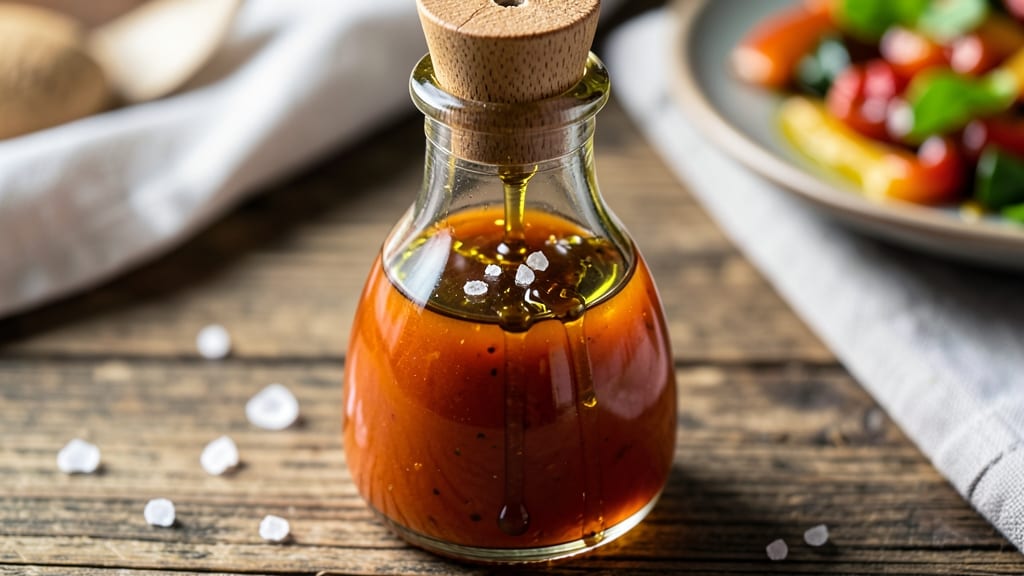
This Aleppo pepper hot sauce delivers the perfect balance of fiery heat and complex smokiness—just three ingredients transform your kitchen into a Middle Eastern spice hub.
The secret lies in blending Aleppo's signature fruity warmth with acidity and sweetness, creating a sauce that enhances everything from grilled meats to roasted vegetables. Unlike store-bought versions, this recipe builds flavor through slow reduction, resulting in a smooth, well-rounded heat that lingers without overwhelming.
The process begins with fresh Aleppo peppers, which develop their signature depth when cooked down with vinegar and sweetener. This combination creates a sauce that's both vibrant and versatile—bright enough to cut through rich dishes while adding subtle complexity.
The reduction time is critical; it allows the peppers to soften and release their natural oils, creating a velvety texture that coats every bite.
What you'll end up with is a vegan-friendly sauce that's perfect for drizzling over pizzas, mixing into marinades, or serving as a bold dipping companion. The heat level is medium-high, with a lingering warmth rather than an immediate burn, making it ideal for those who love flavor without extreme intensity.
This sauce keeps beautifully in the refrigerator for up to two weeks, allowing you to enjoy homemade heat whenever you need it.
Pair it with grilled lamb, roasted potatoes, or even as a finishing touch for fresh flatbreads. The possibilities are endless, and the process couldn't be simpler—just three ingredients, a little patience, and you'll have a sauce that rivals anything you'd find on a specialty shelf.
Let's get started on creating this fiery depth in your kitchen.
Ingredients for aleppo pepper hot sauce
Three ingredients transform simple pantry staples into Middle Eastern-inspired fiery depth.
| Ingredient | Amount | Notes |
|---|---|---|
| Fresh Aleppo Peppers 🌶️ | ½ cup | Stems and seeds removed |
| Apple Cider Vinegar 🍎 | 1 cup | Raw, unfiltered preferred |
| Maple Syrup 🍁 | ¼ cup | Grade B for depth |
| Sea Salt 🧂 | ½ tsp | Diamond Crystal preferred |
| Extra-Virgin Olive Oil 🫒 | 1 tbsp | For finishing, high quality |
Fresh Aleppo peppers are the star—look for vibrant red, slightly wrinkled pods at Middle Eastern markets or well-stocked grocery stores. Penzeys Spices sells them online if local options are limited. The vinegar should be raw and unfiltered for complexity, like Bragg or Mott's. Maple syrup isn't just sweetness—Grade B adds molasses notes that balance the heat beautifully. Skip the pre-ground spices; whole peppers develop deeper flavor when cooked down. If you can't find Aleppo, red pepper flakes at half the amount work in a pinch, but you'll lose that signature fruity warmth.
No maple syrup? Date syrup or agave nectar are perfect substitutes—they maintain the sauce's natural sweetness without altering the reduction process. The vinegar is non-negotiable for acidity, but white wine vinegar in a 1:1 ratio works if you're out. For extra depth, add 1 tsp smoked paprika during reduction. The olive oil finishing touch isn't just for texture—it carries the heat and adds richness. Store-bought hot sauces can't compete with this fresh, balanced heat that builds gradually rather than hitting you all at once.
This sauce develops better with time—wait 24 hours before using to let flavors meld completely. Keeps in the fridge for up to 2 weeks in a sealed jar, or 6 months frozen in ice cube trays for portion control. The reduction process concentrates the flavors, so you'll end up with about 1 cup—perfect for drizzling, not drowning. Double the batch if you're planning to gift it; this sauce disappears fast once people taste it.
Why You'll Love This Recipe
- Five-Ingredient Magic: The pantry’s already stocked—no special shopping trips. Just chop peppers, mix, and let time do the work. That’s it. No blenders, no fancy tools, just you and a jar.
- Sweet Heat Balance: Here’s what sold me—the maple syrup and vinegar team up to tame the Aleppo’s bite while keeping that fruity, smoky punch. It’s the kind of heat you’ll reach for again and again, not flinch from.
- Weeknight Game-Changer: Drizzle it on eggs, toss in soups, or keep a bottle in the fridge for last-minute flavor boosts. Honestly, I’ve used it on everything from grilled chicken to buttered toast—it just works.
- Lasts for Months: Make a big batch—it keeps for ages in the fridge. Between us, I’ve had a jar sitting since summer, and it’s still vibrant. Budget-friendly? Absolutely. Waste-free? Even better.
Step-by-step instructions for Aleppo pepper hot sauce
Here's how to craft a vibrant, balanced hot sauce with complex heat and sweetness—no blender required.
Prepare the Fresh Aleppo Peppers
Start by removing stems and seeds from the 0.5 cup fresh Aleppo peppers, then slice them into ¼-inch thick strips. I like to work with a sharp chef's knife for clean cuts—this ensures even cooking and prevents any bitter stems from slipping into the sauce. For extra safety, wear kitchen gloves if you're sensitive to capsaicin, the compound that gives peppers their heat.
Spread the sliced peppers on a cutting board and let them sit uncovered for 10 minutes. This brief drying period helps mellow their raw intensity slightly. You'll notice their edges starting to soften just a bit—this is your cue they're ready for the next step. If you're using particularly fresh peppers, this resting time makes a noticeable difference in the final flavor balance.
Simmer the Peppers in Vinegar
In a medium saucepan, combine the prepared peppers with the 1 cup apple cider vinegar and 0.5 teaspoon sea salt. Bring the mixture to a gentle boil over medium-high heat, then immediately reduce to medium-low heat and let it simmer uncovered for 15 minutes. You'll see the peppers soften and sink, releasing their vibrant red color into the vinegar.
Here's the thing—don't walk away. The vinegar should reduce slightly but not evaporate completely, and you want to see the peppers turn translucent at the edges. If the mixture starts to bubble too vigorously, adjust the heat to maintain a steady simmer. This step extracts all the pepper's fruity depth and heat without overcooking the delicate flavors.
Add Sweetness and Finish
After the peppers have softened, remove the pan from heat and let it cool for 5 minutes. This cooling period prevents a sudden temperature shock when you add the 0.25 cup maple syrup. Stir in the syrup until fully dissolved, then return the pan to low heat and simmer for another 5 minutes to blend the flavors completely.
For the final touch, stir in the 1 tablespoon extra-virgin olive oil while the mixture is still warm. This creates a silky texture that coats the back of your throat beautifully. Let the sauce cool to room temperature—this resting period allows all the components to marry together. You'll notice the heat mellow slightly while the sweetness becomes more pronounced, creating that perfect balance of fire and fruit.
Strain and Store
Line a fine-mesh strainer with cheesecloth or a coffee filter, then carefully pour the cooled sauce through it. Press gently on the peppers to extract every last drop of flavor—this is where you get that intense, concentrated heat. Discard the pepper solids and transfer the strained sauce to a clean glass jar.
Let the sauce sit at room temperature for 24 hours before using. This resting period allows the flavors to fully develop and mellow. The sauce will keep in the refrigerator for up to 3 months, though I find it reaches peak flavor after about 2 weeks. The color will deepen from bright red to a rich, ruby hue—this is your sign the flavors have perfectly melded.
Pro Tips For Making Aleppo Pepper Hot Sauce
- CHAR THE PEPPERS LOW: I learned this the hard way—frying Aleppo peppers over high heat turns them bitter and smoky. Instead, use a medium-low flame and stir constantly; you’re aiming for a soft, jammy texture, not crispy edges. A splash of vinegar in the pan helps dissolve the heat while you work.
- STRAIN THE SEEDS FIRST: Aleppo peppers have tiny seeds that turn your sauce grainy. Hold each pepper over a bowl and tap it firmly with your knuckles—seeds will drop out like magic. No bowl? Use your palm, but wipe it clean afterward or you’ll be picking pepper bits out of your sauce.
- SALT THE VINEGAR: Skip salting the peppers alone; the vinegar needs flavor too. Add ½ teaspoon of sea salt directly to the apple cider vinegar while heating it—it dissolves completely and balances the acidity. Trust me, your taste buds will notice the difference.
- LET IT REST 24 HOURS: Patience here makes all the difference. Pour the hot sauce into a clean jar and let it sit at room temperature overnight. The flavors meld, the heat mellows, and any sharpness softens. I know, I know—you want to eat it now—but waiting turns good sauce into great sauce.
Pro cooking tips for great aleppo pepper hot sauce
Heat Control Secrets
Aleppo peppers deliver a medium-high heat with fruity depth, but the key to balancing it lies in the reduction process. Simmer the peppers in vinegar for exactly 15 minutes—any longer risks burning the delicate flavors.
I find using a medium-low flame (around 300°F) prevents scorching while extracting maximum color and heat. For extra control, place a sugar cube in the pan during simmering—it caramelizes slightly, adding natural sweetness without altering the process. 🌶️
Vinegar Selection Matters
Apple cider vinegar provides the best balance of acidity and complexity, but don’t substitute just any vinegar. Raw, unfiltered vinegar (like Bragg) contains the "mother" culture, which adds subtle tangy depth. If using white wine vinegar, reduce it by 10%—it’s sharper and can overpower the peppers.
For a smoky twist, add ½ teaspoon smoked paprika during the final 5-minute simmer with the maple syrup. This works especially well with grilled meats.
Texture Mastery
The olive oil finishing isn’t just for richness—it emulsifies the sauce for a silky mouthfeel. Add it off-heat to prevent separation, then stir gently to incorporate. For an ultra-smooth texture, blend the strained sauce with an immersion blender for 10 seconds before storing.
I’ve found this step makes a noticeable difference when drizzling over delicate dishes like tzatziki or hummus. Store the sauce in a glass jar—plastic can absorb the pepper oils over time, dulling the flavor.
Flavor Development Timeline
Patience is key—24 hours of resting at room temperature lets the heat mellow while the sweetness intensifies. The sauce will deepen in color from bright red to a ruby hue, signaling peak flavor.
If you’re short on time, refrigerate it for at least 6 hours before using, but don’t rush it. The first batch I made without resting had a harsh edge that disappeared completely after 24 hours.
Pro tip: Label your jar with the date—this sauce hits its sweet spot 7-10 days after making.
Scaling Up Safely
Doubling the recipe? Use a larger, wider pan to maintain even heat distribution. The sauce reduces significantly, so plan for about ½ cup yield per original batch. For large batches, divide the strained sauce into smaller jars (like 4-ounce portions) to prevent mold growth.
Freeze extras in ice cube trays for portion control—thaw overnight in the fridge before using. I’ve made gallon batches for gifts, but they require careful monitoring to avoid over-reduction.
Troubleshooting Common Issues
If your sauce tastes too sharp, it needs more sweetener—add 1 extra tablespoon maple syrup and simmer for 5 more minutes. For muted heat, increase the pepper quantity to ⅔ cup and extend the simmer to 20 minutes. Cloudy sauce?
Strain again through double-layered cheesecloth for crystal clarity. And if the heat feels too intense, blend in 1 teaspoon honey to mellow the capsaicin’s bite. Trust me, these adjustments make all the difference between a good sauce and a great one. 💡
Nutrition facts
Frequently asked questions
Can I use dried Aleppo peppers instead of fresh?
For fresh peppers, use 0.5 cup—for dried, reduce to 1 teaspoon (about 10% of the fresh amount). Soak dried peppers in warm water for 10 minutes before using to rehydrate them. The flavor will be concentrated, so start with less if you're sensitive to heat.
How do I adjust the heat level?
The recipe yields medium-high heat, but you can control it easily. For milder sauce, reduce peppers to ⅓ cup or add 1 extra tablespoon maple syrup at the end. For extra heat, increase peppers to ⅔ cup and simmer 5 minutes longer. Always taste before straining!
What's the best way to store homemade hot sauce?
Store in a sterilized glass jar in the fridge for up to 3 months, or freeze in ice cube trays for 6 months. The sauce thickens when cold—stir before using. For gifting, use 4-ounce amber glass bottles to protect from light. Label with the date—peak flavor develops after 7-10 days!
Can I make this sauce without vinegar?
Vinegar is essential for preservation and acidity, but you could substitute with lemon juice (reduce by 10%) or white wine. However, the sauce won't keep as long—use within 1 week refrigerated. The flavor will be brighter but less complex. For fermented versions, try 1 cup apple cider vinegar + 1 tsp salt for a tangier profile.
What dishes pair best with this sauce?
This sauce shines on grilled meats, roasted vegetables, and flatbreads. Drizzle over tzatziki, mix into marinades, or use as a dip for crudités. The fruity heat cuts through rich dishes like lamb kebabs or creamy pastas. For desserts, try a tiny drizzle on dark chocolate—the sweetness balances beautifully!