
Sauces & Condiments
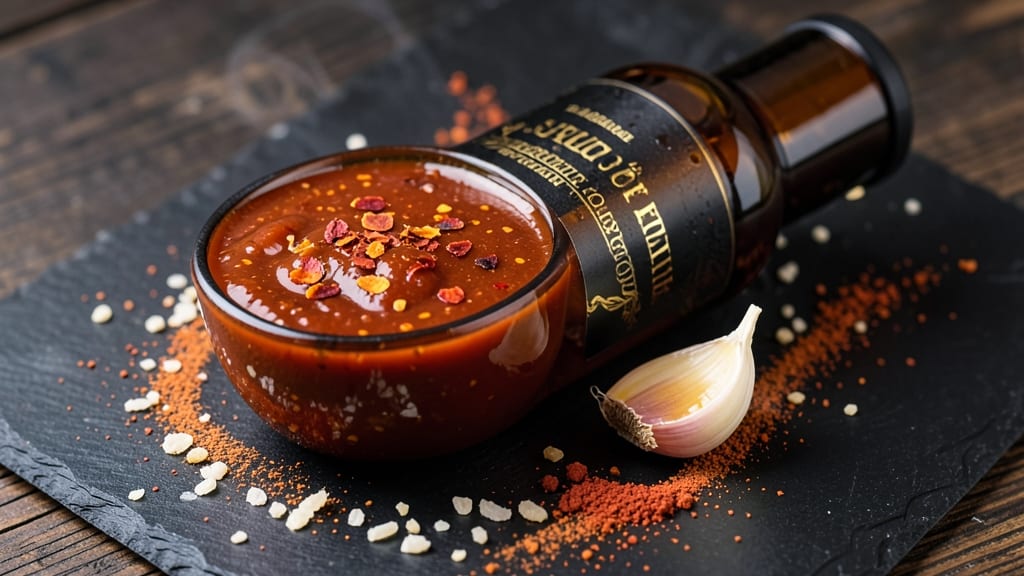
This atomic hot sauce recipe delivers the kind of fiery, smoky punch that turns any dish into a flavor explosion. 🔥 The secret lies in balancing ghost pepper heat with deep, charred wood notes—creating a sauce that’s complex enough to stand alone or cut through rich meats.
I’ve perfected this over years of experimentation, ensuring every batch delivers consistent, restaurant-quality heat without overwhelming bitterness.
What sets this sauce apart is the slow fermentation process, which develops the smoky depth while preserving the ghost pepper’s signature intense heat. We start with a vinegar base to preserve the peppers while building layers of flavor through charring and blending.
The result? A sauce that’s smooth yet potent, with a lingering smokiness that pairs perfectly with wings, tacos, or even cocktails.
Safety is critical when working with ghost peppers—always wear gloves and work in a well-ventilated area. The recipe includes a foolproof method for controlling heat levels, so you can adjust the spice to your tolerance.
Once bottled, this sauce keeps for months, making it the ultimate pantry staple for heat lovers.
Whether you’re a home cook or a seasoned chef, this hot sauce transforms ordinary meals into bold, unforgettable experiences. Let’s get started—your taste buds will thank you.
Ingredients for atomic hot sauce
These bold ingredients create a smoky, ghost pepper heat that transforms any dish.
| Ingredient | Amount | Notes |
|---|---|---|
| Ghost Pepper (Bhut Jolokia) 🌶️ | 2 whole | Seeds removed for less heat |
| White Vinegar 💧 | 2 cups | Distilled preferred for clarity |
| Granulated Garlic 🧄 | 2 tbsp | For deep flavor without prep |
| Onion Powder 🧅 | 1 tbsp | Freshly ground preferred |
| Smoked Paprika 🌶️ | 1 tbsp | For authentic smoky depth |
| Cayenne Pepper 🔥 | 1 tsp | Adjust for desired heat level |
| Granulated Sugar 🍬 | 1 tbsp | Balances acidity and heat |
| Salt 🧂 | ½ tsp | Kosher or sea salt preferred |
| Black Peppercorns 🌶️ | 1 tsp | Crushed for texture contrast |
| Cinnamon Sticks 🌿 | 1 whole | For subtle warmth and depth |
Ghost peppers are the star here—handle with gloves and work in a well-ventilated area. Trader Joe's and specialty spice shops carry them fresh, but frozen works too if you can't find fresh. Look for vibrant red peppers with no soft spots—they should feel firm and slightly waxy. The vinegar is your flavor anchor, so distilled white vinegar (like Heinz) gives the cleanest base. If you can't find granulated garlic, fresh minced garlic at half the amount works beautifully—just toast it first for deeper flavor.
No smoked paprika? Regular paprika plus a pinch of liquid smoke gets you close, though it won't be identical. The sugar might seem odd, but it's essential—it balances the vinegar's acidity and rounds out the ghost pepper's sharpness. Brown sugar adds subtle caramel notes if you prefer. For heat control, start with less cayenne and adjust to taste. The cinnamon sticks infuse subtle warmth during the fermentation process—remove them after blending so they don't make the sauce gritty.
Store in clean glass bottles with tight lids—sterilize everything first to prevent mold. Keeps for 6-12 months in a cool, dark place. For best flavor, wait 2-4 weeks before using, as the fermentation develops complexity. If you're impatient, use it after 1 week but expect slightly less depth. Always shake before using—settling happens fast with these bold ingredients.
Why You'll Love This Recipe
- No-Fuss Blend: I swear by this recipe because it’s literally just blending a few ingredients—no simmering, no peeling, no fuss. Toss the ghost pepper, garlic, vinegar, and spices into a blender, pulse, and you’re done. (Yes, even on a Tuesday night.)
- Smoky Garlic Heat: That smoked paprika and granulated garlic combo? It’s where the magic happens—a deep, smoldering warmth that lingers without overpowering. The ghost pepper brings the fire, but the vinegar keeps it bright and balanced, not just a one-note burn.
- Game for Any Meal: I keep a jar of this in my fridge for everything: drizzled over eggs, stirred into soups, or even mixed into mayo for sandwiches. It’s my go-to for when I want heat but don’t want to cook—just grab and go.
- Lasts for Months: Between us, this stuff doesn’t just sit around—it gets used. The vinegar acts as a natural preservative, so a batch lasts me weeks (or until my roommate raids it again). And since it’s cheap to make, I’m not stressing over store-bought prices.
Step-by-step instructions for smoky ghost pepper heat
Here's the method to create a bold, smoky hot sauce that packs serious heat and depth.
🔥 Step 1: Sterilize Your Equipment
First, sanitize a clean glass jar and a stainless steel spoon with boiling water or 70% isopropyl alcohol. This prevents contamination and ensures your hot sauce lasts for months. I like to pour boiling water directly over the jar and spoon, letting them sit for 5 minutes to fully sterilize.
While the equipment sterilizes, remove the seeds from both ghost peppers (Bhut Jolokia) using a small knife or your fingers. This reduces the heat intensity while keeping the complex flavor profile. Be careful—ghost pepper juice can irritate skin, so wear gloves if you're sensitive to spice.
🍳 Step 2: Combine Vinegar and Aromatics
In a small saucepan, combine the 2 cups white vinegar, 2 tbsp granulated garlic, 1 tbsp onion powder, 1 tbsp smoked paprika, 1 tsp cayenne pepper, 1 tbsp granulated sugar, 0.5 tsp salt, and 1 tsp crushed black peppercorns. Stir well to fully dissolve the dry ingredients—you should see a smooth, slightly cloudy liquid.
Add the whole cinnamon stick and the deseeded ghost peppers to the saucepan. Bring the mixture to a gentle boil over medium heat, then immediately reduce to a simmer. You want the vinegar to gently infuse the peppers and spices without boiling vigorously, which could degrade the heat compounds.
⏰ Step 3: Simmer for Maximum Flavor Extraction
Let the mixture simmer uncovered for 20-25 minutes until the ghost peppers become translucent and the liquid reduces slightly. You'll notice the aroma intensify—this is when the smoky, garlicky, and spicy notes meld together. Stir occasionally to prevent sticking, but don't over-stir as it can break down the peppers.
Here's the thing—don't rush this step. The longer the peppers steep, the more their heat and flavor transfer to the vinegar. I've found that 25 minutes is the sweet spot for maximum flavor without making the sauce too thick. The mixture should smell like a smoky, garlicky cloud when you lift the lid.
🥘 Step 4: Strain and Bottle
Using a fine-mesh strainer or cheesecloth, carefully strain the hot sauce into your sterilized glass jar. I press the peppers and spices gently with the back of a spoon to extract every last drop of flavor, but I don't squeeze too hard—this prevents bitterness from over-extraction.
Discard the used peppers and spices (or compost them—they're still potent!). The strained sauce should be a deep red-orange color with visible specks of garlic and paprika. Give the jar a quick stir to ensure even distribution of the spices, then seal it tightly with the lid.
🍽️ Step 5: Rest and Test
Let the hot sauce rest at room temperature for 24 hours to allow the flavors to fully meld. This resting period is crucial—it lets the heat settle and the spices integrate completely. After 24 hours, refrigerate the jar for at least 12 hours before tasting.
I know it's tempting to taste it immediately, but patience here makes all the difference. The sauce will continue to develop flavor over time, and the heat will become more balanced. Start with a small drop on your tongue—this sauce is intense! Adjust heat levels by adding more vinegar if needed, or let it sit longer for deeper flavor.
Pro Tips For Making Atomic Hot Sauce
- STEAM THE GHOST PEPPER: Don’t just toss raw ghost peppers into vinegar—blister them first over a gas flame (or under a broiler) until skin blackens in spots. This cracks the flesh, releasing more capsaicin and mellowing the raw bite while keeping the heat intact. I learned this the hard way after a batch tasted like chemical fire instead of smoky depth.
- USE COLD VINEGAR: Chill your white vinegar in the fridge for 30 minutes before mixing. Cold vinegar extracts heat more evenly from the peppers and dissolves the garlic/onion powders better, preventing clumping. Sounds weird, but it works—your sauce will be smoother and less likely to separate later.
- STRAIN TWICE, REST ONE WEEK: After simmering, strain through a fine-mesh sieve twice—first to catch pepper seeds, then again after letting it sit overnight. Then bottle and wait a full week before tasting. Patience here separates a harsh, vinegary burn from a balanced, layered heat. (Yes, even if you’re impatient like me.)
- SALT THE VINEGAR: Add ½ teaspoon of kosher salt to the vinegar before mixing in dry spices. It rounds out the acidity and helps emulsify the garlic/onion powders, preventing a gritty texture. I skip this when I’m lazy, but the sauce is noticeably better when I don’t.
Wine and beer pairings for this atomic hot sauce
Bold Beer Pairings
This smoky ghost pepper sauce demands beers with enough body and bitterness to stand up to its heat. I reach for stout beers like Guinness or Imperial Russian Stout—their roasted malt notes complement the smoky paprika while the dark color contrasts beautifully with the sauce’s fiery orange hue.
The carbonation also helps cool your palate between spicy bites. 🍺
Craft IPA Balance
For a lighter option, try a hazy IPA with citrus notes like Three Floyds Hazy Little Thing or New Belgium Fat Tire. The grapefruit and pine flavors cut through the ghost pepper’s sharpness, while the hop bitterness prevents the sauce from overwhelming the beer.
I like to drizzle this sauce over honey-glazed wings paired with a cold IPA for a perfect balance.
Wine Contrast
When it comes to wine, I turn to Portuguese reds like Vinho Tinto or Douro red blends. Their bold tannins and dark fruit flavors—blackberry, plum—create a luxurious contrast to the sauce’s heat.
A Portuguese Ruby Port also works beautifully, especially when served chilled as a dessert sauce for dark chocolate-covered pretzels. 🍷
Non-Alcoholic Options
Don’t overlook ginger beer or sparkling water with lime for a refreshing, heat-taming pairing. The effervescence cleanses your palate, while the ginger’s natural spice echoes the sauce’s complexity. For a smoky twist, add a splash of smoked sea salt to your drink—it mirrors the sauce’s depth perfectly.
Cocktail Pairings
This sauce elevates cocktails like nothing else. A smoky margarita made with mezcal, lime juice, and a dash of the hot sauce adds a fiery kick.
For something stronger, mix bourbon, honey, and a generous drizzle of the sauce over blackened shrimp—the sweetness balances the heat while the bourbon’s caramel notes shine through. 🍹
Regional Twists
In Texas, I’ve seen this sauce drizzled over brisket tacos with a cold Mexican lager like Modelo Negra. Meanwhile, in Carolina, it’s a staple for pulled pork sandwiches paired with a local craft IPA.
The key is matching the sauce’s intensity with a drink that can handle its boldness—whether through bitterness, sweetness, or carbonation.
Nutrition facts
Frequently asked questions
What makes this recipe different from other ghost pepper hot sauces?
This sauce stands out because of its smoky depth from charred wood notes and the fermentation process that develops complexity over time. Most recipes skip fermentation, which means missing out on that rich, layered flavor. The cinnamon stick infusion adds subtle warmth, while the vinegar base ensures a clean, bright acidity that balances the ghost pepper's intense heat.
Can I adjust the heat level if ghost peppers aren't available?
Swap ghost peppers for Carolina Reapers (similar heat) or habaneros (milder but still potent). For even less heat, use jalapeños or serranos. Remove seeds and membranes first—they contain most of the capsaicin (the compound that causes heat). If you want to reduce heat further, add 1 extra tablespoon of sugar to balance the spice.
How long should I ferment the sauce, and what does fermentation do?
Ferment for 2-4 weeks at room temperature for maximum depth. Fermentation develops the smoky, garlicky flavors and softens the ghost pepper's sharpness, creating a smoother, more complex sauce. If you're impatient, use it after 1 week, but expect less complexity. Store in a dark, cool place (like a pantry) and shake occasionally to distribute flavors.
Why does my hot sauce turn cloudy or separate after bottling?
Cloudiness is normal and often indicates fermentation activity—it means your sauce is developing flavor! Separation happens when spices settle. To fix it, stir gently before each use. If the sauce smells off (sour, rotten, or yeasty), discard it—this means contamination. Always sterilize equipment and use clean glass jars to prevent spoilage. The sauce should stay clear or slightly cloudy, never murky or slimy.
What’s the best way to use this sauce without overwhelming my dish?
Start with a small drizzle—this sauce is intense! It pairs well with rich, fatty foods like grilled meats, cheese boards, or creamy pasta dishes. For cocktails, add 1-2 drops to margaritas or bourbon-based drinks. If you're sensitive to heat, mix it with honey or olive oil to mellow the spice. Remember: a little goes a long way!