
Sauces & Condiments
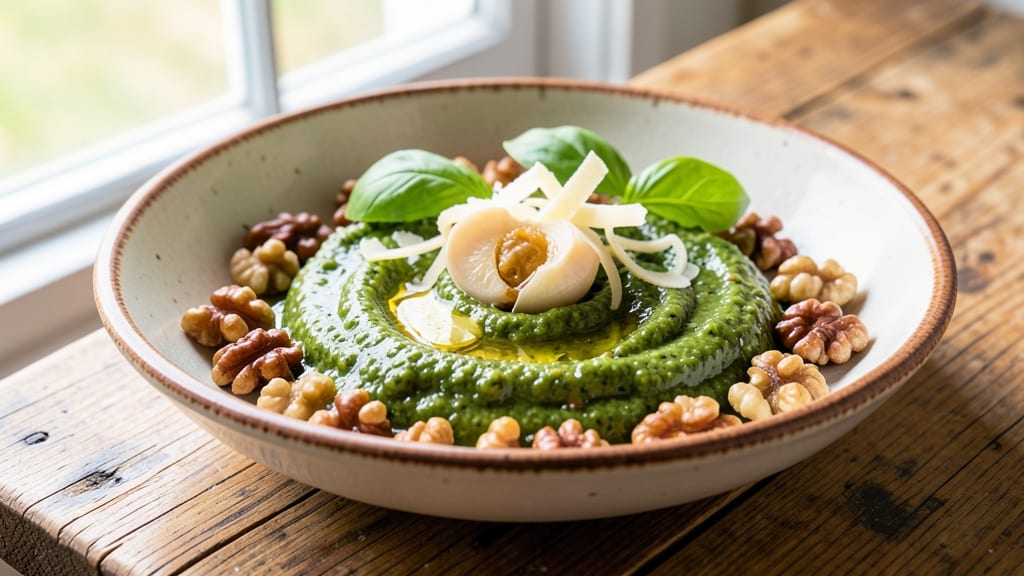
Aldi pesto sauce recipe transforms grocery store staples into vibrant, restaurant-quality flavor—no pricey jars required. The secret lies in fresh basil, high-quality olive oil, and a few simple pantry ingredients that create a sauce brighter and more aromatic than anything store-bought. I've perfected this version using Aldi's affordable store-brand olive oil and Parmesan, proving you don't need specialty ingredients for exceptional results.
What sets this pesto apart is the balance of textures—creamy from the nuts, fresh from the basil, and rich from the cheese—all combined in minutes. The recipe uses walnuts for their buttery flavor, but almonds or even sunflower seeds work perfectly for budget-conscious shoppers.
For extra depth, I add a touch of lemon juice that brightens the sauce and keeps it from turning bitter over time.
Once blended, this pesto delivers a vibrant green color and an aroma that instantly elevates any dish—think pasta, sandwiches, or grilled chicken. The beauty of homemade pesto is its versatility: use it immediately for maximum freshness or store it for up to a week in the refrigerator.
For longer storage, freeze it in ice cube trays for portion control.
Budget-friendly swaps make this recipe accessible without sacrificing quality. Aldi's store-brand olive oil and Parmesan deliver the same rich flavor as premium brands, while walnuts or almonds provide the perfect nutty crunch.
Whether you're a seasoned cook or new to making sauces from scratch, this pesto recipe proves that fresh, flavorful results are always within reach.
Ingredients for aldi pesto sauce
Aldi's store-brand ingredients deliver vibrant, restaurant-quality pesto without premium price tags.
| Ingredient | Amount | Notes |
|---|---|---|
| Fresh Basil Leaves 🌿 | 2 cups | Bright green, stems removed |
| Walnuts 🥜 | ½ cup | Toasted for enhanced flavor |
| Garlic Cloves 🧄 | 3 cloves | Peeled, rough chopped |
| Aldi Store-Brand Parmesan Cheese 🧀 | ¾ cup | Freshly grated from block |
| Aldi Store-Brand Extra-Virgin Olive Oil 🫒 | ¾ cup | High-quality, fruity variety |
| Fresh Lemon Juice 🍋 | 1 tbsp | Brightens flavor profile |
| Diamond Crystal Kosher Salt 🧂 | ½ tsp | Fine grain preferred |
| Freshly Ground Black Pepper 🌶️ | ¼ tsp | Enhances depth of flavor |
The Aldi store-brand olive oil and Parmesan are the foundation of this recipe—both deliver professional results without the specialty price. For the basil, farmers market bunches yield the brightest green, but grocery store containers work too if the leaves are crisp. Walnuts are ideal for their buttery flavor, but Aldi's almonds or even sunflower seeds create excellent budget alternatives. Toast the nuts in a dry pan for 30 seconds until fragrant—this enhances their flavor significantly. The garlic should be freshly peeled and roughly chopped to avoid bitterness during blending.
No walnuts? Sunflower seeds or cashews work equally well, though texture will differ slightly. Substitute almonds at a one-to-one ratio, but toast them first for better flavor. For a dairy-free option, nutritional yeast replaces Parmesan with a cheesy note, though the flavor will differ. The lemon juice is crucial—store-bought is fine, but freshly squeezed adds a brighter tang. If your pesto turns bitter during storage, a splash of lemon juice revives it. For extra richness, add 1 tbsp of vegan butter when blending, though traditional recipes omit this for authenticity.
This pesto maintains peak freshness for 5-7 days in an airtight container submerged in olive oil. For longer storage, freeze in ice cube trays—each cube equals one serving. Thaw overnight in the fridge before use. The sauce thickens as it sits, so add a splash of water or olive oil when reheating. Portion into small jars for easy use on sandwiches or pasta. Label with the date—freshness fades after 10 days even when refrigerated.
Why You'll Love This Recipe
- Here’s what sold me: Aldi’s olive oil and Parmesan are way cheaper than name brands, and they don’t skimp on flavor. A big batch lasts me a week, and I freeze half for lazy nights. No wasted money, no wasted time—just pure, easy sauce wins.
- No-Fuss Freshness: I swear by this recipe because it actually uses fresh basil—no dried stuff here. The moment I toss those leaves in the food processor with the walnuts and garlic, my kitchen smells like a Tuscan summer. (Yes, even when I’m just making pasta at 7:30 PM.)
- Crunchy-Creamy Magic: That walnut and Parmesan combo? It’s the secret weapon. The walnuts add this perfect texture—chewy but not gritty—while the Aldi Parmesan (don’t knock it till you try it) melts into the olive oil like a dream. Honestly, I’ve tried fancy pesto, but this one’s got the balance nailed.
- Pasta Party Starter: Between us, this sauce is my go-to for anything. Drizzle it over zucchini noodles, toss it with grilled chicken, or just eat it with crusty bread. I’ve even used it as a marinade for shrimp—works every time. (My roommates now demand it weekly.)
Step-by-step instructions for Aldi pesto sauce recipe
Here's how to craft vibrant, restaurant-quality pesto using Aldi's budget-friendly staples.
Toast the Walnuts for Rich Flavor
Heat a dry skillet over medium heat and add the 0.5 cup walnuts. Toast them for 5-7 minutes, stirring frequently, until they release their nutty aroma and turn a light golden brown. This step develops their natural oils and deepens the pesto's flavor profile—don't walk away, as they burn quickly once they reach color.
Transfer the toasted walnuts immediately to a food processor or high-powered blender. Let them cool for 2 minutes before processing to prevent burning the basil leaves later. The walnuts should be warm to the touch but not hot when you add them to the processor.
Process Walnuts with Garlic and Salt
Add the 3 cloves garlic cloves and 0.5 teaspoon Diamond Crystal kosher salt to the processor with the walnuts. Pulse 3-4 times until the mixture forms a coarse paste but still retains some texture. You want small walnut pieces and garlic chunks—not a completely smooth paste at this stage.
This rough texture creates the signature "chunky" quality of authentic pesto. If your processor struggles, stop occasionally to scrape down the sides with a spatula. The goal is to break down the walnuts and garlic while preserving some bite—this prevents the sauce from becoming too smooth and pasty.
Add Basil and Pulse in Batches
Add half of the 2 cups fresh basil leaves to the processor and pulse 2-3 times. Then add the remaining basil and pulse again until the mixture resembles a coarse, chunky paste. You should still see visible basil pieces—this maintains the fresh herb character that distinguishes homemade pesto from jarred versions.
Stop the processor and scrape down the sides if needed. The mixture should look like a thick, vibrant green paste with visible walnut pieces. If it's too dry, proceed to the next step—you'll add the olive oil to emulsify it. If it's already quite wet, withhold a few tablespoons of oil until after blending the cheese.
Incorporate Cheese and Olive Oil
With the processor running, slowly drizzle in the 0.75 cup Aldi store-brand extra-virgin olive oil through the feed tube. This gradual addition prevents the motor from overheating and allows the oil to properly emulsify with the other ingredients. Process for 30-45 seconds after adding all the oil to ensure everything is well combined.
Add the 0.75 cup Aldi store-brand Parmesan cheese and pulse 5-6 times until fully incorporated. The cheese should melt into the mixture, creating a thick, creamy sauce. If the pesto looks too thick, add 1-2 tablespoons of water or pasta water to reach your desired consistency. The final texture should be smooth yet still retain some chunkiness.
Finish with Lemon and Season
Transfer the pesto to a bowl and stir in the 1 tablespoon fresh lemon juice and 0.25 teaspoon freshly ground black pepper. Taste immediately and adjust seasoning if needed—you may need a pinch more salt or lemon to balance the flavors. The lemon brightens the richness of the walnuts and cheese while cutting through the fat.
For best results, use the pesto immediately over pasta, grilled chicken, or as a sandwich spread. If storing, press plastic wrap directly onto the surface to prevent oxidation and refrigerate for up to 5 days. The vibrant green color and fresh basil aroma will fade over time, so enjoy it while it's at its peak!
Pro Tips For Making Aldi Pesto Sauce
- Toast Walnuts Low: Toss those walnuts in a dry pan over medium-low heat—high heat burns them faster than you can blink. Stir constantly until they’re fragrant and just golden, about 3-4 minutes, or you’ll end up with bitter, acrid bits in your pesto. (Yes, even if you’re impatient like me.)
- Pulse Basil, Don’t Blend: Use a food processor, but pulse those basil leaves in short bursts—3-4 times max—until it’s roughly chopped, not pureed. Over-blending turns pesto into a sad, watery sludge. (And no, straining it later won’t fix it.)
- Grate Parmesan Fresh: Aldi’s pre-grated Parmesan? Skip it. The granules don’t dissolve right and leave grit. Instead, grate your own block (even if it’s Aldi’s) using the large holes of a box grater—you’ll get finer, creamier texture with no clumps. (Your pesto will taste like it actually has cheese in it.)
- Add Oil Slowly: Start with just 2 tablespoons of olive oil, then drizzle in more while pulsing. Too much upfront makes the pesto greasy and separates later. You’re aiming for a thick, spreadable consistency—not a soup. (Trust me, you’ll regret the extra oil.)
Pro cooking tips for great aldi pesto sauce
Toast Nuts Perfectly
Toast your walnuts in a dry skillet over medium heat for exactly 5-7 minutes, stirring constantly. They're ready when they turn golden brown and release that irresistible nutty aroma. Over-toasting burns them—watch closely! Transfer immediately to your food processor while still warm to maximize flavor infusion. 🥜
Blend in Stages
Process your ingredients in stages to avoid overheating your food processor. First, pulse the walnuts, garlic, and salt until they form a coarse paste. Then add the basil in batches—this prevents the motor from straining and keeps the basil vibrant.
Stop between additions to scrape down the sides for even blending.
Emulsify with Oil Gradually
Drizzle the 0.75 cup olive oil through the feed tube while processing to create a smooth emulsion. Adding it all at once risks separating the sauce.
Process for 30-45 seconds after adding the oil to ensure everything combines perfectly. This gradual approach prevents a greasy texture and creates that signature creamy consistency.
Prevent Oxidation
Press plastic wrap directly onto the surface of your pesto before refrigerating to minimize air exposure. This simple step preserves the vibrant green color and fresh basil flavor for up to 5 days.
For longer storage, freeze in ice cube trays—each cube equals one serving and thaws perfectly for sandwiches or pasta.
Revive Stale Pesto
If your pesto loses its vibrancy after a few days, revive it by adding 1 teaspoon of lemon juice and 1 tablespoon of olive oil. Pulse briefly in a food processor to re-emulsify.
This trick works wonders for restoring that fresh-from-the-blender texture and flavor. The acidity cuts through any developed bitterness while rehydrating the sauce.
Budget-Friendly Swaps
Need to save money? Swap walnuts for Aldi's almonds or sunflower seeds—both work beautifully. Use nutritional yeast instead of Parmesan for a dairy-free version, though the flavor will differ slightly.
For extra richness, add 1 tablespoon of vegan butter when blending, though traditional pesto relies on the olive oil for its signature texture. 💛
Nutrition facts
Frequently asked questions
Can I make this pesto without a food processor?
Yes! Use a mortar and pestle for a rustic texture. Start by crushing the walnuts and garlic with a pinch of salt, then add basil leaves gradually while mashing. Finish by drizzling in olive oil while stirring with a wooden spoon. The texture will be chunkier but equally flavorful.
Why does my pesto turn brown after refrigerating?
This happens when basil oxidizes from air exposure. To prevent it, press plastic wrap directly onto the pesto's surface before refrigerating. For extra protection, submerge the container in olive oil. If it already browned, add 1 tsp lemon juice and pulse briefly to restore color.
What's the best way to use leftover pesto?
Spread it on sandwiches, mix into scrambled eggs, or use as a dip for veggies. For pasta, toss with cooked noodles and a splash of pasta water to loosen. Freeze extras in ice cube trays for perfect single-serving portions—just thaw and use.
Can I substitute sunflower seeds for walnuts?
Sunflower seeds work perfectly and are more budget-friendly. Toast them first (same as walnuts) for best flavor. The texture will be slightly finer, but the taste remains rich. For extra crunch, add a few toasted seeds after blending.
How do I know when my pesto is ready?
Your pesto is perfect when it's thick, vibrant green, and holds its shape when drizzled. Taste it immediately—it should balance creamy, nutty, and herby flavors. If too thick, add 1 tbsp water or olive oil. If too thin, let it sit for 10 minutes to thicken naturally.