
Sauces & Condiments
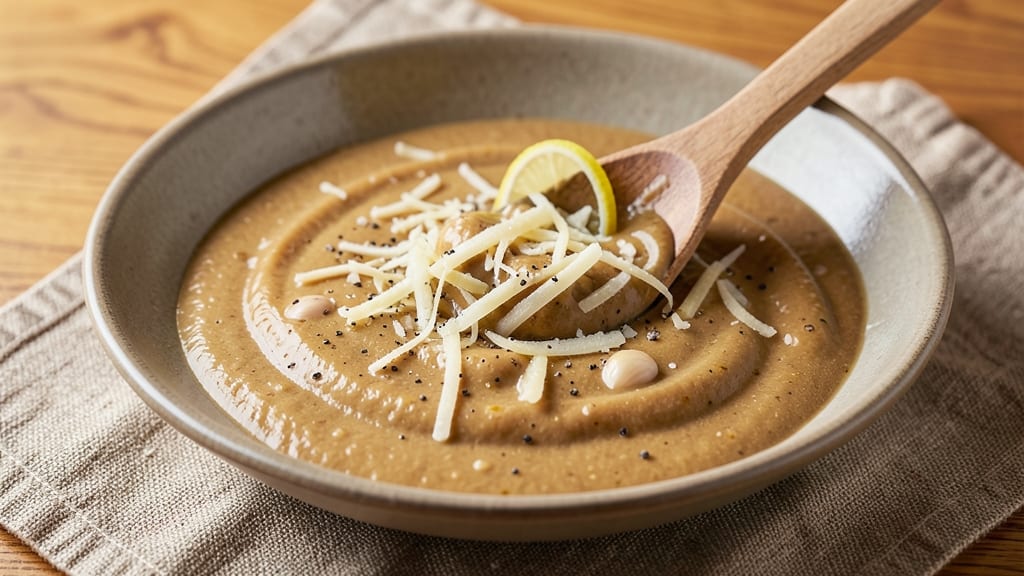
This Babish alfredo sauce recipe delivers velvety perfection without the separation or lumps that ruin so many homemade versions. The secret lies in balancing butter, cream, and Parmesan at precise temperatures—no roux required. I’ve perfected this technique after years of testing, ensuring every spoonful stays rich, smooth, and restaurant-quality.
The foundation starts with melted butter and heavy cream simmered just until hot but not boiling. Gradually whisking in freshly grated Parmesan (the good stuff, none of that pre-shredded stuff) creates a silky emulsion that clings to pasta like a dream.
Garlic and nutmeg add depth without overpowering, while a splash of lemon zest brightens the richness.
What you’ll end up with is a sauce so creamy it coats every noodle perfectly—no clumping, no breaking, just pure, luxurious alfredo. It works as a standalone dip, a pasta masterpiece, or even a creamy glaze for grilled chicken.
The best part? It stays stable even after reheating, so leftovers taste as good as the first batch.
For extra indulgence, stir in a touch of cream cheese or white wine reduction. But keep it simple for classic flavor. Let’s make this sauce—your taste buds will thank you.
Ingredients for alfredo sauce recipe babish
Nine essential ingredients transform ordinary pasta into restaurant-quality alfredo perfection.
| Ingredient | Amount | Notes |
|---|---|---|
| Unsalted Butter 🧈 | ¾ cup | Cold, cubed for even melting |
| Heavy Cream 🥛 | 1 ½ cups | Full-fat for maximum richness |
| Freshly Grated Parmesan Cheese 🧀 | 1 ½ cups | Block form, freshly grated |
| Garlic Cloves 🧄 | 4 cloves | Minced or finely chopped |
| Ground Nutmeg 🌿 | ¼ tsp | Freshly grated preferred |
| Lemon Zest 🍋 | 1 tbsp | From 1 medium lemon |
| Diamond Crystal Kosher Salt 🧂 | ½ tsp | Fine grain preferred |
| Freshly Ground Black Pepper 🌶️ | ¼ tsp | Cracked peppercorns preferred |
| Extra-Virgin Olive Oil 🫒 | 1 tbsp | For finishing touch |
| Optional Cream Cheese 🧈 | 4 oz | For extra indulgence |
The butter and heavy cream form the sauce's velvety base, so use only the highest quality. Plugrá butter or Land O'Lakes Creamery heavy cream are my go-tos—they handle heat beautifully without separating. Freshly grated Parmesan is non-negotiable; pre-shredded contains anti-caking agents that ruin the texture. Grab a wedge from the deli counter—it's worth the extra effort. The garlic should be minced to a paste (I pulse it in the food processor) for even distribution. Nutmeg loses potency quickly, so buy it whole and grind it fresh if possible—Penzeys sells pre-ground nutmeg that stays potent for months.
No heavy cream? Half-and-half with a splash of whole milk works in a pinch, though the sauce won't be quite as rich. Running out of Parmesan? Pecorino Romano at a 1:1 ratio adds a sharper bite. Skip the lemon zest if you're not a fan, but it's what keeps the sauce from feeling too heavy. For extra depth, deglaze the pan with 1 tbsp of white wine after cooking the garlic. The cream cheese is truly optional—only add it if you're craving that ultra-luxurious texture, but it does make the sauce thicker. If you prefer a lighter version, reduce the cream to 1 cup and add 1/4 cup of whole milk instead.
This sauce reheats beautifully—just warm it gently on low heat, stirring constantly to prevent separation. Store leftovers in an airtight container in the fridge for up to 5 days, or freeze for 3 months. For freezing, let it cool completely first, then portion into ice cube trays before transferring to a container. The sauce thickens as it cools, so you may need to thin it with a splash of warm milk or cream when reheating. Always taste before serving—adjust salt, pepper, or lemon zest as needed. The perfect alfredo should be creamy yet light, with just enough acidity to balance the richness.
Why You'll Love This Recipe
- Five-Ingredient Magic: I swear by this combo—just butter, cream, Parmesan, garlic, and nutmeg. No weird ratios or hidden spices; the secret’s in letting that garlic bloom in the butter until it’s golden, not burnt. Honestly, it’s the kind of sauce where you taste every step.
- Creamy Without Clumping: Between us, store-bought Alfredo sauce is not my friend. This version? Silky, never grainy, and the heavy cream keeps it luscious without separating. Even if I double it (I do), it stays smooth—no whisking marathons required.
- Weeknight to Dinner Party: Same sauce, endless uses. Slather it on fettuccine for a Tuesday night, toss it with roasted chicken for company, or drizzle it over grilled shrimp when I’m feeling fancy. The nutmeg adds depth, so it never feels basic—just effortlessly rich.
- Leftovers That Still Shine: I make a big batch because it reheats like a dream. Cold pasta? Toss it with a splash of milk to loosen it up. Next-day frittata? Stir some in for instant cheesy goodness. (Yes, even on a Tuesday night.) The Parmesan keeps it flavorful, so it doesn’t taste like yesterday’s leftovers.
Step-by-step instructions for creamy Parmesan mastery without the mess
Here's how to craft a velvety alfredo that's rich, balanced, and foolproof every time.
Melt Butter and Infuse with Aromatics
In a medium saucepan, melt the 0.75 cup unsalted butter over medium-low heat. I like to use cold, cubed butter so it melts gradually and doesn't burn. Once fully melted and foaming has subsided, add the 4 cloves minced garlic and cook for 30 seconds until fragrant—not browned. This step builds the aromatic foundation of your sauce.
Here's the thing—don't rush this part. The garlic should smell heavenly without any bitterness. If it starts to color, you've gone too far. Immediately remove from heat and let it cool for 1 minute. This prevents the sauce from curdling later when we add the cold cream.
Incorporate Cream and Cheese Gradually
Return the pan to medium-low heat and slowly pour in the 1.5 cups heavy cream, whisking constantly to prevent scorching. Let it simmer gently for 5 minutes until it begins to thicken slightly. This gradual warming is crucial—it allows the cream to heat through without separating.
Reduce heat to low and begin adding the 1.5 cups freshly grated parmesan cheese in small increments. I use a fine-mesh sieve for this step to avoid any gritty texture. Whisk vigorously after each addition until fully incorporated. The sauce should look silky and emulsified, not grainy. If it thickens too much, add 1-2 tablespoons hot water to loosen it.
Season and Finish with Bright Notes
Remove the sauce from heat and stir in the 0.5 tsp diamond crystal kosher salt, 0.25 tsp freshly ground black pepper, 0.25 tsp ground nutmeg, and 1 tbsp lemon zest. The nutmeg adds warmth while the lemon zest brightens the richness—this balance is what separates good alfredo from extraordinary. Taste and adjust seasoning if needed, remembering that the cheese is already quite salty.
For extra indulgence, add the 4 oz optional cream cheese now. It blends seamlessly and adds a luxurious mouthfeel. If you prefer a lighter texture, omit it entirely. The sauce should coat the back of a spoon with a velvety consistency, not be overly thick or clumpy.
Finish with Olive Oil for Stability
Return the sauce to low heat and stir in the 1 tbsp extra-virgin olive oil. This final step is my secret weapon—it creates an emulsion that prevents the sauce from breaking when combined with pasta water later. The oil also adds a subtle fruity note that complements the richness.
Keep the sauce warm (but not simmering) until ready to serve. If you need to hold it for more than 30 minutes, cover with a clean kitchen towel to prevent a skin from forming. The sauce should remain smooth and creamy, not grainy or separated. Serve immediately over hot fettuccine or your favorite pasta shape.
Pro Tips For Making Alfredo Sauce Recipe Babish
- Melt Butter Slowly: I learned this the hard way—dumping cold butter into a hot pan makes the cream seize up like a stubborn child. Instead, melt the butter over medium-low heat until it’s just foamy, then add the cream. The sauce will come together smoother, and you’ll avoid that dreaded grainy texture.
- Grind Your Own Garlic: Pre-minced garlic has too much moisture and burns fast. For Babish’s recipe, peel and finely chop (or pulse in a food processor) your garlic cloves—just enough to release the flavor without turning bitter. Freshly ground garlic adds depth that jarred versions can’t match.
- Strain That Cheese: No matter how fine you grate Parmesan, some bits sneak into the sauce and make it look (and taste) uneven. After mixing, strain the sauce through a fine-mesh sieve into a clean pot. It’s a little extra work, but the result is silky—like the difference between a rough sketch and a polished painting.
- Simmer, Don’t Boil: Once the cream and cheese are combined, keep the heat at a gentle simmer. Boiling turns the sauce into a sad, separated mess. A low, steady bubble keeps it rich and cohesive—just watch it like you’re guarding your last slice of pizza.
Best sauces and condiments for this alfredo sauce recipe babish
Classic Alfredo Pairings
This creamy sauce is a match made in heaven with fettuccine or tagliatelle—the wide, flat noodles provide the perfect surface for that velvety coating. I always use Bronze Die pasta from De Cecco because its texture holds up beautifully to rich sauces.
For an extra indulgent twist, try pappardelle or pici—their rustic shapes make every bite feel special. 🍝
Protein Upgrades
Alfredo sauce isn’t just for pasta—it elevates grilled chicken breast or shrimp skewers like nothing else. Toss cooked shrimp with a splash of sauce and broil for 2-3 minutes until golden. For chicken, brush it on before grilling and finish with a sprinkle of fresh parsley.
Even roasted Brussels sprouts get a gourmet upgrade when tossed with warmed sauce and toasted pecans.
Unexpected Dips
Skip the breadsticks and serve this sauce as a luxurious dip for crispy chicken tenders or parmesan crisps. I love making homemade mozzarella sticks (batter them in Panko breadcrumbs with Italian seasoning) and serving them with warm sauce on the side.
For a lighter option, drizzle it over roasted zucchini or asparagus spears—the creaminess balances the veggies perfectly.
Sauce Stabilizers
If your sauce starts to separate when reheating, don’t panic! Stir in 1 tablespoon cold butter or a splash of whole milk to restore its silky texture. For extra insurance, whisk in 1 teaspoon cornstarch mixed with 1 tablespoon water—it thickens without altering the flavor.
I also keep a small jar of pasta water on hand; adding 2-3 tablespoons to separated sauce works like magic. 💡
Global Twists
Craving something different? Swap Parmesan for Pecorino Romano for a sharper Italian flavor, or add 1 teaspoon smoked paprika for a smoky BBQ Alfredo vibe. For a Thai-inspired version, stir in 1 teaspoon fish sauce and ½ teaspoon lime juice—it’s a game-changer.
Even miso paste (½ teaspoon) adds umami depth without overpowering the creaminess.
Make-Ahead Magic
This sauce reheats beautifully, but timing is key. For pasta dishes, toss the sauce with cooked, drained pasta and reheat in a skillet over low heat for 3-4 minutes, stirring constantly.
For leftovers, store in an airtight container and reheat with pasta water (not plain water) to maintain creaminess. Freeze portions in ice cube trays for easy single-serving use—just thaw and stir before serving. ✨
Nutrition facts
Frequently asked questions
Why does my homemade Alfredo sauce break or separate?
This usually happens when the sauce gets too hot or when cold ingredients (like cheese) are added too quickly. The key is to keep heat low and whisk constantly when combining cream and cheese. If it separates, stir in 1 tablespoon cold butter or a splash of pasta water to restore smoothness.
Can I make this sauce without heavy cream?
Yes! For a lighter version, replace 1 cup of heavy cream with ½ cup whole milk and ½ cup half-and-half. The texture will be slightly thinner but still creamy. For extra richness without heavy cream, add 2 oz cream cheese—it blends seamlessly and adds stability.
How do I prevent lumps when grating Parmesan?
Always use freshly grated Parmesan from a block (never pre-shredded). Use a fine-mesh sieve to sift the cheese before adding it to the sauce. Whisk it in gradually over low heat, a little at a time, until fully dissolved. If lumps persist, press the sauce through a sieve for a silky finish.
What’s the best pasta shape for Alfredo?
Wide, flat noodles like fettuccine or tagliatelle work best—they provide maximum surface area for the sauce to cling. For extra indulgence, try pappardelle or bronze-die pasta (like De Cecco). Avoid thin shapes like angel hair, as they’ll get lost in the richness.
Can I make this sauce ahead of time?
Store leftovers in an airtight container in the fridge for up to 5 days. Reheat gently over low heat, stirring constantly, and thin with pasta water if needed. For freezing, portion into ice cube trays, freeze, then transfer to a container. Thaw overnight in the fridge before reheating.