
Sauces & Condiments
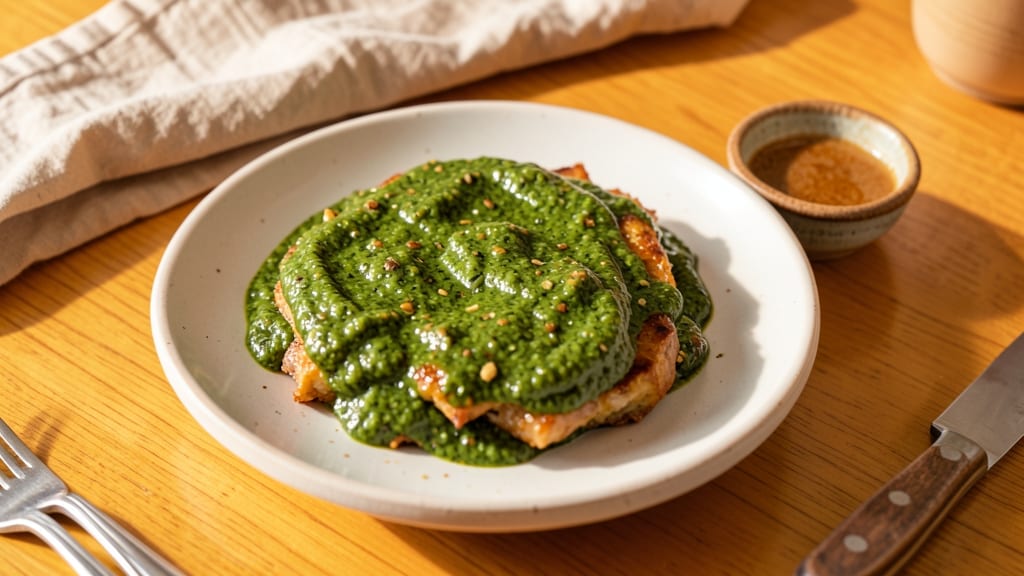
This zhug sauce recipe transforms simple ingredients into a vibrant, peppery condiment that elevates everything from grilled meats to fresh bread. The bold flavors of red chili peppers, garlic, and fresh coriander create a versatile sauce that’s as quick to make as it is unforgettable.
I’ve perfected this recipe over years of testing, ensuring the perfect balance of heat, tang, and freshness in every bite.
The beauty of zhug sauce lies in its simplicity—just a handful of ingredients blended together, yet capable of transforming ordinary dishes into something extraordinary.
What makes this recipe stand out is its adaptability: use it as a dip for pita bread, a marinade for grilled chicken, or a finishing sauce for roasted vegetables. The key is freshness, so I recommend making it just before serving to capture that bright, peppery punch.
What you’ll end up with is a rich, emerald-green sauce that’s tangy, slightly sweet, and packed with heat—perfect for those who love bold flavors. The blend of garlic and chili creates a complex depth, while the coriander adds a fresh, citrusy note that rounds out the heat.
This sauce is not only delicious but also incredibly easy to customize—adjust the spice level to your taste or add a splash of lemon juice for extra brightness.
Whether you're serving up a Middle Eastern feast or simply looking to add a burst of flavor to your favorite dishes, this zhug sauce is a game-changer. It’s also naturally vegan and vegetarian-friendly, making it a versatile addition to any kitchen. Let’s get blending!
Ingredients for zhug sauce
Fresh, vibrant ingredients blend into this bold Middle Eastern condiment—perfect for dips, marinades, or finishing touches.
| Ingredient | Amount | Notes |
|---|---|---|
| Fresh Red Chili Peppers 🌶️ | ½ cup | Seeds removed for milder heat |
| Fresh Garlic Cloves 🧄 | 4 cloves | Peeled, roughly chopped |
| Fresh Coriander Leaves 🌿 | ½ cup | Stems removed, loosely packed |
| Extra-Virgin Olive Oil 🫒 | ½ cup | High-quality, fruity variety |
| Fresh Lemon Juice 🍋 | 2 tbsp | Freshly squeezed, strained |
| Ground Cumin 🌿 | ½ tsp | Toasted for deeper flavor |
| Salt 🧂 | ½ tsp | Diamond Crystal kosher salt |
| Cayenne Pepper 🔥 | ¼ tsp | Adjust for heat preference |
The chili peppers are the heart of zhug—fresh serrano or Thai bird's eye peppers work best, but any red chili will do. Middle Eastern markets often carry them fresh, but the grocery store produce section usually has them too. Look for vibrant red peppers with no soft spots. If you can't find fresh, dried red chili flakes work in a pinch, but the sauce won't be as bright or fresh-tasting. The coriander leaves? Fresh is non-negotiable here—dried just won't cut it. I usually grab a whole bunch, use half for this sauce, and the rest for garnishes or salads. The garlic should be fresh too—no pre-minced jars for this recipe.
No fresh chili peppers? Substitute with 1 tbsp red chili flakes, but reduce the cayenne to 1/4 tsp to avoid overpowering. Short on coriander? Fresh parsley works at half the amount, though it'll lack that citrusy depth. The olive oil matters—use something fruity and high-quality. If you're feeling adventurous, swap half the olive oil for toasted sesame oil for a nutty twist. The lemon juice can be bottled in a pinch, but fresh is always better. Want more heat? Add a pinch of Aleppo pepper or a dash of harissa paste. For extra tang, increase the lemon juice to 3 tbsp.
This sauce keeps best when made fresh, but it'll last 3-4 days in an airtight jar in the fridge. The color will fade, but the flavor stays bright. For longer storage, freeze in ice cube trays—perfect for single servings. I like to make a double batch and freeze half, so I always have it on hand for grilled meats or roasted veggies. The sauce thickens as it sits, so add a splash of water or lemon juice to loosen it up before using.
Why You'll Love This Recipe
- Five-Minute Blend: I swear by this—just toss chilis, garlic, and cilantro into a food processor with olive oil and lemon, hit pulse, and boom. No straining, no fuss, just pure efficiency. The heat builds instantly, but the texture stays silky smooth.
- Addictive Heat Balance: That first bite? The chili’s sharp kick meets garlic’s punch, then the cilantro cools it into something dangerously good. The lemon brightens everything—like a flavor high-five in your mouth. I’ll be real: I’ve made this three times in one week.
- Weeknight Magic: Drizzle it on grilled chicken, toss with roasted veggies, or slather it on toast with feta. It turns ordinary meals into something special without extra effort. My lazy nights just got a serious upgrade.
- Pantry Superstar: A little goes a long way—this sauce keeps for days in the fridge, and the ingredients cost next to nothing. Fresh chilis and herbs are cheap staples, and the olive oil stretches further than you’d think. Budget-friendly? Absolutely. Reliable? Even more so.
Step-by-step instructions for bold peppery green sauce
Here's how to craft this vibrant, heat-kissed condiment that transforms simple dishes into restaurant-worthy masterpieces.
Toast the Aromatics for Maximum Flavor
Heat a small saucepan over medium-low heat and add the 0.5 cup extra-virgin olive oil. Once the oil is shimmering (but not smoking), add the 4 cloves fresh garlic cloves and 0.5 cup fresh red chili peppers—seeds removed. Toast for 3-4 minutes, stirring constantly, until the garlic turns golden and the chili peppers begin to soften slightly.
This step develops the sauce's depth. If the garlic starts to brown too quickly, reduce the heat immediately—burnt garlic makes the sauce bitter. The chili peppers should retain some texture but become pliable enough to mash easily later.
Blend Until Silky Smooth
Transfer the toasted mixture to a blender or food processor. Add the 0.5 cup fresh coriander leaves, 2 tablespoons fresh lemon juice, 0.5 teaspoon ground cumin, 0.5 teaspoon salt, and 0.25 teaspoon cayenne pepper. Pulse a few times to break everything down, then blend on high for 30-45 seconds until completely smooth.
Here's the thing—this sauce should be velvety, not chunky. If it looks too thick, add 1-2 tablespoons water and blend again. The texture should coat the back of a spoon like a fine dressing. Taste as you go; you can always adjust the heat or acidity later if needed.
Strain for Perfect Consistency
Pour the blended mixture through a fine-mesh strainer into a bowl, pressing gently with a spoon to extract every last drop. This step removes any unwanted texture and ensures a silky finish. Discard the pulp—it's flavorful but too fibrous for the delicate balance of this sauce.
The strained sauce should be a vibrant green with a deep red undertone. If it's too thick, thin it with 1 tablespoon water at a time until it reaches a pourable consistency. For extra vibrancy, you can even press the pulp through the strainer again with the back of a spoon.
Rest and Adjust Seasoning
Let the sauce sit at room temperature for 15-20 minutes. This resting period allows the flavors to meld and the heat to mellow slightly. Taste and adjust the seasoning—add a pinch more salt if needed, or another dash of cayenne pepper for extra kick.
This sauce keeps well in the refrigerator for up to 5 days in an airtight container. Before using, give it a stir and adjust the seasoning again if needed. The flavors will actually improve over time, developing a deeper complexity that makes it worth the wait.
Pro Tips For Making Zhug Sauce
- Pulse, Don’t Chop: Blend the chili peppers and garlic in short bursts—3-4 seconds at a time—until just combined. I learned this the hard way: pureeing everything at once turns your sauce into a paste and kills the bright, fresh texture you want. Pause between pulses to check; you’re aiming for rough, uneven bits, not smooth.
- Toast the Chili: Dry-toast the whole red chili peppers in a hot pan for 30 seconds per side before blending. The char adds depth that raw peppers can’t match—think smoky warmth, not just heat. Skip this, and your sauce tastes flat, even if the heat is there.
- Strain the Coriander: Press the blended coriander through a fine-mesh sieve or cheesecloth to remove stems and tough bits. I used to skip this, and my sauce always had a gritty mouthfeel. It’s a 30-second extra step that makes a real difference in texture.
- Balance with Oil: Use cold extra-virgin olive oil—about 2 tablespoons—to temper the raw garlic and chili heat. Warm oil can turn bitter, and too little makes the sauce cling like glue. Add it gradually while tasting; your goal is silky, not greasy.
Flavor customization for this dish
Spice Level Control
Adjust the heat to your preference by controlling the chili peppers. For a mild sauce, use 1-2 Thai bird's eye peppers (seeds removed) or 1 serrano pepper. If you want medium heat, add 3-4 Thai peppers or 1 jalapeño.
For fiery intensity, include 1 habanero or ghost pepper—just ¼ teaspoon of the seeds and membrane will pack serious heat. I recommend wearing gloves when handling these peppers! 🔥
Want to dial down the heat after blending? Stir in 1 teaspoon honey or 1 teaspoon maple syrup—it won’t reduce the spice but will balance the burn. For extra cooling power, add 1 teaspoon plain yogurt or 1 teaspoon tahini to the finished sauce.
These additions create a creamy contrast that tames the fire without sacrificing flavor.
Citrus Brightness Boost
Swap the lemon juice for lime juice (same amount) to give the sauce a tropical twist. The acidity remains sharp, but the flavor profile shifts slightly toward Middle Eastern and Latin influences. For a tangier sauce, add 1 teaspoon orange zest while blending—it brightens the coriander notes beautifully.
I’ve also experimented with 1 teaspoon pomegranate molasses, which adds a deep, fruity complexity that pairs wonderfully with grilled lamb or falafel.
If you love herbal brightness, try adding 1 tablespoon fresh mint leaves (stems removed) to the blend. The mint’s coolness cuts through the heat, creating a refreshing contrast.
For a savory-sweet variation, stir in 1 teaspoon date syrup or 1 teaspoon agave after blending—it rounds out the sharpness and adds a subtle caramel note.
Herbal Variations
Swap the coriander for flat-leaf parsley (same amount) for a more Mediterranean twist. The flavor will be slightly milder but still fresh and vibrant. For a Middle Eastern-inspired sauce, blend in 1 tablespoon fresh dill along with the coriander—this combo is classic for mezze platters.
I’ve also had great success using 1 tablespoon fresh basil for a brighter, almost Italian-inspired zhug that works beautifully with grilled vegetables.
For a smoky depth, add ½ teaspoon smoked paprika to the blend. This works especially well if you’re using the sauce on smoked meats or charred corn. If you’re feeling adventurous, try 1 tablespoon fresh cilantro instead of coriander—it’s a Southern U.S. twist that adds a citrusy punch.
Just remember, cilantro’s flavor is more polarizing, so test it first!
Oil Swaps for Unique Profiles
Replace the olive oil with avocado oil for a neutral, high-smoke-point base that won’t overpower the flavors. This is ideal if you’re using the sauce on high-heat dishes like grilled shrimp or seared scallops.
For a nutty richness, use ½ cup toasted sesame oil—just reduce the amount to ¼ cup since sesame oil is more potent. The aroma alone elevates the sauce to new heights, especially with Asian-inspired dishes like bulgogi or satay.
Craving something buttery? Swap in ½ cup melted ghee for a luxurious finish. The ghee adds a subtle sweetness that pairs beautifully with roasted root vegetables or crispy fried foods.
For a citrusy oil, infuse the olive oil with 1 zested lemon before toasting the garlic—simmer the oil with the zest for 5 minutes, then strain before using. This adds an extra layer of brightness that’s hard to resist.
Thick or Thin?
Need a thicker sauce for dipping or drizzling? After straining, simmer the sauce in a small saucepan over low heat for 3-5 minutes until it reduces slightly. This works especially well if you’re using it as a dipping sauce for pita or a glaze for grilled meats.
For a thinner consistency, stir in 1-2 tablespoons water or lemon juice until it reaches a pourable consistency—ideal for salad dressings or marinades.
For a creamy zhug, blend in 2 tablespoons Greek yogurt or tahini after straining. This transforms the sauce into a dip-like consistency perfect for hummus or baba ganoush.
If you’re using it as a finishing sauce, a thinner consistency works best—just drizzle it over tacos, bowls, or roasted veggies for a vibrant pop of color and flavor.
Nutrition facts
Frequently asked questions
What makes zhug sauce different from other spicy sauces?
Unlike creamy sauces like chimichurri or spicy mayo, zhug is a bright, oil-based condiment with a vibrant green color from fresh coriander and chili peppers. It's lighter in texture but packs layers of flavor—garlicky, citrusy, and peppery—without being overly thick or heavy. The key difference is its fresh, herb-forward profile that works as both a dip and finishing sauce.
Can I make zhug sauce without fresh chili peppers?
Yes! For 1-2 Thai bird's eye peppers, substitute with 1 tbsp red chili flakes or ½ tsp cayenne pepper. However, the sauce won't be as fresh-tasting or vibrant in color. If you're avoiding heat entirely, omit the chili and add extra lemon juice and 1 tsp honey for brightness. The texture will still be silky, but the flavor profile shifts more toward a garlicky herb oil.
How long does zhug sauce last, and can I freeze it?
The sauce stays fresh in the fridge for 3-4 days in an airtight container, though the color fades slightly. For longer storage, freeze it in ice cube trays—thaw individual cubes as needed. The texture may separate slightly after freezing, so stir well before using. Pro tip: Freeze in small batches to avoid waste, as thawed sauce won't last as long as fresh.
What are the best ways to use zhug sauce?
This versatile sauce works as a dip for pita or falafel, a marinade for grilled meats, or a finishing sauce for roasted veggies and salads. Drizzle it over shakshuka, hummus, or even pizza for a bold twist. For extra flavor, let it sit on dishes for 5-10 minutes before serving to let the ingredients meld.
Why does my zhug sauce taste bitter?
Bitterness usually comes from over-toasted garlic or old chili peppers. For next time, toast the garlic just until golden (3-4 minutes) and use fresh, vibrant red chili peppers. If your sauce is already bitter, balance it with 1 tsp honey or maple syrup and a splash of lemon juice. The acidity helps cut through the bitterness while adding brightness.