
Sauces & Condiments
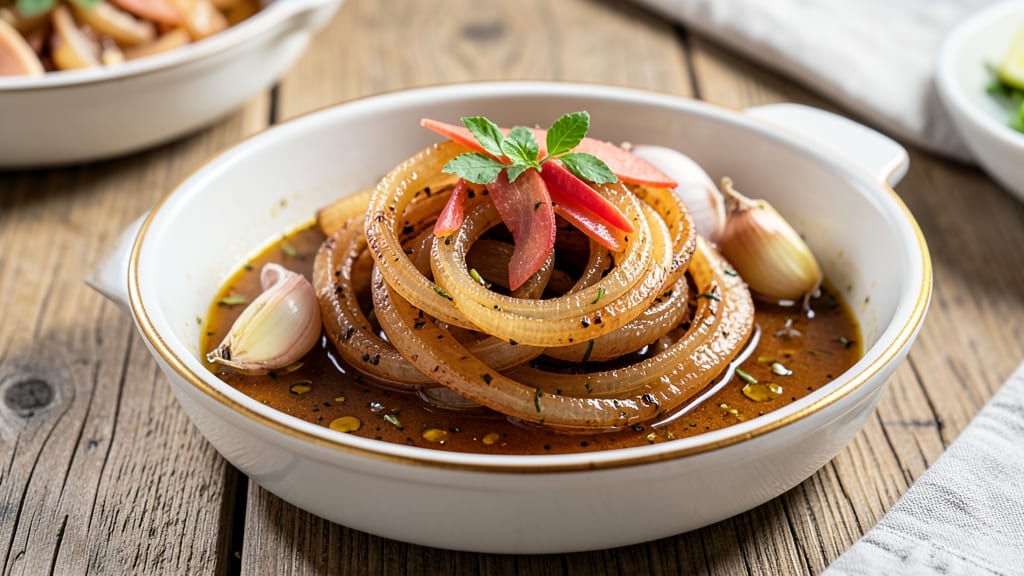
This Yassa onion sauce transforms simple onions into a complex, tangy masterpiece that defines Senegalese cuisine. The secret lies in slow-cooking onions until they develop crispy layers and deep caramelized sweetness, then balancing that richness with bright citrus and aromatic spices.
What starts as humble yellow onions becomes a sauce so versatile it elevates everything from grilled fish to rice dishes.
The traditional method requires patience—onions simmered in oil for 45 minutes until golden and crispy—but the reward is a sauce with texture and depth you won't find in shortcut versions.
I've refined this recipe to include both the classic approach and a quicker food processor method for busy weeknights, ensuring you get that signature Yassa tang without sacrificing authenticity.
Once complete, this sauce delivers a perfect harmony of crispy onion layers, zesty citrus, and warm spices that linger on your palate. It keeps well in the refrigerator for up to 10 days or freezes beautifully for future use, making it an essential pantry staple.
Whether you're marinating fish, topping a bowl of rice, or drizzling over grilled vegetables, this sauce transforms ordinary meals into something extraordinary.
The beauty of Yassa sauce lies in its adaptability—use it as a marinade for chicken or fish, a tangy topping for fries, or the base for a flavorful stew.
The key is balancing the sweetness of the caramelized onions with the acidity of the citrus, creating a sauce that's both complex and approachable. Let's create this flavor-packed essential for your kitchen.
Ingredients for yassa onion sauce
These ten ingredients create the signature crispy, citrusy Yassa sauce that's the heart of Senegalese cuisine.
| Ingredient | Amount | Notes |
|---|---|---|
| Yellow Onions 🧅 | 4 large | Sliced into 1/4-inch rings |
| Vegetable Oil 🫒 | 1 ½ cups | High smoke point preferred |
| Lemongrass 🌿 | 3 stems | Bruised and cut into 2-inch pieces |
| Garlic Cloves 🧄 | 6 cloves | Smashed but not minced |
| Fresh Ginger 🌿 | 1 inch | Peeled and thinly sliced |
| Lemon Juice 🍋 | ½ cup | Freshly squeezed, strained |
| Apple Cider Vinegar 🍶 | ¼ cup | For tangy depth |
| Ground Mustard Seeds 🌶️ | 1 tbsp | Toasted for aroma |
| Dried Mustard Powder 🌶️ | 1 tsp | For subtle heat |
| Salt 🧂 | 1 ½ tsp | Diamond Crystal preferred |
The onions are the star—yellow onions with their sweetness develop those signature crispy layers when slow-cooked. Whole Foods or Trader Joe's carry the best quality, but any large yellow onions will work. For the lemongrass, look for fresh stalks with vibrant green leaves—Asian markets usually have the freshest. The garlic and ginger should be firm, with no soft spots. Toast the mustard seeds in a dry pan for 30 seconds before adding to the onions—this releases their nutty aroma and takes your sauce to the next level. Don't skip this step, it's what gives Yassa its depth.
No lemongrass? Lime zest plus a splash of lime juice gets you close, though it won't replicate the exact aroma. Running out of apple cider vinegar? White wine vinegar or rice vinegar works in a pinch. For the mustard, if you can't find ground mustard seeds, Dijon mustard at half the amount provides similar tang. The lemon juice should be freshly squeezed—bottled juice lacks the bright acidity that cuts through the onions' sweetness. If you're short on time, the food processor method still delivers crispy onions, though they won't be quite as caramelized as the stovetop version.
This sauce improves with time—24 hours in the fridge lets the flavors meld beautifully. Store it in an airtight container with a thin layer of oil on top to preserve those crispy onion layers. Keeps for 10 days in the refrigerator or 6 months frozen. I like to make a big batch and freeze portions in ice cube trays—perfect for quick marinades or flavor boosts. When reheating, add a splash of water or lemon juice to prevent the sauce from thickening too much.
Why You'll Love This Recipe
- No-Chop Nightmare: I swear by this sauce because the onions? They’re actually the star, but you don’t have to slice them into perfect rings. Rough chop, caramelize them low and slow—crispy edges, sweet caramel depth—and suddenly you’ve got restaurant-quality texture with zero fuss. (Yes, even on a Tuesday night.)
- Lemongrass Magic: That fragrant lemongrass stalk—bruised and simmered with garlic and ginger—transforms this sauce into something ridiculously aromatic. It’s the secret weapon: bright, citrusy, and just a hint of heat that lingers like a good memory. Honestly, skip it at your peril.
- Meal Prep MVP: This sauce doubles as a marinade, a stir-fry base, or a quick glaze for grilled chicken. Make a big batch, store it in the fridge, and watch it elevate everything from rice bowls to roasted veggies. My freezer’s full of it—because nothing beats defrosting a jar of flavor when you’re too tired to think.
- Budget Brightener: Yellow onions and lemongrass? Cheap. Oil and garlic? Pantry staples. This sauce costs next to nothing but delivers massive flavor—like a tiny jar of sunshine for your meals. Between us, it’s the kind of recipe that makes you feel fancy without breaking the bank. (My wallet thanks me every time.)
Step-by-step instructions for Yassa onion sauce
Here's how to build this signature Senegalese sauce with perfect crispy onion layers and bright citrus tang.
Prepare the Onions for Crispy Perfection
Start by slicing the 4 large yellow onions into even ¼-inch rings—this thickness ensures they crisp beautifully without burning. Arrange the onion slices in a single layer on a baking sheet, making sure none overlap. This prevents steaming and guarantees maximum crispiness.
Place the baking sheet in a 350°F oven and bake for 25-30 minutes, flipping the onions halfway through. They're ready when they're deep golden brown with crisp edges—almost like caramelized onion chips. Remove them and set aside, keeping them warm for the next step. The onions should hold their shape when lifted with tongs, not collapse.
Toast the Mustard Seeds and Build the Flavor Base
In a large, heavy-bottomed skillet, heat 1.5 cups vegetable oil over medium heat until it shimmers but doesn't smoke. Add the 1 tablespoon ground mustard seeds and toast them for 1-2 minutes until they release their nutty aroma and turn a rich golden color. This step is crucial—it deepens the flavor profile of the sauce.
Immediately add the 3 stems bruised lemongrass, 6 smashed garlic cloves, and 1-inch peeled ginger slices. Cook for 2-3 minutes until the lemongrass turns bright green and the garlic just begins to turn golden around the edges. Remove the lemongrass, garlic, and ginger with a slotted spoon and set aside for later use in the sauce. The oil should now carry all their aromatic essence.
Create the Tangy Citrus Foundation
Reduce the heat to medium-low and carefully pour in the 0.5 cup lemon juice and 0.25 cup apple cider vinegar. Stir gently to combine, allowing the mixture to simmer for 3-4 minutes until it reduces slightly and becomes fragrant. This creates the signature tangy base of Yassa sauce—bright, citrusy, and complex.
Return the reserved lemongrass, garlic, and ginger to the skillet. Add the 1 teaspoon dried mustard powder and 1.5 teaspoons salt, stirring constantly for 1 minute to bloom the flavors. The sauce should now have a rich, aromatic depth with a subtle mustard heat. This is where the sauce begins to come together—watch carefully to avoid burning the spices.
Combine and Finish the Sauce
Remove the skillet from heat and let it cool slightly for 2 minutes. Add the crispy onion rings you prepared earlier, tossing gently to coat them in the warm citrus-mustard oil. The onions should absorb the sauce while maintaining their crisp texture—this is the key to achieving that perfect Yassa texture.
Return the skillet to low heat and let the sauce simmer for 5-7 minutes, stirring occasionally. The onions will soften slightly but should remain crisp at the edges. Taste and adjust the seasoning if needed—you might need a touch more salt or lemon juice to balance the flavors. The final sauce should be vibrant, tangy, and just slightly spicy from the mustard.
Pro Tips For Making Yassa Onion Sauce
- Caramelize the Onions Slow: The first 15 minutes are where the magic happens—don’t rush this. Cook the onions over medium-low heat until they’re deep golden, almost jammy, stirring occasionally. I used to crank the heat and end up with bitter, burned bits that ruined the whole sauce.
- Sweat the Aromatics First: Before adding oil, finely mince the garlic and ginger (no need to peel the ginger—just scrub and slice). Toss them with the onions while they’re still raw to release their juices, then add oil. This keeps them from burning and ensures they infuse the sauce evenly.
- Control the Heat with Lemongrass: Lemongrass burns faster than you’d think. After adding it, reduce the heat to low and let it simmer gently for at least 5 minutes. If it darkens too quickly, it’ll turn bitter—trust me, you’ll taste it.
- Use a Heavy Pot: A thin, flimsy saucepan will burn the onions and stick the sauce. Grab a wide, heavy-bottomed pot—cast iron or stainless steel—so the onions cook evenly without scorching. (Yes, even if you’re impatient like me.)
Common mistakes when making your yassa onion sauce
Overcooking the Onions
One of the most common mistakes is overcooking the onions until they turn mushy instead of crispy. The goal is to achieve deep golden brown edges with a slight crispness—almost like caramelized onion chips.
If you notice your onions losing their shape or turning dark brown, they're past the ideal stage. I recommend checking them every 5 minutes after 20 minutes in the oven to prevent this. 🌟
Skipping the Mustard Seed Toast
Many recipes omit toasting the mustard seeds, which is a huge mistake—they need that initial toast to release their nutty aroma and depth. Simply add them raw, and your sauce will lack that signature complexity.
Toast them in the oil for 1-2 minutes until they turn golden and smell fragrant. This step is non-negotiable for authentic Yassa flavor.
Using Bottled Lemon Juice
Bottled lemon juice lacks the bright acidity and freshness of freshly squeezed juice, which is essential for cutting through the onions' sweetness. The sauce will taste flat and one-dimensional. Always use freshly squeezed lemon juice—it makes a world of difference in the final balance of flavors.
If you're short on time, at least use freshly zested lemon with a splash of juice.
Not Balancing the Flavors
Many home cooks forget to taste and adjust the seasoning throughout the process. The sauce needs careful balancing of sweetness (onions), acidity (lemon/vinegar), and heat (mustard). After adding the onions, taste and adjust with more salt or lemon juice as needed.
I often find I need to add a pinch more salt after the onions have absorbed the flavors.
Ignoring the Oil Quantity
Using too little oil will cause the onions to steam rather than caramelize, while too much will dilute the sauce's intensity. Stick to the 1.5 cups of oil specified—the right amount ensures the onions crisp perfectly while maintaining the sauce's rich texture.
If you're making a larger batch, scale the oil proportionally.
Rushing the Citrus Reduction
Simmering the lemon juice and vinegar too quickly will prevent the flavors from melding properly. Take your time and let them reduce gently over medium-low heat for 3-4 minutes.
This step is crucial for developing that signature tangy depth. Rushing it will leave your sauce tasting sharp and unfinished rather than complex and harmonious.
Nutrition facts
Frequently asked questions
Can I make Yassa sauce without lemongrass?
Yes, but you'll need to substitute carefully. Use 1 tablespoon lime zest plus 1 tablespoon lime juice to capture some of the citrusy aroma. For the herbal notes, add 1 teaspoon dried thyme or ½ teaspoon ground coriander. While not identical, this combo provides similar brightness and complexity to the sauce.
How long does this sauce keep in the fridge?
The sauce stays fresh for up to 10 days when stored in an airtight container with a thin layer of oil on top. This preserves those crispy onion layers and prevents drying. For longer storage, freeze in ice cube trays—thawed portions work perfectly for quick marinades or flavor boosts.
Can I use this sauce as a marinade?
This sauce makes an excellent marinade for fish (like sea bass) or chicken. For best results, marinate for 2-4 hours in the refrigerator. The crispy onions add texture while the citrus and mustard tenderize the protein. Just be sure to pat the meat dry before cooking to ensure a good sear.
What's the difference between this sauce and regular caramelized onions?
Yassa sauce goes beyond caramelization—it combines crispy onions with bright citrus (lemon/vinegar), aromatic spices (mustard seeds, lemongrass), and ginger/garlic for depth. While caramelized onions are sweet and rich, Yassa sauce balances that sweetness with tangy acidity and subtle heat, creating a complex flavor profile perfect for West African dishes.
Can I make this sauce in a slow cooker?
Not recommended for the crispy onion texture, but you can adapt the method. First, caramelize the onions in a skillet as directed, then transfer them to the slow cooker with the remaining ingredients. Cook on low for 1-2 hours—the onions will soften more but still retain some texture. The sauce will be more blended and less crispy, but perfect for stews or rice dishes.