
Sauces & Condiments
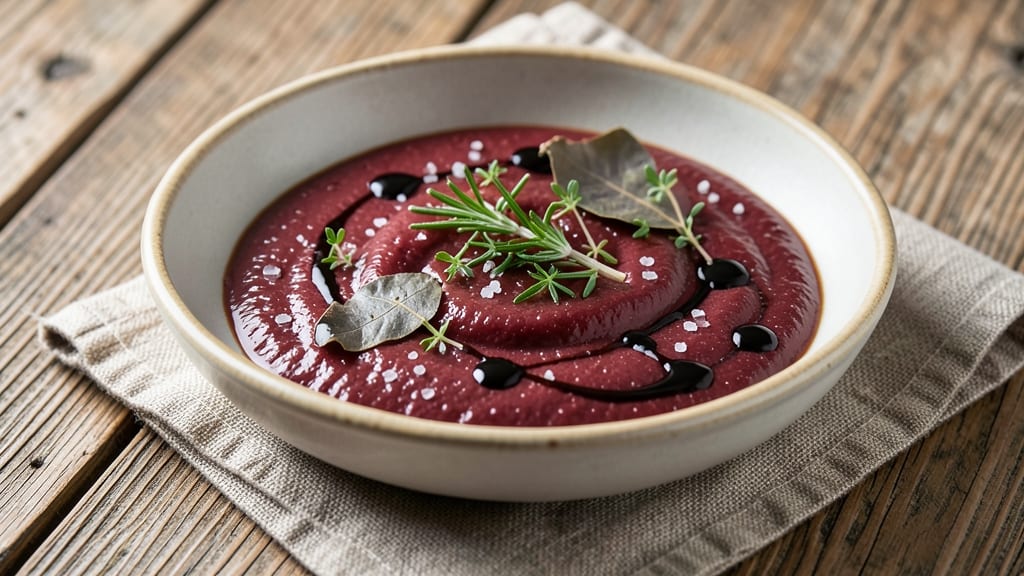
This venison sauce recipe transforms game day into a gourmet experience with its rich, velvety red wine reduction and earthy herb complexity. The deep flavors cut through venison's natural richness, creating a sauce that elevates any preparation—whether roasted, grilled, or braised.
What makes this recipe stand out is the balance of bold red wine, aromatic herbs, and a touch of sweetness that rounds out the finish.
The foundation of this sauce lies in a carefully built reduction that develops layers of flavor over time. Simmering red wine and venison broth creates a deep, concentrated base, while fresh thyme, rosemary, and bay leaf infuse earthy notes that complement the gamey depth of venison.
A splash of balsamic vinegar and a pinch of cinnamon add complexity, ensuring every bite delivers a sophisticated harmony.
What you'll achieve is a sauce with a glossy, velvety texture that clings beautifully to meat, offering both richness and acidity in perfect balance. The reduction technique ensures maximum flavor concentration, while the addition of butter at the end creates a luxurious finish that feels restaurant-worthy.
This sauce isn't just for venison—it works equally well with beef, lamb, or even mushrooms.
Best of all, this recipe scales effortlessly for different occasions. Make a small batch for weeknight dinners or double it for holiday feasts. The sauce keeps well in the refrigerator for up to five days, making it a versatile addition to your culinary repertoire.
Let's create this game-changing sauce that will impress even the most discerning palates.
Ingredients for venison sauce
Ten ingredients transform simple simmering into restaurant-quality venison sauce with velvety texture and layered depth.
| Ingredient | Amount | Notes |
|---|---|---|
| Dry Red Wine 🍷 | 2 cups | Bold variety like Cabernet Sauvignon |
| Venison Broth 🍲 | 1 ½ cups | Homemade or quality store-bought |
| Fresh Thyme 🌿 | ¼ cup | Stems removed, finely chopped |
| Fresh Rosemary 🌿 | ⅛ cup | Needles finely chopped |
| Bay Leaves 🌿 | 2 whole | Dried, standard size |
| Balsamic Vinegar 🍶 | 2 tbsp | Aged, high-quality |
| Ground Cinnamon 🌶️ | ¼ tsp | Freshly ground preferred |
| Unsalted Butter 🧈 | ½ cup | Cold, cubed for finishing |
| Granulated Sugar 🍚 | 1 tbsp | White or brown |
| Diamond Crystal Kosher Salt 🧂 | 1 ½ tsp | For seasoning during reduction |
The red wine is non-negotiable—Cabernet Sauvignon or Merlot delivers the bold, dry profile this sauce demands. Trader Joe's and Total Wine carry excellent affordable options, or raid your cellar for something you already enjoy. Venison broth? If you can't find it, beef broth works in a pinch, but the gamey depth is worth seeking out. Fresh herbs elevate this sauce dramatically—Whole Foods or local farmers' markets offer the brightest thyme and rosemary. Look for stems that snap easily (sign of freshness) and vibrant green needles. The bay leaves should be whole and plump, not brittle or crumbling.
No red wine? Beef broth with 1 tbsp balsamic vinegar mimics the acidity, though the depth will differ. Running short on fresh herbs? Dried thyme at one-third the amount works, but skip the rosemary substitution—its piney notes are essential. The sugar can be swapped for honey or maple syrup, though white sugar dissolves most cleanly. For a quicker version, pre-reduced wine sauces from the gourmet aisle (like Bertolli) cut prep time by half, though homemade always tastes superior. The butter must be cold when added—European-style brands like Plugrá melt more smoothly than American varieties.
This sauce develops best over time—3-4 hours of simmering concentrates the flavors beautifully. Store in airtight containers with a thin layer of oil on top to preserve the glossy finish. Keeps 5 days refrigerated or 3 months frozen. For holiday prep, make a double batch and freeze in ice cube trays—thaw as needed for quick weeknight dinners. The sauce thickens as it cools, so reheat gently with a splash of broth if needed. Leftovers taste even better the next day as flavors meld further.
Why You'll Love This Recipe
- I’ll be real: venison isn’t cheap, but this sauce stretches it. A little goes a long way, and the wine and herbs make it feel special without breaking the bank. Perfect for when you want to impress but keep costs low.
- Wine Simmer Magic: Honestly, I can’t believe how little effort this takes. Just toss in the red wine, venison broth, and a few sprigs of thyme—no fancy techniques, no stress. The wine reduces down to a rich, glossy sauce while you prep the rest of your meal.
- Deep Umami Richness: Between us, that venison broth and red wine combo creates a flavor that’s next-level. The rosemary and bay leaves add earthy warmth, while the thyme brings brightness—like a cozy hug in sauce form. (Yes, even on a Tuesday night.)
- Leftovers That Shine: This sauce actually improves the second day. I’ve used it to glaze roasted potatoes, drizzle over grilled steak, or even toss with pasta—every time, it’s a hit. No sad, watery leftovers here.
Step-by-step instructions for deep red wine reduction with earthy herbs
This rich venison sauce transforms bold flavors into a velvety reduction that pairs perfectly with game meats.
Sauté Aromatics Until Fragrant
In a heavy-bottomed saucepan, combine the 2 cups dry red wine, 1.5 cups venison broth, 0.25 cup fresh thyme, 0.125 cup fresh rosemary, 2 whole bay leaves, 2 tbsp balsamic vinegar, and 1 tbsp granulated sugar. Place over medium-high heat and bring to a gentle boil, stirring occasionally to prevent scorching.
Once boiling, reduce heat to medium-low and let the mixture simmer uncovered for 15-20 minutes. You'll notice the liquid reduces noticeably, and the aromatics infuse deeply into the wine. The sauce should smell intensely of herbs and wine—this is your signal the base is developing properly. Skim off any foam that rises to the surface to maintain clarity.
Season and Reduce to Thick Consistency
Add the 1.5 tsp diamond crystal kosher salt and 0.25 tsp ground cinnamon, stirring to dissolve completely. The cinnamon adds subtle warmth that complements the earthy venison flavors. Increase heat slightly to medium and continue reducing, stirring occasionally, until the liquid reduces by about half—this should take another 20-25 minutes.
You're aiming for a syrupy consistency where the sauce coats the back of a spoon smoothly. If reduction happens too quickly, lower the heat to prevent overcooking. The sauce should smell deeply of concentrated wine and herbs, with a hint of caramelized sweetness from the sugar and vinegar.
Finish with Butter for Richness
Remove the pan from heat and strain the sauce through a fine-mesh sieve into a clean saucepan, pressing gently on the solids to extract maximum flavor. Return the strained sauce to low heat and whisk in the 0.5 cup unsalted butter, cubed, until fully melted and incorporated. The butter will create a luxurious, velvety texture.
Taste and adjust seasoning if needed—venison broth can vary in saltiness. The finished sauce should be rich, balanced between the wine's acidity, the herbs' earthiness, and the butter's richness. If too thick, whisk in 1-2 tablespoons of warm water to reach your desired consistency. Keep warm until serving.
Serve Immediately Over Venison
This sauce is best served immediately over sliced venison or as a dipping sauce for game meat appetizers. The deep red color and complex flavor profile make it an ideal complement to venison's robust taste. For best results, prepare the sauce just before serving to maintain its vibrant qualities.
If storing, transfer to an airtight container and refrigerate for up to 3 days. Reheat gently over low heat, stirring frequently to prevent separation. The sauce may thicken upon reheating—thin with a splash of warm water or venison broth as needed. Serve warm over venison roasts, steaks, or even as a glaze for game meat appetizers.
Pro Tips For Making Venison Sauce
- DEGLAZE HOT, NOT HURRY: When you add the red wine to the pan after searing venison, keep the heat medium-high—not simmering, not boiling. I used to rush this and end up with a dull, alcohol-heavy sauce instead of rich, caramelized depth. Let that wine bubble vigorously for 2-3 minutes before adding broth, or you’ll miss the flavor extraction.
- TOAST THE HERBS: Strip the thyme leaves from their stems and tear the rosemary needles off the woody stalks—but don’t skip toasting them first. Toss the fresh herbs in a dry pan over low heat for 30 seconds until fragrant. My grandmother swore by this, and she was right: it deepens their aroma without overpowering the wine’s acidity.
- SIMMER LOW AND LONG: After combining all ingredients, reduce the sauce to a gentle simmer—not a rolling boil. Venison broth is delicate, and high heat turns it cloudy or even curdles it. A 20-25 minute simmer at low heat concentrates the flavors without risking bitterness, and yes, even if you’re impatient like me.
- STRAIN FOR CLARITY: Use a fine-mesh strainer or cheesecloth to remove herbs and bay leaves—don’t just fish them out. I learned this the hard way when a stubborn bay leaf stayed in the sauce and left a bitter aftertaste. A quick press with a spoon ensures no hidden debris ruins the smooth texture, especially if you’re serving it over pasta or dumplings.
Health benefits of this recipe
Heart-Healthy Protein Booster
Venison is one of nature's leanest proteins, with a 6-ounce serving providing about 40 grams of protein and just 150 calories. This sauce enhances its natural benefits by creating a flavorful, nutrient-dense pairing that supports muscle recovery without excess fat.
The red wine base also contains polyphenols, which promote heart health and reduce inflammation. 💪
Rich in Iron and Zinc
Venison is packed with iron (3.5mg per serving) and zinc (4mg per serving), essential minerals that support energy levels and immune function. The sauce's reduction process preserves these nutrients while adding complementary flavors.
The herbs like rosemary and thyme contribute additional antioxidants, making this sauce a powerhouse for overall wellness.
Balanced Blood Sugar
The sauce includes 1 tablespoon of sugar and ½ teaspoon of cinnamon, which work together to create a balanced sweetness that helps stabilize blood sugar levels. The cinnamon also enhances insulin sensitivity, making this sauce a great choice for those monitoring their glucose intake.
The acidity from the balsamic vinegar further aids in digestion and nutrient absorption.
Antioxidant-Rich Herbs
The fresh thyme and rosemary in this sauce are loaded with antioxidants like rosmarinic acid and thymol, which combat oxidative stress and support cellular health.
These herbs also add depth to the sauce while providing anti-inflammatory benefits. The bay leaves contribute additional antioxidants, rounding out the sauce's nutritional profile. ✨
Low-Fat, High-Flavor
Unlike many rich sauces, this venison sauce is naturally low in fat thanks to its wine and herb base. The finishing butter adds richness without overpowering the dish, making it a lighter alternative to heavy cream-based sauces.
This balance ensures you get bold flavor without the guilt, perfect for health-conscious diners.
Digestive Benefits
The balsamic vinegar in the sauce aids digestion by stimulating stomach acid production, helping your body break down the protein in venison more efficiently. The herbs also have carminative properties, reducing bloating and discomfort after meals.
This makes the sauce not just delicious but also gentle on the digestive system. 🌿
Nutrition facts
Frequently asked questions
Can I substitute beef broth for venison broth?
Yes, but expect slightly different flavor depth. Beef broth works well as a substitute, though it won't have venison's distinctive gamey richness. For best results, add 1 teaspoon of soy sauce or ½ teaspoon of liquid smoke to beef broth to mimic venison's earthy notes. The sauce will still taste delicious, just with a more traditional beefy profile.
How do I prevent the sauce from becoming too acidic?
The sauce's acidity comes from the red wine and balsamic vinegar. To balance it, add ½ teaspoon more sugar during reduction or a pinch of cinnamon (already in the recipe) to round out the flavors. Taste as you go—if it's too sharp, whisk in 1 teaspoon of honey or 1 tablespoon of unsalted butter at the end to mellow the acidity.
What's the best way to store leftover sauce?
Transfer the cooled sauce to an airtight container and refrigerate for up to 5 days. For longer storage, freeze in ice cube trays—thaw as needed for quick use. When reheating, warm gently over low heat and stir frequently to prevent separation. If the sauce thickens upon reheating, thin with a splash of warm venison or beef broth. Always keep a thin layer of oil on top to preserve its glossy finish.
Can I use this sauce for other meats besides venison?
This sauce works beautifully with beef, lamb, or even mushrooms for a vegetarian option. The rich red wine and herb profile complements the bold flavors of these proteins. For poultry, reduce the balsamic vinegar to 1 tablespoon to avoid overpowering the delicate meat. The sauce's versatility makes it a pantry staple for game day and beyond.
Why does my sauce look cloudy after straining?
Cloudiness usually means tiny herb particles or wine sediment didn't strain completely. For a clearer sauce, press the solids more firmly through a fine-mesh sieve or use a cheesecloth lined with the sieve. If you prefer the rustic look, leave it slightly cloudy—it adds character! For next time, simmer the herbs longer (25-30 minutes) to extract more flavor before straining.