
Sauces & Condiments
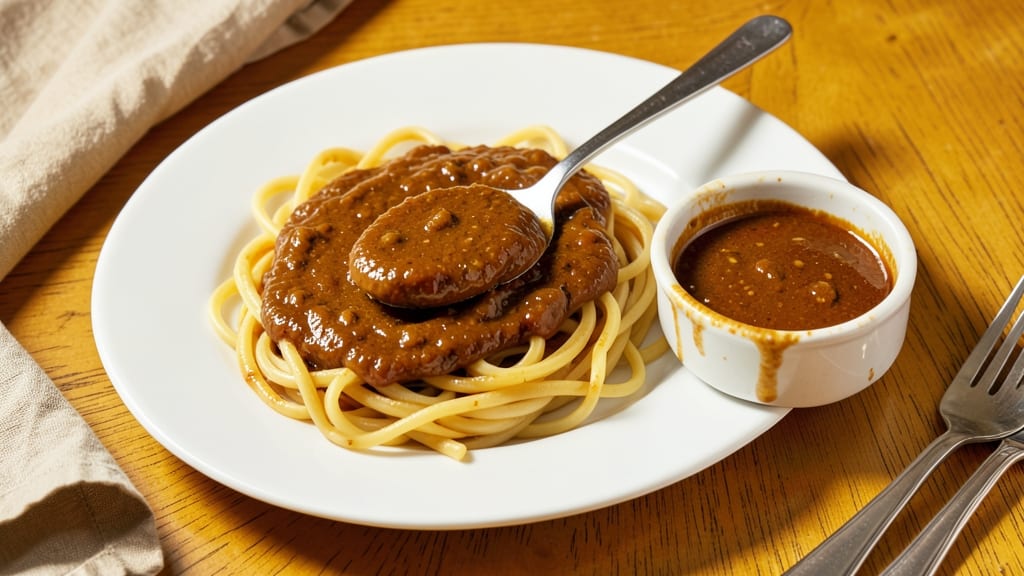
Creating a veggie sauce recipe that delivers bold umami flavor requires just a handful of ingredients and a few key techniques. This versatile sauce transforms simple vegetables into a rich, savory base perfect for pasta, grains, or as a dipping sauce.
The secret lies in balancing sweet and savory elements through caramelization and reduction.
What sets this sauce apart is its depth of flavor without relying on meat or heavy cream. By blending roasted vegetables with aromatic herbs and a touch of miso paste, you create a sauce that’s packed with umami richness.
The process is straightforward: roast, blend, and simmer until thick and flavorful. It’s a game-changer for plant-based cooking, offering restaurant-quality results at home.
This sauce develops even better as it sits, allowing flavors to meld and intensify over time. Store it in the refrigerator for up to five days or freeze for longer shelf life.
Whether you’re tossing it with pasta, drizzling over roasted vegetables, or using it as a marinade, this sauce elevates any dish with minimal effort.
The beauty of this recipe is its flexibility—adjust the vegetables based on what’s seasonal or available. The technique remains the same, ensuring a consistently delicious outcome every time. Let’s get started on creating your own bold, umami-packed veggie sauce.
Ingredients for veggie sauce
Nine ingredients, rich umami flavor—this sauce transforms simple vegetables into a restaurant-quality base.
| Ingredient | Amount | Notes |
|---|---|---|
| Red Bell Pepper 🍆 | 1 whole | Roasted for sweetness and depth |
| Yellow Onion 🧅 | 1 whole | Charred for caramelized flavor |
| Garlic Cloves 🧄 | 4 cloves | Roasted until golden brown |
| Mushrooms 🍄 | 8 oz | Cremini or shiitake preferred |
| White Miso Paste 🍶 | 1 tbsp | High-quality, fermented umami |
| Extra-Virgin Olive Oil 🫒 | ½ cup | For roasting and finishing |
| Vegetable Broth 💧 | 1 ½ cups | Low-sodium, homemade preferred |
| Fresh Thyme Leaves 🌿 | ¼ cup | Stems removed, finely chopped |
| Tomato Paste 🍅 | 1 tbsp | High-quality, no sugar added |
| Balsamic Vinegar 🍷 | 1 tbsp | For acidity and depth |
The vegetables form the sauce's foundation, so prioritize freshness and quality. Heirloom or organic produce from farmers' markets delivers superior flavor, but standard grocery store selections work well too. Look for firm, vibrant mushrooms and bright red bell peppers—avoid any with soft spots or wilting. The miso paste is non-negotiable for umami depth; White Miso by Hodo or Miso Master brands are excellent choices. For the vegetable broth, homemade yields the best results, but Imagine or Pacific Foods low-sodium options are reliable store-bought alternatives. Roast the vegetables until deeply charred—the caramelization is what transforms this into a complex sauce.
No fresh thyme? Dried thyme at one-third the amount works in a pinch, though fresh yields brighter flavor. Substitute shiitake mushrooms for cremini if unavailable—they offer an earthier profile. For extra richness, add 1 tbsp nutritional yeast to the blend. The balsamic vinegar can be swapped for red wine vinegar or apple cider vinegar, though balsamic provides a deeper, slightly sweet contrast. If you prefer a smoother texture, strain the sauce through a fine-mesh sieve after blending. For a quicker version, use pre-roasted garlic from the jar, though fresh roasted garlic delivers superior flavor. The tomato paste can be omitted entirely if you prefer a non-tomato base, though it adds a subtle sweetness that balances the umami.
This sauce develops deeper flavor over time, so make it a day ahead if possible. Store it in an airtight container in the refrigerator for up to 5 days, or freeze for 3 months in portion-sized containers. To reheat, warm gently on the stove with a splash of water or broth to restore texture. The sauce thickens as it cools, so thin with additional broth if needed. Portion into ice cube trays for single-use servings—perfect for quick pasta tosses or drizzling over dishes. The sauce also freezes beautifully, making it an ideal make-ahead condiment for busy weeks.
Why You'll Love This Recipe
- No-Chop Nightmare: I swear by this—just slice the bell pepper into strips (not even dice), toss in the onions and mushrooms whole if you’re lazy, and let the pan do the work. That miso paste? One spoonful, stir it in, and suddenly everything tastes like you spent hours simmering.
- Umami Bomb: The white miso and garlic combo is chef’s kiss—deep, savory, with that little tang that makes you go back for more. Roast the bell pepper first (or skip it, I won’t judge), but trust me, the caramelized edges on those mushrooms? Pure satisfaction.
- Pantry Staple Magic: This sauce is my secret weapon for lazy nights, potlucks, or when I forget to meal prep. Dump it over noodles, stir into rice, or slather it on toast—it’s the kind of thing that turns a sad Tuesday into a “wait, is this dinner?” moment.
- Leftovers That Don’t Suck: Make a double batch, store it in the fridge, and thank me later. The flavors actually get better after a day or two—no sad, watery leftovers here. Freeze half for next month, and you’ve just saved yourself a grocery run. Win.
Step-by-step instructions for bold umami veggie sauce
Transform simple vegetables into a rich, layered sauce that elevates any dish.
Roast Vegetables for Deep Flavor
Preheat your oven to 425°F. Cut the 1 whole red bell pepper and 1 whole yellow onion into large chunks, removing seeds and membranes from the pepper. Place them on a rimmed baking sheet, drizzle with 0.25 cup extra-virgin olive oil, and toss to coat evenly. Roast for 25-30 minutes, stirring once, until the edges are deeply charred and the onions caramelize.
While the vegetables roast, peel and halve the 4 cloves garlic cloves lengthwise. Add them to the baking sheet in the last 10 minutes of roasting so they develop a golden, nutty aroma. The high heat transforms their natural sweetness into concentrated flavor—this is the foundation of your sauce. Remove from oven and let cool slightly before proceeding.
Develop the Umami Base
Heat 0.25 cup extra-virgin olive oil in a large skillet over medium heat. Add the 8 oz mushrooms, sliced into ¼-inch pieces, and cook for 8-10 minutes until they release their moisture and develop golden-brown spots. Remove mushrooms and set aside.
In the same skillet, add the roasted red bell pepper, yellow onion, and garlic cloves. Stir in the 1 tbsp white miso paste and 1 tbsp tomato paste, cooking for 2 minutes until the miso dissolves and the mixture darkens slightly. This step builds the sauce's umami depth—don't rush it. The miso paste should integrate completely, creating a velvety base.
Simmer with Broth and Aromatics
Pour in the 1.5 cups vegetable broth and bring to a gentle simmer. Add the cooked mushrooms back to the skillet, along with the 0.25 cup fresh thyme leaves. Reduce heat to low and let the sauce simmer uncovered for 15 minutes, stirring occasionally. The broth should reduce by about one-third, intensifying the flavors.
Here's where precision matters: the sauce should coat the back of a spoon but remain pourable. If it thickens too quickly, add 1-2 tablespoons water to maintain the right consistency. The thyme leaves will infuse their earthy aroma, while the broth carries all the roasted vegetable essence into a cohesive sauce.
Finish with Acid and Balance
Remove the skillet from heat and stir in the 1 tbsp balsamic vinegar. This final addition brightens the sauce's richness and cuts through any lingering bitterness from the roasted vegetables. Taste and adjust seasoning with additional salt if needed—though the miso and tomato paste should provide enough natural saltiness.
The sauce is now ready to use immediately or store for later. For pasta, toss with al dente noodles and finish with fresh herbs. For vegetables, drizzle over roasted broccoli or Brussels sprouts. This versatile sauce keeps well in the refrigerator for up to 5 days, making it perfect for meal prep.
Pro Tips For Making Veggie Sauce
- Sweat Onions Low: I used to rush this step and end up with bitter onions in my sauce—don’t. Cook them on medium-low heat with a splash of water or wine until they’re completely translucent and soft, about 8-10 minutes. That’s when they’ll actually caramelize properly and not overpower the rest of your flavors.
- Slice Mushrooms Thin: Thick mushroom chunks stay tough and watery. Grab a sharp knife and slice them paper-thin—this guarantees they’ll break down into the sauce instead of turning into a sad, chewy mess. (Yes, it takes a few extra minutes, but trust me.)
- Bloom Miso First: Skip the urge to toss miso in at the end. Mix it with a splash of warm broth or water first, let it sit for 30 seconds to dissolve, then stir it into the sauce. This prevents clumping and ensures the umami spreads evenly—no gritty surprises.
- Deglaze Aggressively: After your veggies brown, don’t just splash in liquid and stir. Scrape the bottom of the pan with a wooden spoon—those stuck-on bits are flavor gold. Add a splash of water, wine, or even a little soy sauce, then let it simmer for a minute to pull everything up. (Your sauce will taste richer, I promise.)
Make-ahead tips for this recipe
Prep Ahead Strategy
Roast all vegetables 24 hours in advance and store them in an airtight container in the refrigerator. The flavors deepen as they sit, and you can reheat them gently in a skillet before blending.
I use a Vitamix for blending, but any high-powered blender works—just pulse until smooth. This step saves you 30 minutes on cooking day. 💡
Freezer-Friendly Portions
Divide the finished sauce into 1-cup portions in silicone ice cube trays or small freezer-safe containers. Once frozen, transfer to a ziplock bag with all air removed.
These portions thaw in 10 minutes in the microwave or 30 minutes in a bowl of warm water—perfect for quick pasta tosses or drizzling over dishes. Label with dates for easy tracking.
Broth Reduction Hack
For a thicker sauce, reduce the broth by half before adding mushrooms. Simmer 1.5 cups vegetable broth uncovered in a saucepan over medium-high heat for 10 minutes, stirring occasionally.
This concentrated base adds intense umami without extra ingredients. Store reduced broth in the fridge for up to 3 days or freeze for 3 months.
Herb Infusion Trick
Add fresh thyme stems (not just leaves) to the simmering sauce—they release more flavor. After blending, strain through a fine-mesh sieve if you prefer a silky texture. For extra richness, stir in 1 tbsp tahini or nutritional yeast before storing. These additions boost flavor without altering the sauce’s balance. ✨
Long-Term Storage Tips
Freeze sauce in glass jars (leave 1-inch headspace) for up to 3 months. Thaw overnight in the fridge—never microwave directly from frozen, as it can break down the sauce’s texture.
To reheat, warm on the stovetop over low heat with 1 tbsp water to restore consistency. The sauce thickens as it cools, so thin with broth if needed.
Batch Cooking Plan
Double the recipe and store half in the fridge for 5 days and half frozen for 3 months. Use the fridge portion for weeknight meals (pasta, roasted veggies) and the frozen portion for holiday gatherings or last-minute dinners.
Label containers with the date and "Use within 3 months" to avoid freezer burn. This plan ensures you always have umami-rich sauce on hand! 🌟
Nutrition facts
Frequently asked questions
Can I make this veggie sauce without roasting the vegetables?
Roasting is key for developing deep, caramelized flavors, but you can sauté instead. Sear the onion, bell pepper, and garlic in olive oil over medium-high heat for 10-12 minutes until golden. The sauce will be less complex but still delicious. For extra flavor, add a pinch of smoked paprika to the sautéed veggies.
What are the best vegetables to substitute if I don’t have bell peppers or mushrooms?
Try zucchini or eggplant for sweetness, or carrots and fennel for earthy depth. Swap mushrooms for portobello caps or hearts of palm for a meaty texture. The key is balancing sweet and savory—roast until tender and charred. For umami, add 1 tsp soy sauce or ½ tsp nutritional yeast to compensate.
How do I fix a sauce that’s too thin or too thick?
For a thin sauce, simmer uncovered for 5-10 more minutes to reduce. For a thick sauce, stir in 1 tbsp cornstarch mixed with 2 tbsp water and simmer for 2 minutes. Avoid adding flour directly—it can make the sauce grainy. If the texture is off, blend again briefly to emulsify.
Can I use this sauce as a marinade for tofu or chicken?
Yes! Thin the sauce with 2 tbsp soy sauce or apple cider vinegar to create a pourable marinade. Let tofu or chicken marinate for 30 minutes (tofu) or 2-4 hours (chicken) in the fridge. The umami flavors will infuse beautifully, especially when grilled or baked. Save some sauce to drizzle over the cooked protein.
Why does my veggie sauce taste bland after reheating?
Reheating can mute flavors, especially if the sauce sits too long. Revive it by adding 1 tsp balsamic vinegar or a pinch of smoked salt while warming. For extra depth, stir in 1 tsp miso paste or a splash of vegetable broth to restore moisture. Always reheat over low heat to avoid breaking down the sauce’s texture.