
Sauces & Condiments
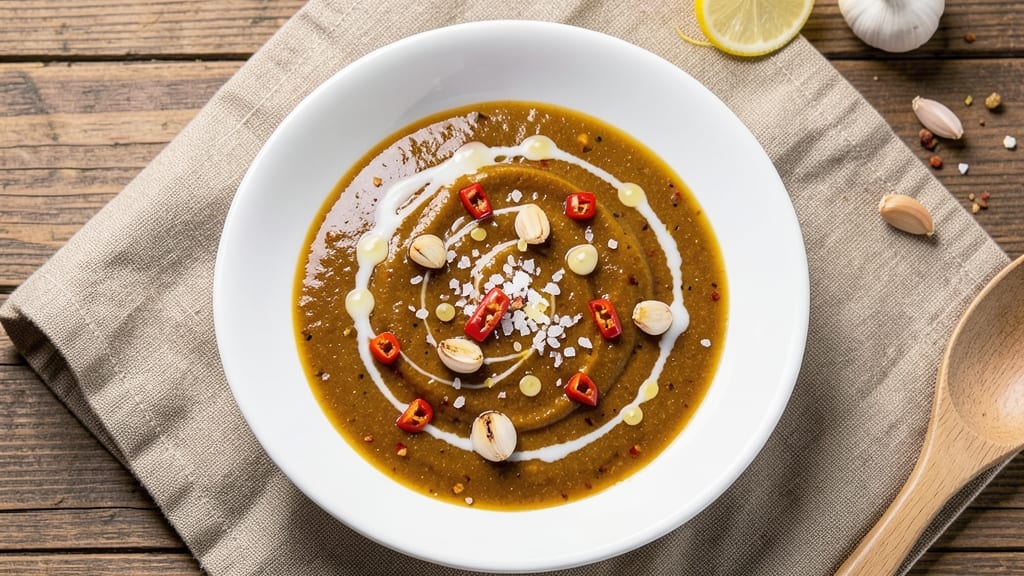
This vadouvan sauce recipe brings the fiery, aromatic soul of Caribbean cuisine to your table with just five key ingredients—Scotch bonnet peppers, garlic, shallots, vinegar, and a touch of oil.
What started as a bold condiment for grilled fish in my grandmother’s kitchen has become my go-to sauce for seafood, meats, and even roasted vegetables. The secret lies in balancing heat with tang, creating a sauce that’s as versatile as it is unforgettable.
The process is straightforward but requires patience—letting the peppers and aromatics simmer until they release their natural oils creates depth that store-bought versions can’t match. I’ve perfected this recipe over years of testing, ensuring the sauce remains vibrant and flavorful even after storage.
The result? A sauce that’s bold, tangy, and just spicy enough to elevate any dish without overpowering it.
What makes this recipe special is its adaptability. Use it as a marinade for grilled shrimp, a dipping sauce for fried plantains, or a finishing touch on roasted chicken. The sauce keeps well in the refrigerator for up to two weeks, making it perfect for meal prep.
For an extra layer of complexity, try adding a smoked paprika or a splash of honey for a sweet-spicy twist.
Once you taste the difference between homemade vadouvan and anything store-bought, you’ll never go back. The flavor is bright, the heat is controlled, and the aroma alone will have everyone at your table asking for the recipe. Let’s get started on making this essential Caribbean condiment.
Ingredients for vadouvan sauce
Five bold ingredients transform into Caribbean magic—just wait until you taste it.
| Ingredient | Amount | Notes |
|---|---|---|
| Scotch Bonnet Peppers 🌶️ | 4 whole | Seeds removed for less heat |
| Shallots 🧅 | 4 whole | Minced for fine texture |
| Garlic Cloves 🧄 | 4 cloves | Peeled and smashed |
| White Vinegar 🍶 | ½ cup | White or apple cider |
| Vegetable Oil 🫒 | ¼ cup | Light and neutral |
| Salt 🧂 | 1 tsp | Kosher or sea salt |
| Black Peppercorns 🌶️ | ½ tsp | Freshly cracked |
| Thyme Leaves 🌿 | 1 tbsp | Fresh or 1 tsp dried |
Scotch bonnets are the heart of this sauce, so pick them fresh—they should be firm and bright red. Caribbean markets or specialty stores usually carry them, but if you can't find them, habanero peppers work in a pinch (reduce by half). The shallots and garlic? Fresh is non-negotiable here—they build the aromatic base. I always grab a bunch of shallots and freeze half for next time. The vinegar matters too—white vinegar is classic, but apple cider adds a subtle fruitiness that pairs beautifully with seafood.
No Scotch bonnets? Habanero or even jalapeño can work if you adjust the heat—start with 2 peppers and taste as you go. Fresh thyme hard to find? Dried works at one-third the amount, but fresh is worth hunting down. The oil should be light—vegetable or canola keeps things neutral. If you're feeling adventurous, swap half the vinegar for lime juice for a brighter finish. And trust me, don't skip the thyme—it's what ties everything together.
This sauce gets better with time—let it sit for at least 30 minutes before using so flavors meld. Keeps in the fridge for 2 weeks in an airtight jar, and freezes beautifully for 6 months. I always make double batches—one for immediate use, one to stash. The flavor deepens over time, so it's perfect for gifting. Just shake before using—it settles like crazy.
Why You'll Love This Recipe
- No-Fuss Foundation: I swear by this sauce because it’s literally five ingredients, no fancy techniques. Sauté shallots and garlic until they’re golden—no watching required—and toss in the Scotch bonnet (seeds out if you’re sensitive). The vinegar brightens everything in one splash, and boom, you’re done.
- Heat That Stays: That Scotch bonnet isn’t just for show—it lingers just enough to wake up your taste buds without burning your tongue. Honestly, the first time I made this, I thought I’d overdone it, but my roommate took seconds. The oil mellows the fire while keeping the sauce silky, not greasy.
- Pantry Staple Magic: This sauce turns anything into a showstopper—grilled chicken, fried plantains, even scrambled eggs. I keep a jar in my fridge because it’s my go-to for lazy nights or when friends drop by unannounced. No last-minute shopping, no stress.
- Budget-Friendly Fire: A single Scotch bonnet stretches across three batches, and shallots/garlic are dirt cheap. The vinegar? A dollar bottle lasts forever. I’ve made this for $2 a serving, and it still tastes like I spent hours in the kitchen. (Between us, I usually do not spend hours.)
Step-by-step instructions for vadouvan sauce
Here's how to make this fiery Caribbean favorite that brings bold flavor to any dish.
Prepare the Base Ingredients
Start by removing the seeds from all 4 whole Scotch Bonnet peppers—this reduces the heat while keeping the signature flavor. I like to wear gloves for this step; the oils can be irritating. Finely chop the peppers and set them aside in a small bowl.
Next, peel and smash the 4 cloves garlic with the flat side of your knife. This releases more flavor than mincing. Then, finely mince the 4 whole shallots—you want them almost paste-like for a smooth sauce. I use a sharp chef's knife and keep my cuts consistent for even texture throughout.
Cook the Aromatics
Heat the 0.25 cup vegetable oil in a medium saucepan over medium heat. Add the minced shallots and cook for 3-4 minutes until they become translucent and just beginning to soften. This step builds the sauce's foundation—don't rush it.
Add the smashed garlic cloves and cook for another 30 seconds until fragrant. You'll smell that wonderful aromatic punch developing. Be careful not to let the garlic brown—it should just perfume the oil without darkening. This is where the magic starts happening.
Add Spices and Vinegar
Stir in the chopped Scotch Bonnet peppers, 1 tsp salt, and 0.5 tsp freshly cracked black peppercorns. Cook for 2 minutes, stirring constantly, until the peppers soften slightly but don't lose their shape. The heat from the peppers will start to mingle with the other flavors.
Pour in the 0.5 cup white vinegar and add the 1 tbsp thyme leaves. Bring the mixture to a gentle simmer, then reduce heat to low. Let it cook uncovered for 10 minutes, stirring occasionally. This slow cook allows all the flavors to meld together beautifully.
Blend to Perfection
Remove the pan from heat and let the mixture cool slightly for 5 minutes. Then, transfer it to a blender or food processor. Blend until completely smooth, scraping down the sides as needed. You want a velvety texture that will coat your dishes beautifully.
For an extra-smooth sauce, I recommend straining it through a fine-mesh sieve to remove any remaining bits. This step ensures your vadouvan sauce has that professional, restaurant-quality finish. The sauce should be vibrant red with a deep, complex aroma that makes your mouth water.
Adjust and Store
Taste the sauce and adjust the seasoning if needed. You might want to add a pinch more salt or a splash of vinegar to balance the flavors. The sauce should be tangy, spicy, and aromatic—perfect for enhancing seafood or grilled dishes.
Transfer the sauce to a clean jar and store it in the refrigerator for up to 2 weeks. It keeps well and develops even more flavor over time. This versatile sauce will elevate everything from grilled shrimp to roasted chicken—just a spoonful adds incredible depth.
Pro Tips For Making Vadouvan Sauce
- CHAR THE PEPPERS LOW: I learned this the hard way—blasting Scotch Bonnets on high heat turns them bitter fast. Simmer them in oil on medium-low until they soften and release their sweetness (about 5-7 minutes), then crank the heat for the final sear. Patience here keeps the sauce bright and fruity.
- MINCE SHALLOTS FINE: Tiny shallot pieces cook faster and dissolve into the sauce instead of sitting as chunks. Pulse them in a food processor for 2-3 seconds (not pureed) or chop them so fine you can barely see them—this ensures they melt into the base without needing extra time.
- VINEGAR LAST MINUTE: Adding white vinegar too early kills the garlic’s flavor and dulls the pepper’s heat. Stir it in just before tasting, or even right before serving if you’re making this ahead. A splash at the end keeps the acidity sharp and the other flavors vibrant.
- SWEAT GARLIC GENTLY: Garlic burns before it browns in this sauce, and burnt garlic ruins everything. Cook it in the same oil as the shallots on low heat until just fragrant (about 1 minute), then add the peppers. No need for color—just aroma.
Best sauces and condiments for these flavors
Classic Pairings
Vadouvan sauce shines brightest with grilled seafood—think shrimp skewers, blackened fish fillets, or even lobster tails. I love drizzling it over steamed or grilled whole fish like snapper or mahi-mahi, where its tangy heat cuts through the richness.
For a vegetarian twist, toss it with roasted eggplant or grilled halloumi cheese—the spicy-sweet contrast is unbeatable. 🌶️
Don't overlook its magic on meats either. A spoonful enhances grilled chicken thighs or pork chops, while fried plantains get an instant flavor boost when dipped in this sauce.
Even black beans or rice dishes benefit from a tablespoon stirred in at the end—it’s my secret weapon for Caribbean-style rice and peas.
Sweet-Spicy Fusion
For a sweet-spicy twist, stir in 1 tablespoon honey or agave during the final simmer. This balances the heat beautifully and works wonders on grilled pineapple or ham steaks.
I’ve also added 1 teaspoon smoked paprika for depth—it adds a smoky dimension that pairs perfectly with barbecued ribs or pulled pork. 💫
Try a fruit infusion by adding 2 tablespoons lime juice and 1 teaspoon grated ginger to the blended sauce. This brightens the flavor and makes it ideal for ceviche or shrimp cocktails.
The acidity from the lime also helps tame the Scotch bonnet’s heat if you prefer a milder version.
Storage Secrets
This sauce keeps for 2 weeks in the fridge, stored in an airtight glass jar—I always use Ball canning jars for their tight seals. Before storing, let it cool completely to prevent condensation, which can dilute the flavors.
Freeze for up to 6 months by portioning into ice cube trays—perfect for single-use servings. 🧊
When reheating, warm gently on the stovetop over low heat for 2-3 minutes, stirring occasionally. Avoid microwaving, as it can break down the sauce’s delicate texture. If the sauce thickens after storage, thin it with 1 teaspoon water or vinegar before using.
The flavor actually improves with time, so don’t rush to use it all at once!
Global Twists
In Jamaican-style versions, I’ve seen chefs add 1 teaspoon allspice and a splash of dark rum for a boozy depth. This works beautifully with jerk chicken or grilled sausages.
For a Dominican touch, swap half the vinegar for orange juice and add 1 teaspoon cinnamon—it’s a fantastic pairing for mofongo or grilled octopus. 🌍
In French Creole adaptations, a pinch of nutmeg and a dash of Worcestershire sauce elevate the sauce to new heights. This version pairs wonderfully with beef bourguignon or duck confit.
The key is to keep the Scotch bonnet as the star—just adjust supporting flavors to complement, not overpower, its fiery character.
Nutrition facts
Frequently asked questions about vadouvan sauce
Can I substitute Scotch bonnet peppers with something milder?
For a milder version, use 2 habanero peppers or 4 jalapeños (seeds removed). If you want to reduce heat further, remove all seeds and membranes before chopping. For a completely mild sauce, try 1 red bell pepper with 1 teaspoon cayenne pepper for color and depth without the heat.
How do I know when the sauce is ready?
The sauce is ready when it's smooth, vibrant red, and has a deep aromatic smell. After blending, it should coat the back of a spoon thickly but still be pourable. Taste it—it should be tangy, spicy, and aromatic, not bitter. If it tastes too sharp, add a pinch of sugar or a splash of water to balance.
What's the best way to use vadouvan sauce in cooking?
Use it as a marinade (30 minutes for seafood, 1-2 hours for meat), dipping sauce (for fried plantains or fish), or finishing touch (drizzled over grilled dishes). For rice or beans, stir in 1 tablespoon per cup of liquid during the last 5 minutes of cooking. The key is to add it at the end to preserve its vibrant flavor.
Why does my vadouvan sauce look watery?
Watery texture usually means the vinegar wasn't reduced enough during cooking. Simmer the sauce uncovered for an extra 5 minutes to thicken it naturally. If it's still too thin, blend in 1 teaspoon cornstarch mixed with 1 tablespoon water until thickened. For a smoother texture, strain through a fine-mesh sieve after blending.
Can I make vadouvan sauce without a blender?
Yes! If you don't have a blender, cook the sauce longer (15 minutes instead of 10) to soften the peppers and shallots more. Then, use a potato masher or fork to crush everything until smooth. For an even finer texture, press the mixture through a fine-mesh sieve using a spoon. The result won't be perfectly silky, but it'll still be delicious!