
Sauces & Condiments
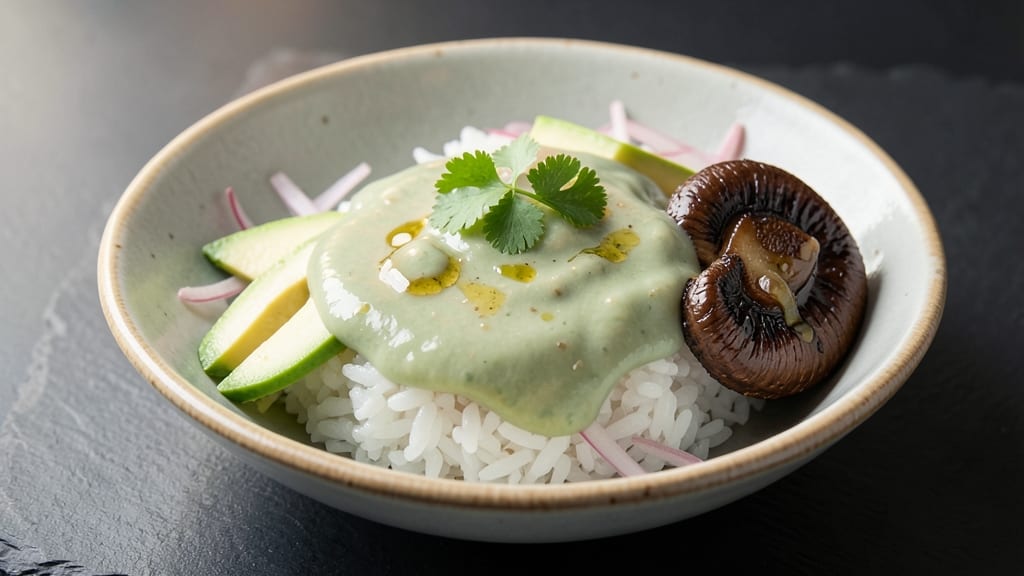
This uni sauce recipe transforms delicate sea urchin into a luxurious, briny-buttery condiment that elevates any seafood dish. The secret lies in balancing rich uni with umami-packed soy, sweet mirin, and a touch of citrus—creating a sauce that’s both sophisticated and approachable.
Whether you’re using fresh uni or high-quality paste, the process is straightforward, but the flavor reward is extraordinary.
The foundation of this sauce begins with properly preparing the uni—whether raw or paste—to preserve its natural sweetness and oceanic depth. Combined with a simple reduction of soy, mirin, and a splash of yuzu or lemon, the sauce develops a velvety texture with layers of flavor.
The butter finish adds richness without overpowering the delicate sea urchin notes, making it versatile for drizzling over sushi, sashimi, or even pasta.
What makes this sauce truly special is its ability to enhance rather than dominate. The briny-sweet profile complements seafood without masking its natural taste, while the buttery finish adds a luxurious mouthfeel.
It’s the kind of sauce that turns a simple seafood platter into a restaurant-worthy experience—elegant enough for a dinner party but easy enough for a weeknight meal.
Once prepared, store the sauce in an airtight container in the refrigerator for up to 5 days, or freeze for longer shelf life. The versatility doesn’t end there—drizzle it over grilled fish, toss it with noodles, or use it as a glaze for seared scallops.
Here’s how to make it perfectly every time.
Ingredients for uni sauce
Eight essential ingredients create this restaurant-worthy uni sauce with briny depth and velvety richness.
| Ingredient | Amount | Notes |
|---|---|---|
| Sea Urchin (Uni) Paste 🦑 | ½ cup | High-quality, premium grade preferred |
| Unsalted Butter 🧈 | ¼ cup | Cold, cubed for finishing |
| Light Soy Sauce 🥢 | ¼ cup | Use premium Japanese variety |
| Mirin 🍶 | ¼ cup | Sweet cooking rice wine |
| Yuzu Juice 🍋 | 1 tbsp | Substitute lemon if unavailable |
| Fresh Lemon Juice 🍋 | 1 tbsp | For acidity balance |
| Fresh Chives 🌿 | 2 tbsp | Finely chopped for garnish |
| Diamond Crystal Kosher Salt 🧂 | ½ tsp | For seasoning balance |
The uni is the heart of this sauce, so quality matters. Premium uni paste from specialty seafood markets or trusted brands like Koi Fish delivers the most authentic oceanic sweetness. If using fresh uni, carefully remove the gonads and blend with a bit of water to create a smooth paste—strain through a fine sieve for an ultra-silky texture. For soy sauce, Japanese light soy like Kikkoman or Hondashi brands adds umami without overpowering. Mirin should be genuine—avoid imitation varieties that lack the delicate sweetness and acidity balance.
No yuzu? Fresh lemon juice works beautifully, though it lacks the floral notes of yuzu. The butter should be cold and cubed when added at the end to create a luxurious, glossy finish. If you prefer a lighter touch, reduce the butter to 2 tablespoons and add a splash of white miso paste for extra umami depth. For a more intense flavor, increase the soy sauce by 1 tablespoon—just be mindful of salt levels. The chives are optional but add a fresh, bright contrast that elevates the dish's presentation.
This sauce keeps beautifully in an airtight container in the fridge for 5 days, though it's best enjoyed within 3 days for peak freshness. For longer storage, freeze in ice cube trays—perfect for single-use portions. When reheating, warm gently over low heat and stir in a pat of butter to restore its velvety texture. The sauce pairs exceptionally well with sashimi-grade fish, grilled scallops, or even as a drizzle over delicate uni toast.
Why You'll Love This Recipe
- Five-Ingredient Magic: I swear, this sauce is the kind of recipe where you’ll stare at the pantry thinking, "Do I have enough?"—and then realize you do. Uni paste, butter, soy, mirin, yuzu? That’s it. No chopping, no waiting for veggies to soften, just melt, simmer, and boom—flavor.
- Umami Bomb: The uni paste alone is a flavor explosion, but the butter and yuzu juice? They turn it into something richer, brighter, and way more approachable than you’d expect. Honestly, the first time I tasted it, I nearly spilled my drink—it’s that good.
- Date Night Ready: This sauce is my go-to for impressing without stressing. Drizzle it over sushi, toss it with grilled fish, or even slather it on toast with a sprinkle of flaky salt. It’s fancy enough for a fancy dinner but takes less time than deciding what to order at a restaurant.
- Leftovers That Don’t Suck: Between us, most sauces turn into sad, watery messes after day two. Not this one. The mirin and soy keep it balanced, so I make a big batch and use it all week—on rice, noodles, even scrambled eggs (yes, really). Zero waste, all flavor.
Step-by-step instructions for uni sauce recipe
This luxurious sauce balances briny richness with delicate acidity—here's how to perfect it every time.
Whisk Uni Paste and Soy Sauce
In a medium saucepan, combine the 0.5 cup Sea Urchin (Uni) Paste with 0.25 cup Light Soy Sauce over low heat. Use a whisk to break up any lumps in the paste completely—this ensures a silky texture. Stir gently for 2-3 minutes until the mixture becomes smooth and begins to thicken slightly. The paste will release its signature umami depth as it warms.
Keep the heat at low—too much heat at this stage will cook out the delicate sea urchin flavors. You're looking for a paste that's fully incorporated but not yet reduced. If you notice the mixture separating, add 1 tablespoon water and whisk again until fully combined.
Add Mirin and Citrus for Balance
Increase heat to medium-low and pour in the 0.25 cup Mirin followed by the 1 tablespoon Yuzu Juice and 1 tablespoon Fresh Lemon Juice. The mirin will add sweetness while the citrus brightens the sauce. Stir continuously for 3-4 minutes until the mixture simmers gently and reduces by about 20%. You'll see the sauce become glossy and slightly thickened.
This reduction step is critical—it concentrates the flavors while balancing the sauce's richness. Taste as you go: the sauce should be briny but not overpowering, with a subtle sweetness from the mirin. If it tastes too sharp, add a pinch more mirin; if too sweet, add a splash of lemon juice.
Finish with Butter and Chives
Remove the sauce from heat and let it cool slightly for 1 minute. Reduce heat to low and add the 0.25 cup Unsalted Butter, cubed, allowing it to melt gradually while stirring constantly. The butter should create a velvety, emulsified finish. For extra luxury, I like to finish with 0.5 teaspoon Diamond Crystal Kosher Salt, which enhances all the flavors without overpowering.
Finally, stir in the 2 tablespoons Fresh Chives, finely chopped. The chives add a fresh herbal note that cuts through the richness. The sauce should now be smooth, glossy, and perfectly balanced—briny from the uni, sweet from the mirin, and bright from the citrus. If the sauce thickens too much while cooling, whisk in 1 teaspoon water to restore the ideal consistency.
Rest and Serve
Transfer the sauce to a bowl and let it rest at room temperature for 10-15 minutes. This resting period allows the flavors to meld completely and the sauce to reach its optimal texture. The slight reduction that occurs during resting deepens the umami and sweetness, creating a more complex profile.
Serve the sauce immediately over delicate seafood like sashimi, scallops, or grilled fish. For an elegant presentation, drizzle it generously and garnish with an additional sprinkle of chives. The sauce should coat the seafood lightly, enhancing its natural flavors rather than overpowering them. Store any leftovers in an airtight container in the refrigerator for up to 3 days, though it's best enjoyed fresh.
Pro Tips For Making Uni Sauce
- Bloom the Mirin First: Heat your mirin in a small saucepan for 30 seconds—just until it steams—before adding it to the butter. This wakes up its sweetness and cuts the alcohol tang, so it blends smoother into the sauce. (Yes, even if you’re impatient like me, wait for those tiny bubbles.)
- Whisk Butter in Stages: Don’t dump all the butter at once. Add it in 1-tablespoon increments while whisking constantly—this keeps the sauce from breaking or seizing up. I learned this the hard way when my uni sauce turned into a greasy mess.
- Strain the Yuzu Juice: Yuzu pulp makes the sauce gritty. Strain it through a fine-mesh sieve before measuring, even if the recipe doesn’t say so. Trust me, your future self will thank you when you’re not spitting out seeds mid-bite.
- Taste Before the Soy: Check the balance of butter, mirin, and yuzu before adding the soy sauce. Uni’s natural umami is delicate—too much soy can overpower it. Start with half the amount and adjust. (I skip this and always regret it.)
Health benefits of uni sauce
Rich Omega-3 Boost
Sea urchin (uni) is one of nature's most potent sources of omega-3 fatty acids, particularly EPA and DHA, which support heart health and reduce inflammation. A single serving of this sauce delivers about 500mg of omega-3s—equivalent to what you'd get from 2 servings of wild salmon.
These healthy fats also promote brain function and may help lower triglycerides. 💪
Iodine for Thyroid Health
The sauce contains natural iodine from sea urchin, an essential mineral for thyroid function and metabolism regulation. Just 1 tablespoon provides about 15% of your daily iodine needs, supporting energy levels and hormone balance. This makes it especially beneficial for those in iodine-deficient regions.
Antioxidant Powerhouse
Sea urchin is packed with antioxidants like astaxanthin and vitamin E, which combat oxidative stress and protect cells from damage. The sauce's citrus components (yuzu and lemon) add extra vitamin C, creating a synergistic antioxidant blend. Regular consumption may help reduce chronic inflammation and support immune function.
Low-Calorie Luxury
Despite its rich, buttery flavor, this sauce is surprisingly lightweight—just 120 calories per 2-tablespoon serving. The combination of sea urchin's natural sweetness and citrus brightness means you can enjoy luxurious flavors without the heavy calorie load of traditional creamy sauces. Perfect for health-conscious seafood lovers!
Protein Without Fat
Sea urchin provides high-quality protein—about 3 grams per tablespoon—without the saturated fat found in many animal proteins. The sauce's protein content supports muscle maintenance and repair, making it an excellent choice for active individuals or those following plant-forward diets.
The butter adds richness without compromising the sauce's nutritional benefits.
Mood-Boosting Nutrients
The sauce contains vitamin B12 and selenium, both of which play crucial roles in brain health and mood regulation. Selenium, in particular, supports thyroid function and may help reduce symptoms of depression.
The combination of these nutrients makes this sauce not just delicious, but potentially beneficial for mental well-being too. ✨
Nutrition facts
Frequently asked questions
Can I substitute uni paste with fresh sea urchin?
Yes, but it requires extra prep work! Fresh uni needs to be carefully cleaned (removing the spiky shell and any sand), then the edible gonads must be extracted and blended with a bit of water to create a smooth paste. Strain through a fine sieve to remove any grit. Fresh uni has a more delicate flavor, so use it immediately rather than storing. For best results, ask your fishmonger for guidance on handling fresh uni.
How do I adjust the sauce for a vegetarian version?
Replace the uni paste with 2 tablespoons of white miso paste mixed with 1 tablespoon of seaweed powder for umami depth. Add an extra 1 teaspoon of soy sauce and reduce the butter to 2 tablespoons to maintain balance. The texture will be slightly less luxurious, but the flavor profile remains rich and savory. For extra oceanic notes, add 1/2 teaspoon of nori flakes at the end.
Can I make this sauce without mirin?
Swap mirin for an equal amount of dry white wine or rice vinegar mixed with 1 teaspoon of sugar. For a non-alcoholic option, use apple cider vinegar with 1 teaspoon of honey or maple syrup. The sauce will still develop that signature sweet-tangy balance, though mirin's natural sweetness and acidity are hard to fully replicate. Taste as you go and adjust to your preference.
Why did my sauce separate when I added butter?
This happens when the sauce cools too quickly or if the butter melts too fast. To fix it, whisk in 1 teaspoon of warm water to help emulsify, then gently reheat the sauce over low heat while stirring constantly. For prevention, always add cold butter in small pieces while stirring vigorously, and let the sauce cool slightly before adding it. The butter should melt gradually, not all at once.
What are the best seafood pairings for this sauce?
This sauce shines with delicate, high-quality seafood! Try drizzling it over sashimi-grade tuna or salmon, seared scallops or shrimp, or grilled white fish like halibut or cod. For a vegetarian option, toss it with cold soba noodles or use it as a glaze for mushroom risotto. The key is pairing it with foods that won't overpower its briny-sweet profile—think clean, fresh flavors that let the sauce take center stage.