
Sauces & Condiments
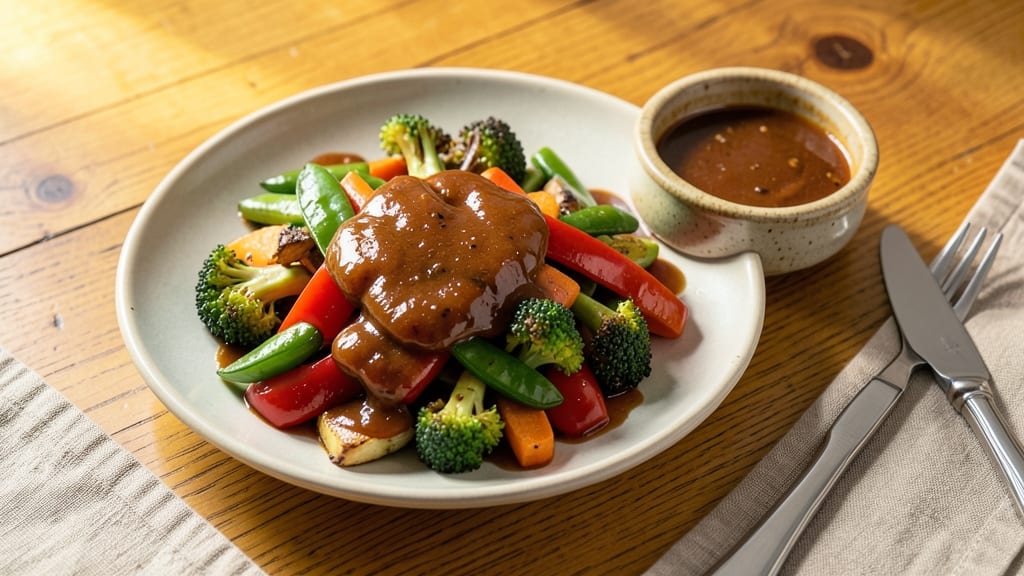
This teriyaki sauce recipe delivers the glossy, sticky perfection that elevates everything from grilled chicken to stir-fried vegetables. Standing on a step stool in my grandmother’s kitchen in Sicily, I first learned how balance transforms simple ingredients into something extraordinary—and this sauce does exactly that.
The secret lies in the harmony of soy sauce, mirin, and sugar, simmered until thick and irresistibly shiny. It’s the kind of sauce that transforms ordinary meals into restaurant-quality experiences with just a few minutes of work.
The beauty of this recipe is its versatility. You can use it as a glaze for proteins, a marinade for tenderizing meat, or even a dipping sauce for fresh spring rolls.
The umami depth comes from high-quality soy sauce and a touch of ginger, while the mirin adds that signature sweetness without overpowering. Unlike store-bought versions, this sauce develops richer flavors the longer it sits, making it perfect for meal prep.
With just five simple ingredients, you’ll have a sauce that’s far superior to anything you’ve tried before.
What makes this teriyaki sauce truly special is how it clings to food—whether you’re brushing it onto searing salmon or tossing it with steamed vegetables, the result is always sticky, caramelized perfection.
The sauce thickens as it cooks, creating that glossy finish that makes every bite taste like it was made by a professional. And because it keeps well in the fridge for up to two weeks, you’ll always have a flavorful shortcut on hand for quick weeknight dinners.
Once you taste this homemade version, you’ll never go back to bottled teriyaki again. The balance of sweet, salty, and umami is exactly what you’re looking for, and the process is straightforward enough for anyone to master. Let’s get started—your taste buds will thank you.
Ingredients for teriyaki sauce
Five simple ingredients transform into sticky, restaurant-quality teriyaki sauce that elevates any dish.
| Ingredient | Amount | Notes |
|---|---|---|
| Soy Sauce 🍶 | ½ cup | High-quality, like Kikkoman or La Choy |
| Mirin 🍶 | ¼ cup | Sweet rice wine, not mirin substitute |
| Granulated Sugar 🍚 | ½ cup | White or brown sugar works |
| Fresh Ginger 🌿 | 1 tbsp | Grated, for zingy freshness |
| Garlic Cloves 🧄 | 3 cloves | Minced, for aromatic depth |
| Extra-Virgin Olive Oil 🫒 | 1 tbsp | For glossy finish and balance |
| Water 💧 | ¼ cup | Adjust for desired consistency |
| Sesame Oil 🥜 | 1 tsp | Toasted, for nutty aroma (optional) |
The soy sauce is the backbone here—Kikkoman or La Choy give that authentic umami punch. Mirin is non-negotiable for that signature sweetness, but if you can't find it, dry sherry plus a pinch of sugar works in a pinch. The ginger and garlic? Freshly grated and minced make all the difference—no powdered shortcuts. I grab my ginger at Whole Foods because it's always bright and firm, but the regular grocery store stuff works fine if it's not rubbery. The garlic? Four cloves if you're feeling extra flavorful, but three is perfect for a balanced sauce.
No mirin? Substitute with 2 tbsp sugar plus 1 tbsp water—it won’t be identical, but it’ll get you close. Skip the sesame oil if you’re allergic, but trust me, that toasted nutty aroma is worth the tiny splash. For a sweeter sauce, add 1 extra tbsp sugar. For a tangier kick, bump the soy sauce to 0.6 cups. The olive oil might seem odd, but it’s what gives that glossy finish—don’t skip it. And if you’re making this ahead, reduce the water slightly since the sauce thickens as it cools.
This sauce gets better with time—24 hours in the fridge lets all the flavors meld. Store it in a glass jar in the fridge for up to 2 weeks, or freeze in ice cube trays for single-use portions. Leftovers thicken as they cool, so just add a splash of water to thin it out. The longer it sits, the richer it gets—perfect for meal prep. And if you’ve got extra, brush it on grilled chicken or drizzle it over rice bowls. Trust me, you’ll use it all.
Why You'll Love This Recipe
- Pantry Magic: I swear by this sauce because it uses things I already have—no special trips to the store. That jar of mirin gathering dust? Perfect. The ginger root I bought on impulse last month? Finally put to work. Five ingredients, one sauce, zero excuses.
- Umami Bomb: The garlic and ginger sizzle in the pan until the kitchen smells like a Tokyo street cart. Honestly, the sugar caramelizes just enough to balance the salty soy, and that first brush on grilled chicken? Pure satisfaction—sticky, sweet, and savory all at once.
- Weeknight Superstar: Slather it on chicken thighs for dinner, toss leftover rice in it for lunch, or drizzle it over roasted veggies when I’m out of ideas. Between us, it’s the only sauce that turns a $2 protein into something everyone actually finishes.
- Make-Ahead MVP: I double the batch every Sunday so I’m never scrambling midweek. Keeps in the fridge for up to two weeks, and the flavor only gets deeper. Plus, it’s cheaper than store-bought—no weird additives, just real taste for half the price.
Step-by-step instructions for glossy teriyaki sauce
Here's how to create the perfect balance of sweet, salty, and umami in every bite.
Prepare the Aromatics and Base Ingredients
In a medium saucepan, combine the 0.5 cup soy sauce, 0.25 cup mirin, and 0.5 cup granulated sugar. Stir gently over medium heat until the sugar begins to dissolve completely—this should take about 2-3 minutes. You'll see the mixture transform from grainy to smooth, with a subtle effervescence as the sugar activates.
While the mixture heats, peel and finely grate the 1 tablespoon fresh ginger using a microplane or fine grater. Mince the 3 cloves garlic into a paste using a knife or garlic press. Here's the thing—fresh ginger and garlic make all the difference. Pre-mincing them ensures even distribution and prevents burning during cooking.
Build Flavor with Olive Oil and Aromatics
Add the 1 tablespoon extra-virgin olive oil to the saucepan along with the grated ginger and minced garlic. Reduce the heat to medium-low and let the mixture simmer for 3-4 minutes, stirring frequently. You'll notice the aromatics release their oils and fragrance—this is when the sauce starts developing its signature depth. The olive oil adds a luxurious gloss and balances the intensity of the soy and ginger.
Don't walk away during this step. Ginger and garlic burn quickly, and you want them to soften rather than darken. When the mixture smells rich and aromatic, with the garlic just beginning to turn golden, it's ready for the next phase. This is where the sauce's complexity begins to form.
Simmer and Thicken to Perfection
Pour in the 0.25 cup water and bring the mixture to a gentle boil. Once boiling, reduce the heat to low and let it simmer uncovered for 10-12 minutes. Stir occasionally to prevent sticking, but don't over-stir—this can create a skin on the sauce. You're looking for the sauce to reduce by about one-third, thickening to a glossy, syrupy consistency that coats the back of a spoon.
Here's what I do: I taste the sauce after 8 minutes to check the balance. It should be sweet, tangy, and slightly salty with a hint of ginger's zing. If it's too thin, simmer another 2 minutes. If it's too thick, add 1 teaspoon water at a time until you reach that perfect coating consistency. The sauce should cling to whatever you're glazing—chicken, fish, or vegetables—without dripping off.
Finish with Sesame Oil for Depth
Remove the saucepan from heat and let it cool slightly for 2 minutes. This resting period allows the flavors to meld before you add the finishing touch. Stir in the 1 teaspoon sesame oil—this is optional but adds a nutty aroma and rich finish that elevates the sauce from good to extraordinary. The sesame oil should be toasted, not raw, for that authentic teriyaki flavor.
Give it one final taste and adjust the seasoning if needed. You might want to add a pinch more sugar for sweetness or a splash of soy sauce for saltiness. Once perfectly balanced, transfer the sauce to a clean jar or bowl. It'll keep in the refrigerator for up to 2 weeks, making it perfect for meal prep. For the best results, use it within 5-7 days when the flavors are at their peak.
Pro Tips For Making Teriyaki Sauce
- Simmer Low and Slow: I used to blast this sauce on high, thinking it’d caramelize faster—it just burned. Keep the heat at a gentle simmer (small bubbles, occasional swirls) for 10-12 minutes. This lets the sugar dissolve smoothly without turning the sauce into syrup glue.
- Grate Ginger Fine: Skip the mincer if you’re in a hurry, but don’t just chop ginger roughly. Use the smallest holes on a box grater or pulse it twice in a food processor. Too many chunks = bitterness lingering in every spoonful.
- Balance Sugar First: Taste the sauce before adding all the sugar. Start with half, simmer, then adjust—some mirin is sweeter than others. I’ve ruined batches by dumping in the full amount upfront and ending up with sticky, cloying sludge.
- Use Garlic Paste: Peeled garlic cloves burn faster than you’d think, and they can turn acrid. Swap them for 1 tablespoon of high-quality garlic paste (no oil added) for consistent flavor without the risk of scorching. Works every time, even when I’m distracted.
Storing and reheating this teriyaki sauce
Fridge Storage Secrets
Store your teriyaki sauce in a clean glass jar with an airtight lid in the refrigerator for up to 2 weeks. The glass preserves flavor better than plastic, and the lid prevents evaporation that can alter consistency.
I always use a quart-sized mason jar—it’s perfect for leftovers and easy to grab when prepping meals. Let the sauce cool completely before sealing to avoid condensation buildup, which can dilute flavors. 💧
Freezing for Long-Term Use
For longer storage, freeze your sauce in ice cube trays or small silicone molds. Portion it into 1-tablespoon cubes for easy single-use applications—perfect for glazing or dipping. Transfer the frozen cubes to a freezer bag and flatten to save space.
Thaw overnight in the fridge or microwave for 10-15 seconds on low power. The texture may thin slightly after freezing, so adjust with a splash of water if needed.
Reviving Thickened Sauce
Teriyaki sauce thickens as it cools, which is normal! If it becomes too thick, whisk in 1 teaspoon water at a time until you reach a glossy, pourable consistency. For extra richness, add ½ teaspoon toasted sesame oil to restore depth.
I’ve found that reheating leftovers on the stovetop over low heat for 2-3 minutes helps maintain its silky texture better than microwaving. Avoid boiling—it can break down the sauce’s delicate balance.
Reheating for Glazing
When using stored teriyaki sauce as a glaze, reheat it gently to 165°F to kill any bacteria and restore its clingy texture. Warm it in a small saucepan over medium-low heat for 3-4 minutes, stirring occasionally.
For quick meals, microwave it in 20-second bursts, stirring between each, until hot. The sauce should be smooth and slightly bubbly—not simmering vigorously, which can make it too thin. A quick taste test ensures it’s ready to brush onto your protein or vegetables. 🔥
Preserving Freshness
To extend shelf life, add a fresh garlic clove or a strip of ginger to the jar before sealing—these natural preservatives help maintain flavor. For homemade sauce, I also recommend using pasteurized ingredients like bottled mirin and store-bought soy sauce to minimize bacteria risks.
If you notice mold or an off smell, discard it immediately—teriyaki sauce should always smell bright, slightly sweet, and aromatic, never sour or fermented.
Creative Leftovers
Don’t let extra sauce go to waste! Use it to marinate proteins (like chicken or shrimp) for 30-60 minutes before cooking. Or thin it with a splash of water and use it as a dipping sauce for spring rolls or dumplings.
For a quick fix, stir it into steamed rice with a soft-boiled egg and scallions—it’s my go-to lazy dinner. The sauce’s versatility makes it a pantry staple that never disappoints. ✨
Nutrition facts
Frequently asked questions
Can I make this teriyaki sauce without mirin?
Yes! If you don't have mirin, substitute with 2 tablespoons sugar plus 1 tablespoon water or 1 tablespoon honey plus 1 tablespoon dry sherry. The sauce will still develop depth, though mirin's natural sweetness and umami make it ideal. For extra richness, add ½ teaspoon rice vinegar to mimic mirin's tang.
How do I know when my homemade teriyaki sauce is thick enough?
The sauce is ready when it coats the back of a spoon smoothly and reduces by about one-third from its original volume. It should be glossy but still pourable—not syrupy. Test by brushing a small amount on a piece of chicken—if it clings without dripping, it's perfect!
Can I use this sauce as a marinade?
This sauce works wonderfully as a marinade for chicken, shrimp, or tofu. Let proteins marinate for 30-60 minutes (no longer for delicate fish). For extra tenderness, add 1 tablespoon honey to the marinade. Always discard unused marinade after contact with raw meat.
Why did my teriyaki sauce turn cloudy or separate?
Cloudiness often happens if the sauce cools too quickly or if ingredients weren't fully dissolved. Stir in 1 teaspoon cornstarch mixed with 1 tablespoon water and simmer for 1-2 minutes to restore clarity. For separation, whisk vigorously or blend briefly to re-emulsify. Always reheat gently to prevent further issues.
What's the best way to use leftover teriyaki sauce?
Leftover sauce is perfect for glazing roasted vegetables, drizzling over rice bowls, or brushing on baked salmon. Thin with water or broth for stir-fries, or reduce it further to make a sticky glaze. Freeze extras in ice cube trays for single-use portions—just thaw and reheat!