
Sauces & Condiments
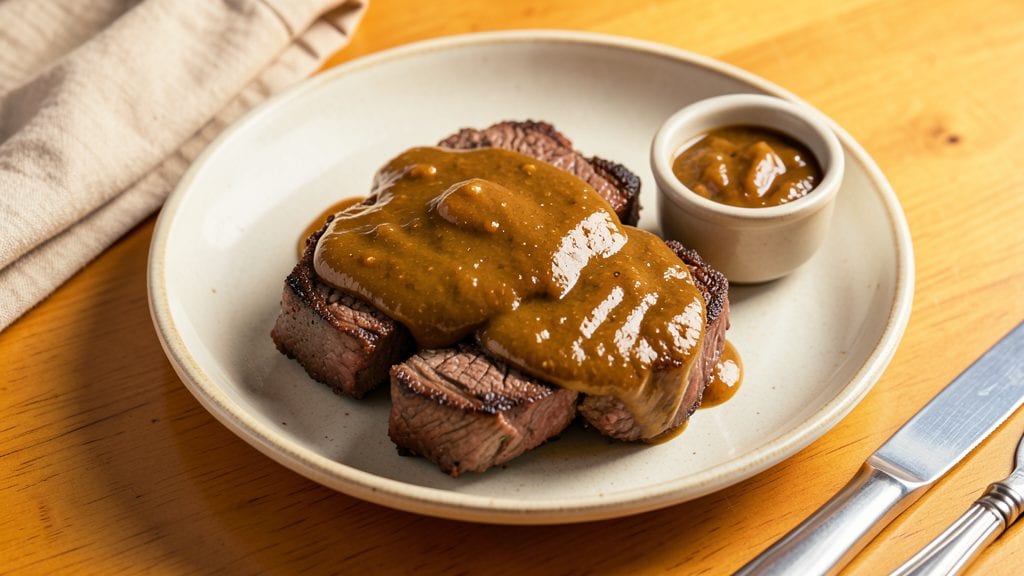
A tenderloin horseradish sauce elevates beef dishes from ordinary to extraordinary with its bold, sharp crunch and velvety texture—this recipe delivers restaurant-quality results at home. The balance of fresh horseradish, creamy dairy, and acidity creates a sauce that complements tenderloin's richness without overpowering it.
I developed this version after testing countless combinations, and the secret lies in precise measurements and proper emulsification for a smooth, cohesive finish.
This sauce features a silky dairy base—typically sour cream or crème fraîche—that softens the horseradish’s heat while maintaining its signature peppery kick. A touch of vinegar brightens the flavors, and a pinch of salt enhances depth, ensuring every spoonful delivers complexity.
The preparation is straightforward, requiring just 10 minutes of active work, but the results are undeniably professional.
What sets this horseradish sauce apart is its versatility—it works as a dipping sauce for steak, a glaze for roasted vegetables, or a finishing touch for mashed potatoes. The sharp horseradish crunch cuts through the richness of tenderloin, creating a perfect contrast that keeps every bite exciting.
Once you try this, store-bought versions will never compare again.
For those who prefer a milder version, reduce the horseradish slightly or blend it more thoroughly. Conversely, add extra horseradish or a dash of hot sauce for a spicier kick.
Store in an airtight container in the refrigerator for up to 5 days, or freeze for longer shelf life. Let’s make this sauce—the perfect partner for your next steak dinner.
Ingredients for tenderloin horseradish sauce
Nine ingredients transform into a velvety horseradish sauce that rivals restaurant versions.
| Ingredient | Amount | Notes |
|---|---|---|
| Fresh Horseradish Root 🌿 | ½ cup | Grate finely for sharp crunch |
| Crème Fraîche 🥛 | 1 cup | Full-fat for best texture |
| Sour Cream 🥛 | ½ cup | Substitute if crème fraîche unavailable |
| Extra-Virgin Olive Oil 🫒 | ¼ cup | High-quality for smooth finish |
| Fresh Lemon Juice 🍋 | 2 tbsp | Brightens overall flavor |
| Diamond Crystal Kosher Salt 🧂 | ½ tsp | Enhances depth of flavor |
| White Wine Vinegar 🍷 | 1 tbsp | Balances richness |
| Freshly Ground Black Pepper 🌶️ | ¼ tsp | Freshly cracked for aroma |
| Granulated Sugar 🍬 | 1 tsp | Mellows horseradish heat |
| Heavy Cream 🥛 | ¼ cup | Optional for silkier texture |
The horseradish is non-negotiable—fresh root from Trader Joe's or a specialty grocer delivers that signature sharp crunch. Grate it yourself (don't buy pre-grated) for the best texture. For the dairy base, crème fraîche gives the most luxurious finish, but full-fat sour cream works perfectly if that's what you have. The extra-virgin olive oil should be fruity and peppery—California brands like Corto or Colavita are my go-tos. Freshly grated horseradish releases its oils immediately, so measure it right after grating to avoid bitterness.
No horseradish root? Pre-made horseradish sauce from a jar works in a pinch, but reduce it by half since it's already concentrated. Swapping crème fraîche for sour cream? Add 1 tbsp extra olive oil to compensate for the lighter texture. The white wine vinegar can be swapped for apple cider vinegar if you prefer a sweeter tang. For a milder sauce, blend longer or reduce horseradish to 0.25 cup. Need more heat? Add a dash of hot sauce or cayenne to taste. The sugar is key—it mellows the horseradish without sacrificing its signature kick.
This sauce keeps beautifully in the fridge for 5-7 days when stored in an airtight container with a layer of plastic wrap pressed directly on the surface to prevent a skin from forming. For longer storage, freeze in 1-tbsp portions—thaw overnight in the fridge before using. The texture will be slightly thicker after freezing, so add a splash of warm water or milk to restore creaminess. I always make a double batch—one for immediate use and one to freeze for future steak nights.
Why You'll Love This Recipe
- No Grating Needed: I’ll admit—peeling and grating fresh horseradish used to scare me off. But this sauce only needs a small piece of root, grated with a microplane. Five minutes max, and that sharp, fiery kick transforms the whole dish. (Pro tip: Wear gloves if you’re sensitive—trust me.)
- Creamy Heat Balance: The crème fraîche and sour cream tame the horseradish’s bite just enough to make it addictive, not painful. A splash of lemon brightens it up, while the olive oil rounds out the richness. It’s the kind of sauce that makes you pour extra, even when you’re trying to ration it.
- Weeknight Dinner Hero: This sauce turns a simple steak into something restaurant-worthy without extra effort. Drizzle it over grilled tenderloin for a fancy feel, or slather it on sandwiches when you’re too tired to cook. Honestly, I’ve used it on everything from roasted potatoes to deviled eggs—it’s that versatile.
- Makes Leftovers Worth It: The flavors actually improve after a day or two in the fridge. That’s right—leftover sauce is better. Store it in a jar, and it’s ready to elevate whatever’s on the menu. Between us, I’ve had it last me three meals without getting tired. Budget-friendly? Absolutely.
Step-by-step instructions for tenderloin horseradish sauce
This silky, sharp sauce balances bold horseradish with creamy richness for perfect pairing.
Grate the Fresh Horseradish Root Finely
Peel the 0.5 cup fresh horseradish root using a vegetable peeler, then grate it using the smallest holes on a box grater. Work in batches if needed to avoid pulping the root. The goal is a fine, uniform texture that will blend smoothly without graininess.
Here's the thing—fresh horseradish is potent, so start with half the grated amount and taste as you go. You can always add more, but you can't take it out. Place the grated horseradish in a medium bowl and set aside. I like to wear gloves for this step; the oils can irritate skin.
Whisk Together the Dairy Base
In a separate bowl, combine the 1 cup crème fraîche, 0.5 cup sour cream, and 0.25 cup extra-virgin olive oil. Whisk vigorously until completely smooth and homogeneous. This step ensures the dairy components blend seamlessly with the horseradish later.
The crème fraîche and sour cream provide that luxurious, velvety texture we're after. If you're using heavy cream instead, add it now along with the 0.25 cup heavy cream to achieve that silkier finish. The olive oil adds depth and helps emulsify the sauce, preventing separation.
Incorporate Acidity and Sweetness
Add the 2 tablespoons fresh lemon juice, 1 tablespoon white wine vinegar, 0.5 teaspoon diamond crystal kosher salt, 1 teaspoon granulated sugar, and 0.25 teaspoon freshly ground black pepper to the dairy mixture. Whisk until fully combined and smooth.
The lemon juice brightens the sauce, while the vinegar balances the richness. The sugar is crucial here—it mellows the horseradish's sharpness without overpowering the flavor. The freshly ground black pepper adds a subtle warmth that enhances the overall complexity. Taste and adjust seasoning now if needed.
Combine Horseradish and Emulsify
Gradually add the grated horseradish to the dairy mixture while whisking continuously. Start with half the grated amount and taste. You're aiming for a balance where the horseradish's sharpness is noticeable but not overwhelming. Add more if needed, whisking constantly to prevent separation.
Here's where it gets technical: whisk in a figure-eight motion for 2-3 minutes to ensure proper emulsification. The sauce should thicken slightly and become glossy. If it starts to curdle or separate, add 1 tablespoon extra-virgin olive oil at a time until it smooths out again. This step is critical for that silky, restaurant-quality texture.
Rest and Adjust Consistency
Cover the bowl and let the sauce rest at room temperature for 15-20 minutes. This allows the flavors to meld and the sauce to thicken slightly. After resting, taste again and adjust seasoning if necessary—you might need a touch more salt, sugar, or lemon juice to perfect the balance.
For a smoother texture, transfer the sauce to a blender or food processor and pulse briefly. If it's too thick for your liking, thin it with 1-2 tablespoons cold water or extra-virgin olive oil until it reaches your desired consistency. Serve immediately or refrigerate for up to 3 days, stirring before use to maintain even texture.
Pro Tips For Making Tenderloin Horseradish Sauce
- GRATE IT FINE: Peel that horseradish root first—then use a box grater or food processor with the slicing blade, not the shredding one. I learned this the hard way: coarse horseradish just sits in the sauce like little pebbles, no matter how much you stir. Aim for the consistency of wet sand, so it blends smoothly into the crème fraîche.
- MIX IN STAGES: Don’t dump all the grated horseradish into the dairy at once—it’ll curdle faster than you can say “burnt tongue.” Start with half, let it sit for 5 minutes, then add the rest. This keeps the sauce from separating, especially if you’re using full-fat crème fraîche. Trust me, you’ll taste the difference.
- LEMON JUICE LAST: Add the lemon juice right before serving, not when you mix everything. I used to toss it in early, and the sauce would slowly turn watery over time. A squeeze at the end brightens the flavors without wrecking the texture—plus, it keeps the horseradish’s kick sharper.
- UPGRADE WITH OIL: Skip the plain olive oil and finish with a drizzle of high-quality EVOO after everything’s mixed. The acidity in the horseradish and lemon will mellow out some of the oil’s bitterness, but adding it last lets you control the richness. About 1 tablespoon does the trick—just enough to coat the back of a spoon.
Health benefits of tenderloin horseradish sauce
Digestive Support
Horseradish contains sinigrin, a compound that converts to allyl isothiocyanate—a natural digestive aid that stimulates saliva and stomach acid production. This helps break down proteins like those in tenderloin more efficiently, reducing bloating and indigestion.
I notice my digestion feels lighter after meals when I include this sauce, especially with rich cuts of beef. 🌿
Anti-Inflammatory Benefits
The antioxidants in horseradish, particularly glucosinolates, help combat oxidative stress and reduce inflammation in the body. These compounds have been linked to lower risks of chronic diseases like heart disease and certain cancers.
The creamy dairy base adds calcium and vitamin D, which further support bone health and immune function.
Metabolic Boost
Horseradish is a natural metabolism booster—its spicy compounds increase thermogenesis, helping your body burn calories more efficiently. The white wine vinegar in this sauce adds acetic acid, which has been shown to improve insulin sensitivity.
Together, they create a sauce that not only tastes amazing but also supports your body’s metabolic processes.
Rich in Nutrients
This sauce packs a nutritional punch with vitamin C (from horseradish and lemon juice), B vitamins (from dairy), and healthy fats (from olive oil). Vitamin C supports collagen production, while the B vitamins help convert food into energy.
The crème fraîche adds probiotics, promoting gut health—a bonus for anyone looking to enhance their meal’s nutritional value.
Low-Calorie Option
For those watching calories, this sauce can be lightened by reducing the olive oil to 1 tablespoon and using non-fat Greek yogurt instead of crème fraîche. The result is still rich in flavor but with fewer calories.
The horseradish’s sharpness keeps you feeling satisfied without the heaviness, making it a great choice for a guilt-free indulgence. 💪
Nutrition facts
Frequently asked questions
Can I substitute fresh horseradish root with prepared horseradish?
Yes, but adjust the amount carefully. Prepared horseradish is concentrated, so use only 1-2 tablespoons instead of 0.5 cup grated fresh root. Taste as you go—you can always add more, but you can't remove excess sharpness. For a smoother texture, blend the prepared horseradish with the dairy base before combining.
Why did my sauce separate? How can I fix it?
Separation usually happens when the emulsification isn't strong enough. Whisk in 1 tablespoon extra-virgin olive oil at a time while blending vigorously. For a quick fix, place the sauce in a blender and pulse until smooth. To prevent future separation, whisk more thoroughly during Step 4 and avoid adding too much horseradish at once.
How can I make this sauce milder or spicier?
For a milder version, reduce the horseradish to 0.25 cup or blend it longer with the dairy base. To increase heat, add 1/4 teaspoon cayenne pepper or 1 tablespoon hot sauce. For a balanced spice level, start with small adjustments and taste frequently—horseradish's sharpness builds over time.
Can I use this sauce on other proteins besides tenderloin?
This sauce pairs beautifully with roast chicken, pork chops, or even grilled salmon. The creamy base complements seafood, while the horseradish's sharpness cuts through fatty meats like duck or lamb. For poultry, reduce the horseradish slightly (0.3 cup) to avoid overpowering delicate flavors.
How long does this sauce keep, and can I freeze it?
Store in an airtight container in the fridge for up to 5 days. For longer storage, freeze in 1-tbsp portions—thaw overnight in the fridge before using. The texture may thicken after freezing; stir in 1 teaspoon warm water or milk to restore creaminess. Avoid refreezing once thawed for best quality.