
Sauces & Condiments
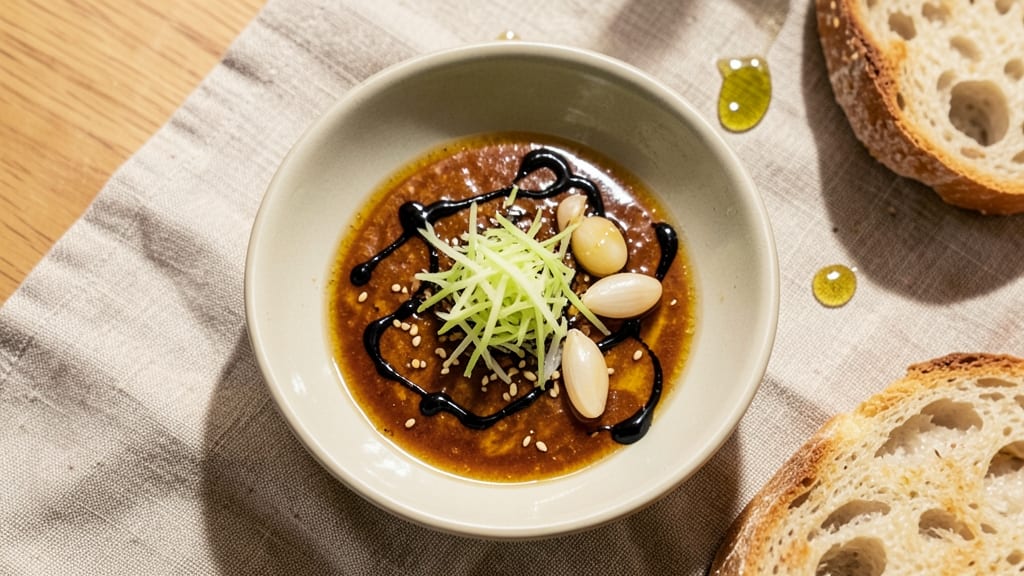
A stir-fry sauce without chicken broth transforms ordinary dishes into restaurant-quality meals with just a few pantry staples. This umami-packed soy-ginger base builds flavor through slow simmering and aromatic spices, delivering depth without relying on broth.
The secret lies in balancing sweet, salty, and acidic notes—creating a sauce that clings to proteins and vegetables while enhancing their natural taste.
What sets this recipe apart is its versatility and simplicity. With just five core ingredients and 10 minutes of active time, you’ll create a sauce that works equally well with tofu, chicken, shrimp, or stir-fried vegetables.
The ginger and garlic infuse the soy sauce with warmth, while a touch of honey or sugar rounds out the flavors, preventing bitterness. Unlike store-bought versions, this sauce develops richer layers of taste the longer it sits.
The result is a glossy, aromatic sauce that coats every bite, adding a savory-sweet depth that elevates any stir-fry. It keeps well in the fridge for up to a week, making it perfect for meal prep or batch cooking.
Whether you’re cooking for one or feeding a crowd, this sauce adapts effortlessly—simply adjust the quantities to suit your needs.
Best of all, this recipe avoids common shortcuts like chicken broth or oyster sauce, relying instead on the natural umami of soy and fermented ingredients. The technique is foolproof, ensuring consistent results every time. Let’s get started on creating a sauce that will become your go-to for quick, flavorful meals.
Ingredients for stir fry sauce recipe without chicken broth
Nine pantry staples create a restaurant-quality stir-fry sauce without relying on chicken broth or oyster sauce.
| Ingredient | Amount | Notes |
|---|---|---|
| Light Soy Sauce 🍶 | ½ cup | High-quality brand preferred |
| Dark Soy Sauce 🍶 | ¼ cup | For deeper color and flavor |
| Fresh Ginger Root 🌿 | 2 tbsp | Finely grated, aromatic |
| Garlic Cloves 🧄 | 4 cloves | Minced, fresh preferred |
| Honey 🍯 | 1 ½ tbsp | Pure, for sweetness balance |
| Sesame Oil 🫒 | 1 tbsp | Toasted, for nutty aroma |
| Rice Vinegar 🍶 | 1 tbsp | White or seasoned preferred |
| Cornstarch 🌾 | 1 tsp | For thickening consistency |
| Water 💧 | ¼ cup | Room temperature preferred |
| Red Pepper Flakes 🌶️ | ½ tsp | Adjust for heat preference |
The foundation of this sauce lies in the quality of your soy sauces. Kikkoman or Pearl River Bridge brands deliver consistent depth, while Japanese-style soy sauces offer more umami complexity. Fresh ginger and garlic are non-negotiable—organic ginger from the produce section or Whole Foods bulk bins provides the most aromatic punch. The honey should be pure, with no added corn syrup, to prevent overpowering the delicate balance. Sesame oil adds that signature nutty aroma, so toasted sesame oil from Asian markets elevates the flavor profile significantly compared to regular grocery store varieties. For the vinegar, Mushroom or seasoned rice vinegar adds subtle complexity that white vinegar lacks.
No fresh ginger? Powdered ginger at half the amount works in a pinch, though it lacks the same depth. Short on garlic? Garlic powder at the same quantity maintains flavor, though fresh is superior. Substituting honey with maple syrup or agave nectar keeps the sweetness, though honey's floral notes are ideal. The cornstarch can be swapped for arrowroot powder for a slightly clearer sauce. For heat, gochujang or sriracha can replace red pepper flakes entirely. When adjusting quantities for larger batches, maintain the same ratios—this sauce scales beautifully while preserving its balance of sweet, salty, and umami notes.
This sauce develops richer flavor over time, so make it a day ahead if possible. Store in an airtight container in the fridge for up to 1 week, though the flavor peaks after 24 hours of resting. For longer storage, freeze in ice cube trays—thaw overnight in the fridge before using. The sauce thickens as it cools, so stir in a splash of water if it becomes too viscous. It pairs perfectly with tofu, chicken, shrimp, or stir-fried vegetables, clinging to each bite for maximum flavor impact. Portion into small jars for easy meal prep—this sauce transforms any dish into a restaurant-quality experience.
Why You'll Love This Recipe
- Pantry Magic: I swear by this sauce—no fancy shopping required. You’re probably already staring at these ingredients while you cook dinner: that jar of dark soy sauce collecting dust, the ginger root you bought "just in case," and the garlic cloves you never get around to roasting. Five minutes of chopping, a quick simmer, and boom—flavor explosion.
- Umami Bomb: Between us, the combo of light and dark soy sauce is chef’s kiss. The dark soy gives that deep, caramelized richness, while the light keeps it bright and savory. Add a splash of honey? Suddenly your stir-fry tastes like it’s been simmering for hours—not just because of the sauce, but because of that je ne sais quoi the ginger and garlic bring to the party.
- Weeknight Swiss Army Knife: This sauce doesn’t just work for stir-fries—it’s my go-to for glazing roasted veggies, drizzling over noodles, or even tossing with cold rice for lunch the next day. Honestly, I’ve used it in place of teriyaki when I’m lazy, and no one’s ever complained. (Yes, even on a Tuesday night.)
- Budget Hack That Lasts: A little goes a long way, and this sauce keeps in the fridge for weeks. I make a big batch on Sundays, and by Thursday, I’m still finding reasons to use it up—whether it’s a last-minute takeout night or a quick protein fix. Plus, soy sauce and honey are cheaper than therapy, and way more satisfying.
Step-by-step instructions for umami-packed stir fry sauce
This vibrant sauce delivers restaurant-quality depth without relying on chicken broth.
Prepare the Ginger-Garlic Base
In a small bowl, finely grate the 2 tbsp fresh ginger root using a microplane or the smallest holes of a box grater. This creates a fine, aromatic paste that will infuse the sauce thoroughly. Transfer the grated ginger to a measuring cup and add the 4 cloves garlic cloves, mincing them with the back of a chef's knife or a garlic press for even distribution.
Set aside the ginger and garlic mixture—it's ready to transform into the foundation of your sauce. The freshness of these ingredients makes all the difference in achieving that bright, aromatic profile that separates homemade from store-bought. If using pre-minced garlic, measure out exactly 4 cloves' worth (about 1½ teaspoons) to maintain balance.
Create the Soy Sauce Mixture
In a medium saucepan, combine the 0.5 cup light soy sauce and 0.25 cup dark soy sauce over medium-low heat. The dark soy sauce will deepen the color and add a molasses-like richness, while the light soy sauce provides the essential umami saltiness. Stir gently to begin integrating the flavors—you'll notice the mixture darken slightly as the sauces meld.
Add the grated ginger and minced garlic to the saucepan, stirring constantly for 2-3 minutes until the mixture becomes fragrant and the raw garlic aroma transforms into something warm and inviting. This step develops the sauce's aromatic foundation. If you notice the mixture starting to bubble vigorously, reduce the heat slightly to maintain a gentle simmer.
Build Flavor with Sweet and Acidic Elements
Pour in the 1.5 tbsp honey and 1 tbsp rice vinegar, stirring continuously to distribute evenly. The honey will balance the sauce's saltiness with natural sweetness, while the rice vinegar adds a bright acidic note that cuts through the richness. Let the mixture simmer gently for 3-4 minutes, allowing the flavors to meld together while the honey begins to caramelize slightly at the edges.
Next, add the 1 tbsp sesame oil and 0.5 tsp red pepper flakes, stirring well. The sesame oil contributes a nutty aroma that complements the ginger and garlic, while the red pepper flakes introduce subtle heat that enhances the overall complexity. Taste the mixture at this stage—you should detect layers of sweet, salty, umami, and a hint of spice, with the ginger's sharpness mellowing into warmth.
Thicken and Finish the Sauce
In a small bowl, whisk together the 1 tsp cornstarch and 0.25 cup water until completely dissolved. This slurry is crucial for achieving the perfect consistency—thick enough to coat your stir fry ingredients but still flowing enough to glaze them beautifully. Slowly pour the cornstarch mixture into the saucepan while stirring constantly over medium heat.
Continue stirring for 2-3 minutes until the sauce thickens noticeably and begins to coat the back of a spoon. You're aiming for a glossy, syrupy consistency that will cling to your stir fry ingredients. If the sauce thickens too quickly, add 1 tablespoon of water at a time until you reach the desired texture. The sauce should be smooth, with no visible cornstarch granules remaining.
Test and Adjust for Perfection
Remove the saucepan from heat and let the sauce rest for 5 minutes, allowing it to fully thicken and the flavors to settle. Taste and adjust the seasoning—if it needs more saltiness, add a pinch of light soy sauce; if it requires more depth, a splash of dark soy sauce works well. The sauce should balance sweet, salty, umami, and a touch of heat with bright acidity.
For best results, use the sauce immediately over your stir fry, tossing it with hot ingredients just before serving. If storing, transfer to an airtight container and refrigerate for up to 5 days. This sauce transforms simple stir fry ingredients into a restaurant-worthy dish with its complex, layered flavors that stand up to even the most delicate proteins and vegetables.
Pro Tips For Making Stir Fry Sauce Recipe Without Chicken Broth
- Bloom the Ginger: Toss finely minced ginger into the pan before adding oil—it sizzles and softens instantly, releasing aroma. I used to add it after heating oil, and the flavor always felt muted. Two seconds extra here makes a real difference.
- Salt the Garlic: Sprinkle a pinch of salt over crushed garlic cloves before cooking. It prevents burning and pulls out their sweetness—no more bitter aftertaste ruining your sauce. (Yes, even if you’re impatient like me.)
- Sweat, Don’t Burn: Cook the ginger and garlic on medium-low until just fragrant—about 2 minutes. I learned this the hard way: high heat turns garlic bitter, and dark soy sauce can’t save it. Let them soften, not color.
- Balance the Honey Last: Add honey after the soy sauces have simmered 30 seconds—it prevents it from scorching into an acrid mess. Stir like crazy and pull the pan off heat immediately if it thickens too fast. (Your future self will thank you.)
Health benefits of this recipe
Umami Powerhouse
This sauce packs serious umami flavor without relying on chicken broth, thanks to the combination of light and dark soy sauce. The dark soy sauce adds depth and color, while the light soy sauce provides that essential savory punch.
Together, they create a flavor bomb that enhances any stir-fry. The ginger and garlic infuse the sauce with aromatic warmth, making each bite more complex and satisfying. 🌟
Digestive Benefits
The ginger in this sauce isn't just for flavor—it also aids digestion by stimulating saliva and gastric juices. Fresh ginger contains gingerol, a compound that helps soothe the stomach and reduce nausea.
Plus, the sesame oil adds healthy fats that support nutrient absorption, making this sauce not just delicious but also beneficial for your digestive system.
Antioxidant Boost
Garlic and sesame oil are both rich in antioxidants that combat oxidative stress in your body. Garlic contains allicin, which has been linked to heart health benefits, while sesame oil provides sesamin and sesamol, compounds known for their anti-inflammatory properties.
Even the red pepper flakes contribute capsaicin, which may help boost metabolism and reduce inflammation. 💪
Blood Sugar Balance
While this sauce does contain honey, the overall balance of flavors helps moderate its impact on blood sugar. The rice vinegar adds acidity that can slow down sugar absorption, while the ginger and garlic may improve insulin sensitivity.
For those monitoring blood sugar, using a touch less honey (1 tbsp instead of 1.5 tbsp) can help maintain balance without sacrificing flavor.
Low-Calorie Option
Compared to many store-bought stir-fry sauces, this recipe is surprisingly light on calories. A ¼ cup serving contains about 50-60 calories, making it a great choice for those watching their calorie intake.
The sauce's bold flavors mean you won't need to use much to achieve that restaurant-quality taste, keeping your meal lighter while still satisfying your cravings.
Allergy-Friendly
This sauce is naturally free from common allergens like gluten (if using tamari instead of soy sauce), dairy, and nuts. The cornstarch used for thickening is derived from corn, which is less likely to cause allergic reactions than wheat-based thickeners.
For a completely gluten-free version, simply substitute the cornstarch with arrowroot powder or tapioca starch. ✨
Nutrition facts
Frequently asked questions
Can I make this sauce without honey?
Replace the 1.5 tbsp honey with 1 tbsp maple syrup or agave nectar for a similar sweetness. For a sugar-free option, try 1 tsp molasses or omit it entirely and increase the soy sauce slightly to maintain balance. The sauce will still develop depth through the ginger and garlic infusion.
How do I adjust the spice level?
Start with the 0.5 tsp red pepper flakes as written for mild heat. For medium spice, increase to 1 tsp, or 1 tbsp gochujang for a deeper, slightly sweet heat. For spicy kick, add 1 tsp sriracha or ½ tsp cayenne pepper. Always taste as you go!
Can I use this sauce for other dishes besides stir-fry?
This versatile sauce works beautifully as a marinade for grilled chicken or tofu, a dipping sauce for spring rolls, or even a glaze for roasted vegetables. For noodles, thin it with 1-2 tbsp water before tossing. The ginger-garlic base adds amazing depth to any dish!
Why did my sauce turn out too thick/thin?
If too thick, stir in 1 tsp water at a time until smooth. For thinning, add ½ tsp cornstarch slurry (mix ¼ tsp cornstarch + 1 tsp water). The sauce should coat the back of a spoon but still flow freely. Always simmer until fully thickened before removing from heat.
How long can I keep leftover sauce?
Store in an airtight container in the fridge for up to 5 days. For longer storage, freeze in ice cube trays. Thaw overnight in the fridge - the sauce may thicken further when cold, so add 1 tsp water per ¼ cup when reheating. The flavors actually improve after 24 hours!