
Sauces & Condiments
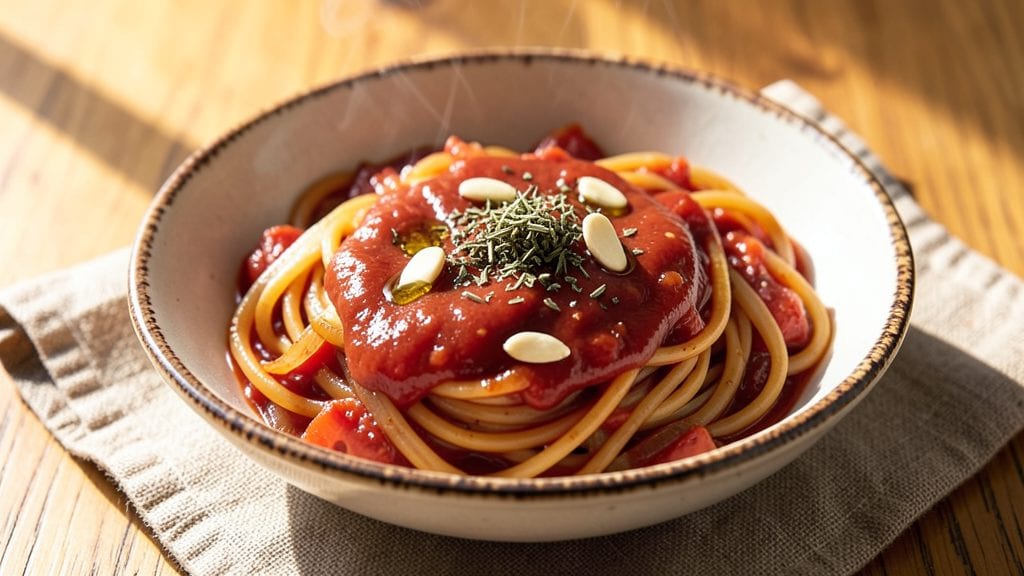
Creating a slow-simmered spaghetti sauce that rivals restaurant-quality is simpler than you think—this recipe builds deep, complex flavors through patience and precise technique. The key lies in caramelizing onions and garlic before adding crushed tomatoes and herbs, letting everything meld for hours into a rich, velvety sauce.
I developed this version after testing countless shortcuts, and the difference is undeniable: layers of umami from slow cooking that transform basic ingredients into something extraordinary.
What sets this sauce apart is its versatility—use it as a standalone condiment for pasta or elevate other dishes like grilled meats, roasted vegetables, or even as a pizza topping.
The recipe balances simplicity with professional results: just 10 ingredients, a 30-minute prep, and a 3-4 hour simmer (or overnight in a slow cooker) for maximum flavor development. No fancy equipment needed, just time and attention to the slow-cooking process that creates that signature depth.
The result is a sauce with intense umami richness, glossy texture, and balanced acidity that clings perfectly to pasta without overwhelming it. The aroma alone will have everyone asking what you're serving—smoky from the caramelized base, herbaceous from fresh basil, and deeply savory from the slow reduction.
This isn't just spaghetti sauce; it's the foundation for restaurant-quality Italian meals at home.
Make a big batch and store it in the fridge for up to 5 days or freeze for months—perfect for meal prep or gifting. The sauce only gets better with time as flavors continue to deepen.
Whether you're serving it with fresh pasta or using it as a flavorful base for other dishes, this recipe delivers professional-quality results with minimal effort once you master the slow-simmering technique.
Ingredients for speghetti sauce
Ten essential ingredients transform into a restaurant-quality sauce through slow simmering.
| Ingredient | Amount | Notes |
|---|---|---|
| Extra-Virgin Olive Oil 🫒 | ½ cup | High-quality, fruity variety preferred |
| Yellow Onions 🧅 | 2 whole | Medium-sized, finely diced |
| Garlic Cloves 🧄 | 6 cloves | Peeled, thinly sliced |
| Crushed Tomatoes 🍅 | 28 oz | San Marzano preferred for sweetness |
| Tomato Paste 🍅 | ½ cup | High-quality, no sugar added |
| Dried Oregano 🌿 | 1 tbsp | Italian or Mediterranean blend |
| Dried Basil 🌿 | 1 tbsp | High-quality, not powdered |
| Bay Leaves 🌿 | 2 whole | Fresh for best flavor |
| Red Wine 🍷 | ½ cup | Dry, bold variety like Cabernet |
| Fresh Basil Leaves 🌿 | ¼ cup | Packed, for finishing |
The foundation begins with San Marzano tomatoes, available canned at Whole Foods or Italian specialty markets. Their natural sweetness and low acidity create the perfect base for umami development. For the olive oil, California extra-virgin brands like Corto or Otto deliver the best fruity depth—avoid the cheap supermarket varieties that lack complexity. The onions and garlic should be finely diced to maximize surface area for caramelization, which builds the sauce's signature sweetness before acidity balances it out. Fresh bay leaves are non-negotiable; dried leaves release their flavor too aggressively and can make the sauce bitter.
No red wine? Substitute with 0.5 cup beef broth plus 1 tbsp balsamic vinegar—the umami from the broth complements the tomatoes beautifully. For the basil, dried works at half the amount, but fresh leaves add that bright, herbaceous finish that defines authentic Italian sauce. The tomato paste can be replaced with an additional 6 oz crushed tomatoes if you prefer a smoother texture. When selecting dried herbs, Penzeys or McCormick's Gourmet Collection offer superior quality—avoid the generic supermarket blends that taste like dust. For the onions, yellow varieties provide the perfect balance of sweetness and sharpness; red onions add color but can make the sauce too acidic.
This sauce improves with time, so make a large batch and store it properly. In the fridge, it keeps for up to 5 days in an airtight container, with flavors deepening daily. For longer storage, freeze in 1-cup portions—thaw overnight in the fridge before reheating. The sauce reheats beautifully; simmer gently to prevent skin formation. For meal prep, portion into glass containers—they maintain freshness longer than plastic. When ready to serve, stir in the fresh basil leaves just before plating to preserve their vibrant color and aroma.
Why You'll Love This Recipe
- No-Chop Night: I swear by this sauce because the onions barely need dicing—just rough chop or even slice thickly. The olive oil softens them in minutes while I’m still grabbing wine glasses.
- Garlic-Kissed Depth: That moment when the garlic hits—sizzling in the oil until it’s golden but not burnt—is where this sauce gets its soul. The crushed tomatoes and paste blend into something richer than anything from a jar.
- Freezer-Friendly Staple: Make a double batch, and you’ve got dinner covered for weeks. Reheat it with a splash of water, and it’s like it was just simmered yesterday. (Yes, even on a Tuesday night.)
- Pantry Magic: Between us, this recipe costs pennies per serving. Olive oil, onions, garlic—stuff you already have. It’s the kind of sauce that makes you feel like you’re cooking gourmet without the grocery haul.
Step-by-Step instructions for slow-simmered umami richness for homemade pasta
Master this classic technique for a sauce that builds depth and complexity over time.
Develop the Flavor Base with Olive Oil and Onions
Heat the 0.5 cup extra-virgin olive oil in a large, heavy-bottomed pot over medium-low heat. Add the 2 whole yellow onions, finely diced, and cook them slowly for 10-12 minutes until they become translucent and their edges begin to caramelize just slightly. This gentle cooking process is crucial—it prevents burning while allowing the onions to sweeten and release their natural sugars.
Here's the thing—don't rush this step. You'll notice the onions gradually transform from pale to a soft golden hue. This foundational layer of flavor will carry through the entire sauce, so patience here ensures a richer final product. If the onions start to brown too quickly, reduce the heat slightly and continue stirring occasionally to distribute the heat evenly.
Incorporate Garlic and Tomato Paste for Depth
Add the 6 cloves garlic cloves, thinly sliced, to the pot and cook for 1-2 minutes until they become fragrant but never brown. The moment garlic turns golden, it releases bitter compounds—this is when you want to remove it from the heat. Stir constantly during this brief cooking time to prevent burning.
Next, reduce the heat to low and stir in the 0.5 cup tomato paste. Cook for 3-4 minutes, allowing it to darken slightly and blend completely with the onions and garlic. This step creates a concentrated flavor base that will form the backbone of your sauce. The tomato paste should dissolve into the oil, creating a thick, glossy mixture that coats the bottom of the pot.
Build the Sauce with Crushed Tomatoes and Herbs
Pour in the 28 oz crushed tomatoes, ensuring you scrape up any browned bits from the bottom of the pot. Add the 1 tablespoon dried oregano, 1 tablespoon dried basil, and 2 whole bay leaves, then bring the mixture to a gentle simmer over medium heat. Here's where the magic happens: let the sauce bubble softly for 20-25 minutes, uncovered, while you stir occasionally to prevent sticking.
During this time, the tomatoes will break down and release their natural sweetness, while the herbs infuse their aromatic qualities. You'll notice the sauce gradually thicken as moisture evaporates. This slow simmering process is essential—it allows the flavors to meld and develop complexity. If the sauce reduces too quickly, you can add a splash of water, but resist the urge to stir constantly; letting it work undisturbed yields the best results.
Enhance with Red Wine and Final Herbs
After the tomatoes have simmered, pour in the 0.5 cup red wine and stir to combine. The alcohol will cook off quickly, leaving behind concentrated wine flavors that add depth and balance to the sauce. Let the mixture simmer for an additional 5-7 minutes until the wine has fully integrated and the sauce has thickened to your desired consistency.
Remove the pot from heat and stir in the 0.25 cup fresh basil leaves, packed. The fresh basil adds a bright, herbal note that contrasts beautifully with the deep, umami-rich flavors of the simmered tomatoes and herbs. Let the sauce sit, off the heat, for 5 minutes to allow the basil to infuse fully. This finishing touch elevates the sauce from good to exceptional, providing a fresh counterpoint to the rich, developed flavors.
Adjust Seasoning and Prepare for Serving
Taste the sauce and adjust the seasoning as needed. At this stage, you might find it needs a touch more salt to enhance the flavors, or perhaps a squeeze of lemon juice to brighten it. The sauce should be well-balanced, with the acidity of the tomatoes complementing the richness of the olive oil and herbs.
This sauce is now ready to serve over your homemade pasta. The slow simmering process ensures a deep, complex flavor profile that you simply can't achieve with quick cooking methods. Serve immediately while the sauce is still warm, allowing the aromatic herbs and rich tomato flavors to shine. The result is a sauce that clings beautifully to each strand of pasta, delivering layers of umami richness with every bite.
Pro Tips For Making Speghetti Sauce
- Sweat the Onions: I learned this the hard way—don’t rush the onions. They should break down into a silky, translucent mass before you even think about adding garlic. If they’re still crunchy or brown too fast, you’re cooking too hot. A splash of water or wine helps dissolve the sugars, but keep the heat low and steady—this is where flavor builds.
- Toast the Paste: That tomato paste isn’t just a thickener—it’s the flavor anchor. Cook it in the olive oil for 3-4 minutes until it darkens slightly and smells deeply caramelized. Skimp here, and your sauce will taste flat; let it brown, and you’ll taste the difference in every bite. (Yes, even if you’re impatient like me.)
- Crush Garlic, Don’t Mince: Whole cloves of garlic toast in oil until golden and fragrant—this is where magic happens. Mincing first burns them instantly, turning bitter. Use a knife’s flat side to smash 3-4 cloves into flat disks, then let them sizzle until edges crisp. Remove them before they turn black, but leave the oil behind—it’s packed with flavor.
- Simmer, Don’t Boil: After adding crushed tomatoes, resist the urge to crank the heat. A gentle simmer (tiny bubbles, occasional stir) prevents the sauce from splitting or turning mealy. If it’s too vigorous, lower the heat or move the pot to the back burner. Patience here means a sauce that’s smooth, not soupy or scraggly.
Creative variations of this recipe
Meat-Inspired Umami
Transform this sauce into a meat-based masterpiece by adding 8 oz ground Italian sausage (mild or spicy) or 1 lb shredded chicken breast during Step 3. Brown the meat first in a separate pan, then stir it into the simmering tomatoes.
For deeper flavor, use San Marzano crushed tomatoes with added meat—brands like Rao's offer excellent options. The meat adds protein and a satisfying texture contrast that pairs perfectly with al dente pasta. 🌶️
Vegetarian Powerhouse
Swap the red wine for 0.5 cup vegetable broth> and add 1 diced bell pepper> and 1 zucchini> (about 1 cup each>) when incorporating the crushed tomatoes.
For extra umami, stir in 1 tbsp soy sauce> or 1 tsp miso paste> during the final 10 minutes of simmering. This version works beautifully with lentils or mushrooms> for added heartiness. The result is a vibrant, flavorful sauce that still delivers that signature depth.
White Wine & Creamy Twist
Replace the red wine with 0.5 cup dry white wine> and stir in 2 tbsp heavy cream> or cashew cream> (for vegan) during the final 5 minutes of cooking.
Add ½ tsp nutmeg> and 1 tbsp fresh thyme> for a sophisticated, creamy texture that pairs wonderfully with fettuccine or pappardelle>. This variation is inspired by Italian sugo al vino bianco—a lighter but equally rich alternative to traditional tomato sauce.
Spicy Arrabbiata Style
Boost the heat by adding 1-2 tbsp Calabrian chili paste> (like Bronto Pastes>) during Step 2 when cooking the tomato paste. For extra smokiness, char 1 red chili pepper> on a grill or broiler, peel it, and blend it into the sauce.
Finish with fresh chili flakes> and a squeeze of lemon. This fiery version works perfectly with spicy penne or linguine>, creating a bold, aromatic sauce that cleanses the palate beautifully. 🔥
Winter Root Vegetable
Incorporate 1 cup diced carrots>, 1 cup celery>, and 1 small fennel bulb> (about 1 cup chopped) when adding the crushed tomatoes. These root vegetables add natural sweetness and a subtle anise-like depth that complements the tomatoes.
For extra richness, stir in 1 tbsp balsamic vinegar> during the final 10 minutes of simmering. This hearty variation is perfect for cold weather and pairs exceptionally well with rigatoni or orecchiette pasta>.
Global Fusion Adaptations
For a Mexican-inspired twist, add 1 tsp ground cumin>, ½ tsp smoked paprika>, and ½ cup black beans> during Step 3. Finish with fresh cilantro> and a squeeze of lime.
Alternatively, go Thai-inspired by adding 1 tbsp fish sauce> (or soy sauce for vegan), 1 tsp lemongrass paste>, and 1 tbsp coconut milk> at the end. These global adaptations transform the classic sauce into exciting new flavor profiles while keeping the core technique intact. ✨
Nutrition facts
Frequently asked questions
Can I make this sauce in a slow cooker instead of on the stovetop?
Combine all ingredients (except fresh basil) in your slow cooker and cook on low for 6-8 hours or high for 3-4 hours. The long cooking time enhances flavors beautifully. Stir in fresh basil just before serving to preserve its aroma. This method is perfect for hands-off meal prep!
What if my sauce is too acidic or sour?
Add a pinch of sugar (about ½ teaspoon) to balance acidity, or stir in 1 tablespoon tomato paste to deepen flavor. For extra richness, finish with a splash of red wine or a pat of butter. Simmer for 5 minutes to integrate these adjustments.
How do I store and reheat this sauce?
Store in an airtight container in the fridge for up to 5 days or freeze in 1-cup portions for 3 months. To reheat, simmer gently on low heat, stirring occasionally. For frozen sauce, thaw overnight in the fridge first—never microwave directly from frozen to preserve texture.
Can I use this sauce for dishes other than pasta?
This versatile sauce works beautifully as a marinade for grilled meats, a topping for pizza, or a dip for crusty bread. Try it with roasted vegetables, stuffed shells, or even as a flavorful base for soups. The deep umami flavors make it perfect for any dish needing a rich tomato base!
Why does my homemade sauce taste different from store-bought?
Freshly made sauce develops complex flavors through slow cooking that canned sauces lack. The caramelized onions, reduced wine, and fresh herbs create depth store-bought versions can't match. Embrace the difference—your sauce will taste more vibrant and nuanced with each batch!