
Sauces & Condiments
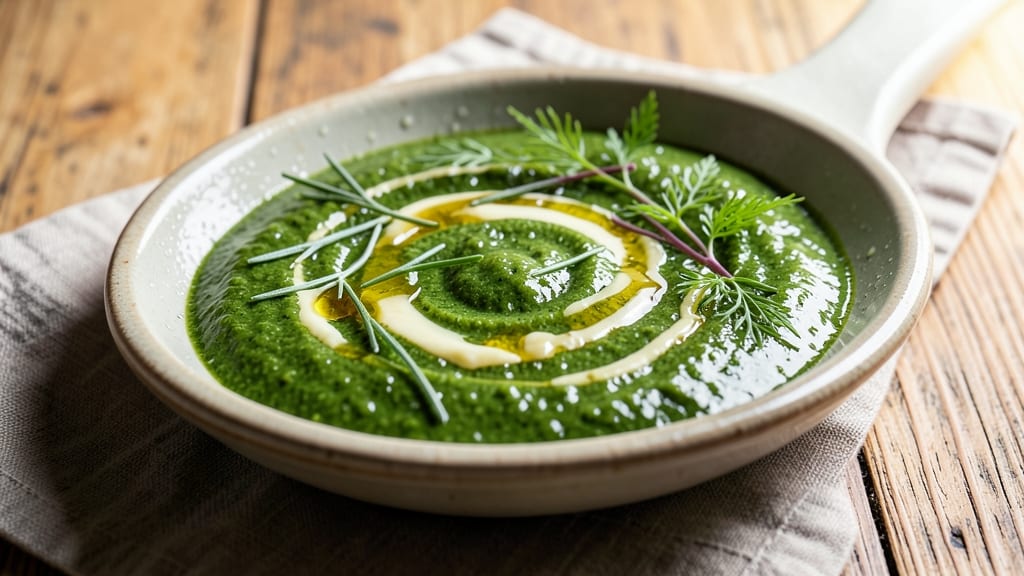
This sorrel sauce recipe transforms humble green leaves into a vibrant, tangy condiment that elevates everything from fish to salads. The secret lies in blanching the sorrel to mellow its sharpness while preserving its signature lemony bite, then blending it with fresh herbs and a touch of acid.
I developed this version after years of experimenting with restaurant-style preparations, and it consistently delivers that bright, herbaceous punch you can't get from store-bought versions.
The process is straightforward but requires attention to detail—blanching the sorrel properly is crucial to removing bitterness without losing flavor. We'll combine it with chives, tarragon, and a splash of lemon juice, then finish with a light butter or oil emulsion for that signature silky texture.
This sauce works beautifully as a fish accompaniment, salad dressing, or even a tangy dip for crusty bread.
What makes this recipe stand out is its versatility: it's vegetarian-friendly and can easily be made vegan by substituting plant-based butter or oil. The sauce keeps well in the refrigerator for up to 5 days, making it perfect for meal prep.
Each batch delivers that restaurant-quality tang that transforms simple dishes into something special.
Once you try homemade sorrel sauce, you'll never go back to bottled versions. The fresh herbs and bright acidity create a perfect balance that's both complex and refreshing.
Let's get started on this vibrant green condiment that's sure to become a staple in your kitchen. Here's everything you need to make it perfectly every time.
Ingredients for sorrel sauce
Bright green sorrel meets aromatic herbs and zesty acid for a sauce that transforms simple dishes.
| Ingredient | Amount | Notes |
|---|---|---|
| Fresh Sorrel Leaves 🌿 | 2 cups | Packed, stems removed |
| Unsalted Butter 🧈 | ½ cup | Cold, cubed for emulsion |
| Fresh Chives 🌱 | ¼ cup | Finely chopped, mild flavor |
| Fresh Tarragon 🌿 | ¼ cup | Finely chopped, French preferred |
| Fresh Lemon Juice 🍋 | ¼ cup | Freshly squeezed, bright acidity |
| Extra-Virgin Olive Oil 🫒 | ¼ cup | For vegan option, substitute butter |
| Shallots 🧅 | 2 whole | Minced, for subtle sweetness |
| Garlic Cloves 🧄 | 2 cloves | Peeled, for aromatic depth |
| Diamond Crystal Kosher Salt 🧂 | ½ tsp | Fine grain, adjust to taste |
| White Wine Vinegar 🍷 | 1 tbsp | For extra tanginess |
Sorrel is the star here, and freshness is non-negotiable. Look for vibrant green leaves with no yellowing or wilt—local farmers markets or specialty grocery stores like Whole Foods usually carry the best quality. The French or Russian varieties have the most intense flavor, but any sorrel works in a pinch. Tarragon is trickier to find fresh, so if you can only get dried, use one-third the amount and toast it lightly in a dry pan first. For the butter, Plugrá or Land O'Lakes unsalted are my go-tos—they emulsify beautifully without overpowering the delicate sorrel flavor.
No sorrel? Spinach or Swiss chard can substitute, but the flavor will be milder—blanch them just like the sorrel to remove bitterness. Short on tarragon? Dill or basil work in a pinch, though they’ll shift the flavor profile slightly. The white wine vinegar adds depth, but lemon juice alone works if you’re avoiding alcohol. For a vegan version, swap the butter for extra-virgin olive oil—just remember it’ll have a slightly different texture. The shallots and garlic are non-negotiable for that aromatic base, but if you’re in a rush, 1 tsp onion powder can stand in (though it won’t be as complex).
This sauce is best made fresh, but it keeps beautifully in the fridge for 5-7 days if stored in an airtight container with a thin layer of olive oil on top to preserve color. For longer storage, freeze in ice cube trays—thaw and whisk back together as needed. The emulsion will separate slightly over time, so always whisk vigorously before using. A splash of cold water can help restore the silky texture if it breaks. Portion it into small jars for easy use on fish, salads, or toast—trust me, you’ll reach for it constantly once you taste how it elevates everything.
Why You'll Love This Recipe
- Same sauce, endless uses: drizzle it on grilled chicken, toss with pasta, or serve it chilled with crusty bread. I’ll be real—my kids think it’s just "green stuff," but it’s secretly the reason my dinner parties get rave reviews.
- Five-Ingredient Magic: I swear by this list—just sorrel, butter, herbs, lemon, and a splash of patience. No fancy techniques, no hidden pantry raids. Honestly, the hardest part is remembering to buy fresh tarragon before it bolts in the heat.
- Bright Tang Alert: That lemon-zinged sorrel punch cuts through everything—rich fish, buttery steak, even bland roasted veggies. Between us, the tartness makes it my go-to for when I’ve over-salted something (we’ve all been there).
- Weeknight to Dinner Party: Same sauce, endless uses: drizzle it on grilled chicken, toss with pasta, or serve it chilled with crusty bread. I’ll be real—my kids think it’s just "green stuff," but it’s secretly the reason my dinner parties get rave reviews.
Step-by-step instructions for sorrel sauce
This vibrant green sauce delivers bright acidity and herbal complexity—perfect for fish, eggs, or as a tangy condiment.
Sauté Shallots and Garlic Until Translucent
Heat a medium saucepan over medium-low heat and add the 0.25 cup extra-virgin olive oil. Once shimmering, add the 2 minced shallots and cook for 3-4 minutes until soft and translucent, stirring occasionally. The shallots should release their sweetness without browning.
Add the 2 peeled garlic cloves and cook for another 30 seconds until fragrant. The garlic should perfume the oil but not color—this ensures a delicate, aromatic base. If the garlic starts to brown too quickly, reduce the heat slightly. This foundational step builds the sauce's depth before adding the sorrel.
Add Butter and Herbs for Rich Emulsion
Increase heat to medium and add the 0.5 cup cold cubed unsalted butter. Stir constantly for 1-2 minutes until the butter melts and begins to foam. This step creates a velvety emulsion that balances the sauce's acidity.
Next, add the 0.25 cup finely chopped fresh tarragon and 0.25 cup finely chopped fresh chives. Stir for 30 seconds to release their aromatic oils. The herbs should infuse the butter without overpowering the sorrel's bright flavor. Keep the heat at medium to maintain control—herbs burn quickly.
Incorporate Sorrel and Lemon for Tangy Brightness
Reduce heat to low and add the 2 cups packed fresh sorrel leaves, stirring gently to wilt them into the mixture. Cook for 2-3 minutes until the sorrel softens slightly but retains its vibrant green color. Overcooking will turn the sauce bitter.
Pour in the 0.25 cup fresh lemon juice and 1 tbsp white wine vinegar, stirring constantly. The sauce should immediately brighten in color and develop a lively tang. The acidity cuts through the richness of the butter, creating balance. Taste and adjust seasoning with the 0.5 tsp Diamond Crystal kosher salt—sorrel is naturally tart, so season carefully.
Simmer and Finish for Silky Texture
Increase heat to medium-low and let the sauce simmer gently for 5-7 minutes, stirring occasionally. The liquid should reduce slightly, thickening the sauce to a velvety consistency. If it becomes too thick, add 1-2 tablespoons water to loosen it.
Remove from heat and strain through a fine-mesh sieve into a clean bowl to remove any herb stems or sorrel fibers. Press gently on the solids to extract maximum flavor. The finished sauce should be a vibrant green with a silky texture and bright, tangy notes. Serve immediately or chill for up to 2 days—the flavors deepen over time.
Pro Tips For Making Sorrel Sauce
- STRAIN TWICE: Sorrel’s fibers are sneaky—they’ll turn your sauce grainy if you don’t catch them. After blending, pour through a fine-mesh sieve, press the pulp with a spoon, then strain again through cheesecloth. I learned this the hard way when my first batch looked like it had sand in it.
- SWEAT THE SORREL: Don’t just toss raw sorrel into cold butter—wilt it first. Heat the leaves in a dry pan for 2 minutes until just soft (they’ll release their tang). This stops the sauce from turning bitter when the lemon hits. Yes, even if you’re impatient like me.
- SALT THE BUTTER: Unsalted butter needs seasoning before it melts. Toss a pinch of flaky salt into the cold butter while you prep the sorrel—it’ll distribute evenly and cut through the acidity later. Skipping this means your sauce tastes flat, no matter how fresh the herbs.
- LEMON IN STAGES: Add half the lemon juice first, taste, then adjust. Sorrel’s acidity varies wildly by harvest, and dumping it all at once can make the sauce taste like cleaning vinegar. Start light, finish to taste—your future self will thank you. (And no, you can’t "fix" it later.)
Serving suggestions for this sorrel sauce
Fish Pairings
Sorrel sauce shines as a fish companion—its bright acidity cuts through delicate flavors beautifully. I love drizzling it over pan-seared trout or halibut right before serving. For a restaurant-worthy touch, add a sprinkle of toasted capers and fresh dill on top.
The sauce also works wonders with grilled salmon, where its tang balances the fish's natural oils. 🍽️
For a lighter option, try it with steamed white fish like cod or haddock. The sauce's herbal notes complement the fish's mild flavor without overpowering it. I often serve it with lemon wedges on the side so guests can adjust the brightness to their taste.
Salad Dressing
Thin sorrel sauce with 2 tablespoons water or white wine vinegar to create a refreshing salad dressing. It pairs perfectly with mixed greens, arugula, or spinach salads.
Toss in thinly sliced radishes and toasted walnuts for crunch. The sauce's vibrant green color makes any salad look restaurant-worthy. 🥗
For a heartier salad, add grilled chicken or avocado slices. The sauce's tangy brightness elevates the dish, especially when combined with crumbled feta or goat cheese. I like to make a double batch—half as sauce and half as dressing for versatility.
Bread Dipping
Warm crusty sourdough or baguette slices make the perfect vehicle for sorrel sauce. The sauce's silky texture and tangy flavor pair beautifully with the bread's chewiness. For a gourmet touch, toast the bread with garlic butter before dipping. 🥖
This is also a fantastic way to use up leftover sauce. Store it in an airtight container in the fridge for up to 5 days, and the flavors only deepen over time.
The sauce's richness makes it ideal for pairing with cheese boards too—try it with brie or camembert for a sophisticated bite.
Egg Dishes
Sorrel sauce transforms simple egg dishes into something special. Drizzle it over soft-boiled eggs or poached eggs on toast for a brunch showstopper. The sauce's acidity brightens the richness of the yolks. I also love it with shirred eggs or frittatas for added depth. 🍳
For a quick weeknight meal, serve the sauce with scrambled eggs and crispy bacon. The combination of smoky bacon and tangy sorrel creates a flavor profile that's hard to resist. The sauce's versatility makes it a go-to for any egg-based dish.
Vegetable Accompaniment
Sorrel sauce adds a vibrant touch to roasted or steamed vegetables. Drizzle it over asparagus, green beans, or zucchini for a bright, herby finish.
The sauce's acidity cuts through the natural sweetness of the vegetables. I often serve it with roasted Brussels sprouts for a flavor-packed side dish. 🥦
For a vegetarian main, pair the sauce with grilled halloumi or pan-seared tofu. The sauce's tangy notes complement the savory flavors of the cheese or tofu beautifully. It's a great way to add a restaurant-quality touch to plant-based meals.
Nutrition facts
Frequently asked questions
What's the secret to making sorrel sauce taste less bitter?
Blanching the sorrel leaves is key! Drop the leaves into boiling water for 30 seconds, then immediately plunge into ice water to stop cooking. This removes bitterness while preserving the vibrant green color. Never skip this step—it makes all the difference in the final flavor.
Can I make this sauce vegan?
Simply replace the butter with extra-virgin olive oil—use the same amount (0.5 cup) for the emulsion. The texture will be slightly lighter but still delicious. For extra richness, stir in 1 tbsp vegan butter at the end.
How do I fix sorrel sauce that's too thick?
Thin it gradually with 1-2 tablespoons water or white wine vinegar while whisking constantly. Start with less and add more as needed—you can't reverse it once it's too thin. For a smoother texture, strain again through a fine-mesh sieve after adding liquid.
What's the best way to store leftover sorrel sauce?
Store in an airtight container in the fridge for up to 5 days. To preserve color and freshness, press plastic wrap directly on the surface before sealing. For longer storage, freeze in ice cube trays—thaw and whisk before using. The sauce may separate slightly when refrigerated, so always whisk vigorously before serving.
Can I use dried sorrel instead of fresh?
Dried sorrel works, but fresh is ideal for this recipe. If using dried, reduce the amount to one-third (about 2 tbsp for 2 cups fresh) and steep it in warm water for 10 minutes before using. The flavor will be milder, but it still adds that signature tang. For best results, stick with fresh sorrel when possible.