
Main Courses
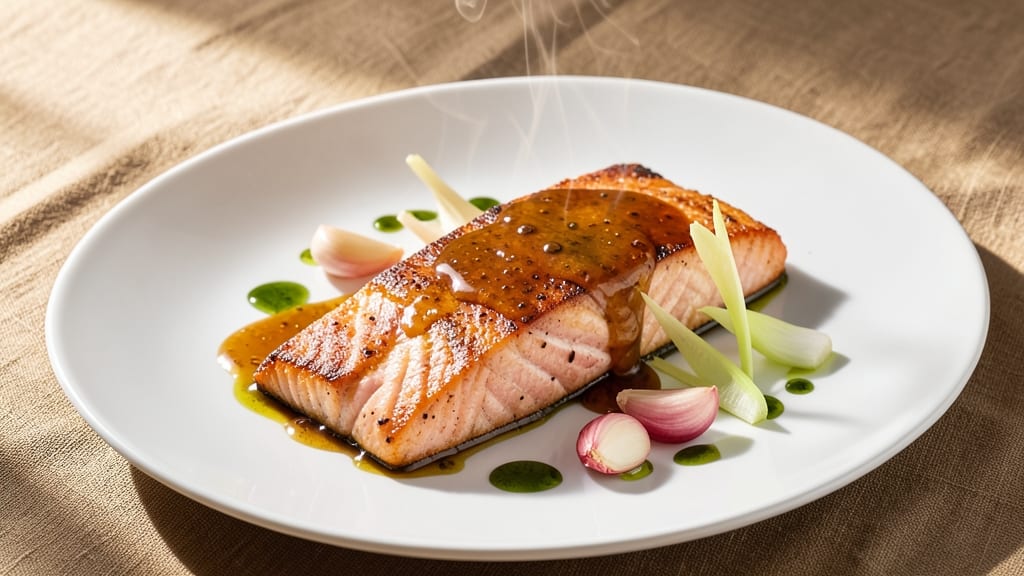
This salmon with soy sauce and honey recipe delivers a perfect balance of sweet and savory flavors that transforms simple weeknight dinner into a restaurant-worthy meal. The glaze caramelizes beautifully during cooking, creating a sticky, umami-rich crust that contrasts perfectly with the tender, flaky fish inside.
I developed this method after years of experimenting with glazes—too much honey makes it cloying, too much soy can overwhelm the delicate salmon flavor, so the key is precision in the ratio.
The beauty of this dish lies in its simplicity: just five key ingredients come together in under 30 minutes to create a meal that feels special without requiring advanced techniques.
You'll start with fresh salmon fillets, then build the glaze using soy sauce, honey, garlic, and a touch of ginger—each ingredient playing a critical role in achieving that perfect sweet-savory harmony. The marinating step (just 15 minutes) ensures the fish absorbs enough flavor without becoming mushy.
When it's done, you'll have golden-brown salmon with a glossy glaze that's both sticky and slightly crisp at the edges, while the fish remains perfectly moist inside.
The aroma alone will have everyone at the table anticipating that first bite—where the honey's sweetness mellows into a caramelized depth, balanced by the soy's umami punch.
This is the kind of dish that pairs beautifully with steamed asparagus, jasmine rice, or a simple citrus salad to round out the meal.
What makes this recipe truly professional is how it handles the balance—never overpowering the natural flavor of the salmon while still delivering that satisfying glaze. The method works equally well for pan-searing or baking, giving you flexibility depending on your preferred cooking style.
Ready to create this perfect harmony of flavors? Let's get started with the ingredients.
Ingredients for salmon with soy sauce and honey
Five ingredients transform delicate salmon into restaurant-worthy glaze perfection.
| Ingredient | Amount | Notes |
|---|---|---|
| Center-Cut Salmon Fillets 🐟 | 4 pieces | Skin-on, 6 oz each, even thickness |
| Kosher Soy Sauce 🍶 | ¼ cup | High-quality, low-sodium preferred |
| Raw Honey 🍯 | ⅛ cup | Light amber for delicate sweetness |
| Fresh Garlic Cloves 🧄 | 4 cloves | Minced, vibrant aroma |
| Fresh Ginger Root 🌿 | 1 tbsp | Finely grated, aromatic |
| Extra-Virgin Olive Oil 🫒 | 1 tbsp | Light fruity variety |
| Diamond Crystal Kosher Salt 🧂 | ½ tsp | Fine grain for delicate seasoning |
| Freshly Ground Black Pepper 🌶️ | ¼ tsp | Freshly cracked for brightness |
| Sesame Seeds 🌰 | 1 tsp | Toasted, for garnish |
| Lemon Wedges 🍋 | 2 whole | For serving, fresh squeezed |
The salmon is non-negotiable—center-cut fillets with skin ensure even cooking and that perfect crisp. Wild-caught Alaskan or farm-raised Scottish from the seafood counter delivers the best texture. Avoid pre-marinated fillets—they dilute the glaze's impact. If your fillets vary in thickness, trim the thicker sides for even cooking. The skin side should be smooth and intact, not torn or bruised. For the best flavor, buy the freshest salmon possible—look for fillets with a bright, translucent sheen and minimal fishy odor. If you're unsure, ask the fishmonger for the day's catch.
No kosher soy sauce? Tamari or regular soy sauce work, but adjust the honey slightly—reduce by 1 tsp if using regular soy to balance the saltiness. The honey should be raw and light amber—dark honey can overpower the delicate salmon flavor. Fresh ginger is ideal, but ground ginger at half the amount works in a pinch (though it lacks the bright aroma). For the garlic, roast it first if you want a sweeter, deeper flavor—just toss whole cloves in olive oil at 400°F for 15 minutes, then mince. The olive oil matters too—use a light, fruity variety like California Early Harvest; heavy, peppery oils can clash with the honey's sweetness.
This glaze reheats beautifully—just warm it gently in a saucepan with a splash of water. Store the cooked salmon in an airtight container with a thin layer of plastic wrap pressed directly on the surface to prevent drying. Keeps 3 days in the fridge, though it's best enjoyed within 2 days for peak texture. For leftovers, the glaze can be reheated separately and drizzled over warmed salmon. The sesame seeds toast best in a dry pan over medium heat for 30 seconds—watch them closely to avoid burning. Lemon wedges should be stored in the fridge and added just before serving to prevent wilting.
Why You'll Love This Recipe
- Five-Ingredient Magic: I swear by this combo—salmon, soy, honey, garlic, and ginger. That’s it. No fancy marinades or last-minute grocery runs; just pull what you’ve got from the pantry and fridge. Honestly, I’ve made this with frozen ginger once when I forgot to buy fresh, and it still worked.
- Sweet-Savory Balance: The honey cuts through the saltiness of the soy sauce like a dream, while the garlic and ginger add layers of warmth. That crispy skin? Pure satisfaction. I’ll be real: my kids think it’s "fish candy," and they’re not wrong.
- Weeknight & Date Night: This is my go-to when I’m too tired for complicated meals but still want something impressive. Serve it over rice for a quick family dinner, or plate it with steamed veggies for a fancy-feeling date night. (Yes, even on a Tuesday night.)
- Leftovers That Don’t Suck: Unlike some salmon dishes that turn dry or fishy the next day, this holds up beautifully. I’ve reheated slices in a pan with a splash of soy sauce, and they taste just as good—if not better—cold in wraps the next lunch. Budget-friendly too: one fillet feeds two, and the rest becomes my secret meal-prep hack.
Step-by-step instructions for glazed salmon with sweet-savory umami
This method delivers perfectly balanced salmon with a glossy, caramelized glaze every time.
Prepare the Glaze with Honey and Soy Sauce
In a small saucepan, combine the 0.25 cup kosher soy sauce and 0.125 cup raw honey. Place over medium heat and bring just to a gentle simmer. You'll see the mixture bubble softly—this is when the flavors begin to meld together beautifully. Let it simmer for 3-4 minutes until slightly thickened and reduced by about 20%. The glaze should coat the back of a spoon with a syrupy consistency.
While the glaze reduces, finely mince the 4 cloves fresh garlic cloves and grate the 1 tbsp fresh ginger root using a microplane. Add these aromatics to the simmering glaze and cook for an additional 1 minute—just enough time to infuse their vibrant flavors without burning. Remove from heat and stir in the 1 tbsp extra-virgin olive oil, allowing it to emulsify naturally into the glaze. This step creates the perfect balance of sweet, salty, and aromatic complexity that defines this dish.
Season and Sear the Salmon Fillets
Pat the 4 pieces center-cut salmon fillets completely dry with paper towels—this ensures maximum crispiness when searing. Place the fillets skin-side down on a clean work surface and season both sides generously with 0.5 tsp diamond crystal kosher salt and 0.25 tsp freshly ground black pepper. Press the seasoning into the flesh gently so it adheres evenly. Let the seasoned fillets rest for 5 minutes at room temperature while you prepare your pan.
Heat a 12-inch skillet over medium-high heat until it's very hot—you should see a slight shimmer of smoke when you wave your hand above it. Add the salmon fillets skin-side down and cook undisturbed for 4-5 minutes. You'll know they're ready to flip when the skin turns opaque and crispy, and the edges begin to lift easily from the pan. Flip carefully and cook the other side for 2-3 minutes until the salmon reaches an internal temperature of 125°F—this ensures perfectly tender, flaky flesh without overcooking.
Glaze and Finish with Sesame Seeds
Immediately after removing the salmon from the pan, increase the heat to high and return the skillet to the burner. Pour the prepared glaze over the fillets, allowing it to sizzle and caramelize for 1-2 minutes. Watch closely as the glaze reduces further, forming a glossy, sticky coating that clings beautifully to the salmon. The edges should develop a deep amber hue—this indicates the perfect balance of sweetness and umami.
Sprinkle the 1 tsp sesame seeds evenly over the glazed salmon and transfer everything to a serving platter. The sesame seeds will toast instantly from the residual heat, adding a delightful nutty crunch that contrasts perfectly with the tender salmon. Serve immediately with the 2 whole lemon wedges on the side for a bright, citrusy finish that cuts through the richness.
Pro Tips For Making Salmon With Soy Sauce And Honey
- Sear on High Heat: Don’t be shy with the flame—get your pan screaming hot before adding the salmon. I used to hover over it like a nervous parent, but a proper sear locks in flavor and keeps the fish from steaming into mush. Two minutes per side, no peeking.
- Grate Ginger Fine: Skip the mincer if you’re in a hurry, but don’t just chop ginger roughly. A microplane or the smallest holes on a box grater releases its oils and aroma without turning the sauce gritty. Trust me, your taste buds will notice the difference.
- Balance the Soy-Honey Ratio: Too much honey and it’s cloying; too much soy and it’s salty. Start with 1:1 (soy to honey) and adjust to taste—salmon absorbs flavors fast, so err on the lighter side. Taste the sauce before glazing the fish.
- Rest Before Serving: That last-minute urge to slice into the salmon? Resist. Tent it with foil for 5 minutes after cooking—it keeps the juices from pooling on your plate. I learned this the hard way when my first slice turned out dry.
Essential equipment for salmon with soy sauce and honey
Skillet Essentials
Start with a 12-inch stainless steel skillet—I recommend All-Clad or Made In for their even heat distribution and non-stick properties. The wide surface gives you room to work with the salmon fillets without crowding, which prevents uneven cooking.
For a budget-friendly alternative, a well-seasoned Lodge cast iron skillet works beautifully and develops a natural non-stick patina over time. Just ensure your skillet has a smooth, flat bottom to avoid hot spots that could burn your salmon. 🔥
Precision Thermometer
A meat thermometer is non-negotiable for this recipe. I use the ThermoWorks Thermapen ONE because it gives instant, accurate readings and has a backlight for easy viewing. Insert the probe into the thickest part of the salmon fillet to monitor internal temperature—aim for 125°F for perfect doneness.
For a more affordable option, the Taylor Precision Digital is a solid choice that still delivers reliable results. This tool prevents overcooking and ensures your salmon remains tender and flaky.
Microplane for Ginger
Freshly grated ginger makes all the difference in this glaze. A Microplane is the best tool for this job because it creates fine, aromatic shavings that infuse beautifully into the honey-soy mixture. I prefer the OXO Good Grips Microplane—it's durable, easy to clean, and provides consistent results.
Avoid pre-grated ginger from jars, as it often contains fillers that dull the flavor. The fine texture also ensures the ginger blends seamlessly into the glaze without any gritty texture. 🌿
Small Saucepan for Glaze
Use a small 8-10 inch saucepan with sloped sides for reducing the glaze. I like Cuisinart stainless steel pans because they heat evenly and allow you to control the simmer precisely.
Avoid non-stick pans for this step—they're better suited for delicate sauces that need gentle heat, but stainless steel gives you better control over the reduction process. A heat diffuser placed under the pan can help prevent scorching if your stove runs hot.
The key is maintaining a gentle simmer to achieve that perfect syrupy consistency.
Tongs for Safe Handling
Invest in a pair of heat-resistant tongs with silicone grips for flipping your salmon fillets safely. I use OXO Good Grips because they provide a secure grip and protect your hands from the hot skillet. These tongs also help you flip the salmon without tearing the delicate skin.
Avoid metal spatulas, which can scratch the pan or damage the salmon's surface. The tongs give you the control needed to achieve that perfect golden-brown crust on both sides. 💪
Optional: Smoker Accessories
If you prefer to smoke your salmon instead of pan-searing, you'll need a smoker (like the Traeger Pellet Grill) and butcher paper for wrapping. The smoker adds a subtle depth of flavor that pairs beautifully with the honey-soy glaze.
For a quick smoke, use applewood or hickory chips at 225°F for 10-15 minutes before applying the glaze. The butcher paper helps retain moisture and creates a tender texture. This method is ideal for larger batches or when you want to infuse the salmon with smoky notes. ⚡
Nutrition facts
Frequently asked questions
Can I use this glaze on other proteins besides salmon?
This same honey-soy glaze works beautifully with chicken thighs, shrimp skewers, or even tofu for a vegetarian option. For chicken, increase cooking time slightly to 165°F internal temp, and for shrimp, reduce to 10-12 minutes total cooking time. The key is adjusting the protein's cooking time to match when the glaze caramelizes.
What if I don't have fresh ginger?
Use ½ teaspoon ground ginger instead, but toast it first in a dry pan for 30 seconds to enhance its flavor. For best results, combine it with ½ teaspoon extra honey to compensate for the missing fresh aroma. The glaze will still taste great, though the depth of flavor won't be identical to fresh ginger.
How do I prevent the salmon from sticking to the skillet?
Pat the salmon completely dry with paper towels before seasoning, and ensure your skillet is very hot before adding oil. Use 1 teaspoon olive oil per fillet—just enough to coat the pan lightly. If using non-stick, avoid overcrowding the pan, and never move the salmon until the skin is crispy and releases easily.
Can I make this recipe ahead of time?
Prepare the glaze up to 2 days ahead and store it in an airtight container in the fridge. Reheat gently with 1 teaspoon water to restore its syrupy consistency. For the salmon, cook it fresh for best texture, but you can glaze and serve it immediately after reheating. Store leftovers in an airtight container for 3 days.
Why did my glaze turn too thick or too thin?
Too thick? Your heat was too high—simmer gently to control reduction. Too thin? You likely didn't reduce it enough. For next time, simmer uncovered and stir occasionally. If it's too thin, reheat it uncovered until it reaches the desired consistency. The glaze should coat the back of a spoon but still drizzle smoothly.