
Sauces & Condiments
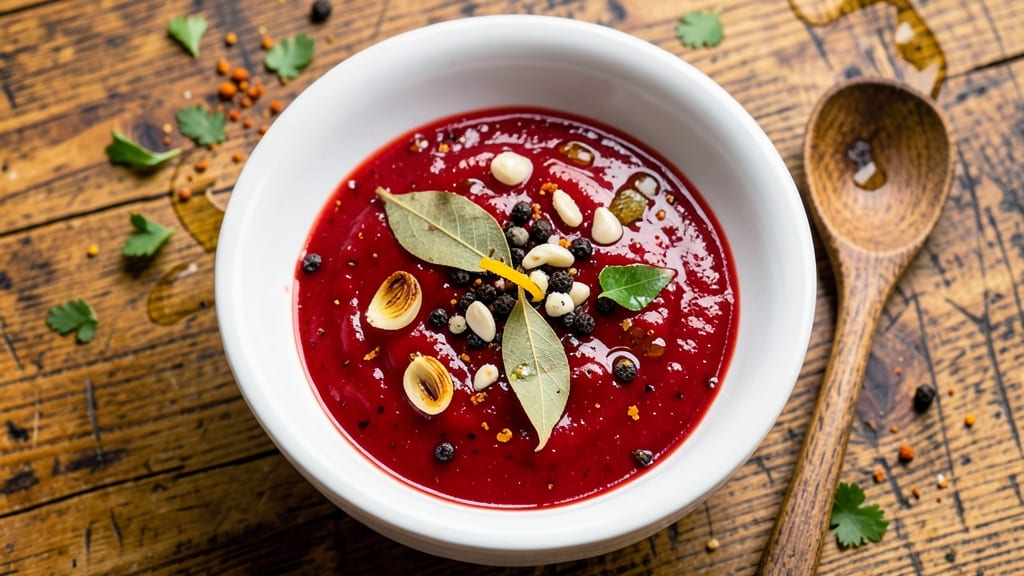
This poivrade sauce recipe transforms humble pantry staples into a velvety, pepper-infused dip that elevates everything from grilled meats to fresh salads. Born from French bistro traditions, it delivers a perfect balance of tangy tomatoes, aromatic shallots, and subtle peppercorn heat that lingers beautifully.
I developed this version after realizing how often I reached for store-bought sauces that lacked depth—until I recreated the restaurant-quality version at home.
The secret lies in slow simmering—reducing vinegar, tomatoes, and herbs until the sauce thickens into a glossy, almost syrup-like consistency. Shallots and garlic build the aromatic foundation, while peppercorns and bay leaf infuse layers of complexity that transform simple dishes into something special.
Unlike many sauces that separate or turn bitter, this one stays silky smooth even after refrigeration.
What makes this sauce truly versatile is its ability to adapt—use it as a marinade, a dipping sauce for crudités, or a finishing touch for roasted vegetables. The smoky depth from the peppercorns pairs exceptionally well with grilled lamb, seared scallops, or even as a tangy dressing for grain bowls.
It’s the kind of sauce that turns everyday meals into something memorable.
Once you taste this sauce, you’ll understand why it’s a staple in French kitchens—it’s simple enough to make regularly but impressive enough for company. The ingredients are accessible, and the method is straightforward, but the results are anything but basic.
Let’s get cooking and bring that bistro-quality flavor to your table.
Ingredients for poivrade sauce
Nine simple ingredients create this restaurant-worthy French bistro sauce with smoky depth and velvety texture.
| Ingredient | Amount | Notes |
|---|---|---|
| Canned San Marzano Tomatoes 🍅 | 2 cups | Crushed by hand for texture |
| Shallots 🧅 | ½ cup | Finely minced, not sliced |
| Garlic Cloves 🧄 | 4 cloves | Peeled, lightly crushed |
| Black Peppercorns 🌶️ | 1 tbsp | Whole, lightly toasted |
| Bay Leaves 🌿 | 2 whole | Fresh preferred, dried okay |
| White Wine Vinegar 🍷 | ½ cup | Dry variety recommended |
| Extra-Virgin Olive Oil 🫒 | ½ cup | High-quality, fruity |
| Fresh Thyme 🌿 | ¼ cup | Leaves only, chopped fine |
| Salt 🧂 | 1 tsp | Diamond Crystal preferred |
| Freshly Ground Black Pepper 🌶️ | ½ tsp | Freshly cracked, not pre-ground |
The tomatoes are the foundation—San Marzano gives the best flavor, but any high-quality canned tomatoes work. Whole Foods or Trader Joe's carry excellent options. Shallots should be fresh, not dried—their mild sweetness balances the peppercorn heat. Toast the peppercorns in a dry pan for 30 seconds before adding to the sauce—this unlocks their aromatic oils. Fresh thyme is ideal, but dried works at one-third the amount if you're in a pinch. The olive oil needs to be extra-virgin—cheap oil will make the sauce taste flat.
No San Marzano tomatoes? Any good-quality crushed tomatoes will do—just taste and adjust seasoning. White wine vinegar can be swapped for red wine vinegar, but it'll be slightly more assertive. Running out of fresh thyme? Dried oregano at half the amount mimics the earthiness. Want more depth? Add 1 tsp smoked paprika with the peppercorns. The sauce thickens as it cools, so if it seems too thin after simmering, let it sit for 10 minutes before tasting—it'll come together beautifully. For a smoother texture, strain through a fine-mesh sieve before serving.
This sauce keeps for 5 days in the fridge, sealed under a thin layer of olive oil to preserve freshness. For longer storage, portion into ice cube trays, freeze, then transfer to a bag—6 months in the freezer with no texture loss. Reheat gently on the stove, adding a splash of water if it thickens too much. The flavor actually improves after refrigeration as the ingredients meld. I always make a double batch—one for immediate use and one to freeze for future meals.
Why You'll Love This Recipe
- One-Pot Magic: I swear by this recipe because it’s actually just one pot. No chopping mountains of veggies—just a quick minced shallot and crushed garlic, tossed in with the tomatoes. That’s it. My lazy nights thank me every time.
- Tomato Perfection: San Marzano tomatoes? Yes, please. They’re the only ones worth it—sweet, meaty, and they break down into that perfect jammy sauce without turning mushy. The bay leaves and peppercorns add depth, but honestly, the tomatoes steal the show.
- Weeknight Swiss Army Knife: This sauce is my secret weapon for dinners that need to actually happen. Drizzle it over pasta, toss it with roasted chicken, or serve it alongside grilled fish. It’s the kind of thing that makes you look like a chef even when you’re just heating up a can.
- Budget-Friendly Pantry Staple: I make this sauce all the time because it’s cheap but feels fancy. A can of tomatoes, a few shallots, and a handful of spices cost next to nothing, yet it turns into something restaurant-worthy. Plus, it keeps for days—so I always have backup for when life gets busy.
Step-by-step instructions for poivrade sauce
Here's how to craft this velvety, smoky dip with layers of flavor and perfect texture.
Toast the Peppercorns and Aromatics
Heat a dry skillet over medium heat and add the 1 tablespoon black peppercorns. Toast them for 2-3 minutes until fragrant and just beginning to pop—this releases their essential oils and deepens the sauce's complexity. Immediately transfer them to a mortar and pestle (or small bowl) and crush them lightly.
In the same skillet, add the 0.5 cup finely minced shallots and 4 lightly crushed garlic cloves over medium-low heat. Cook for 5-6 minutes until the shallots become translucent and the garlic is golden, not browned. You want sweetness, not bitterness—this forms the aromatic base of your sauce. Remove from heat and set aside.
Simmer the Tomato-Vinegar Base
In a heavy-bottomed saucepan, combine the 2 cups crushed San Marzano tomatoes, 0.5 cup white wine vinegar, and 1 teaspoon salt. Bring to a gentle boil over medium-high heat, then immediately reduce to low heat. Let it simmer uncovered for 15 minutes until the mixture reduces by about one-third and thickens slightly.
Here's where the magic happens: the acidity from the vinegar breaks down the tomato's pectin, creating that signature silky texture. Stir occasionally and watch for the sauce to develop a glossy sheen—this indicates proper reduction. If it gets too thick too quickly, add 1-2 tablespoons water to maintain balance.
Build Depth with Herbs and Oil
Add the toasted peppercorns, cooked shallots, and garlic to the simmering tomato mixture. Stir in the 0.25 cup finely chopped fresh thyme leaves and 2 whole bay leaves. Let the sauce return to a gentle simmer for another 5 minutes, allowing all the flavors to meld together.
Remove the bay leaves and reduce heat to lowest setting. Slowly drizzle in the 0.5 cup extra-virgin olive oil while whisking continuously. This creates an emulsion that gives the sauce its signature velvety mouthfeel. The oil should be incorporated completely—if it separates, gently reheat and whisk again until smooth.
Finish with Seasoning and Rest
Taste the sauce and adjust seasoning with the 0.5 teaspoon freshly ground black pepper and additional salt if needed. The balance should be bright from the vinegar, sweet from the tomatoes, and deeply aromatic from the pepper and herbs. Transfer the sauce to a clean bowl and let it rest at room temperature for 30 minutes—this allows all the flavors to fully integrate.
For the best texture, give the sauce a final whisk before serving. This traditional French dip pairs beautifully with crusty bread, grilled meats, or as a marinade. The sauce will keep in the refrigerator for up to 5 days, though it's best enjoyed fresh when all the flavors are at their peak.
Pro Tips For Making Poivrade Sauce
- CRUSH THOSE PEPPERCORNS: Don’t just toss whole black peppercorns into the pot—they’ll just sit there like stubborn guests at a party. Lightly crush them with the flat side of a knife or a mortar and pestle first. This releases their oils and aroma, making the sauce sing instead of just hinting at flavor.
- SWIM SHALLOTS IN OIL: After mincing shallots, let them sit in a splash of olive oil for 5 minutes before adding anything else. This softens their sharpness and prevents them from turning bitter when they hit the tomatoes. (Yes, it’s an extra step, but your sauce will taste like it simmered for hours instead of 20 minutes.)
- STIR THE TOMATOES: Once you add the San Marzano tomatoes, give the pot a good stir with a wooden spoon immediately—this breaks up the pulp and prevents a skin from forming on top. I learned this the hard way when my sauce looked like it had a crusty lid. Now I stir like my life depends on it.
- SIMMER LOW AND LONG: Poivrade sauce isn’t a race. After everything’s combined, reduce heat to the lowest setting and let it bubble gently for at least 45 minutes. The longer it simmers, the deeper the flavors meld—no shortcut here. (I know, I know, but trust the process.)
Perfect pairings for these flavors
Meat Pairings
Poivrade sauce shines as a marinade or finishing sauce for grilled lamb chops—the peppercorn notes complement the meat's natural richness. I marinate 4 bone-in chops for 2 hours in ½ cup sauce before grilling, then brush with extra sauce during the last 2 minutes of cooking.
For beef, try it with ribeye steak—the sauce's tang cuts through the fat beautifully. 🌶️
Seafood lovers shouldn't miss this with seared scallops—the sauce's acidity balances the delicate sweetness. Toss 8 large scallops in 2 tablespoons sauce before searing in a hot pan with 1 tablespoon butter. The result? A perfect contrast of textures and flavors that feels restaurant-worthy.
Vegetable Applications
Roasted eggplant becomes extraordinary with this sauce as a drizzle. Toss 2 cups cubed eggplant in 2 tablespoons olive oil, roast at 400°F for 25 minutes, then finish with 2 tablespoons poivrade sauce. The sauce's depth transforms simple vegetables into a showstopper side dish.
For a quick weeknight dinner, try it with grilled asparagus. Toss 1 bunch trimmed asparagus in 1 tablespoon olive oil, grill for 5 minutes per side, then drizzle with sauce. The peppercorn heat and tomato brightness make this dish feel gourmet without effort.
Salad Dressing
Thin the sauce with 2 tablespoons water per ½ cup sauce to create a vibrant vinaigrette. Toss with arugula, shaved fennel, and toasted walnuts for a salad that's anything but basic. The sauce's complexity elevates simple greens into something special—perfect for spring or summer meals.
For a heartier salad, mix with quinoa, roasted sweet potatoes, and goat cheese. The sauce's tangy-sweet profile bridges the earthy flavors beautifully. I often make a double batch of sauce just to use half as a dressing and half as a dipping sauce.
Bread and Cheese
This sauce transforms crusty baguettes into an irresistible appetizer. Slice a baguette into ½-inch pieces, toast until golden, then drizzle with warm sauce. The peppercorn notes cut through the bread's richness—ideal for game day or holiday gatherings. ✨
Pair with aged cheddar or brie** for a sophisticated charcuterie board. The sauce's acidity cleanses the palate between rich cheeses and cured meats. I like to serve it in a small bowl with a spoon for dipping—it's always the first item to disappear!
Nutrition facts
Frequently asked questions
What's the best way to store leftover poivrade sauce?
Store it in an airtight container in the fridge for up to 5 days. For longer storage, freeze in ice cube trays (then transfer to a bag) for 6 months. Always keep a thin layer of olive oil on top to preserve freshness. The flavor actually improves after refrigeration as ingredients meld!
Can I make this sauce without tomatoes?
Yes, but the texture and flavor will change. Replace tomatoes with ½ cup white wine vinegar and ½ cup chicken stock, then simmer until reduced by half. For depth, add 1 tablespoon tomato paste to maintain some tomato character. The sauce will be more acidic but still delicious!
Why did my sauce separate?
This usually happens when oil is added too quickly or the sauce isn't whisked enough. Gently reheat the sauce and whisk vigorously for 1-2 minutes until smooth. For prevention, always drizzle oil slowly while whisking continuously. If it separates again, add 1 teaspoon cornstarch mixed with water to stabilize it.
Is poivrade sauce spicy?
Not spicy in the traditional sense—it has a subtle, aromatic peppercorn heat that's more about depth than actual spice. The toasted black peppercorns provide a warm, earthy note rather than a fiery kick. For more heat, add ½ teaspoon red pepper flakes with the thyme. The sauce's real kick comes from the balanced tang and sweetness!
How can I use this sauce in vegetarian meals?
This sauce is perfect for vegetarian dishes! Drizzle over roasted eggplant or portobello mushrooms, use as a marinade for tofu or tempeh, or mix with mashed potatoes for extra flavor. It also makes a fantastic dip for crudités or falafel. The peppercorn notes add complexity that works beautifully with plant-based proteins.