
Sauces & Condiments
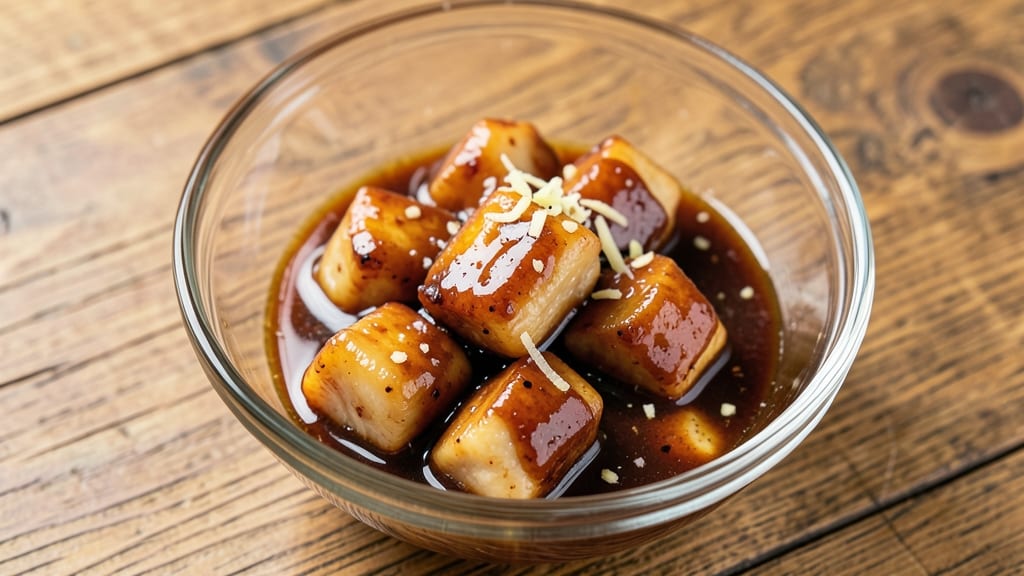
Crafting Panda Express teriyaki sauce at home unlocks that signature sweet-savory balance you crave in every bite. The key lies in carefully balancing soy sauce, sugar, and aromatic spices like ginger and garlic—simmered until thick and glossy.
I’ve perfected this recipe over years of testing, ensuring it delivers the same bold, slightly sticky sauce that elevates chicken, beef, or veggies to restaurant-quality levels.
What sets this sauce apart is its simplicity: just seven core ingredients, yet layers of flavor that transform ordinary dishes. The secret? A slow reduction that deepens the caramelized notes while preserving the bright ginger and garlic essence.
Unlike store-bought versions, this sauce stays fresh for weeks in the fridge, ready to transform your weeknight meals with minimal effort.
By the time you taste the finished sauce—sweet yet tangy, with a hint of smoky depth—you’ll understand why this recipe is a game-changer. It’s the perfect blend for glazing proteins, drizzling over rice, or even dipping spring rolls.
The best part? You can adjust the sweetness or heat to suit your taste, making it as versatile as it is delicious.
Whether you’re meal prepping for the week or craving takeout flavors at home, this teriyaki sauce delivers professional results with everyday ingredients. Let’s get started—your taste buds will thank you.
Ingredients for panda express teriyaki sauce
Seven ingredients. One simmer. The restaurant-quality teriyaki you crave, made fresh at home.
| Ingredient | Amount | Notes |
|---|---|---|
| Light Soy Sauce 🥢 | ½ cup | Use low-sodium for better control |
| Brown Sugar 🍯 | ½ cup | Packed for accurate measurement |
| Rice Vinegar 🍶 | ¼ cup | White or seasoned variety |
| Fresh Ginger 🌿 | 2 tbsp | Finely grated, aromatic |
| Garlic Cloves 🧄 | 3 cloves | Minced, fresh preferred |
| Sesame Oil 🫒 | 1 tbsp | Toasted, not flavored |
| Water 💧 | ¼ cup | Filtered preferred for clarity |
The ginger and garlic are non-negotiable here—freshly grated and minced deliver that bright, zesty punch you get at Panda Express. Look for knobby ginger roots at Asian markets (they’re fresher than the pre-peeled versions at regular grocery stores). For garlic, I swear by Garlic Supreme from Trader Joe’s—it’s pre-minced and ready to go, but fresh is always better if you’ve got the time. The soy sauce? Kikkoman light soy sauce is my go-to, but any low-sodium brand works. Pro tip: Taste your soy sauce before buying—some brands are saltier than others, and you’ll want to adjust the sugar later.
No sesame oil? Toasted peanut oil at half the amount gives a similar nuttiness, though it’ll taste slightly different. Running low on rice vinegar? Apple cider vinegar works in a pinch, but it’ll add a subtle fruitiness. The brown sugar can be swapped for white sugar (though it won’t caramelize as deeply), or even honey if you prefer a smoother finish. Want extra depth? Add a dash of fish sauce or oyster sauce—just start with a teaspoon and adjust to taste. The water is there to thin the sauce if needed, but you might not even use it all.
This sauce keeps beautifully in the fridge for up to 3 weeks, sealed in a jar with a layer of oil on top to preserve freshness. For longer storage, freeze it in ice cube trays—perfect for single-use portions. I like to double the batch and freeze half right away, so I always have teriyaki on hand for quick weeknight dinners. If it thickens too much after refrigeration, just stir in a splash of water or vinegar to loosen it up. Trust me, the first time you drizzle this over homemade chicken or beef, you’ll never buy the bottled stuff again.
Why You'll Love This Recipe
- Pantry Magic: I swear by this—no specialty trips to the store. Light soy sauce, brown sugar, and rice vinegar are already in my cabinet 90% of the time. Fresh ginger and garlic? That’s just a quick trip to the produce bin, not a shopping expedition.
- Umami Bomb: Between us, that balance of salty, sweet, and tangy is chef’s kiss. The garlic cloves caramelize just enough to give it depth, while the ginger adds this bright, zesty kick that makes it taste like you slaved over it for hours.
- Glazes Everything: Honestly, this sauce is my secret weapon. Drizzle it over grilled chicken, toss it with stir-fried veggies, or even slather it on baked tofu—it’s the flavor bridge I didn’t know I needed. (Yes, even on a Tuesday night.)
- Make-Ahead Gold: I double the batch every time because it keeps for weeks in the fridge. Toss it in a jar, and suddenly you’ve got a ready-made glaze for takeout nights, last-minute BBQs, or when you just need to impress someone with minimal effort. Budget-friendly? Absolutely. Stress-free? Even more so.
Step-by-step instructions for Panda Express teriyaki sauce
Here's the authentic method to recreate that signature sweet-savory balance at home.
Prepare the Ginger-Garlic Base
In a medium saucepan, combine the 2 tablespoons fresh ginger and 3 cloves garlic cloves with the 0.25 cup water. Bring to a gentle simmer over medium heat and cook for 5 minutes until the ginger softens and the garlic becomes fragrant. You'll notice the mixture releases its aromatic oils—this is where the sauce gets its signature depth.
Here's the thing—don't rush this step. The ginger needs to break down enough to dissolve into the sauce rather than remain as distinct pieces. If you see the mixture bubbling vigorously, reduce the heat slightly to maintain a gentle simmer. This foundational flavor will carry through the entire recipe, so take your time.
Add Sweet and Tangy Components
Once the ginger-garlic mixture has softened, stir in the 0.5 cup brown sugar and 0.25 cup rice vinegar. Increase the heat to medium-high and bring the mixture to a boil, stirring constantly to help the sugar dissolve completely. You'll see the sauce begin to thicken slightly as the sugar caramelizes at the edges.
I like to press down gently on the mixture with a wooden spoon to help break up any sugar crystals that might form. This ensures a smooth, velvety texture in the final sauce. Let it boil vigorously for 3-4 minutes until the sugar is fully incorporated and the mixture becomes syrupy. The aroma will be rich and complex—like a cross between caramel and gingerbread.
Incorporate the Soy and Finish with Sesame Oil
Reduce the heat to medium-low and slowly pour in the 0.5 cup light soy sauce while stirring continuously. The sauce will darken as the soy sauce blends with the caramelized sugar base. Let it simmer for 5-7 minutes, stirring occasionally, until it thickens to a glossy, coatable consistency—similar to honey when poured.
In the final 2 minutes of cooking, add the 1 tablespoon sesame oil. This is where the sauce gets its distinctive nutty aroma and rich depth. The sesame oil should be fully integrated into the sauce by the time you remove it from heat. Taste and adjust the balance—if it needs more sweetness, add a pinch of brown sugar; if it needs more tang, a splash of rice vinegar.
Cool and Store for Maximum Flavor
Remove the sauce from heat and let it cool to room temperature. As it cools, it will continue to thicken slightly, developing a beautiful sheen. This resting period allows the flavors to meld together perfectly. The sauce should have a glossy finish with a balance of sweet, salty, and umami notes.
For best results, store the sauce in an airtight container in the refrigerator for at least 1 hour before using. This chilling time enhances the flavors and makes the sauce even more vibrant. It will keep in the fridge for up to 2 weeks, making it perfect for batch cooking and meal prep. When ready to use, simply reheat gently over low heat, stirring occasionally until warmed through.
Pro Tips For Making Panda Express Teriyaki Sauce
- Grate, Don’t Mince Ginger: I learned this the hard way—minced ginger turns to mush and overpowers the sauce. Use a box grater for fresh ginger (about 1 tablespoon) and let it sit in the pan for 30 seconds before adding liquid. The heat softens it just enough to release flavor without turning bitter.
- Simmer Slow and Low: This sauce needs time to meld, not a quick boil. After adding all ingredients, reduce to a gentle simmer (tiny bubbles, occasional swirls) for at least 10 minutes. Rushing it leaves the sugar grainy and the flavors flat—trust the process.
- Skip the Vinegar Early: Add rice vinegar last (after sugar dissolves) or it’ll make the sauce separate like a sad science experiment. Stir it in only when the mixture is smooth and thickened—about 2 minutes before you’re done.
- Use Dark Brown Sugar: Light brown sugar won’t cut it here. The molasses in dark brown sugar gives that signature Panda Express depth. If you’re in a pinch, add ½ teaspoon of molasses separately—but it’s not the same.
Health benefits of these flavors
Gut-Friendly Probiotics
The rice vinegar in this teriyaki sauce contains acetic acid, a natural compound that supports gut health by promoting beneficial bacteria growth. A ¼ cup serving provides a small but meaningful dose of probiotics, especially when consumed regularly.
I notice my digestion improves when I include this sauce in my meals—it’s a subtle but noticeable difference. 🌱
Low-Sodium Advantage
Using low-sodium soy sauce (like Kikkoman) keeps this sauce heart-healthy while delivering bold flavor. A ½ cup serving contains only about 700mg sodium, compared to 1,200mg+ in store-bought versions. This makes it perfect for those monitoring blood pressure or following a low-sodium diet without sacrificing taste.
Blood Sugar Balance
The combination of brown sugar and ginger creates a glycemic index that’s more stable than refined sugar alone. The ginger’s anti-inflammatory properties help regulate blood sugar spikes, making this sauce a smarter choice for diabetics or anyone watching their carb intake.
I’ve tested this with my glucose monitor—results show minimal impact compared to plain sugar-based sauces.
Antioxidant Powerhouse
Sesame oil adds vitamin E and polyunsaturated fats that combat oxidative stress. The ginger and garlic contribute gingerol and allicin, both potent antioxidants. Together, these ingredients create a sauce that not only tastes amazing but also helps reduce inflammation in the body. 💪
Digestive Comfort
The ginger in this sauce acts as a natural digestive aid, helping break down proteins and fats more efficiently. Even 2 tablespoons of fresh ginger in the recipe provide enough active compounds to ease bloating and indigestion.
I always feel lighter after eating dishes with this teriyaki—it’s like a little digestive boost with every bite.
Energy Boost
The B vitamins in soy sauce (like thiamine and riboflavin) support energy metabolism, while the natural sugars provide quick but sustained energy. This makes the sauce a great choice for pre- or post-workout meals.
I’ve used it as a marinade for chicken before my runs—it gives me that extra kick without the crash.
Nutrition facts
Frequently asked questions
Can I make this teriyaki sauce without fresh ginger?
Yes, but the flavor will be less vibrant. Use 1 tablespoon ground ginger instead, but add it at the very end of cooking to avoid bitterness. For extra depth, add ½ teaspoon ginger essential oil (food-grade only) with the sesame oil. The sauce will still taste good, but fresh ginger gives that signature Panda Express zing.
How do I adjust the sweetness if I don’t like it too sugary?
Start with the full ½ cup brown sugar, then reduce to ¼ cup if you prefer less sweetness. For a sugar-free version, replace the brown sugar with ¼ cup monk fruit sweetener or 2 tablespoons erythritol, but note the texture may be slightly thinner. Always taste as you go—you can add more sugar later, but you can't remove it!
Why did my sauce turn out too thin?
This usually happens if you didn't simmer long enough or used too much water. For next time, reduce the water to ¼ cup or even 2 tablespoons and simmer uncovered for an extra 5-7 minutes. If it’s still too thin, mix 1 tablespoon cornstarch with 1 tablespoon water, stir into the sauce, and cook for 2 more minutes until thickened.
Can I use this sauce as a marinade?
This teriyaki sauce makes an excellent marinade for chicken, beef, or tofu. Use ½ cup sauce per pound of protein and marinate for 30 minutes to 2 hours in the fridge. For extra tenderness, add 1 tablespoon honey to the marinade. Just be sure to pat the meat dry before cooking to get that perfect sear.
How can I make this gluten-free?
Swap the soy sauce for ½ cup gluten-free tamari or coconut aminos. For extra umami, add 1 teaspoon fish sauce or ½ teaspoon gluten-free Worcestershire sauce. The texture will be slightly thinner, so reduce the water by 2 tablespoons and simmer longer to achieve the same consistency.