
Sauces & Condiments
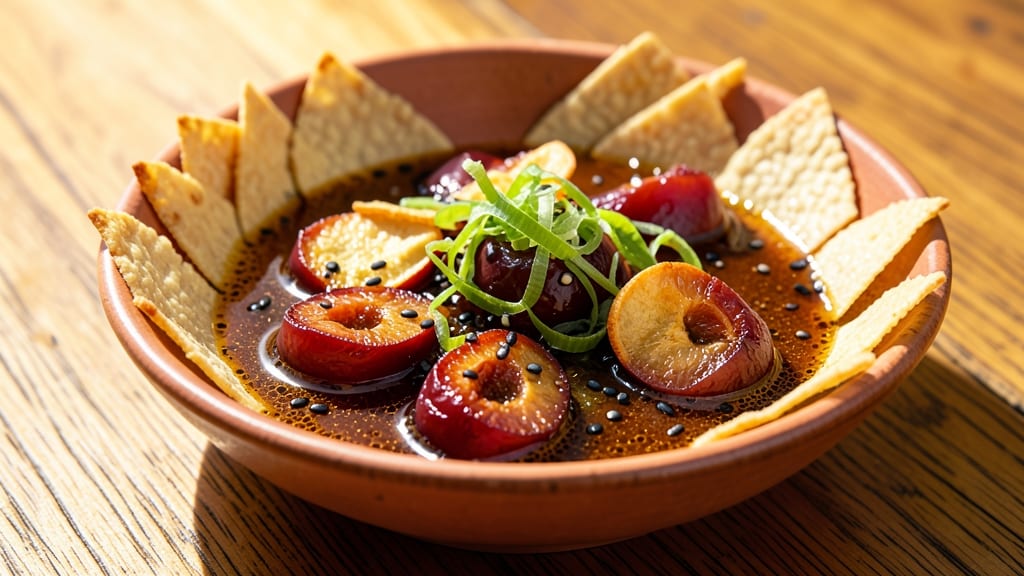
This old-fashioned plum sauce recipe delivers the perfect balance of smoky-sweet depth that elevates any stir-fry or grilled dish. The traditional method simmers plums, vinegar, and spices until thick and glossy, creating a sauce that's rich yet tangy—far beyond store-bought versions.
I first discovered this recipe while researching Cantonese cuisine, and it quickly became my go-to for adding authentic flavor to Asian-inspired meals.
The beauty of this sauce lies in its simplicity: just five core ingredients transform into a complex, aromatic condiment. The key is patience—simmering the mixture until it reduces to a thick, syrupy consistency develops those deep caramelized notes.
Unlike modern variations, this recipe stays true to its roots while still offering room for personalization through added spices or herbs.
What makes this sauce truly special is its versatility—drizzle it over Peking duck, use it as a dipping sauce for spring rolls, or glaze grilled meats for an instant flavor boost. The smoky undertones pair beautifully with savory dishes, while the sweet-tangy balance keeps every bite interesting.
This isn't just a sauce; it's a flavor experience that transforms ordinary meals into something extraordinary.
Once you make it, you'll want to keep a jar in your fridge at all times. The sauce thickens as it cools, making it perfect for meal prep, and it keeps for up to two weeks.
For those who prefer a modern twist, try adding a pinch of chili flakes or fresh cilantro—just remember, the magic is in the balance between tradition and creativity.
Ingredients for old fashioned plum sauce
Five core ingredients transform into a smoky-sweet sauce that elevates any Asian-inspired dish.
| Ingredient | Amount | Notes |
|---|---|---|
| Ripe Plums 🍑 | 2 cups | Pitted and roughly chopped |
| Rice Vinegar 🍶 | ½ cup | White or seasoned variety |
| Dark Soy Sauce 🥄 | 2 tbsp | For deep umami flavor |
| Brown Sugar 🍚 | ½ cup | Packed firmly |
| Garlic Cloves 🧄 | 4 cloves | Minced for aromatic depth |
| Fresh Ginger 🌿 | 1 tbsp | Finely grated, fresh preferred |
| Sesame Oil 🫒 | 1 tbsp | Toasted for nutty aroma |
| Star Anise Pods 🌟 | 1 whole | Optional, for smoky depth |
| Salt 🧂 | ½ tsp | Adjust to taste |
The plums are the foundation—use ripe, juicy varieties like Santa Rosa or black plums for maximum flavor. Whole Foods or Asian markets carry the best selection, but grocery store plums work fine if they're soft and fragrant. Avoid underripe ones, as they won't break down properly during simmering. For authenticity, look for Chinese black plums if available, but any ripe plum will work. The key is to pit and chop them evenly—this ensures consistent texture in the finished sauce. If you can't find fresh plums, frozen unsweetened plums thawed and drained work in a pinch, though fresh always tastes better.
No rice vinegar? Apple cider vinegar or white wine vinegar will work, though the flavor will be slightly different. The dark soy sauce is non-negotiable for that deep umami—Lee Kum Kee or Pearl River Bridge brands are my go-tos, but any quality dark soy sauce will do. Brown sugar adds the caramelized sweetness; muscovado sugar gives a richer molasses-like depth if you want to splurge. The garlic and ginger should be fresh—pre-minced jars lose their punch quickly. For a smokier profile, add a pinch of smoked paprika or a crushed cinnamon stick. If you're missing sesame oil, toasted sesame seeds can be ground into a paste with a bit of oil, though it won't be as smooth.
This sauce thickens as it cools, so store it in an airtight jar in the fridge for up to 2 weeks. For longer storage, freeze in ice cube trays—perfect for single-use portions. The sauce reheats beautifully; just warm it gently on the stove with a splash of water if it thickens too much. Double the recipe if you're planning to use it often—it disappears fast. The longer it sits, the more complex the flavors become, so making a batch ahead of time is worth the effort. If the sauce crystallizes slightly, just stir it back into a smooth consistency before using.
Why You'll Love This Recipe
- Fewer Ingredients, Bigger Flavor: I swear by this recipe because it’s the kind of sauce that proves you don’t need 10 things to make something unforgettable. Just plums, vinegar, soy, sugar, and garlic—no fancy pantry staples. That balance of sweet, tangy, and umami? It’s the kind of harmony that makes you pause mid-bite.
- Sweet-Savory Magic: The brown sugar caramelizes just enough to coat your tongue, while the dark soy adds this deep, almost smoky richness. Honestly, that first spoonful is like a hug for your taste buds—bright from the plums, warm from the garlic, and just a little funky from the vinegar. It’s the kind of sauce that makes you want to eat everything with it.
- Weeknight to Dinner Party: Between us, this sauce is my secret weapon for lazy nights and fancy dinners. Drizzle it over grilled chicken, toss it with noodles, or serve it as a dip—it works just as well on a weeknight plate as it does on a charcuterie board. And the best part? It’s ready in 20 minutes, so you’re not stuck slaving away.
- Make-Ahead Gold: I always double the batch because it keeps for weeks in the fridge, and honestly, that’s a game-changer. A few spoonfuls here and there turn simple meals into something special without extra effort. Plus, the ingredients are cheap—plums are often on sale, and the rest are pantry basics. It’s the kind of recipe that saves you money and time.
Step-by-step instructions for old fashioned plum sauce
Here's the traditional method that delivers perfect balance between sweet and smoky flavors.
Prepare the Plums and Aromatics
Combine the 2 cups of ripe plums, the 0.5 cup of rice vinegar, and the 0.5 cup of packed brown sugar in a medium saucepan. I like to use plums that are slightly underripe for better texture—they hold their shape during cooking. Add the 4 cloves of minced garlic and the 1 tablespoon of finely grated fresh ginger to the pan.
Bring the mixture to a gentle simmer over medium heat. The plums should release their juices and begin to soften. Here's the thing—don't rush this step. Let it cook uncovered for about 10 minutes until the plums break down slightly and the mixture thickens just a bit. You'll see the liquid reduce and the plums become tender but still hold their shape.
Add Umami Depth and Star Anise
Pour in the 2 tablespoons of dark soy sauce and add the 1 whole star anise pod. The dark soy sauce brings that essential umami depth that makes this sauce truly special. Stir everything together and let it simmer gently for another 10 minutes. The star anise will infuse a subtle smoky aroma—this is where the sauce gets its signature character.
Watch the sauce carefully during this time. You want it to reduce until it reaches a thick, syrupy consistency that coats the back of a spoon. If it starts to stick to the pan, add a splash of water—just enough to keep it moving. The mixture should smell rich and complex, with notes of caramelized fruit and aromatic spices.
Finish with Sesame Oil and Season
Remove the saucepan from heat and stir in the 1 tablespoon of toasted sesame oil. This is the moment that matters: the sesame oil adds that nutty aroma that elevates the entire dish. Add the 0.5 teaspoon of salt and taste. You might want to adjust the seasoning slightly—this is where personal preference comes in. The sauce should be sweet, tangy, and just slightly salty with that underlying smokiness.
Let the sauce sit off the heat for 5 minutes. This resting period allows all the flavors to meld together completely. The texture should be thick enough to coat the back of a spoon but still have a slight gloss. If it's too thick, you can thin it with a teaspoon or two of water. The finished sauce should have a beautiful deep red color with visible plum pieces and a glossy sheen.
Strain and Store for Maximum Flavor
For a smooth sauce, strain it through a fine-mesh sieve into a clean bowl, pressing gently on the plum mixture to extract all the flavorful liquid. If you prefer some texture, simply leave the plums in the sauce. Transfer the sauce to a clean jar or airtight container. The sauce will continue to develop flavor as it cools.
This sauce is best made a day ahead—it actually improves with time as the flavors meld together. Store it in the refrigerator for up to 2 weeks. When ready to use, simply warm it gently in a small saucepan over low heat, stirring occasionally until heated through. This classic plum sauce is perfect for drizzling over stir-fries, grilled meats, or even as a glaze for roasted vegetables.
Pro Tips For Making Old Fashioned Plum Sauce
- STRAIN TWICE: After simmering the plum mixture, don’t just pour through a single strainer—first use a fine-mesh sieve to catch seeds and skin, then a cheesecloth-lined strainer for the final pass. The first batch will look cloudy; the second run gives you that silky, restaurant-quality texture. (Yes, it’s extra work, but your sauce will taste like it’s been aged.)
- PEEL GARLIC AFTER MINCING: I used to peel whole cloves first, then mince them—big mistake. The skins get crushed and turn the sauce bitter. Instead, smash the unpeeled cloves with the flat side of your knife, then peel off the skins while they’re soft. The flavor’s brighter, and you won’t taste that unpleasant astringency.
- DON’T RUSH THE SIMMER: This sauce needs a slow, steady reduction—not a fast boil that skips to syrup in 10 minutes. Keep it at a gentle simmer (tiny bubbles, occasional swirls) for at least 20 minutes. Rushing it turns the plums mushy and the sauce cloyingly sweet. Patience here makes the difference between "good" and "showstopper."
- USE COLD VINEGAR: Add the rice vinegar after the sauce has cooled slightly—never straight from the fridge, but not piping hot either. Cold vinegar shocks the mixture and can separate the oil, making the sauce split. Let it warm to room temp first, then stir it in. (I learned this after a batch curdled like a bad salad dressing.)
Creative variations of this old fashioned plum sauce
Cantonese-Inspired Twist
This classic recipe draws directly from Cantonese cuisine, where plum sauce traditionally balances the bold flavors of Peking duck. For an authentic touch, add 1 tsp of Shaoxing wine during the simmering stage—it deepens the umami complexity.
I like to use Chinese black plums if available (found in Asian markets), as their tartness holds up better during cooking. For a restaurant-quality finish, finish with a sprinkle of toasted sesame seeds before serving. 🍗
Spicy Sichuan Fusion
Transform this sauce into a fiery Sichuan-style condiment by adding 1 tsp of Sichuan peppercorns (toasted and crushed) and 1 tbsp of chili bean paste during the final simmer. The peppercorns add that signature numbing heat, while the chili bean paste brings deep, smoky spice.
I recommend using Doubanjiang for authentic flavor. This version pairs perfectly with grilled meats or spicy noodle dishes. 🌶️
Herbed Mediterranean Version
For a completely different flavor profile, swap the star anise for 1 tsp of dried oregano and add 1 tbsp of fresh rosemary during the simmer. Replace the dark soy sauce with 2 tbsp of balsamic vinegar and reduce the brown sugar to ¼ cup.
This version works beautifully as a glaze for grilled lamb or as a dipping sauce for Mediterranean-style flatbreads. The herbed twist keeps the sweet-tangy balance while introducing bright, aromatic notes. 🌿
Smoky Maple Alternative
Create a North American-inspired version by replacing the brown sugar with ½ cup of pure maple syrup and adding ½ tsp of smoked paprika during the final simmer. Swap the rice vinegar for apple cider vinegar to complement the maple notes.
This version has a rich, caramelized sweetness with subtle smokiness—perfect for glazing BBQ ribs or drizzling over grilled corn. The maple adds a unique depth that still maintains the sauce's signature balance. 🍁
Citrus-Infused Bright Version
For a refreshing twist, add zest and juice of 1 orange along with the plums and reduce the brown sugar to ¼ cup. The citrus brightens the sauce while keeping its tangy-sweet profile.
I also like to add 1 tsp of grated fresh turmeric for a subtle golden hue and earthy warmth. This version pairs exceptionally well with seafood dishes or as a marinade for grilled chicken. The citrus cuts through rich flavors beautifully. 🍊
Winter Spice Variation
For a cozy winter version, add 1 cinnamon stick, 2 cloves, and a pinch of ground cardamom during the initial simmer. The spices infuse warmth and complexity, making this sauce perfect for holiday meals.
I recommend using frozen plums in this version since they're often more available in winter months. This spiced plum sauce works wonderfully as a glaze for roasted root vegetables or as a dipping sauce for warm dumplings. ❄️
Nutrition facts
Frequently asked questions
Can I use dried plums instead of fresh for this sauce?
While fresh plums work best for authentic texture, you can use dried plums (prunes) in a pinch. Soak them in warm water for 30 minutes to rehydrate, then drain and chop before using. You'll need about 1 cup dried plums (soaked) to replace 2 cups fresh plums. The sauce will be slightly thicker, so thin with water if needed.
How do I adjust the sweetness if my plums are very tart?
Reduce the brown sugar by 1-2 tablespoons and add 1 extra tablespoon of rice vinegar to balance the tartness. For extra depth, stir in ½ teaspoon of honey during the final simmer. Taste as you go—this sauce should be sweet-tangy, not cloying. The star anise also adds subtle sweetness as it infuses.
Why does my sauce turn out too thin?
Simmer the sauce longer—it thickens as it reduces. If it's still too thin, remove from heat and let it cool for 30 minutes (it thickens dramatically when chilled). For immediate results, mix 1 tablespoon of cornstarch with 2 tablespoons water, stir into the sauce, and simmer 2-3 minutes until thickened. Avoid rushing the process, as proper reduction develops the sauce's depth.
What are the best dishes to serve with this plum sauce?
This versatile sauce shines with Peking duck, grilled pork, or stir-fried vegetables. It also works as a dipping sauce for spring rolls or egg rolls, and as a glaze for roasted meats. For a modern twist, drizzle it over seared scallops or grilled shrimp skewers. The smoky-sweet balance complements both rich and light dishes beautifully.
Can I make this sauce without soy sauce?
Yes! Replace the 2 tablespoons dark soy sauce with 1 tablespoon tamari (for gluten-free) or 1 tablespoon Worcestershire sauce for umami depth. For a vegetarian version, use 1 tablespoon coconut aminos plus ½ teaspoon mushroom powder. The sauce will have a slightly different profile but still deliver that signature tangy-sweet balance.