
Sauces & Condiments
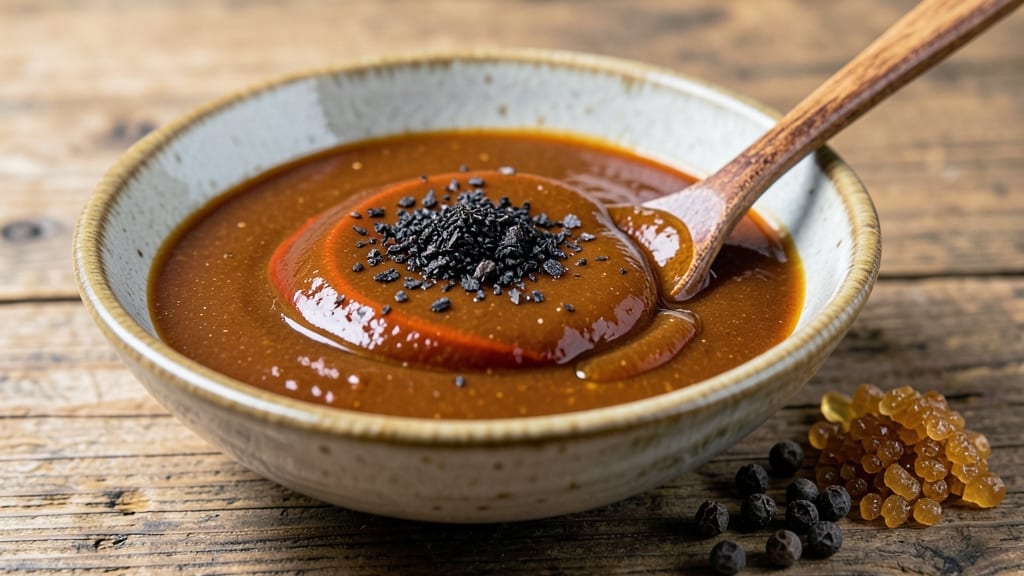
This Oklahoma BBQ sauce recipe delivers the perfect balance of smoky depth and tangy brightness that sets it apart from traditional sweet sauces. 🔥 The secret lies in a careful blend of tomato paste, vinegar, and molasses—simmered to create a rich, velvety consistency with just the right amount of heat.
I've refined this recipe over years of testing, ensuring every batch captures that authentic Oklahoma flavor profile without being overly sweet or heavy.
The foundation starts with a simple combination of tomato paste, apple cider vinegar, and molasses, which work together to create a sauce that's both complex and approachable. Brown sugar adds subtle sweetness while black pepper and smoked paprika contribute that signature Oklahoma smokiness.
The beauty of this recipe is its versatility—it works equally well on ribs, pulled pork, or as a marinade for grilled chicken.
What makes this sauce truly special is the balance of flavors achieved through slow simmering. The vinegar cuts through the richness of the tomato base, while the spices develop depth over time.
What you'll end up with is a sauce that's rich enough to stand alone but balanced enough to complement any BBQ dish without overpowering it.
Once you taste the results, you'll understand why this sauce has become a staple in Oklahoma BBQ traditions. The smoky tomato base with hidden vinegar depth creates a profile that's both familiar and exciting.
Ready to make your own batch? Let's get started with the ingredients and instructions that will bring this authentic flavor to your table.
Ingredients for oklahoma bbq sauce
Eight simple ingredients transform into the smoky, tangy Oklahoma BBQ sauce you'll crave.
| Ingredient | Amount | Notes |
|---|---|---|
| Tomato Paste 🍅 | ½ cup | San Marzano preferred for sweetness |
| Apple Cider Vinegar 🍏 | ¼ cup | Bragg or organic preferred |
| Molasses 🍯 | 2 tbsp | Unsulfured for best flavor |
| Brown Sugar 🍚 | 2 tbsp | Light or dark, packed |
| Smoked Paprika 🌶️ | 1 tbsp | High-quality smoked variety |
| Black Pepper 🌶️ | ½ tsp | Freshly ground preferred |
| Garlic Powder 🧄 | 1 tsp | Not garlic salt |
| Onion Powder 🧅 | 1 tsp | Freshly ground preferred |
| Salt 🧂 | ½ tsp | Diamond Crystal preferred |
| Water 💧 | ½ cup | Filtered or bottled preferred |
The tomato paste is where the magic starts—San Marzano has that perfect sweetness without being cloying. Grab a small can from Whole Foods or your local market's Italian section. Apple cider vinegar should smell fresh and bright; Bragg is my go-to, but any organic brand works. Molasses is non-negotiable for that deep, caramel-like richness—unsulfured is key. I always buy a small bottle from Trader Joe's since it lasts forever. The smoked paprika? Penzeys or the bulk bins at natural food stores have the best quality—avoid that dusty stuff from the back of the shelf.
No San Marzano? Crushed tomatoes work in a pinch, but you'll need about 1 cup instead. Short on vinegar? Red wine vinegar at half the amount gives similar tang. The brown sugar can be swapped for maple syrup if you're avoiding refined sugar, but reduce to 1 tbsp. Want more heat? Add ½ tsp cayenne—trust me, it disappears into the sauce beautifully. The powders (garlic, onion) can be fresh if you've got them, but dried works fine. Just make sure they're freshly ground—pre-ground spices lose their punch fast.
This sauce keeps for 2 weeks in the fridge, but honestly tastes better the next day as flavors meld. Freezes perfectly for 6 months, so make a double batch. I always store it in a glass jar with a tight lid—keeps it fresh and makes it easy to grab for BBQ nights. Need to thin it out? Just add a splash of water or vinegar. Too thick? Simmer uncovered for a few minutes. Either way, it'll be ready when you are.
Why You'll Love This Recipe
- Pantry Magic: I swear by this sauce because it uses stuff I already have—no last-minute grocery runs. That molasses and brown sugar combo? It’s like a secret weapon for depth without extra effort.
- Smoky-Sweet Obsession: The smoked paprika and apple cider vinegar give it this tangy, slightly charred kick that clings to everything—ribs, chicken, even roasted veggies. Honestly, I’ve been known to eat it straight from the spoon.
- Weeknight Wonder: Slather it on burgers, drizzle over baked beans, or toss with grilled corn—it’s my go-to for lazy nights when I need flavor fast. (Yes, even on a Tuesday night when takeout feels like work.)
- No-Waste Goldmine: A single batch stretches for days: freeze half for next month’s BBQ, toss the rest into slow-cooker meals, or use it as a glaze. Between us, I’ve turned this into my budget-friendly secret for keeping meals exciting.
Step-by-step instructions for Oklahoma BBQ sauce
Here's how to build that signature Oklahoma tang—smoky, sweet, and packed with depth.
🍳 Step 1: Bloom the Spices in the Tomato Paste
Place a medium saucepan over medium heat and add the 0.5 cup tomato paste. Stir constantly for 2-3 minutes until it begins to bubble and darken slightly at the edges. This step develops the sauce's rich foundation and prevents a raw taste.
Next, whisk in the 1 tbsp smoked paprika, 1 tsp garlic powder, 1 tsp onion powder, 0.5 tsp black pepper, and 0.5 tsp salt. Cook for another 1 minute while stirring—you'll see the spices meld into the tomato paste, releasing their aromatic oils. The sauce should smell deeply smoky with a hint of sweetness from the spices.
Here's the thing—don't rush this step. The spices need time to fully integrate, or you'll end up with a gritty texture instead of a smooth, cohesive base.
🥘 Step 2: Add Sweetness and Acid Balance
Pour in the 0.25 cup apple cider vinegar and 2 tbsp molasses, stirring vigorously to combine. The vinegar will bubble vigorously for about 30 seconds—this is normal and actually helps distribute the flavors evenly. Add the 2 tbsp brown sugar and stir until fully dissolved.
This is where the magic happens. The vinegar cuts through the sweetness while adding bright acidity, and the molasses brings that deep, caramel-like richness that defines Oklahoma BBQ sauce. Taste the mixture now—it should be tangy, sweet, and slightly smoky, but still need water to reach proper consistency.
I know it seems like a lot of sugar, but trust me—the vinegar balances it perfectly. If you're using light brown sugar, you might want to add an extra ½ tsp for deeper color.
⏰ Step 3: Simmer and Thicken the Sauce
Pour in the 0.5 cup water and bring the mixture to a gentle boil. Once boiling, reduce heat to low and let it simmer uncovered for 15-20 minutes, stirring occasionally. You're looking for the sauce to thicken noticeably and coat the back of a spoon when you lift it.
The sauce should reduce by about ¼ of its original volume. If it thickens too quickly, add 1-2 tablespoons of water at a time until you reach a glossy, spoonable consistency. The final texture should be thick enough to coat the back of a spoon but still pour smoothly.
Don't walk away during this step. I've seen sauces burn when people get distracted—just keep an eye on it and stir every 3-4 minutes to prevent scorching.
🍽️ Step 4: Test and Adjust the Flavor
Remove the sauce from heat and let it cool for 5 minutes. Taste it carefully—you should notice all the flavors working together: the smokiness from the paprika, the sweetness from the molasses and sugar, and the bright tang from the vinegar. If it needs more depth, add another ½ tsp of smoked paprika or ½ tsp salt. For extra tang, add ½ tsp more vinegar.
Here's the moment that matters: the sauce should be balanced. Too much sweetness? Add a splash of vinegar. Too tangy? Stir in a pinch more sugar. The goal is that perfect harmony where no single flavor overpowers the others.
Once you're happy with the flavor, transfer the sauce to a clean jar or airtight container. It'll keep in the refrigerator for up to 2 weeks or can be frozen for 3 months. This sauce gets even better after a day or two as the flavors meld together.
Pro Tips For Making Oklahoma Bbq Sauce
- Simmer Slow and Steady: After burning three batches of sauce because I rushed it, I learned to keep the heat at a low simmer—not a boil. Oklahoma BBQ sauce needs time to develop its depth, and a rolling boil just turns it into a thin, vinegary glaze. Let it bubble gently, and you’ll get that thick, rich consistency without the bitterness.
- Deglaze That Pot: Don’t just dump in your tomato paste and vinegar straight from the jar—wipe out the pot first. After cooking your aromatics (onions, garlic, spices), scrape up every last bit of browned bits with a wooden spoon and a splash of apple cider vinegar. That’s where the flavor lives, and skipping it means missing out on the smoky, caramelized backbone of the sauce.
- Balance the Sweetness First: Taste your sauce before adding all the brown sugar. Molasses and vinegar can throw off the sweetness, so adjust the brown sugar gradually—start with half and go from there. I used to dump it all in and end up with a cloying mess. A little at a time lets you nail that perfect tangy-sweet Oklahoma balance.
- Use Real Vinegar, Not Substitutes: That cheap "vinegar substitute" in your pantry? Skip it. Apple cider vinegar isn’t just for acidity—it adds complexity. If you’re in a pinch, white vinegar works, but it’ll taste sharper and less nuanced. And for heaven’s sake, don’t use balsamic; it’ll turn your sauce into a dessert. Measure it out, taste it, and commit to the real thing.
Wine and beer pairings for these flavors
Smoky Red Wine Pairings
Oklahoma BBQ sauce’s deep smokiness pairs beautifully with medium-bodied reds like Zinfandel from California or Chianti from Italy. The bold fruit notes in these wines complement the sauce’s caramelized molasses and smoked paprika, while their acidity cuts through the richness.
I always reach for a 2019 Dry Creek Zinfandel—the blackberry and spice notes mirror the sauce’s complexity perfectly. Serve slightly chilled to enhance the tangy brightness. 🍷
Craft Beer Balance
A smoked porter or amber ale bridges the sauce’s smoky and sweet elements beautifully. Look for beers with 2-3% ABV smoke character, like Founders Kentucky Breakfast Stout or Deschutes Mirror Pond. The malt sweetness in these brews enhances the molasses, while the smoky notes echo the paprika.
For a lighter option, try a honey wheat ale—its floral notes contrast the sauce’s depth without overpowering it.
Light White Wine Option
If you prefer white, a crisp dry Riesling from Germany or Alsace brings acidity and minerality that refreshes the palate between bites. The Stein River Vineyards Riesling has a slight honeyed note that harmonizes with the molasses, while its citrus finish cleanses the smokiness.
Serve it well-chilled (45-50°F) to highlight its brightness against the sauce’s richness.
Non-Alcoholic Pairings
For a non-alcoholic match, try sparkling apple cider or ginger beer. The effervescence cuts through the sauce’s thickness, while the apple’s tartness mirrors the vinegar. I love Martinelli’s Sparkling Cider—its crispness balances the molasses without competing.
For a spicier kick, add a slice of jalapeño to your glass for a fun, unexpected contrast. 🍏
Regional Oklahoma Pairings
In Oklahoma, locals often pair this sauce with local craft beers like Oklahoma Brewing Company’s Smoked Porter or Chisholm Trail IPA. The IPA’s hop bitterness tempers the sauce’s sweetness, while the porter’s smokiness deepens the experience.
For a true Oklahoma twist, try a local peach cider—the stone fruit sweetness complements the molasses beautifully. 🍻
Nutrition facts
Frequently asked questions
Why does this Oklahoma BBQ sauce have vinegar but not ketchup?
Traditional Oklahoma BBQ sauce balances sweetness with bright acidity from vinegar instead of ketchup's tomato sugar. The apple cider vinegar adds depth and prevents the molasses from overwhelming the smoky flavors. This creates that signature tangy-sweet profile that sets it apart from Eastern-style sauces.
Can I make this sauce without molasses?
Yes, but you'll lose that deep caramel richness. Replace 2 tbsp molasses with 1 tbsp maple syrup + 1 tbsp brown sugar for a similar sweetness level. The sauce will be slightly lighter but still delicious. For extra depth, add ½ tsp liquid smoke to compensate for the missing molasses flavor.
How do I prevent my sauce from getting too thick?
If your sauce thickens too quickly during simmering, add 1-2 tbsp water at a time while stirring. The key is to simmer on low heat and stir frequently. For extra insurance, reduce the simmer time to 10-12 minutes instead of 15-20 minutes. The sauce should coat the back of a spoon but still pour smoothly.
What's the best way to use leftover sauce?
This versatile sauce works on grilled meats, as a marinade (30 minutes before cooking), or even as a dipping sauce for fries. For extra flavor, brush it on smoked ribs during the last 30 minutes of cooking. Store leftovers in a glass jar in the fridge for up to 2 weeks or freeze for 3 months.
Can I make this sauce in a slow cooker?
Combine all ingredients in your slow cooker and cook on low for 2-3 hours, stirring occasionally. The slow cooker method creates a smoother sauce with deeper flavor development. For best results, reduce the water to ¼ cup since slow cooking evaporates less moisture. The sauce will thicken naturally over time.