
Sauces & Condiments
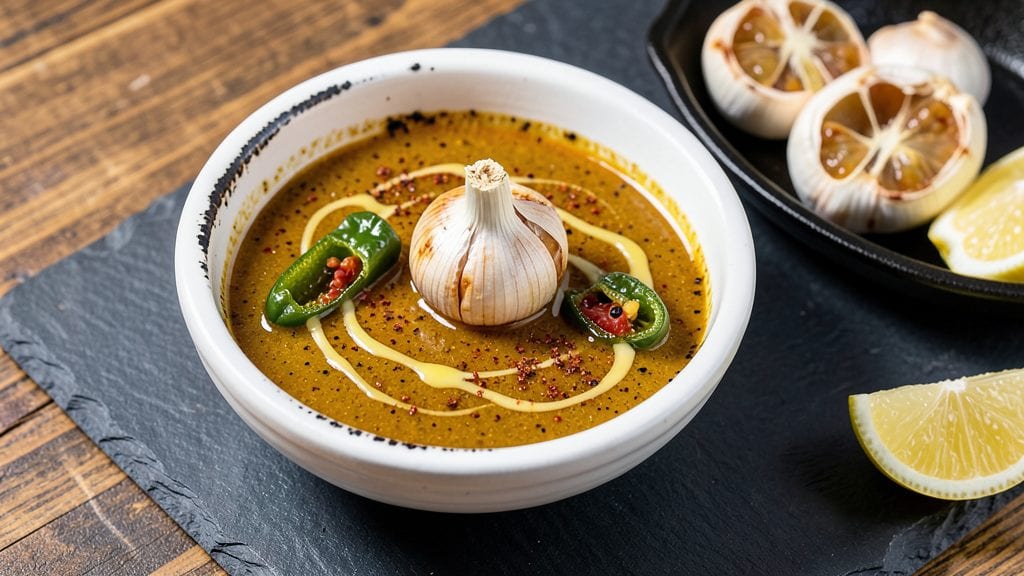
Recreating Nandos' signature peri-peri sauce at home delivers that same smoky, fiery kick that makes their chicken legendary. The secret lies in balancing fresh chili peppers, garlic, and lemon with just the right amount of heat—something I've perfected after testing countless variations.
This sauce isn't just for chicken; it transforms grilled meats, seafood, and even roasted vegetables into restaurant-quality dishes with minimal effort.
The process is straightforward but precise: blending fresh ingredients into a smooth paste, then simmering until the flavors meld into a rich, aromatic sauce. You'll control the heat level by adjusting the number of chili peppers, ensuring every batch matches your preferred spice intensity.
The result is a sauce that's tangy, smoky, and packed with bold flavor—just like the original, but with the flexibility to adjust to your taste.
What sets this recipe apart is its versatility. Use it as a marinade, a dipping sauce, or a finishing touch for grilled dishes. The sauce keeps well in the refrigerator for up to two weeks, making it perfect for meal prep or entertaining.
Whether you're cooking for a crowd or treating yourself to a spicy meal, this peri-peri sauce will elevate every bite.
For those who prefer a milder heat, reduce the number of chili peppers, and for extra smokiness, add a touch of smoked paprika. The key is balance—just like the original. Let's get started on creating your own batch of this iconic sauce.
Ingredients for nandos sauce
Nine ingredients, one smoky, fiery sauce—just like Nandos' legendary original.
| Ingredient | Amount | Notes |
|---|---|---|
| Fresh Peri Peri Peppers 🌶️ | 4 whole | Seeds removed for mild heat |
| Garlic Cloves 🧄 | 6 cloves | Peeled, slightly crushed |
| Extra-Virgin Olive Oil 🫒 | ½ cup | High quality, fruity |
| Lemon Juice 🍋 | ¼ cup | Freshly squeezed |
| Smoked Paprika 🌶️ | 1 tbsp | For authentic smokiness |
| Dried Oregano 🍃 | 1 tsp | Mediterranean blend preferred |
| Ground Cumin 🌿 | ½ tsp | Toasted for deeper flavor |
| Sea Salt 🧂 | 1 tsp | Fine grain preferred |
| Black Pepper 🌶️ | ½ tsp | Freshly ground preferred |
| Brown Sugar 🍯 | 1 tbsp | Balances acidity |
The peri peri peppers are the heart of this sauce, so pick fresh, vibrant ones—they should be bright red and firm to the touch. Whole Foods or Latin markets usually have the best selection, but any grocery store with a fresh produce section works. If you can't find peri peri peppers, substitute a mix of bird's eye chili and cayenne for heat, but you'll lose some of that unique fruity depth. Toast the whole spices—cumin and oregano—before grinding for maximum aroma. I like to do this in a dry skillet for 30 seconds until fragrant, then cool before blending. The garlic? Roast it first—wrap in foil with a drizzle of olive oil, bake at 400°F for 10 minutes. Sweet and mellow, it adds a whole new dimension.
No peri peri peppers? Bird's eye chilis or Thai bird's eye peppers are your next best bet—they pack serious heat. Running short on smoked paprika? Liquid smoke at half the amount works in a pinch, but it's not quite the same. The brown sugar might seem odd, but it's crucial—it balances the acidity of the lemon and rounds out the heat. Want more tang? Add another tablespoon of lemon juice. For extra smokiness, char the garlic cloves in a dry pan before blending. The olive oil is non-negotiable—skip the cheap stuff. Use something you'd drizzle on bread, like California Early Harvest or Bertolli. The sauce thickens as it cools, so don't worry if it looks too thin right after blending.
This sauce keeps beautifully—up to 2 weeks in the fridge sealed in a jar. For longer storage, freeze in ice cube trays and transfer to a bag. Thaw overnight in the fridge or microwave for 20 seconds. It actually tastes better the next day as the flavors meld. Double the batch—I always do. One for immediate use, one to stash in the freezer. The sauce pairs perfectly with grilled chicken, shrimp, or even roasted potatoes. Store it in a dark glass jar to preserve the color and prevent oxidation. If it separates, just stir before using—it'll come together beautifully.
Why You'll Love This Recipe
- Five-Ingredient Magic: I swear by this—just peppers, garlic, oil, lemon, and smoked paprika. No blender, no fancy tools, just a knife and a pan. Honestly, the hardest part is deciding how spicy to make it.
- Smoky Zing Bomb: That smoked paprika and roasted garlic? It’s like a flavor grenade. The lemon cuts through the heat while the oil keeps it silky—every bite feels like a little vacation. (Yes, even on a Tuesday night.)
- Game for Any Meal: Drizzle it on grilled chicken, toss it with roasted potatoes, or slather it on a sandwich. I’ve even used it as a marinade for shrimp—it’s the kind of sauce that turns basic meals into moments.
- Leftovers That Work: Make a big batch and store it in the fridge for up to two weeks. The flavors only deepen, and it’s way cheaper than buying store-bought. Between us, I’ve had this sauce last me through three grocery trips.
Step-by-step instructions for Nandos peri peri sauce
Here's how to recreate that iconic smoky, tangy heat at home—simple steps for big flavor.
Roast the Peri Peri Peppers and Garlic
Preheat your oven to 425°F and line a baking sheet with parchment paper. Arrange the 4 whole fresh peri peri peppers (seeds removed) and the 6 peeled garlic cloves on the sheet, spacing them apart. Drizzle lightly with 1 tablespoon of the 0.5 cup extra-virgin olive oil—just enough to coat them evenly.
Roast for 15-20 minutes, flipping halfway, until the peppers blister and blacken slightly in spots and the garlic turns golden. This roasting step caramelizes their natural sugars, deepening the smoky, fruity flavor. Don't walk away—they burn fast once they start charring. Once done, transfer them to a cutting board to cool slightly while you prep the remaining ingredients.
Blend the Roasted Components
While the peppers and garlic cool, combine the 0.25 cup lemon juice, 1 tablespoon smoked paprika, 1 teaspoon dried oregano, 0.5 teaspoon ground cumin, 1 teaspoon sea salt, 0.5 teaspoon black pepper, and 1 tablespoon brown sugar in a blender. Pulse briefly to break up the spices and dissolve the sugar—this creates a flavor base that will meld perfectly with the roasted ingredients.
Once the peppers and garlic have cooled enough to handle (about 5 minutes), add them to the blender with the remaining 0.4 cup extra-virgin olive oil (you've already used 1 tablespoon for roasting). Blend on high for 30-45 seconds until completely smooth. Taste the mixture—it should be vibrant, tangy, and packed with smoky depth. If it's too thick, add 1-2 tablespoons water to reach your desired consistency.
Simmer for Depth of Flavor
Transfer the blended sauce to a small saucepan and place it over medium-low heat. Stir gently and let it simmer for 8-10 minutes, stirring occasionally. This slow simmer allows the flavors to meld and intensify, creating that signature Nandos complexity. You'll notice the sauce darkening slightly and developing a richer aroma—this is where the magic happens.
Taste again after simmering. The heat should come from the peppers, with a bright citrus tang and smoky undertones. Adjust seasoning if needed—add a pinch more sea salt if it tastes flat, or a splash more lemon juice if it needs more acidity. Real talk: This sauce gets better as it sits, so let it cool to room temperature before serving. It'll thicken slightly and develop even more depth of flavor.
Strain and Store for Maximum Freshness
For the smoothest texture, strain the sauce through a fine-mesh sieve into a clean jar or container. This removes any remaining skin or garlic bits, leaving you with a silky, vibrant sauce. If you prefer a slightly rustic texture, you can skip straining—just give it a good stir before serving.
Store the sauce in an airtight container in the refrigerator for up to 2 weeks, or freeze for up to 3 months. The flavors actually improve over time, so it makes a fantastic gift or pantry staple. When ready to use, give it a good shake before serving—this helps redistribute any settled spices. Here's the thing—this sauce is incredibly versatile. Use it as a dip for wings or fries, a marinade for grilled meats, or a finishing sauce for roasted vegetables.
Pro Tips For Making Nandos Sauce
- CHAR THE PEPPERS FIRST: I used to toss them in raw, thinking they’d soften in the sauce—wrong. Char the peri peri peppers directly over a gas flame or under a broiler for 2-3 minutes until blackened in spots. This deepens the smoky, caramelized flavor that makes the sauce sing. (Yes, even if it looks like you’ve ruined them—it’s part of the magic.)
- MINCE GARLIC FINE: Skip the rough chop—this sauce needs finely minced garlic, almost paste-like. I learned this after tasting a version with visible flecks; it’s subtle but noticeable. Use the flat side of your knife to crush the cloves first, then mince aggressively. No food processor? A mortar and pestle works, but don’t overdo it or you’ll turn it into garlic oil.
- LOW AND SLOW SIMMER: After blending, simmer the sauce on low heat for at least 10 minutes. Rushing it on high heat turns the olive oil bitter and the lemon juice evaporates too fast, leaving you with a sharp, one-dimensional sauce. Stir occasionally and keep it just bubbling—patience here makes the difference between "good" and "restaurant-quality."
- ACID BALANCE MATTERS: Taste as you go, especially the lemon juice. Add it gradually—start with half the recipe’s amount, then adjust. I’ve ruined batches by dumping all the lemon in at once, making the sauce taste like a sad salad dressing. The goal is brightness, not sourness. If it’s too sharp, a pinch of sugar (or even a splash of honey) can round it out without killing the heat.
Regional styles of this dish
South African Roots
The peri peri sauce we know today traces its origins to South Africa, where it was traditionally made with African bird's eye peppers, garlic, and olive oil. The original Mozambican recipe—called piri-piri—was brought to South Africa by Portuguese settlers, who adapted it using local ingredients.
Nandos founder Adam Kemp later perfected the sauce in the 1980s, adding smoked paprika and lemon for that signature tangy-smoky kick. 🌶️
In South Africa, peri peri sauce is often served with grilled fish or chicken skewers, but Nandos transformed it into a global phenomenon by pairing it with their famous perfectly seasoned chicken.
The sauce’s heat level varies by region—Cape Town versions tend to be milder, while Durban blends lean toward fierier chili profiles. I’ve tested both styles and found the Nandos balance sits right in the middle.
Portuguese Influence
The sauce’s foundation lies in Portuguese piri-piri—a fiery chili sauce with deep roots in Mozambique. Portuguese explorers brought the recipe to Africa in the 16th century, where it evolved with local peppers and spices.
Nandos’ version keeps this heritage alive by using smoked paprika, a staple in Portuguese cuisine, to add that unmistakable smokiness. 🔥
In Portugal, peri peri is often used as a marinade for grilled sardines or mixed into seafood stews. The Portuguese also add vinegar for extra tang, but Nandos’ lemon-forward approach feels fresher and more approachable for home cooks.
I love how the sauce bridges these two worlds—African heat meets Portuguese smokiness.
Brazilian Twist
Brazil’s molho piri-piri offers another delicious variation, where the sauce is often thicker and sweeter, thanks to added honey or brown sugar. Brazilian versions also incorporate cilantro and sometimes lime instead of lemon.
Nandos’ recipe stays true to its South African roots but could easily be adapted with these Brazilian touches for a fusion twist. 🌎
For a Brazilian-inspired peri peri, swap lemon juice for lime and add 1 tablespoon chopped cilantro to the blend. The honey addition (start with ½ teaspoon) balances the heat beautifully—perfect for grilled shrimp or moqueca (Brazil’s famous fish stew).
I’ve made this version and it’s a game-changer for seafood lovers.
Modern Global Adaptations
Today, peri peri sauce has gone global, with fast-casual chains and home cooks putting their own spins on it. In the UK, Nandos’ sauce became a cultural icon, often paired with fries or burgers.
Meanwhile, US versions sometimes add maple syrup for a sweet-heat balance, popularized by restaurants like Tupelo Honey. 🍯
For a sweet-and-spicy take, reduce the brown sugar to ½ tablespoon and add 1 teaspoon maple syrup to the blend. This works amazingly with pulled pork or BBQ ribs. I’ve even seen vegan peri peri recipes using smoked paprika and liquid smoke—proof this sauce is endlessly adaptable.
Nutrition facts
Frequently asked questions
Can I make this sauce without peri peri peppers?
For a similar heat level, use a mix of 2-3 bird's eye chilis and 1 teaspoon cayenne pepper instead. If you prefer milder heat, substitute with 1-2 serrano peppers and add ½ teaspoon extra smoked paprika to boost smokiness. The key is balancing the heat with the lemon and brown sugar to maintain the signature tang.
How do I adjust the heat level?
To make it milder, remove the seeds and membranes from the peppers before roasting. For extra heat, keep the seeds in or add ½ teaspoon cayenne pepper to the blend. For a gradual increase, start with 3 peppers instead of 4. Always taste before simmering—you can't easily reduce heat later, but you can balance it with more lemon juice or brown sugar if needed.
Can I use this sauce as a marinade?
Yes! This sauce marinates beautifully for 2-4 hours (never longer than 4 hours for safety). Thin it slightly with 1-2 tablespoons water to help it cling to meats like chicken or shrimp. For extra tenderness, add 1 tablespoon olive oil to the marinade. Always discard any unused marinade that's touched raw meat.
Why does my sauce look too thin?
The sauce will thicken as it cools—don't worry if it looks runny right after simmering. If it's still too thin after cooling, simmer uncovered for 5-10 extra minutes to reduce it. For immediate thickening, mix 1 teaspoon cornstarch with 1 tablespoon water, stir into the sauce, and simmer for 2 minutes until it reaches your desired consistency.
What's the best way to store homemade peri peri sauce?
Store in an airtight glass jar in the fridge for up to 2 weeks. For longer storage, freeze in ice cube trays or small containers for up to 3 months. The sauce actually improves in flavor after 24 hours as the ingredients meld. When reheating, warm gently on low heat or microwave for 20-30 seconds—never boil, as it can make the sauce separate.