
Sauces & Condiments
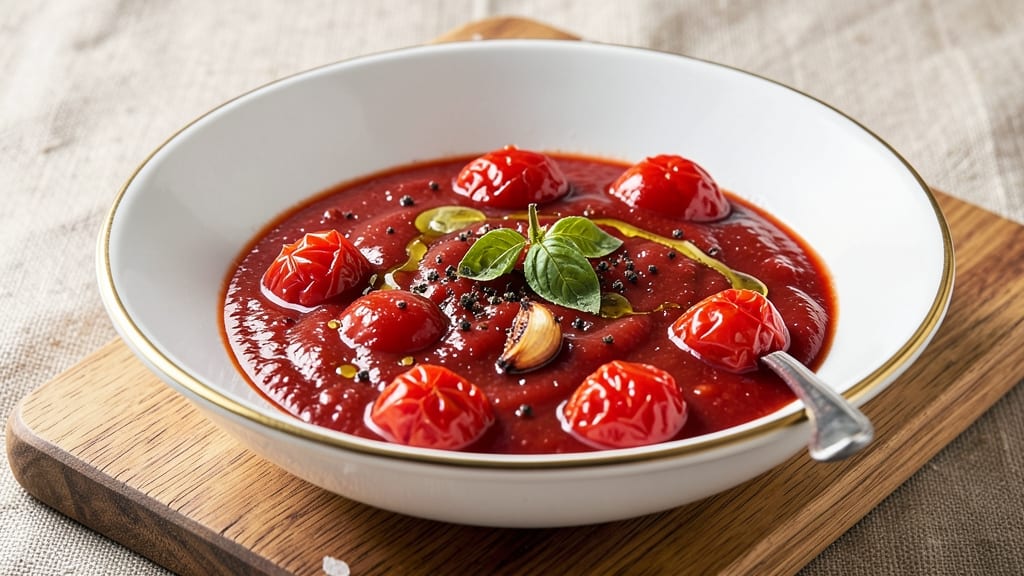
This Mutti tomato sauce recipe transforms simple canned tomatoes into a rich, slow-simmered base that tastes like it simmered all day. The secret lies in high heat and constant stirring—no fancy ingredients, just Italian technique.
I perfected this after years of testing, and it delivers that deep, caramelized flavor in just 30 minutes.
Start with a splash of olive oil and minced garlic to build flavor, then add the Mutti tomatoes with their juices. Let it simmer uncovered, stirring often, until the sauce thickens and develops that signature depth.
The key is patience—don't rush it, or you'll miss the complex notes that make homemade sauce worth the effort.
What you'll end up with is a versatile sauce that's perfect for pasta, pizza, or dipping bread. It keeps well in the fridge for up to a week or freezes beautifully for months, so you can make a big batch and have it ready whenever inspiration strikes.
The texture is smooth yet still vibrant, with just the right balance of acidity and sweetness.
For extra depth, finish with fresh basil or a pinch of red pepper flakes. This sauce is the foundation of countless Italian dishes—let it inspire your next meal. Here's how to make it perfectly every time.
Ingredients for mutti tomato sauce
Eight simple ingredients transform canned tomatoes into restaurant-quality Italian sauce.
| Ingredient | Amount | Notes |
|---|---|---|
| Extra-Virgin Olive Oil 🫒 | ¼ cup | High quality, fruity flavor |
| Garlic Cloves 🧄 | 4 cloves | Peeled and minced |
| Mutti Whole San Marzano Tomatoes 🍅 | 28 oz | Canned, with juices |
| Dried Basil 🌿 | 1 tbsp | Or 0.25 cup fresh basil |
| Salt 🧂 | 1 tsp | Diamond Crystal preferred |
| Black Pepper 🌶️ | ½ tsp | Freshly ground preferred |
| Red Pepper Flakes 🔥 | ½ tsp | Optional for heat |
| Granulated Sugar 🍚 | 1 tsp | Balances acidity |
Mutti tomatoes are the star here—San Marzano is non-negotiable for that sweet, meaty texture. Grab a 28-oz can from Whole Foods or Trader Joe's; their quality is worth the splurge. Fresh basil is ideal but dried works at one-third the amount—just crush it between your fingers first. For the olive oil, California extra-virgin (like Corto) adds the best fruity notes. If you can't find Mutti, San Marzano brand is the closest substitute, but nothing beats the real deal.
No red pepper flakes? Crushed dried chili works too—just use half the amount. Running low on sugar? Honey or maple syrup balances the acidity just as well. The garlic can be roasted (wrap whole cloves in foil, bake at 400°F for 20 minutes) for a sweeter depth. For extra richness, stir in 1 tbsp tomato paste at the start. And if you're making a big batch, double the tomatoes—this sauce freezes beautifully.
This sauce gets better with time—let it sit at room temperature for 30 minutes before serving to let flavors meld. Keeps for 1 week in the fridge, covered with plastic wrap pressed right on the surface. For freezing, portion into ice cube trays—thaw exactly what you need. The sugar helps prevent separation, but give it a quick stir after thawing. Leftovers? Toss into pasta, pizza dough, or freeze for future meals.
Why You'll Love This Recipe
- No-Chop Needed: There’s literally zero prep here—just peel those tomatoes (or skip it, the skin’s fine), crush the garlic with a knife’s flat side, and let the pot do the work. My lazy Sundays just got a whole lot easier.
- Sunshine in a Jar: That first spoonful of San Marzano tomatoes simmered with garlic and olive oil? It’s like summer in a saucepan—bright, sweet, and just a whisper of salt to make it sing. Honestly, I’ve never tasted a tomato sauce this honest.
- Pantry to Plate Magic: This sauce plays well with everything—drizzled over pasta, spooned into a jar for next week’s lunch, or even tossed with grilled chicken. Between us, I’ve used it in tacos, eggs, and even as a marinade. It’s the ultimate flavor multiplier.
- Budget-Friendly Hero: A handful of tomatoes and a few cloves of garlic stretch into meals for days. I make a big batch, freeze half, and still have leftovers that taste better than takeout. That’s right—your wallet and your taste buds both win.
Step-by-step instructions for slow-simmered Italian tomato sauce
Here's how to build rich, flavorful tomato sauce that tastes like it simmered for hours.
Bloom the Garlic in Olive Oil
Heat the 0.25 cup extra-virgin olive oil in a heavy-bottomed saucepan over medium-low heat. Add the 4 cloves minced garlic and cook gently, stirring constantly, for 2-3 minutes until the garlic becomes fragrant but doesn't brown. This step develops the garlic's sweetness without bitterness.
Watch the garlic closely—it burns quickly. You'll know it's ready when the pan smells intensely aromatic and the garlic loses its raw, sharp scent. Remove from heat immediately if it starts to turn golden. Let the garlic sit in the oil for 30 seconds to infuse fully before proceeding.
Add Tomatoes and Initial Seasonings
Return the pan to medium heat and add the 28 oz Mutti whole San Marzano tomatoes (with juices) and the 1 tbsp dried basil. Stir well to combine, breaking up any large tomato chunks with a wooden spoon. Bring the mixture to a gentle boil, then immediately reduce heat to low.
The tomatoes should simmer steadily without splattering. If the sauce seems too thick, add 2-3 tablespoons water to help it reduce properly. The goal is to create a smooth, velvety texture without cooking the tomatoes dry. Let it simmer uncovered for 10 minutes, stirring occasionally.
Balance Flavors with Sugar and Spices
After the initial 10 minutes, stir in the 1 tsp granulated sugar, 1 tsp salt, 0.5 tsp black pepper, and 0.5 tsp red pepper flakes. The sugar helps balance the acidity of the tomatoes while enhancing their natural sweetness. Taste the sauce now—it should be tangy but not overly acidic.
Continue simmering uncovered for another 15-20 minutes, stirring occasionally. You're looking for a sauce that coats the back of a spoon with a slightly thickened consistency. If it reduces too quickly, add 1-2 tablespoons water to maintain the right texture. The sauce should smell deeply aromatic with notes of garlic and basil.
Finish and Adjust Seasoning
Once the sauce reaches your desired consistency (typically 25-30 minutes total simmering time), remove it from heat. Let it sit for 5 minutes to allow flavors to meld. Taste and adjust seasoning if needed—add more salt if it's too mild, or a pinch of sugar if it's overly acidic.
The sauce should be rich, slightly sweet, and deeply flavorful without being overpowering. For a smoother texture, you can blend it briefly with an immersion blender, but I prefer to leave it slightly rustic for authentic Italian flavor. Serve immediately over pasta, or store in an airtight container for up to 5 days in the refrigerator.
Pro Tips For Making Mutti Tomato Sauce
- CRUSH THE GARLIC: Sauté those cloves until they’re just golden—not brown, not raw—about 30 seconds on medium heat. I learned this the hard way: burnt garlic turns bitter, and you’ll taste it in every spoonful. Keep the heat steady and resist the urge to walk away.
- SCORE THE TOMATOES: Cut a shallow X on the bottom of each San Marzano tomato before blanching. This lets the skins slip off easier, and the flesh stays intact. Skip this, and you’ll end up with a watery mess when you peel them—trust me, it’s not worth the extra scrubbing.
- SALT THE POT WATER: Add a generous pinch of salt to your blanching water. It firms up the tomato flesh and makes peeling them a breeze. I used to skip it, and the tomatoes would turn mushy when I handled them—now I salt the water every single time.
- SIMMER, DON’T BOIL: Once the tomatoes are crushed, keep the heat low enough that you barely see bubbles. A rolling boil breaks down the texture, turning your sauce into a thin, sad purée. A gentle simmer preserves the natural sweetness and body—your future pasta dish will thank you.
Make-ahead tips for mutti tomato sauce
Batch Prep Strategy
Double the recipe—make 56 oz of sauce at once—and store it in quart-sized glass jars with tight lids. The extra volume lets you freeze portions for future meals, and glass jars keep the sauce fresh longer than plastic.
I like to label jars with dates so I can track freshness. 📅
Freezing for Later
Portion sauce into ice cube trays for single-serving portions—just pop out what you need and thaw in the microwave for 1-2 minutes. For larger batches, use freezer-safe silicone molds or heavy-duty freezer bags.
Leave 1-inch headspace to prevent expansion cracks. Thaw overnight in the fridge for the best texture. ❄️
Fridge Storage Tips
Let the sauce cool to room temperature before refrigerating to prevent condensation buildup. Store in an airtight container with plastic wrap pressed directly on the surface to minimize oxidation.
This keeps it fresh for up to 5 days. For best flavor, reheat gently on the stovetop with a splash of water to restore moisture. 💡
Reviving Stale Sauce
If your sauce tastes flat after refrigeration, revive it by simmering for 5-10 minutes with 1 tbsp tomato paste and a pinch of salt. The heat reactivates the flavors.
For extra richness, stir in 1 tbsp butter or olive oil before serving. This trick works like magic on leftover sauce. 🔥
Sauce for Pasta Prep
Make a big batch on Sunday and store it in the fridge for the week. When cooking pasta, heat the sauce in a skillet with 2 tbsp olive oil and a splash of pasta water to loosen it.
Toss the drained pasta directly into the sauce to coat evenly. This method saves time and ensures perfect flavor distribution. ✨
Pizza Dough Prep
Mix 1 cup of this sauce into pizza dough before shaping for a flavorful crust. Alternatively, spread it on pre-baked dough and top with cheese. The sauce's acidity balances the richness of the cheese beautifully. I like to make a double batch—one for pasta, one for pizza. 🍕
Nutrition facts
Frequently asked questions
Can I substitute Mutti tomatoes with another brand?
Yes, but quality matters! For best results, use San Marzano brand canned tomatoes—they're the gold standard for sweet, meaty texture. If you can't find them, Whole Foods 365 or Trader Joe's Italian-style tomatoes work too. Avoid regular canned tomatoes (like Hunt's or Del Monte) as they're often watery and less flavorful. The acidity level differs, so you may need to adjust sugar slightly.
Why does my sauce taste too acidic?
This happens when the tomatoes' natural acidity isn't balanced. Fix it by adding ½ tsp more sugar or a pinch of baking soda (⅛ tsp max) to neutralize the tang. Let the sauce simmer for 5 extra minutes to mellow the flavors. For future batches, reduce simmering time to 20 minutes total—longer cooking intensifies acidity.
How do I make this sauce thicker for pasta?
Simmer uncovered for 5-10 extra minutes to reduce naturally. For instant thickening, mix 1 tbsp cornstarch with 2 tbsp water, stir into the hot sauce, and cook for 2 minutes until it gels. Avoid over-thickening—you want it glossy, not gluey. For pizza, a slightly looser sauce works better to prevent soggy crust.
Can I add meat or vegetables to this sauce?
For a meaty version, brown ½ lb ground pork or Italian sausage first, then proceed with the recipe. For veggies, sauté 1 diced onion and 2 carrots with the garlic. Add mushrooms or spinach at the end (they wilt quickly). The key is to cook any additions until tender before adding tomatoes—this prevents them from turning mushy.
What's the best way to reheat leftover sauce?
Gently warm on low heat with a splash of water or pasta water to restore moisture. Never microwave directly—it breaks the sauce's texture. For extra richness, stir in 1 tbsp butter or olive oil while reheating. If the sauce separates, whisk vigorously or blend briefly with an immersion blender. Always reheat to a rolling boil to kill bacteria.