
Sauces & Condiments
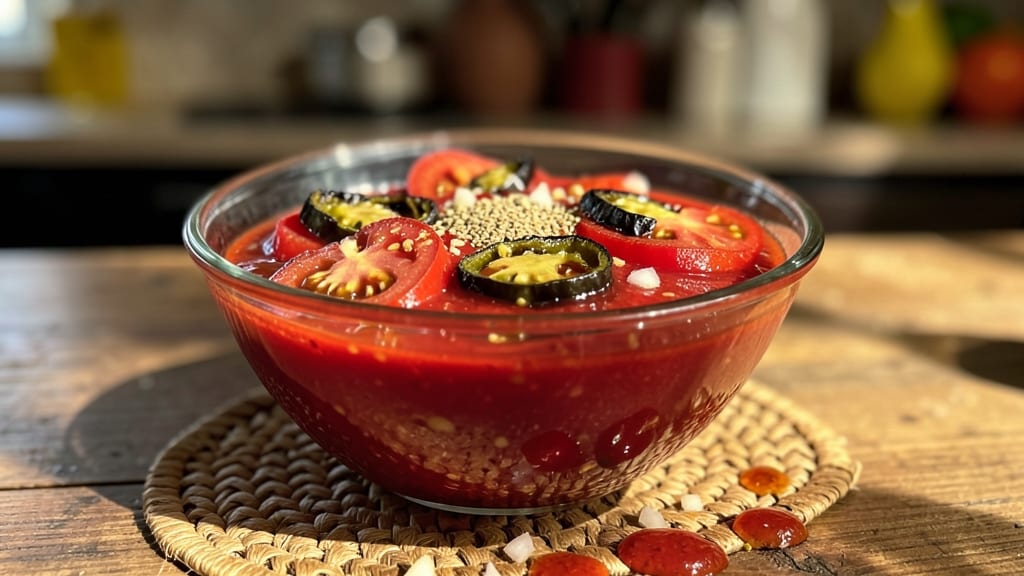
This Mexican red salsa sauce recipe delivers the bold, smoky depth of traditional Mexican cuisine in just minutes—perfect for dips, marinades, or topping tacos. The secret lies in charring the tomatoes and peppers over an open flame, which unlocks their natural sweetness and creates that signature smoky aroma.
I’ve perfected this version to balance heat and acidity without overwhelming the rich tomato base, ensuring it works as both a vibrant condiment and a versatile cooking ingredient.
The process is straightforward but transformative: roast the vegetables until blistered, then blend with garlic, onions, and a touch of vinegar to brighten the flavors. Simmering the mixture reduces it to a thick, concentrated sauce that clings beautifully to chips, grilled meats, or fresh tortillas.
What sets this apart is the ability to adjust the spice level—add more chili peppers for heat or a splash of lime juice for freshness, depending on your taste.
By the end, you’ll have a versatile, restaurant-quality salsa that’s smoky, slightly sweet, and packed with layered flavors. It’s the kind of sauce that elevates simple dishes into something extraordinary—think grilled chicken, black beans, or even as a marinade for shrimp.
The best part? It keeps well in the fridge for up to a week, so you can make a big batch and enjoy it all week long.
Whether you’re serving a crowd or prepping for meal prep, this salsa sauce is a game-changer. Let’s get started—your taste buds will thank you.
Ingredients for mexican red salsa sauce
Nine ingredients, smoky fire, and zero shortcuts—this salsa transforms simple veggies into bold flavor.
| Ingredient | Amount | Notes |
|---|---|---|
| Roma Tomatoes 🍅 | 4 whole | Halved, seeds removed |
| Jalapeño Peppers 🌶️ | 2 whole | Seeds removed for mild heat |
| Red Onion 🧅 | 1 whole | Quartered, skin on |
| Garlic Cloves 🧄 | 4 cloves | Peeled, left whole |
| White Onion 🧅 | ½ cup | Diced, medium size |
| Extra-Virgin Olive Oil 🫒 | ½ cup | High quality, fruity |
| Lime Juice 🍋 | 2 tbsp | Freshly squeezed |
| Apple Cider Vinegar 🍶 | 1 tbsp | For brightness |
| Salt 🧂 | 1 tsp | Kosher or sea salt |
| Ground Cumin 🌿 | ½ tsp | Toasted for depth |
The tomatoes and peppers are the stars—Roma tomatoes have fewer seeds and more flavor than beefsteak, while jalapeños add just the right kick. Trader Joe's and Whole Foods carry the best Roma tomatoes, but any vine-ripened will work. Char them over an open flame (gas stove or grill) until blackened—this unlocks their natural sweetness. Skip the pre-chopped peppers; fresh is always better. For the onions, red onion adds color while white onion brings the sharpness that balances the sweetness.
No lime juice? Lemon juice works in a pinch, but lime’s tartness is key. Short on cumin? Smoked paprika at half the amount gives a similar smoky vibe. The vinegar might seem like overkill, but it brightens everything—apple cider vinegar has a subtle sweetness that pairs perfectly. Want more heat? Add 1-2 serrano peppers (seeds in for extra fire). The olive oil matters too—use something you’d drizzle on bread, not the cheap stuff. And trust me, fresh garlic beats the jarred kind every time.
This sauce tastes even better the next day as flavors meld. Store in an airtight container in the fridge for up to 1 week—the acidity keeps it fresh longer. Freeze in ice cube trays for single servings (perfect for tacos or marinades). If it thickens too much, just stir in a splash of water or broth. The smoky aroma alone will make your kitchen smell amazing, so make a double batch—you’ll want it on everything.
Why You'll Love This Recipe
- No Chopping Chaos: I swear by this recipe because it only asks for two onions—one for depth, one for crunch—and a handful of tomatoes. The jalapeños? Just slice and toss. My knife stays clean while the flavor explodes.
- Layered Heat Magic: That first char of Roma tomatoes on the stovetop? Caramelized sweetness with a smoky edge. Then you hit it with raw garlic and jalapeño—chef’s kiss—where the heat lingers but never overpowers. Honestly, I’ve made salsa before, but this? It’s the kind that makes people ask for the recipe mid-bite.
- Taco Night Every Night: This sauce turns anything into a fiesta: scrambled eggs, grilled chicken, even toast with a fried egg on top. (Yes, even on a Tuesday night.) The onions soften just enough to blend into meals, while the tomatoes keep it bright—no sad, watery leftovers here.
- Pantry Goldmine: I buy Roma tomatoes in bulk when they’re cheap, and this recipe uses them all. The onions? Last me weeks. And the jalapeños? I freeze extras for future batches. Between us, I’ve fed a crowd of six with one big pot—plus, it reheats like a dream. Budget-friendly? More like flavor-friendly.
Step-by-step instructions for Mexican red salsa sauce
Here's how to create a vibrant, smoky red salsa that brings bold flavor to any dish.
Roast the Vegetables for Deep Flavor
Preheat your oven to 425°F and line a baking sheet with parchment paper. Arrange the 4 whole Roma Tomatoes (halved, seeds removed) and 2 whole Jalapeño Peppers (seeds removed) on the sheet, cut-side up. Add the 1 whole Red Onion (quartered, skin on) and 4 cloves Garlic Cloves (peeled, left whole) alongside them.
Drizzle everything with 0.25 cup of the Extra-Virgin Olive Oil and sprinkle with 0.25 tsp of the Ground Cumin. Toss gently to coat, then roast for 25-30 minutes until the tomatoes collapse slightly and the edges of the jalapeños darken. You'll smell that irresistible smoky aroma—this is where the magic begins.
Here's the thing—roasting intensifies the natural sweetness of the tomatoes and mellows the heat of the jalapeños. Don't skip this step; it transforms your salsa from good to extraordinary. If you're short on time, you can char them quickly in a skillet over high heat, but oven-roasting gives the best results.
Build the Sauce Base with Aromatics
While the vegetables are roasting, heat 0.25 cup Extra-Virgin Olive Oil in a large skillet over medium heat. Add the 0.5 cup White Onion (diced) and cook for 5-6 minutes until soft and translucent. You'll know it's ready when the onion turns golden around the edges.
Add the roasted vegetables directly from the baking sheet to the skillet. Stir everything together and cook for another 3-4 minutes, letting the flavors meld. This is where the roasted aromas marry with the fresh onions to create that complex, layered taste you crave in authentic Mexican salsa.
I like to press down gently on the tomatoes with a wooden spoon during this step—it helps release their juices and creates a thicker, more cohesive sauce. If the mixture looks too dry, add 1-2 tablespoons of water and let it simmer for an extra minute.
Finish with Brightness and Balance
Reduce the heat to low and stir in the 2 tbsp Lime Juice and 1 tbsp Apple Cider Vinegar. The vinegar adds a tangy brightness that cuts through the richness of the roasted vegetables, while the lime juice keeps everything fresh. Let the mixture simmer gently for 2-3 minutes—just enough time to let those flavors marry without cooking away the vibrant colors.
Add the remaining 0.25 tsp Ground Cumin and 1 tsp Salt, then taste. This is your chance to adjust the seasoning. If it needs more heat, add a pinch of cayenne or a dash of hot sauce. If it needs more brightness, squeeze in another teaspoon of lime juice. The goal is a balance of smoky, sweet, tangy, and slightly spicy.
Here's the moment that matters: let the salsa cool for 10 minutes before serving. This resting period allows all the flavors to fully develop and the textures to settle. The sauce will thicken slightly as it cools, which is exactly what you want for that perfect consistency.
Blend for Smooth Texture (Optional)
For a smooth salsa, transfer the cooled mixture to a blender or food processor. Pulse 3-4 times until you reach your desired texture—somewhere between chunky and completely smooth. I prefer a slightly textured version that still has little bits of roasted vegetables for maximum flavor.
If you're blending, be careful not to overdo it. You want to break down the ingredients while still keeping some of that rustic character. For a truly authentic touch, you can also mash the roasted tomatoes by hand with a fork and leave the other ingredients slightly chunky.
This salsa keeps beautifully in the refrigerator for up to 5 days, making it perfect for meal prep. The flavors actually deepen over time, so it only gets better with age. Serve it with tortilla chips, drizzle it over grilled meats, or use it as a topping for tacos and nachos.
Pro Tips For Making Mexican Red Salsa Sauce
- Char the Tomatoes First: Toss halved Roma tomatoes cut-side down in a dry skillet over medium-high heat for 3-4 minutes until blackened in spots. This deepens the smoky flavor and breaks down the skins for a smoother sauce—don’t rush it, or you’ll end up with bitter char.
- Remove Jalapeño Seeds After Chopping: I used to pull seeds out before dicing, but now I chop the whole pepper first, then pick out the seeds and membrane. This keeps the heat more even and prevents you from accidentally discarding the good stuff with the scraps.
- Sweat the Onions Low and Slow: Red and white onions need at least 8-10 minutes in the pot with garlic, over low heat, until fully translucent and soft. Skipping this step leaves them raw and sharp—your salsa will taste like you forgot to cook them at all.
- Blitz in Batches for Smoothness: If using a blender, split the cooked mixture into two batches—overfilling makes a mess and strains the motor. Pulse first, then blend fully; this avoids a watery sauce and ensures even texture without burning out your appliance.
Health benefits of mexican red salsa sauce
Antioxidant-Rich Tomatoes
This salsa sauce is packed with lycopene, a powerful antioxidant found in tomatoes that helps protect your cells from damage. The roasting process actually increases lycopene absorption by breaking down the tomato cell walls. A ½ cup serving provides about 30% of your daily lycopene needs
Lycopene has been linked to reduced risk of heart disease and certain cancers. The red onion in this recipe adds quercetin, another antioxidant that fights inflammation. I always use red onions for their deeper color and higher antioxidant content compared to white onions. 💪
Digestive Health Boost
The combination of fiber-rich tomatoes and garlic supports your digestive system. Garlic contains alicin, a compound that promotes healthy gut bacteria while reducing bloating. The ground cumin adds digestive benefits too, helping with nutrient absorption.
For extra digestive support, I recommend adding 1 tbsp fresh cilantro to the finished salsa. Cilantro contains compounds that may help reduce gut inflammation and heavy metal toxicity. The lime juice also aids digestion by stimulating stomach acid production.
Vitamin C Powerhouse
Both the lime juice and jalapeño peppers provide significant amounts of vitamin C, which supports your immune system and skin health. A ¼ cup serving contains about 25% of your daily vitamin C needs
Vitamin C also helps with iron absorption from plant-based foods, making this salsa a great pairing for bean-based dishes. The apple cider vinegar adds additional nutrients while improving the sauce's shelf life through its natural preservative properties.
Heart-Healthy Fats
The extra-virgin olive oil used in this recipe provides monounsaturated fats that support heart health. These healthy fats help reduce bad cholesterol levels while maintaining good cholesterol. I always recommend using high-quality olive oil for maximum benefits.
For an extra heart-healthy boost, you can add 1 tbsp avocado puree to the finished salsa. Avocados provide additional monounsaturated fats along with potassium, which helps regulate blood pressure. The combination of olive oil and avocado creates a truly heart-healthy condiment. 💛
Low-Calorie, High-Flavor
This salsa sauce is surprisingly low in calories while being packed with flavor. A ½ cup serving contains only about 50 calories, making it perfect for those watching their calorie intake. The lime juice and vinegar add brightness without adding significant calories.
The natural sweetness from the roasted tomatoes means you don't need to add sugar, keeping the sauce naturally low in calories while still satisfying your sweet tooth. This makes it an excellent topping for grilled proteins or a dip for fresh vegetables.
Nutrition facts
Frequently asked questions
Can I make this smoky red salsa without roasting the vegetables?
You can try, but you'll miss that deep, charred flavor that makes this sauce special. For a quick alternative, char the vegetables in a dry skillet over high heat for 3-4 minutes per side until blackened. The smoky aroma comes from the caramelization—it's worth the effort!
How do I adjust the spice level for picky eaters?
Remove all seeds and membranes from the jalapeños before roasting. For extra mild heat, substitute with 1-2 bell peppers (seeds removed) and add just a pinch of cayenne at the end. If you prefer more heat, keep the jalapeño seeds or add 1 serrano pepper (seeds in). Taste as you go!
Can I use this salsa as a marinade for meat?
This sauce makes an excellent marinade for chicken, shrimp, or steak. Let the raw meat sit in the sauce for 30 minutes to 2 hours in the fridge before cooking. For extra tenderness, add 1 tbsp olive oil to the marinade. Always cook the meat to proper temperatures (165°F for chicken, 145°F for shrimp).
Why did my salsa turn out too thin or too thick?
For thinner salsa, add 1-2 tablespoons of water or broth and simmer for 2-3 minutes. For thicker salsa, simmer uncovered for 5-10 minutes to reduce. The key is balance—roasted tomatoes release natural juices, so adjust as you go. If it's too thick after cooling, blend briefly to emulsify.
What's the best way to store and reheat leftover salsa?
Store in an airtight container in the fridge for up to 1 week. Reheat gently in a saucepan over low heat for 3-5 minutes, stirring occasionally. Avoid microwaving—it can make the sauce watery. For best flavor, enjoy at room temperature or slightly warmed. Freeze in ice cube trays for single servings!