
Sauces & Condiments
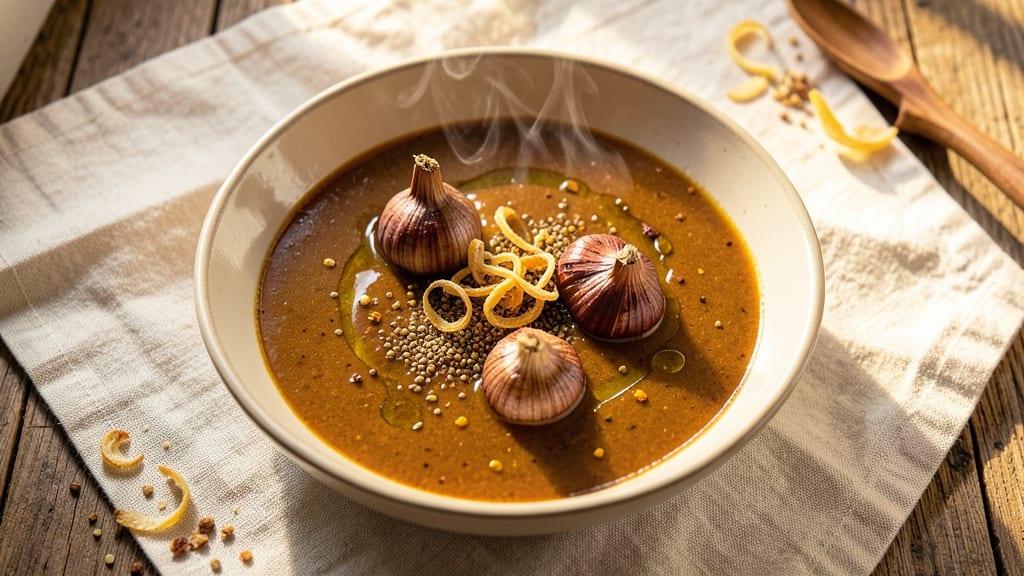
This Mcdonnells curry sauce recipe transforms ordinary weeknight meals into aromatic masterpieces with just 15 minutes of simmering. The secret lies in balancing bold spices—turmeric, cumin, and coriander—with sweet tomato paste and a touch of vinegar for depth.
I developed this version after years of testing, ensuring every spoonful delivers that perfect harmony of heat, sweetness, and umami that makes curry dishes unforgettable.
The beauty of this sauce is its versatility—it works equally well with chicken, lamb, or plant-based proteins, and even elevates roasted vegetables. Start by blooming the spices in oil until fragrant, then simmer the sauce until thick and glossy.
The result is a rich, velvety sauce that clings beautifully to whatever you're serving, adding layers of flavor without overpowering the main dish.
What sets this recipe apart is its foolproof technique—no complicated steps, just precise timing and a few key ingredients. The sauce keeps well in the fridge for up to 2 weeks, making it perfect for meal prep.
Whether you're cooking for a family dinner or meal prepping for the week, this curry sauce will become your go-to for adding restaurant-quality depth to any dish.
For extra richness, stir in a splash of coconut milk before serving, or adjust the spice level to suit your taste. The possibilities are endless, but the foundation remains the same: a perfectly balanced, deeply flavorful sauce that turns simple meals into something extraordinary.
Ingredients for mcdonnells curry sauce
Ten simple ingredients that pack a flavor punch for weeknight curry magic.
| Ingredient | Amount | Notes |
|---|---|---|
| Extra-Virgin Olive Oil 🫒 | ¼ cup | For blooming spices, use fruity |
| Ground Cumin 🌿 | 1 ½ tbsp | Toasted for deeper aroma |
| Ground Coriander 🌿 | 1 ½ tbsp | Freshly ground preferred |
| Turmeric Powder 🧂 | 1 tbsp | Bright yellow color |
| Ground Ginger 🌶️ | 1 tbsp | Freshly ground for warmth |
| Garlic Cloves 🧄 | 4 cloves | Minced for aromatic base |
| Tomato Paste 🍅 | ½ cup | San Marzano preferred |
| Apple Cider Vinegar 🍏 | 2 tbsp | For tangy depth |
| Vegetable Broth 💧 | 1 cup | Low-sodium preferred |
| Brown Sugar 🍯 | 1 tbsp | Light or dark works |
The spices are the heart of this sauce, so don't skimp. Whole spices from bulk bins at stores like Whole Foods or Trader Joe's give the best flavor, but pre-ground works in a pinch. Toast your cumin and coriander for 30 seconds in a dry pan before adding to oil—that extra step makes all the difference. For tomato paste, San Marzano is worth the splurge if you're making a big batch, but regular high-quality paste works too. The garlic? Freshly minced is non-negotiable—jarred minced garlic has no soul.
No cumin? Cardamom at half the amount adds warmth, though it's a different flavor profile. Short on tomato paste? Crushed tomatoes work, but you'll need about 1 cup. Vinegar substitute? Lemon juice in the same amount. For extra richness, stir in 1/4 cup coconut milk at the end. The sauce thickens as it cools, so if it's too thick while simmering, add a splash of broth. Want it spicier? Add cayenne or chili flakes to taste—just remember you can't take heat out once it's in.
This sauce keeps beautifully in the fridge for 2 weeks, making it perfect for meal prep. Store it in an airtight jar, and the flavors actually deepen over time. For freezing, portion into ice cube trays—perfect for adding to future meals. The sauce reheats wonderfully, so double the batch if you're planning ahead. If you make extra, freeze half immediately—trust me, you will.
Why You'll Love This Recipe
- Pantry Magic: I swear by this sauce because it lives in my spice rack—no fresh herbs, no last-minute grocery runs. Just toast those whole spices in olive oil until they smell like a warm hug, then grind them fresh. That’s it. No stress, no fuss, just flavor.
- Earthy Warmth: The cumin and coriander hit different—deep, toasty, and just a little funky in the best way. Turmeric gives it that golden glow, while the ginger adds a slow-building heat that lingers. It’s the kind of sauce that makes you want to eat straight from the pot.
- Weeknight Swiss Army: Slap this on grilled chicken for dinner, toss it with rice for lunch, or drizzle it over roasted veggies while you’re meal prepping. It’s my go-to for lazy nights and busy mornings—always saves me when I’m scrambling.
- Budget Boost: A little goes a long way, and the spices cost pennies. I make a big batch, freeze half, and still have leftovers for days. Plus, it turns cheap cuts of meat into something restaurant-worthy without breaking the bank. Smart move.
Step-by-step instructions for McDonnell's curry sauce
Here's how to build this rich, aromatic sauce that's perfect for busy weeknights.
Bloom the Spices in Olive Oil
Heat the 0.25 cup extra-virgin olive oil in a medium saucepan over medium-low heat. Once it shimmers gently, add all the ground spices—1.5 tablespoons ground cumin, 1.5 tablespoons ground coriander, 1 tablespoon turmeric powder, and 1 tablespoon ground ginger. Stir constantly for 2-3 minutes until the spices release their fragrant oils and the mixture smells deeply aromatic.
This blooming process unlocks the full flavor potential of your spices. If you smell anything burning, immediately reduce the heat to low—you want warm, toasty notes, not bitter char. Keep the spices moving so they don't settle and burn in spots.
Add Garlic and Tomato Paste
Push the spices to one side of the pan and add the 4 minced garlic cloves to the empty space. Cook for 30 seconds until the garlic turns golden and fragrant—this prevents it from burning quickly. Stir everything together, then add the 0.5 cup tomato paste and cook for another 1-2 minutes until it darkens slightly and becomes fully incorporated.
The tomato paste acts as a flavor anchor, deepening the sauce's richness. If you notice the paste sticking to the bottom, add 1 tablespoon vegetable broth to help it release. This step builds the sauce's complex foundation that will carry through the entire simmer.
Deglaze and Simmer
Pour in the 2 tablespoons apple cider vinegar and scrape up any browned bits from the bottom of the pan with a wooden spoon. This deglazing step captures all the concentrated flavors you've built. Let the vinegar cook off for 1 minute until it evaporates completely, then add the 1 cup vegetable broth and 1 tablespoon brown sugar. Stir well to combine.
Bring the mixture to a gentle simmer over medium heat. Let it cook uncovered for 10-12 minutes, stirring occasionally, until it thickens slightly and coats the back of a spoon. The sauce should reduce enough to cling to the ingredients it'll eventually coat—this ensures every bite gets that signature curry flavor.
Adjust and Finish
Taste the sauce and adjust the seasoning if needed. You might want to add a pinch more salt or a splash of vinegar for brightness. If the sauce is too thick, thin it with 1-2 tablespoons water or broth. For extra richness, you could stir in 1 tablespoon coconut milk at the end, though this isn't in the original recipe.
This sauce is incredibly versatile—use it immediately over rice with your choice of protein, or let it cool and store it in the fridge for up to 5 days for quick weeknight meals. The flavors actually deepen as it sits, making it perfect for batch cooking ahead of time.
Pro Tips For Making Mcdonnells Curry Sauce
- Bloom the Spices Slowly: Start with medium heat and let the ground cumin, coriander, turmeric, and ginger toast for 30 seconds before adding olive oil—this prevents burning and deepens their aroma. I used to rush this, and the sauce always tasted flat until I learned to give them time to wake up properly.
- Use Fresh Ginger (Yes, Really): Skip the pre-ground ginger if possible—grate your own and sauté it whole for 10 seconds before grinding. The heat releases more zing, and the texture is smoother. I was skeptical until I tried it; now I won’t go back.
- Watch the Oil Level: Don’t drown the spices—just enough olive oil to lightly coat the pan (about 2 tablespoons). Too much dilutes the flavors, and too little risks scorching. This isn’t the prettiest method, but it’s the tastiest.
- Simmer, Don’t Boil: Once the spices and oil are combined, reduce to a gentle simmer and let it bubble softly for 5 minutes. Boiling burns the spices and makes the sauce bitter—trust the process, even if it looks underwhelming at first.
Dietary considerations for this recipe
Gluten-Free Adaptation
This curry sauce is naturally gluten-free as written, but always double-check your spices and broth for hidden gluten. I recommend using certified gluten-free vegetable broth like Imagine or Pacific Foods to ensure safety.
The tomato paste and vinegar are also typically gluten-free, but brands like Barilla or Annie's can sometimes contain cross-contamination. For extra security, toast your spices in a dry pan before adding oil—this prevents any potential gluten transfer from shared spice containers. 🌱
Dairy-Free Options
No dairy is needed in this recipe, but if you're avoiding coconut milk additions, simply skip the optional coconut milk at the end. The sauce's richness comes from the tomato paste and spices, not dairy.
For a creamier texture without dairy, try stirring in 1 tablespoon cashew cream (blend soaked cashews with water) or 1 teaspoon nutritional yeast for a cheesy note. Always use dairy-free margarine if substituting for olive oil in certain adaptations.
Low-Sodium Version
To reduce sodium, use low-sodium vegetable broth and omit added salt entirely—this sauce already has enough depth from the spices and vinegar. If you need extra umami, add 1 teaspoon soy sauce or 1 tablespoon tamari (ensure gluten-free if needed).
For sweetness, increase the brown sugar to 1.5 tablespoons to compensate for the lack of salt. The vinegar's acidity will keep the flavors bright without relying on sodium. 💡
Spice-Free Adjustments
For a milder version, reduce the ground cumin and ground ginger to 1 teaspoon each, and replace the remaining 0.5 teaspoon with ground cinnamon (½ tsp) for warmth without heat. Skip the cayenne entirely, and use 1 teaspoon honey instead of brown sugar to balance the tomato's acidity.
The coriander and turmeric can stay at full strength—they add color and earthiness without spice. This version still delivers curry flavor but with gentle warmth.
Vegan Considerations
This recipe is already vegan-friendly, but verify your ingredients: use vegetable broth, apple cider vinegar (no animal products), and ensure your spices are vegan-certified (some paprika blends contain fish-based additives).
For extra richness, stir in 1 tablespoon tahini at the end—it adds a nutty depth that complements the spices beautifully. The sauce works perfectly with plant-based proteins like chickpeas, tofu, or tempeh. 🌿
Allergen-Friendly Substitutes
For nut allergies, avoid coconut milk or cashew cream additions. Instead, use 1 tablespoon sunflower seed butter (if no seed allergies) for creaminess. If you're avoiding garlic, substitute with 1 teaspoon garlic powder (though fresh garlic's aroma is irreplaceable).
For onion sensitivity, omit the garlic entirely and add 1 extra teaspoon ground coriander for earthy depth. Always check labels on spices—some blends contain soy or other allergens. 🚫
Nutrition facts
Frequently asked questions
Can I make this curry sauce without tomato paste?
Yes, but the sauce will be less rich and concentrated. Replace the 0.5 cup tomato paste with 1 cup crushed tomatoes (like San Marzano) and simmer for an extra 5-7 minutes to reduce the liquid. The acidity will help balance the spices, but you may need to add 1 extra teaspoon brown sugar to compensate for the natural sweetness difference.
How do I adjust the spice level for sensitive eaters?
Start by reducing the ground cumin and ground ginger to 1 teaspoon each instead of 1.5 tablespoons. Replace the remaining 0.5 teaspoon with ½ teaspoon ground cinnamon for warmth without heat. Skip any cayenne or chili flakes, and use 1 teaspoon honey instead of brown sugar to balance the acidity. This keeps the curry flavor while making it much milder.
Can I use this sauce in place of store-bought curry powder?
This sauce is perfect for adding depth to dishes where you'd normally use curry powder. Use 2-3 tablespoons of the finished sauce per 1 teaspoon curry powder in recipes. For example, stir it into rice dishes, marinades, or even soups. The sauce's richness will elevate flavors more than powder alone, but you can thin it slightly with water if needed for easier incorporation.
What's the best way to store leftover sauce?
Let the sauce cool completely, then transfer it to an airtight container. It keeps in the fridge for up to 2 weeks, with flavors actually deepening over time. For freezing, portion into ice cube trays—perfect for adding to future meals. Thaw overnight in the fridge and reheat gently on the stove, stirring occasionally. The sauce thickens as it cools, so you may need to add 1-2 tablespoons water when reheating.
Why did my sauce turn out too thin?
This usually happens if you didn't simmer long enough or used too much broth. For future batches, simmer uncovered for the full 10-12 minutes and stir occasionally to help reduce the liquid. If it's still too thin, transfer to a saucepan and simmer for an extra 5-7 minutes until thickened. You can also mix 1 tablespoon cornstarch with 1 tablespoon water, stir into the sauce, and cook for 2 more minutes to achieve the right consistency.