
Main Courses
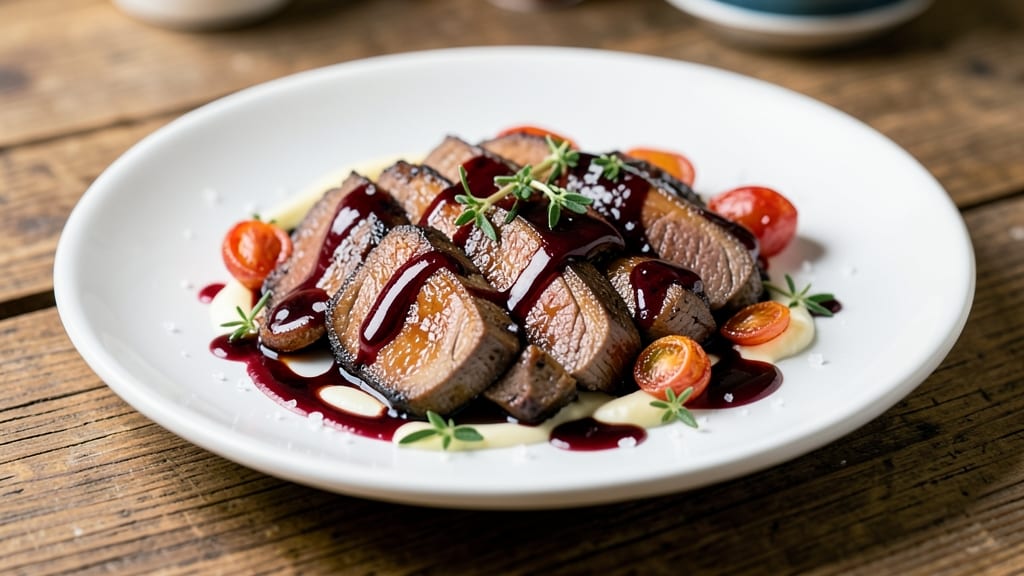
This liver with red wine sauce recipe transforms a traditionally polarizing protein into a luxurious centerpiece with deep umami richness and velvety sauce. The key lies in precise searing and slow reduction—techniques that elevate liver from simple ingredient to restaurant-worthy dish.
My approach balances traditional methods with modern efficiency, ensuring tender results every time.
What sets this recipe apart is the red wine sauce, where careful reduction unlocks layers of complexity—caramelized shallots, earthy thyme, and a touch of balsamic for brightness. The liver itself cooks just until tender, never dry, thanks to proper temperature control and a quick sear in cast iron.
For those seeking extra precision, a sous vide finish guarantees perfect doneness before the sauce ties it all together.
By the final plate, you’ll have perfectly cooked liver with a glossy, wine-infused sauce that clings to each bite—rich yet balanced, with just enough acidity to cut through the richness. The technique is straightforward but demands attention to detail, particularly in the sauce reduction where patience pays off in flavor.
This is the kind of dish that turns skeptics into converts.
Serve alongside roasted root vegetables or buttery mashed potatoes to complete the meal. The sauce works equally well with beef liver or chicken liver, making this recipe versatile for any occasion where you want to impress. Let’s get cooking—your table is about to get an upgrade.
Ingredients for liver with red wine sauce
Precision-cut proteins paired with bold wine and aromatic herbs create restaurant-quality liver with velvety sauce.
| Ingredient | Amount | Notes |
|---|---|---|
| Beef Liver 🥩 | 1 ½ lb | Fresh, trimmed of connective tissue |
| Dry Red Wine 🍷 | 1 cup | Bold Cabernet Sauvignon preferred |
| Shallots 🧅 | 6 whole | Thinly sliced, caramelized |
| Fresh Thyme 🌿 | ½ oz | Leaves only, stems removed |
| Balsamic Vinegar 🍯 | 1 tbsp | Aged, for depth of flavor |
| Unsalted Butter 🧈 | 4 tbsp | Cold, cubed for sauce |
| Garlic Cloves 🧄 | 4 cloves | Minced, for sauce base |
| Diamond Crystal Kosher Salt 🧂 | 1 tsp | For seasoning liver |
| Freshly Ground Black Pepper 🌶️ | ½ tsp | Cracked, not powdered |
| Heavy Cream 🥛 | ½ cup | Full-fat for richness |
| Extra-Virgin Olive Oil 🫒 | 2 tbsp | For searing liver |
| Fresh Lemon Juice 🍋 | 1 tbsp | Brightens the sauce |
| Beef Stock 💧 | ½ cup | Homemade preferred |
The quality of beef liver makes all the difference—look for bright red, marbled cuts from a trusted butcher. Costco or Whole Foods often carry premium selections, but your local butcher will have the freshest options. Trim any connective tissue or silver skin before use, as these can make the liver tough. For optimal results, use liver within 24 hours of purchase—it loses tenderness quickly once cut. Chicken liver works equally well, though it requires slightly less cooking time.
No bold red wine? Substitute with a robust dry sherry or port, though the flavor profile will differ slightly. Fresh thyme can be swapped for dried thyme at one-third the amount, but the aroma won't be as vibrant. Balsamic vinegar adds depth—aged varieties like Barolo elevate the sauce further. For a vegetarian twist, consider substituting with hearts of palm or finely chopped mushrooms, though the texture will vary. The butter in the sauce should be cold and cubed to create a proper emulsion—don’t melt it beforehand.
This dish reheats beautifully, though the sauce may thicken slightly—simply whisk in a splash of warm water or stock to restore its gloss. Store the liver and sauce separately in airtight containers for up to 3 days in the refrigerator. For longer storage, freeze the sauce alone for up to 3 months, as the liver’s texture degrades with freezing. The sauce can also be made ahead and reheated gently before serving, allowing the liver to be cooked fresh at the last moment for optimal tenderness.
Why You'll Love This Recipe
- One-Pan Magic: Honestly, I swear by this recipe because it’s that simple—just sear the liver, toss in chopped shallots and thyme, deglaze with red wine, and let the balsamic vinegar tie it all together. No chopping boards left in the sink, no fancy gadgets, just a single pan that does all the work.
- Rich, Winey Depth: That first sip of red wine sauce—savory, slightly tangy, with the earthy kick of thyme—makes this dish feel like a restaurant meal. The balsamic vinegar adds this just-right sharpness that cuts through the richness, and the liver? Perfectly tender with a crisp edge when done right.
- Weeknight to Dinner Party: Between us, this is my go-to when I need something impressive but still low-stress. Toss it over mashed potatoes for a cozy Tuesday night, or serve it with crusty bread and a side salad for when friends drop by unexpectedly. (Yes, even on a Tuesday night.)
- Budget-Friendly Protein Power: I buy liver in bulk because it’s so much cheaper than steak, and this recipe stretches it further than you’d think. The leftovers? Even better reheated the next day—just a quick splash of water to loosen the sauce, and it’s like you’re eating fresh again. My wallet and my family thank me every time.
Step-by-step instructions for liver with red wine sauce
Mastering this technique delivers restaurant-quality results with tender liver and velvety sauce.
Prepare and Sear the Beef Liver
Pat the 1.5 lb beef liver completely dry with paper towels—this ensures maximum browning. Season both sides generously with 1 tsp diamond crystal kosher salt and 0.5 tsp freshly ground black pepper, pressing the seasoning into the surface for even distribution. Let it sit at room temperature for 10 minutes while you heat the pan.
Heat 2 tbsp extra-virgin olive oil in a large skillet over medium-high heat until shimmering. Add the liver and sear for exactly 2 minutes per side—it should develop a deep golden crust. The liver is ready when it releases easily from the pan and reaches an internal temperature of 125°F. Overcooking turns it tough, so resist the urge to check early. Transfer to a warm plate and tent loosely with foil to keep warm.
Caramelize Shallots and Build the Sauce Base
In the same skillet (no need to clean it—the fond is flavor gold), add 6 whole shallots that have been thinly sliced. Cook over medium-low heat for 12-15 minutes, stirring occasionally, until deep golden brown and sweetly caramelized. This slow process develops their natural sugars and forms the sauce's foundation.
Add 4 cloves minced garlic and cook for 30 seconds until fragrant. Immediately deglaze with 1 cup dry red wine, scraping up all browned bits from the bottom. Simmer for 5 minutes until reduced by half, then stir in 1 tbsp aged balsamic vinegar and 0.5 oz fresh thyme leaves. The sauce should coat the back of a spoon and develop a rich, concentrated flavor.
Finish with Cream and Stock
Reduce heat to medium-low and whisk in 4 tbsp cold unsalted butter, cubed, until fully melted and incorporated. Add 0.5 cup heavy cream and 0.5 cup beef stock, stirring constantly. Simmer gently for 3-4 minutes until the sauce thickens slightly and coats the shallots. Taste and adjust seasoning with additional salt or pepper if needed.
Remove from heat and stir in 1 tbsp fresh lemon juice. The acidity brightens the rich flavors and balances the sauce. Keep the liver and sauce warm together while you prepare to serve—this prevents the liver from drying out as it rests.
Plate and Serve Immediately
Slice the liver into ¼-inch thick medallions against the grain for maximum tenderness. Spoon the red wine sauce generously over each portion, ensuring each bite gets equal sauce coverage. The contrast between the silky sauce and tender liver creates an unforgettable dining experience.
Serve immediately with crusty bread or roasted potatoes to soak up every last drop of sauce. The liver should be warm but still slightly pink in the center, with a perfectly seared exterior. The sauce should coat the back of a spoon with a velvety texture and deep umami complexity from the slow reduction.
Pro Tips For Making Liver With Red Wine Sauce
- Sear Before Slicing: Cut the liver into ½-inch slices after searing—this keeps it from bleeding out into the pan. I learned this the hard way when my first batch turned into a soggy mess. A hot, dry skillet for 1-2 minutes per side builds that perfect crust before you even touch the wine.
- Deglaze with Wine: Let the seared shallots brown first, then pour in the red wine immediately—this pulls all the fond (those sticky bits) off the pan. Skip this, and you’re missing half the flavor. A splash of balsamic vinegar at the end ties it all together.
- Salt the Liver Last: Season the liver with salt right before cooking, not beforehand. It draws out moisture, and you’ll end up with a dry, tough slice instead of tender, juicy meat. Trust me, the extra 30 seconds saves your dish.
- Simmer the Sauce Low: Reduce the wine sauce on medium-low heat—high heat turns it bitter fast. Add a splash of water or stock if it gets too thick, but don’t rush it. A good sauce takes 8-10 minutes to develop depth, not 3.
Make-ahead tips for liver with red wine sauce
Sauce Prep Ahead
The red wine sauce is the star here, and you can make it up to 3 days in advance—this is where time saves you the most effort. After reducing the wine and adding balsamic vinegar, transfer the sauce to a glass container and refrigerate.
When ready to serve, simply reheat over low heat while stirring constantly to prevent scorching. The sauce will thicken slightly, so whisk in 1-2 tbsp warm water or stock to restore its velvety consistency. 💛
Liver Make-Ahead
Liver is best cooked fresh, but you can prep it ahead for a quicker finish. Trim and season the liver, then store it in an airtight container on the counter (not refrigerated) for up to 6 hours before cooking.
This allows the seasoning to penetrate deeper. For longer storage, wrap the trimmed liver in plastic wrap and freeze for up to 1 month, but thaw it in the fridge overnight before cooking. Never refreeze thawed liver.
Partial Prep Strategy
Save time on serving night by prepping components separately. Caramelize the shallots and build the sauce base up to the wine reduction step, then refrigerate in a covered container. When ready to finish, simply deglaze with wine, add cream and stock, and complete the sauce in 10 minutes.
Keep the liver uncooked until the last moment—it cooks in just 2 minutes per side—so you can serve it piping hot with the freshly finished sauce. ✨
Freezer-Friendly Sauce
If you’re planning a dinner party, make the entire sauce ahead and freeze it for up to 3 months. Use a freezer-safe silicone mold or ice cube tray for portion control—just thaw overnight in the fridge before reheating.
The sauce’s flavors actually deepen over time, making it perfect for special occasions. Label containers with the date to track freshness, and avoid using metal containers that can react with acidic ingredients.
Reheating Liver
If you must reheat cooked liver, do so gently to avoid drying it out. Place slices in a lightly oiled skillet over low heat for 30-60 seconds per side until warmed through. Alternatively, reheat in a 200°F oven for 5-7 minutes on a wire rack over a baking sheet.
The key is speed—liver reheats best when it’s not exposed to high heat for long periods. 🔥
Sauce Thickening Hack
If your reheated sauce seems too thin, use a cornstarch slurry (1 tsp cornstarch + 1 tbsp cold water) to thicken it back to perfection. Whisk in the slurry and simmer for 1-2 minutes until the sauce reaches your desired consistency.
For extra richness, stir in an additional 1 tbsp cold butter at the end. This trick works wonders for restoring the sauce’s velvety texture after storage. 💡
Nutrition facts
Frequently asked questions
Can I use chicken liver instead of beef liver in this recipe?
Chicken liver works beautifully and requires just 1 minute per side of searing instead of 2 minutes. The texture will be slightly more delicate, but the wine sauce pairs perfectly with either. Just reduce the cooking time by half to avoid overcooking the smaller pieces.
What's the best red wine to use for maximum flavor?
A bold, dry red like Cabernet Sauvignon or Merlot works best—avoid sweet or oaky varieties. The tannins in these wines help create depth in the sauce. If you're using a cheaper bottle, decant it for 30 minutes first to remove excess sediment and improve flavor.
Why does my liver sauce turn out thin or watery?
This usually happens from one of two issues: either the sauce wasn't reduced enough or the cream/butter wasn't incorporated properly. Always reduce the wine by at least half before adding cream, and whisk in cold butter gradually. For extra thickness, simmer the finished sauce for an additional 2-3 minutes until it coats the back of a spoon.
How do I prevent the liver from getting tough?
The key is timing and temperature. Never cook liver past 125°F internal temp—it should be warm but still slightly pink inside. Use a meat thermometer for accuracy, and resist the urge to overcook. Also, pat the liver completely dry before searing to ensure even browning.
Can I make this dish vegetarian?
Yes! Replace the liver with hearts of palm or finely chopped portobello mushrooms (about 1.5 lbs total). Sauté them with the same seasoning for 5-6 minutes until tender. The wine sauce will still cling beautifully to the alternative protein.