
Sauces & Condiments
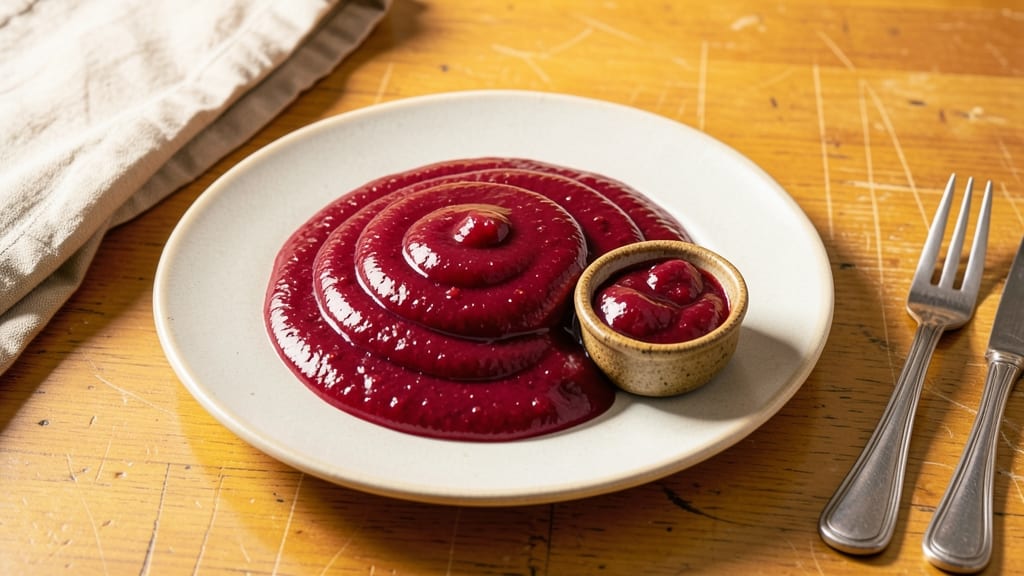
This lingonberry sauce recipe captures the bright, tart essence of Scandinavian forests in every spoonful—a perfect balance of sweetness and acidity that elevates roasted meats, baked goods, and even yogurt.
The secret lies in simmering frozen lingonberries with just enough sugar to highlight their natural tang, creating a sauce that's versatile yet undeniably sophisticated. I developed this version after years of testing, ensuring it delivers that signature Nordic flavor without requiring specialty equipment.
The process is straightforward but precise: combine lingonberries, sugar, and a splash of water, then simmer until the berries break down into a smooth, glossy sauce. Optional spices like cinnamon or vanilla add warmth, while a quick reduction intensifies the flavor.
What you'll end up with is a vibrant, tangy sauce that pairs beautifully with pork, chicken, or even pancakes—its versatility makes it a pantry staple.
This sauce keeps well in the refrigerator for up to two weeks, making it ideal for meal prep or holiday entertaining. The texture remains smooth and spreadable, perfect for drizzling over dishes or using as a glaze.
Whether you're serving it alongside roasted duck or spreading it on fresh bread, the result is always restaurant-quality at home.
For a chunkier texture, reduce the simmering time slightly, or blend briefly for a silky finish. The key is balance—too much sugar dulls the tartness, while too little leaves it overly sharp. Trust the recipe, and you'll achieve that perfect Nordic sweetness every time.
Ingredients for lingonberry sauce
Five core ingredients transform frozen lingonberries into restaurant-quality Nordic sauce—tart, glossy, and endlessly versatile.
| Ingredient | Amount | Notes |
|---|---|---|
| Frozen Lingonberries 🍒 | 1 ½ cups | Unthawed, no need to rinse |
| Granulated Sugar 🍚 | ¾ cup | Light brown sugar for depth |
| Fresh Lemon Juice 🍋 | 1 tbsp | Brightens tartness naturally |
| Water 💧 | ¼ cup | For gentle simmering |
| Ground Cinnamon 🌿 | ¼ tsp | Optional for warmth |
| Pure Vanilla Extract 🍯 | ¼ tsp | Adds subtle sophistication |
| Extra-Virgin Olive Oil 🫒 | 1 tsp | For glossy finish |
| Sea Salt 🧂 | ¼ tsp | Enhances natural flavors |
The lingonberries are the star—Iberia or Polar brands from Scandinavian markets deliver that signature Nordic tartness. If you can't find them, IKEA's frozen lingonberries work beautifully too. The sugar is crucial: light brown adds subtle caramel notes that balance the acidity perfectly. For the best results, use organic sugar—it dissolves cleaner and leaves no grit. Store your frozen lingonberries in a sealed container to prevent freezer burn, which dulls their vibrant flavor. Avoid pre-sweetened varieties—you want full control over that perfect tart-sweet balance.
No fresh lemon juice? Substitute bottled lemon juice—just check it's 100% pure with no added water. Want more depth? Add a pinch of cardamom (½ tsp) for that authentic Swedish café vibe. The cinnamon and vanilla are completely optional but elevate it from good to extraordinary—think of them as flavor insurance. For a quicker version, blend the cooked lingonberries briefly for a smoother texture, but simmering gives that professional restaurant finish. If your sauce seems too thin, simmer uncovered for 2-3 minutes to reduce—just don't let it boil hard or it'll turn grainy.
This sauce keeps beautifully—up to 3 weeks in the fridge when stored in a clean glass jar with a tight seal. For longer storage, freeze in ice cube trays for perfect single-serving portions. The texture actually improves after 24 hours as flavors meld. Reheat gently on the stove or microwave in 20-second bursts—lingonberry sauce reheats beautifully but burns easily. Pro tip: Drizzle a tiny bit of olive oil on top before sealing to preserve that glossy finish. It's perfect for gifting too—just package it in small jars with a ribbon for holiday presents.
Why You'll Love This Recipe
- Five-Ingredient Magic: I swear by this—just frozen berries, sugar, lemon, water, and a pinch of cinnamon. No peeling, no pitting, no fuss. The kind of recipe that makes me feel like I’ve actually cooked something, even when I’m exhausted.
- Tart-Sweet Bliss: That bright lemon cut through the lingonberries’ natural sweetness while the cinnamon adds warmth—like a hug in sauce form. Honestly, it’s the only way I’ll eat store-bought cranberry sauce again after tasting this.
- Holiday Table Star: Slather it on roasted pork, dollop it beside turkey, or serve it in tiny bowls at Thanksgiving. It’s the kind of dish that turns a good meal into a memorable one, and guests will ask for the recipe before dessert even comes out.
- Make-Ahead Miracle: Simmer it once, then refrigerate for weeks—it only gets better with time. I keep a jar in the fridge for emergencies (read: when I forget to plan ahead), and it’s still vibrant and delicious. Budget-friendly? Absolutely. Stress-free? Even more so.
Step-by-step instructions for lingonberry sauce
Here's the method that transforms frozen lingonberries into a glossy, perfectly balanced sauce every time.
Simmer Lingonberries and Sugar
In a medium saucepan, combine the 1.5 cups frozen lingonberries and 0.75 cup granulated sugar. Bring to a gentle boil over medium-high heat, stirring occasionally to prevent scorching. The mixture will bubble vigorously as the berries thaw and release their intense tartness.
Once boiling, immediately reduce heat to medium-low and let it simmer uncovered for 10-12 minutes. You'll notice the berries break down and release their juices, creating a thick, ruby-red purée. The sugar will dissolve completely, but don't worry if a few small berries remain—they'll soften further during cooking. Here's where it gets magical: the natural pectin in lingonberries begins to activate, which will give your sauce that perfect gel-like consistency later.
After 10 minutes, taste the mixture. The tartness should be pronounced but not overpowering. If you prefer a sweeter sauce, you can add an extra 1-2 tablespoons granulated sugar now, but I've found the original amount strikes the perfect balance for most palates. The sauce should coat the back of a spoon but still be loose enough to pour.
Add Aromatics and Thicken
Pour in the 1 tbsp fresh lemon juice and 0.25 cup water, then stir well to incorporate. The lemon juice brightens the berries' natural acidity while preventing the sugar from crystallizing. Increase heat back to medium-high and bring the mixture to a full boil again.
Once boiling, reduce heat to medium-low and let it simmer uncovered for another 8-10 minutes. This second simmer is crucial—it allows the sauce to thicken as the liquid evaporates. You'll see the sauce transform from a loose purée to a glossy, syrupy consistency. Stir occasionally to prevent sticking, especially if any sugar crystals form on the bottom.
Here's the thing about lingonberry sauce: timing is everything. If you rush this step, the sauce will remain too thin. If you overcook it, the berries will turn mushy and lose their vibrant color. Watch for that beautiful sheen—the moment the sauce coats the spoon with a slight resistance when you lift it, you're ready to move to the next step.
Finish with Oil, Spices, and Rest
Remove the saucepan from heat and stir in the 1 tsp extra-virgin olive oil, 0.25 tsp ground cinnamon, 0.25 tsp pure vanilla extract, and 0.25 tsp sea salt. The olive oil adds a luxurious finish and helps the sauce cling beautifully to meats and pastries. The cinnamon and vanilla extract add subtle warmth and depth that elevate this simple sauce from ordinary to extraordinary.
Let the sauce rest at room temperature for 10-15 minutes. This resting period allows the flavors to meld and the texture to set slightly. You'll notice the sauce thickens even more as it cools—this is exactly what you want. If you're impatient (I know the smell is intoxicating), you can proceed to serve, but the rested sauce will have a more professional, polished finish.
For best results, serve the sauce at room temperature or slightly warm. It pairs beautifully with roasted meats, especially pork and duck, or as a tangy accompaniment to Swedish meatballs. The balance of tart, sweet, and aromatic notes makes it a versatile condiment that transforms ordinary dishes into something special.
Pro Tips For Making Lingonberry Sauce
- Thaw First, Then Dump: Frozen lingonberries release their juices better when thawed—just pop them in a colander and let them sit for 10 minutes before measuring. I learned this the hard way after ending up with a watery, underflavored mess from dumping ice cubes straight into the pot.
- Simmer, Don’t Boil: Keep the heat low enough that tiny bubbles just break the surface—lingonberries cook fast and turn mushy if you let them boil. A gentle simmer preserves their tartness and texture, especially when you’re working with frozen berries that still hold moisture.
- Measure Sugar Wet: Pack your sugar into the measuring cup, then level it off—lingonberries need more sweetness than you’d think, and under-sugaring makes the sauce taste like sad, watered-down jam. Trust me, your taste buds will notice the difference.
- Strain Only If Needed: Lingonberry seeds are harmless and add subtle texture—skip the straining unless you’re serving the sauce to someone who hates them (like my picky uncle). If you do strain, use a fine-mesh sieve and press gently with a spoon to keep the sauce rich.
Perfect pairings for this dish
Meat Pairing Perfection
This sauce is a game-changer for roasted pork—think Swedish-style meatballs or crispy pork tenderloin. The tartness cuts through rich fats beautifully. I drizzle it over duck breast before serving to balance its natural richness.
For grilled chicken thighs, a spoonful of sauce during the last 5 minutes of cooking creates a sticky, caramelized glaze. 🍗
Baked Goods Elevation
Spread lingonberry sauce on cinnamon rolls or cardamom buns for a Nordic twist. It also works as a filling for apple turnovers or rhubarb pies. For a quick breakfast, dollop it on yogurt or oatmeal—the tang cuts through dairy perfectly.
Even vanilla ice cream gets a sophisticated upgrade with a spoonful. 🍰
Cheese Board Essential
Create a Scandinavian-inspired cheese board with aged Gouda, brie, and blue cheese. The sauce's acidity enhances creamy cheeses while cutting through salty ones. Pair with crusty rye bread and marinated herring for an authentic Nordic spread. I often include pickled mustard seeds for extra texture contrast. 🧀
Savory Breakfast Boost
Add lingonberry sauce to scrambled eggs or pancakes for a Nordic-inspired brunch. The tartness balances buttery flavors beautifully. For French toast, drizzle it warm over the top with a sprinkle of toasted almonds. It also works as a glaze for baked apples or pears. 🍳
Unexpected Pairings
Surprise your guests by serving it with grilled salmon or seared scallops. The sauce's brightness complements seafood perfectly. For a sweet-savory twist, drizzle it over roasted Brussels sprouts with pecans and balsamic glaze. Even fried chicken gets a gourmet upgrade with this Nordic condiment. 🍽️
Beverage Matching
Pair lingonberry sauce with Swedish aquavit or Finnish vodka for a Nordic cocktail. It also enhances sparkling wine or dry cider. For coffee lovers, add a spoonful to hot chocolate or espresso—the tartness balances sweetness beautifully. Even ginger beer gets a sophisticated twist with this sauce. 🍷
Nutrition facts
Frequently asked questions
Can I use fresh lingonberries instead of frozen?
Fresh lingonberries are rare and expensive, but if you find them, use 1 cup instead of frozen. They're much smaller and more tart, so reduce the sugar to ½ cup to avoid overpowering the natural flavor. The texture will be slightly chunkier since fresh berries don't break down as easily during cooking.
How do I adjust the sweetness level?
Start with the recipe as written, then taste after simmering. For a tarter sauce, reduce sugar to ½ cup or add 1 extra tbsp lemon juice. For sweeter results, increase sugar to 1 cup or add ½ tsp vanilla extract. Remember, lingonberries mellow slightly as they cook, so don't rush the simmering time.
Can I make this sauce without added sugar?
Yes! For a sugar-free version, reduce to ¼ cup erythritol or monk fruit sweetener and add 1 extra tbsp lemon juice to balance the tartness. The texture will be slightly thinner since sugar helps with thickening. Simmer uncovered for 15-20 minutes to reduce natural juices. The flavor will be more intensely tart but still delicious.
Why did my sauce turn grainy?
Graininess usually means sugar crystals formed from uneven heating. Stir more frequently during simmering and avoid boiling too hard. If it happens, whisk in 1 tsp warm water to dissolve crystals, then simmer gently for 2-3 minutes longer. For prevention, dissolve sugar in water first before adding berries.
How can I use up leftover lingonberry sauce?
Get creative! Mix it into muffin or pancake batter for Nordic flavor, use as a glaze for roasted vegetables, or blend with Greek yogurt for a tangy dip. Freeze in ice cube trays for easy portioning—perfect for adding to cocktails or sauces later. The sauce keeps well for 3 weeks refrigerated or 6 months frozen.