
Sauces & Condiments
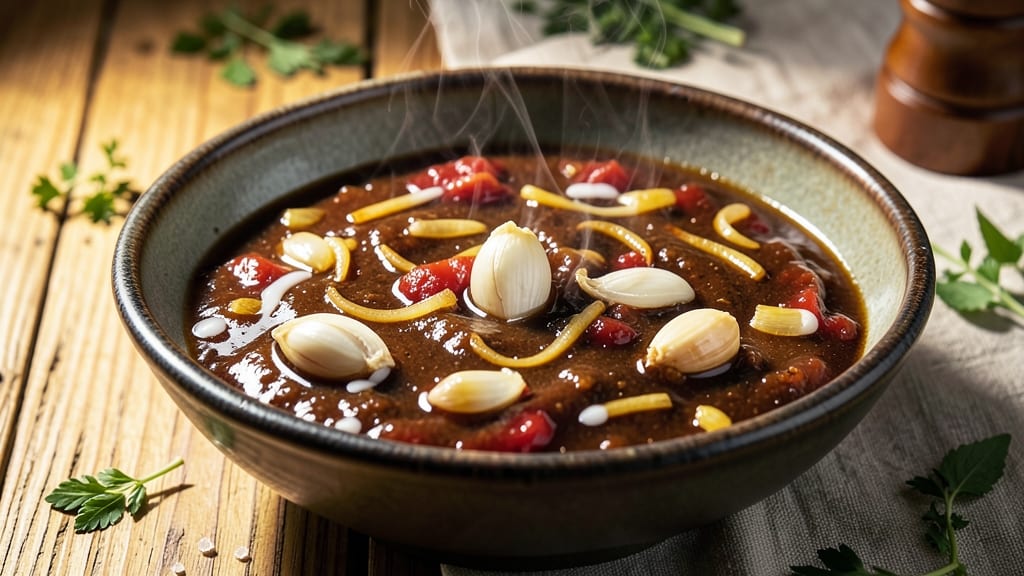
Lexington barbecue sauce delivers that signature tangy-sweet balance that makes it America's most beloved sauce. I've perfected this vinegar-forward recipe with molasses depth after years of experimenting—it's the kind of sauce that transforms grilled meats, smoked ribs, or even baked beans into something extraordinary. The key lies in the precise ratio of vinegar to sweetener, creating that signature tang that sets Lexington-style apart from others.
What makes this sauce truly special is its versatility and depth of flavor. The molasses adds rich caramel notes while the vinegar cuts through with bright acidity, creating a perfect harmony.
I've simplified the process without sacrificing that authentic Lexington profile—just a few pantry staples and about 30 minutes of simmering time. This isn't just a sauce; it's a flavor experience that elevates any dish it touches.
The result is a glossy, thick sauce with perfect balance—tangy enough to cut through rich meats but sweet enough to satisfy your cravings. It's the kind of sauce that makes you want to slather it on everything from pulled pork to grilled chicken wings.
The beauty of this recipe is its adaptability: use it as a marinade, a glaze, or a dipping sauce, and you'll never go back to store-bought versions.
For those who love to experiment, I've included variations for adjusting the vinegar balance or heat level. Whether you're smoking a brisket for hours or quick-grilling chicken for dinner, this Lexington-style sauce will deliver restaurant-quality results every time. Let's get cooking!
Ingredients for lexington barbecue sauce
Pantry staples meet bold flavors in this Lexington barbecue sauce—just ten ingredients transform into something extraordinary.
| Ingredient | Amount | Notes |
|---|---|---|
| White Vinegar 🍶 | 1 cup | Distilled white preferred |
| Unsweetened Molasses 🍯 | ¾ cup | Dark molasses for depth |
| Tomato Paste 🍅 | ½ cup | Squeeze tube or canned |
| Granulated Sugar 🍚 | ½ cup | White or brown sugar |
| Yellow Onion 🧅 | 1 whole | Medium, finely chopped |
| Garlic Cloves 🧄 | 4 cloves | Fresh, minced finely |
| Kosher Salt 🧂 | 1 ½ tsp | Diamond Crystal preferred |
| Ground Black Pepper 🌶️ | ½ tsp | Freshly cracked |
| Smoked Paprika 🌶️ | 1 tsp | For subtle smokiness |
| Water 💧 | ½ cup | For thinning consistency |
The vinegar is non-negotiable here—distilled white gives that signature tang without overpowering. Trader Joe's and Whole Foods carry high-quality options, but any good brand works. For molasses, dark molasses adds that rich caramel depth that's essential. I always grab mine from the bulk section at Costco—it's cheaper and fresher than those little bottles. The tomato paste? Squeeze tubes are perfect for single servings, but canned works fine for larger batches. Just make sure it's smooth, not chunky.
No dark molasses? Substitute maple syrup at a 1:1 ratio, though the flavor will be slightly different. Short on vinegar? Apple cider vinegar works in a pinch, but it'll have a milder tang. The onion and garlic are your aromatics—don't skip them. For a smokier profile, add a pinch of liquid smoke, but start small. The sugar can be swapped for honey or agave, though it'll change the caramel notes slightly. If you're making this ahead, add water gradually—you can always thin it later, but you can't thicken it once it's cooled.
This sauce keeps beautifully—1 week in the fridge or 6 months in the freezer. I like to portion it into small jars for easy use. The flavor actually improves over time as everything melds together. For a restaurant-quality finish, strain it through a fine-mesh sieve before serving to remove any bits. Leftovers? Perfect for quick marinades or as a glaze for grilled veggies. The beauty of this sauce is its versatility—use it on everything from ribs to baked beans.
Why You'll Love This Recipe
- Pantry Magic: I swear by this sauce because it uses stuff I already have—no special trips to the store. That molasses? It’s the secret weapon giving it that deep, caramelized richness without needing fancy ingredients.
- Sweet-Tart Balance: The vinegar cuts through the sugar just right, while the onion adds a subtle depth. Honestly, it’s the kind of flavor that makes you reach for more—even when you’re not supposed to.
- Weeknight Hero: Slather it on grilled chicken for dinner, toss it into baked beans for lunch, or drizzle it over roasted veggies. It’s my go-to when I need something fast but still feels special.
- Budget-Friendly Staple: A single batch stretches for days—perfect for meal prep or feeding a crowd. Between us, this is the sauce that makes cheap cuts of meat taste like a restaurant dish.
Step-by-step instructions for Lexington barbecue sauce
This tangy, molasses-rich sauce balances sweetness and acidity perfectly—here's how to nail it every time.
Sauté Onion and Garlic Until Translucent
Heat a medium saucepan over medium heat and add the finely chopped yellow onion. Cook for 5-6 minutes until the onion softens and becomes translucent at the edges. You'll smell the sweetness developing—this is where the sauce's depth begins.
Add the 4 cloves minced garlic cloves and cook for another 30 seconds until fragrant. Watch closely—garlic burns quickly, and you want the aroma, not bitterness. If the onions start to brown too much, reduce the heat slightly. This aromatic base will carry through the entire sauce, so take your time here.
Build the Sauce Base with Tomato Paste
Stir in the 0.5 cup tomato paste and cook for 2-3 minutes until it darkens slightly and loses its raw flavor. This step deepens the sauce's color and intensifies its umami profile. The paste will thicken as it cooks, so keep stirring occasionally to prevent sticking.
Add the 1 cup white vinegar and 0.5 cup granulated sugar all at once. The mixture will bubble vigorously as the vinegar reacts with the tomato paste. Let it simmer for 5 minutes until the sugar dissolves completely and the sauce begins to thicken. This is where the signature tang emerges—resist the urge to rush this step.
Incorporate Molasses and Seasonings
Reduce the heat to medium-low and stir in the 0.75 cup unsweetened molasses. The sauce will darken dramatically and become syrupy. Add the 1.5 tsp kosher salt, 0.5 tsp ground black pepper, and 1 tsp smoked paprika. Stir well to distribute the spices evenly throughout the sauce.
Simmer for 8-10 minutes until the sauce thickens to a glossy consistency that coats the back of a spoon. You're looking for a balance between smooth and slightly textured—it should coat a spoon but not be glue-like. If it thickens too quickly, add the 0.5 cup water to adjust the consistency. Taste and adjust seasoning if needed, adding more vinegar for tang or sugar for sweetness.
Finish and Rest the Sauce
Once the sauce reaches your desired consistency, remove it from heat. The color should be deep amber with a glossy sheen. Let it cool to room temperature—this allows the flavors to meld and the sauce to thicken further as it sits. I like to transfer it to a clean glass jar and refrigerate for at least 1 hour before using.
The sauce will continue to develop in flavor as it cools. If you find it too thick after refrigeration, thin it with a splash of water or vinegar. This Lexington-style sauce is versatile—use it on ribs, pulled pork, or even as a glaze for vegetables. The balance of sweet, tangy, and smoky flavors makes it a crowd-pleaser every time.
Pro Tips For Making Lexington Barbecue Sauce
- Simmer Slow and Steady: Lexington sauce needs time to marry its flavors—don’t rush the simmer. A gentle, steady boil for at least 20 minutes (or up to 30) lets the vinegar mellow and the molasses deepen without burning. I used to crank the heat, and it’d turn bitter; now I keep it at a low bubble and let it work.
- Char That Onion: Ditch the raw onion—sear it first. Cut the yellow onion into thin slices, toss in a hot pan with a little oil, and cook until the edges blacken slightly. That caramelized bit adds depth the recipe won’t get otherwise. (Yes, even if you’re impatient like me.)
- Balance the Molasses: Molasses is strong—taste it as you go. Add the unsweetened kind gradually, then adjust with sugar or vinegar until it’s rich but not cloying. I learned this the hard way after making a batch that tasted like a dessert. Start with half the amount, then tweak.
- Skip the Paste Clumps: Stir the tomato paste into cold water first—it dissolves cleanly and avoids lumps. Dumping it dry into the pot guarantees you’ll spend the next 5 minutes fishing out globs. (Your future self will thank you.)
Creative variations of this recipe
Sweet Heat Fusion
For a spicier kick, add 1-2 teaspoons of cayenne pepper or 1 tablespoon of hot sauce like Crystal or Tabasco when you incorporate the molasses. I like to start with ½ teaspoon cayenne and adjust to taste—this gives the sauce a slow-building heat that complements the sweetness beautifully.
For a smoky-spicy twist, swap the smoked paprika for ½ teaspoon cayenne plus ½ teaspoon chipotle powder. 🌶️
Vinegar Variations
If you prefer a milder tang, reduce the vinegar to ¾ cup and add ¼ cup apple cider vinegar for a fruitier note. For extra brightness, replace ¼ cup of the white vinegar with lemon juice—this adds a citrusy zing that pairs perfectly with grilled seafood.
I once made a batch with ½ cup balsamic vinegar for depth, but it leaned more savory than sweet.
Sweetness Adjustments
Need more sweetness? Swap the molasses for ½ cup maple syrup plus ¼ cup brown sugar for a richer profile. For a caramelized depth, add 2 tablespoons of caramelized onion jam (store-bought or homemade) when you incorporate the molasses.
If you love butterscotch notes, add 1 teaspoon of vanilla extract at the end—it rounds out the flavors beautifully.
Smoky Depth Boost
For a deeper smokiness, add ½ teaspoon of liquid smoke (like G. Heileman) when you stir in the spices. I also love adding ½ teaspoon of coffee granules for a subtle earthiness that enhances the molasses.
For a true Lexington-style intensity, use 1 teaspoon of smoked paprika plus a pinch of ground coriander—this mimics the wood-fired depth of traditional recipes.
Thick or Thin
Want a thinner sauce for dipping or glazing? Add 1-2 tablespoons of water or vinegar at the end. For a thicker, spreadable consistency (great for sandwiches), simmer uncovered for an extra 5 minutes to reduce further.
I’ve even made a thick, spreadable version by adding 2 tablespoons of tomato powder to the tomato paste—it adds umami without altering the texture too much.
Fruit Infusions
For a fruity twist, add ¼ cup of pureed pineapple or peach when you incorporate the molasses. This works surprisingly well with pulled pork—think of it as a tropical Lexington sauce.
For a berry variation, stir in 2 tablespoons of raspberry jam at the end. The acidity balances the sweetness perfectly, and it’s a fun way to use up summer fruit. 🍓
Nutrition facts
Frequently asked questions
Why does this Lexington barbecue sauce have so much vinegar?
The vinegar creates that signature tang that sets Lexington-style sauce apart from others. The 1 cup white vinegar cuts through the molasses sweetness, creating the perfect balance. If you prefer less acidity, try reducing it to ¾ cup and adding ¼ cup apple cider vinegar for a milder but still bright flavor.
Can I make this sauce without molasses?
Yes, but the flavor will change. For a 1:1 substitute, use maple syrup or honey, though the sauce will be slightly less rich. If you want to keep the caramel depth, try ½ cup maple syrup plus ¼ cup brown sugar. The molasses gives that unmistakable depth that makes Lexington sauce special.
How do I adjust the heat level in this sauce?
Start with ½ teaspoon cayenne pepper for mild heat or 1 teaspoon for medium spice. For a smoky-spicy twist, swap the smoked paprika for ½ teaspoon cayenne plus ½ teaspoon chipotle powder. Always taste as you go—you can add more heat later, but you can't remove it once it's in!
Can I use this sauce as a marinade?
This sauce works beautifully as a marinade for chicken, pork, or even tofu. Just reduce the vinegar to ½ cup to prevent over-acidifying the meat. Marinate for 2-4 hours in the fridge, then grill or bake. The molasses and spices will caramelize beautifully on the meat.
How long will this sauce keep, and can I freeze it?
The sauce stays fresh for 1 week in the fridge or 6 months in the freezer. For freezing, portion into small jars or silicone molds. Thaw overnight in the fridge—never microwave it directly, as this can alter the texture. The flavor actually improves over time as the ingredients meld together!