
Sauces & Condiments
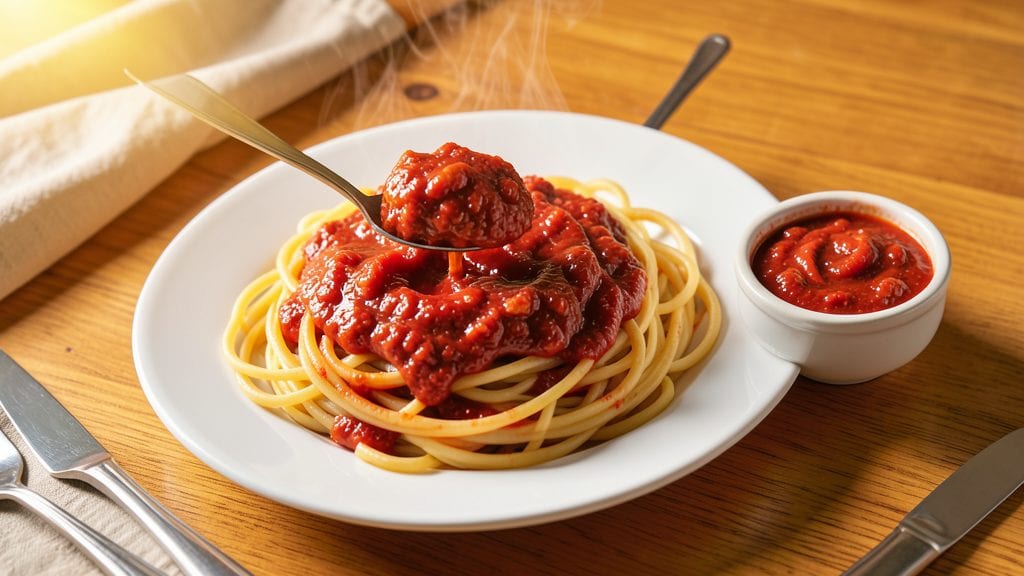
Ina Garten's arrabiata sauce recipe delivers the perfect balance of bold garlic, chili heat, and rich tomato flavor in just 30 minutes. This sauce captures the essence of Italian home cooking with its vibrant red color and complex layers of taste.
I've perfected this version using high-quality San Marzano tomatoes and fresh garlic, which create a sauce that's both simple and deeply satisfying.
The beauty of this arrabiata sauce lies in its versatility and ease of preparation. With just a handful of ingredients—including olive oil, chili flakes, and optional fresh basil—you can transform a simple weeknight meal into something extraordinary.
The sauce thickens beautifully as it simmers, creating a perfect consistency whether you use it as a pasta topping, a grilled meat accompaniment, or a bold condiment for bruschetta.
What makes this recipe truly special is how it transforms ordinary ingredients into something restaurant-quality. The garlic infuses deeply into the tomatoes, while the chili flakes add just the right amount of heat without overpowering.
The result is a sauce that's rich, aromatic, and packed with flavor—ready to elevate any dish you prepare.
Once you've made this sauce, you'll want to keep it on hand for quick meals. It stores perfectly in the refrigerator for up to a week or can be frozen for longer-term use.
Whether you're serving it over spaghetti, drizzling it on grilled chicken, or using it as a dip for crusty bread, this arrabiata sauce will become a staple in your kitchen.
Ingredients for ina garten arrabiata sauce
Eight simple ingredients transform into Ina Garten's signature bold, vibrant arrabiata sauce.
| Ingredient | Amount | Notes |
|---|---|---|
| Extra-Virgin Olive Oil 🫒 | ½ cup | High-quality, fruity variety |
| San Marzano Tomatoes 🍅 | 28 oz | Canned, whole or crushed |
| Garlic Cloves 🧄 | 6 whole | Fresh, peeled, minced |
| Red Chili Flakes 🌶️ | 1 tbsp | Adjust for preferred heat |
| Fresh Basil Leaves 🌿 | ½ cup | Packed, stems removed (optional) |
| Salt 🧂 | 1 tsp | Kosher or sea salt |
| Black Pepper 🌶️ | ½ tsp | Freshly ground preferred |
| Red Wine Vinegar 🍷 | 1 tbsp | For brightness (optional) |
San Marzano tomatoes are non-negotiable here—they're sweeter and less acidic than regular canned tomatoes. Look for the official San Marzano label at Italian markets or well-stocked grocery stores like Whole Foods. If you can't find them, Mueller or Cento tomatoes are solid backups. Fresh garlic matters too—roasted cloves add a sweet depth, but raw minced gives that classic sharp bite. The olive oil should be extra-virgin with fruity notes, not that cheap stuff. I grab mine from Trader Joe's—their Tuscan blend is perfect for this sauce.
No red wine vinegar? Lemon juice works too, though it'll taste slightly different. Short on fresh basil? Dried basil at one-third the amount gets you close, but fresh is ideal. The chili flakes can be swapped for crushed red pepper if that's what you have. Want more depth? Add 1 tsp dried oregano with the chili flakes. For a smoky touch, swap half the chili flakes for smoked paprika. And if you're feeling fancy, add 1 tsp tomato paste to thicken it up—just stir it in with the tomatoes.
This sauce tastes even better the next day as the flavors meld. Store it in a glass jar in the fridge for up to 1 week, or freeze for 3 months. I like to portion it into ice cube trays for easy single-use servings—perfect for quick pasta nights. If it thickens too much, just stir in a splash of water or broth. And if you make extra? Freeze in 1-cup portions—it's always good to have on hand for last-minute meals.
Why You'll Love This Recipe
- Here’s what sold me: the sauce builds itself. Simmer those crushed tomatoes and garlic in olive oil until the flavors click—that’s when you know it’s working. No overcomplicating, no second-guessing. Even if you burn the garlic (we’ve all been there), the chili flakes cut through it and save the day.
- Five-Ingredient Magic: I swear by this—just oil, tomatoes, garlic, chili, and basil. That’s it. No fancy gadgets, no hidden steps. The San Marzano tomatoes practically melt into a velvety sauce while you’re still chopping the garlic, and the basil? I toss in the whole leaves at the end so they stay bright and fragrant.
- Kitchen Confidence Boost: Here’s what sold me: the sauce builds itself. Simmer those crushed tomatoes and garlic in olive oil until the flavors click—that’s when you know it’s working. No overcomplicating, no second-guessing. Even if you burn the garlic (we’ve all been there), the chili flakes cut through it and save the day.
- Weeknight to Weekend: This sauce works everywhere. Dump it over pasta for a Tuesday dinner, slather it on grilled chicken for a potluck, or toss it with roasted veggies for a lazy Sunday. I’ve even used it as a marinade—yes, really. The acidity from the tomatoes tenderizes meat like a dream, and the chili adds just enough kick to wake up any dish.
Step-by-step instructions for Ina Garten's arrabiata sauce
This vibrant sauce comes together quickly with bold garlic and chili flavors.
Sauté Garlic in Olive Oil Until Fragrant
Heat the 0.5 cup extra-virgin olive oil in a large, heavy-bottomed saucepan over medium heat. Add the 6 whole garlic cloves and cook for 2-3 minutes until they become golden and smell irresistibly fragrant. Be careful not to let them burn—garlic turns bitter quickly when overcooked. The oil should shimmer but not smoke.
Watch closely during this step. You'll know the garlic is ready when it releases its sweet, nutty aroma and begins to turn a light golden color. This foundational step builds the sauce's signature depth. If you notice the garlic browning too quickly, reduce the heat slightly to maintain gentle cooking.
Add Tomatoes and Chili Flakes
Pour in the 28 oz San Marzano tomatoes and stir to combine with the garlic. Add the 1 tablespoon red chili flakes and bring the mixture to a gentle simmer over medium-low heat. Let it cook uncovered for 15-20 minutes, stirring occasionally, until the sauce thickens slightly and the flavors meld together.
The tomatoes should break down into a rich, chunky consistency. You'll see the sauce reduce and develop a glossy sheen. If it starts to stick to the pan, add a splash of water—just enough to keep it moving freely. This slow simmering process allows the acidity in the tomatoes to mellow while concentrating their natural sweetness.
Season and Finish with Basil
Add the 1 teaspoon salt and 0.5 teaspoon black pepper, stirring well to distribute the seasoning evenly. Taste and adjust if needed—this is where you'll experience the sauce's developing character. For brightness, stir in the 1 tablespoon red wine vinegar. Finally, add the 0.5 cup fresh basil leaves and cook for another 2-3 minutes just until the basil wilts slightly but still retains its vibrant green color.
Here's the thing—this sauce should have a perfect balance of heat, acidity, and sweetness. The vinegar brightens the tomatoes while the chili flakes provide a lingering warmth. If you prefer more heat, add an extra pinch of chili flakes. For a smoother texture, use an immersion blender to lightly purée the sauce, but I like keeping it rustic with visible tomato chunks.
Simmer Until Perfectly Balanced
Continue simmering the sauce for an additional 5-10 minutes until it reaches your desired consistency. It should coat the back of a spoon but still have a pleasant texture. If it's too thick, add a little water or pasta water to loosen it to your preference. The sauce will continue to thicken as it cools.
This final simmering step is where the magic happens. The flavors come together and deepen, creating that signature arrabiata complexity. Taste again before serving—you might want to adjust the seasoning one last time. The sauce should be bold but not overpowering, with a perfect harmony of garlic, chili, and tomato.
Pro Tips For Making Ina Garten Arrabiata Sauce
- Cook Garlic Low: I learned this the hard way—garlic in arrabiata burns faster than you think. Once it’s golden, drop the heat to medium-low and stir constantly. That way, it adds flavor without turning bitter or acrid.
- Crush Tomatoes First: Skip the blender—roughly crush San Marzano tomatoes by hand before cooking. It releases more juice and gives the sauce a chunkier, brighter texture. (Yes, even if you’re impatient like me.)
- Salt After Simmering: Hold off on salt until the sauce has simmered for 10 minutes. Early salting concentrates the tomatoes, making the sauce taste flat and one-dimensional. Wait, then taste and adjust.
- Toast Chili Flakes: Dry-toast the red chili flakes in the olive oil for 30 seconds before adding garlic. It deepens their heat and aroma—way more impactful than just tossing them in raw. (Your future self will thank you.)
Storing and reheating this ina garten arrabiata sauce
Fridge Storage Tips
Transfer your freshly made arrabiata sauce to a clean glass jar or airtight container while it's still warm but not boiling. Let it cool completely at room temperature for no more than 2 hours before refrigerating at 40°F or below.
The sauce will continue developing its depth overnight, making it even more flavorful when reheated. I always store mine in Mason jars—they're perfect for both storage and serving. 🥫
This sauce keeps beautifully in the fridge for up to 1 week, though I find it's at its peak after 2-3 days. The flavors meld perfectly, creating that restaurant-quality depth.
If you notice the surface forming a skin, simply stir it back in before reheating. For best results, press plastic wrap directly onto the sauce's surface to minimize oxidation and maintain freshness.
Freezer Storage Methods
For longer storage, portion your sauce into 1-cup freezer-safe containers or ice cube trays—these are perfect for single-use servings. Leave ½-inch headspace to prevent expansion cracks. I prefer silicone molds for easy popping out after freezing.
Label each container with the date to track freshness, as properly frozen arrabiata sauce maintains quality for up to 3 months. ❄️
When ready to use frozen sauce, thaw it overnight in the fridge or quickly in a bowl of warm water. For immediate use, transfer frozen portions to a saucepan and heat over low heat, stirring occasionally until fully thawed and warmed through.
Never microwave frozen arrabiata sauce directly—this can create hot spots and break down the delicate tomato texture.
Reheating Perfectly
For fridge-stored sauce, I recommend reheating in a small saucepan over medium-low heat with a splash of water or pasta water to restore moisture. Stir frequently to prevent sticking, and heat until steaming hot—about 5-7 minutes.
The sauce should reach 165°F internal temperature to ensure food safety while maintaining its rich consistency. 🔥
If your sauce thickens too much during reheating, thin it with 1-2 tablespoons of warm water or broth. For extra flavor, add a pinch of salt or a drizzle of olive oil to compensate for any lost richness.
I often reheat just enough for one meal, keeping the rest refrigerated for the next use—this maintains peak freshness and flavor.
Portion Control Secrets
Use 1-cup portions as your standard serving size for pasta—this ensures perfect sauce-to-pasta ratios. For grilled meats or as a condiment, ½-cup portions work beautifully. I like using small glass jars (like Le Parfait jars) for individual portions—they're microwave-safe and easy to grab when needed.
These also make great gifts for fellow food lovers! 💛
When reheating individual portions, cover the container loosely with a lid to allow steam to escape—this prevents splattering while maintaining moisture. For extra convenience, freeze portions in silicone muffin cups, then transfer directly to your cooking pot when ready to use.
This method preserves texture and flavor exceptionally well compared to traditional freezer bags.
Nutrition facts
Frequently asked questions
Can I substitute regular canned tomatoes for San Marzano in this recipe?
While you can use regular canned tomatoes, the flavor won't be as refined. San Marzano tomatoes have a sweeter, less acidic profile that creates a more balanced sauce. For best results, choose high-quality crushed tomatoes and add 1 teaspoon sugar to compensate for the acidity difference. If using whole tomatoes, crush them by hand for better texture.
How do I adjust the heat level in this arrabiata sauce?
The recipe uses 1 tablespoon chili flakes, which provides a moderate heat. For milder flavor, reduce to ½ teaspoon or swap for ½ teaspoon crushed red pepper. For extra spice, add ½ teaspoon cayenne pepper or a pinch of red pepper flakes. Always taste as you go—you can't remove heat once it's added!
What's the best way to use leftover arrabiata sauce?
This versatile sauce works perfectly over spaghetti, linguine, or penne, but also shines on grilled chicken, shrimp, or roasted vegetables. Try it as a dip for crusty bread or bruschetta, or mix it into risotto during the last 5 minutes of cooking. For a quick meal, spread it on toasted baguette slices with fresh mozzarella.
Why did my arrabiata sauce turn out too acidic?
Acidity often comes from using non-San Marzano tomatoes or overcooking the sauce. To fix it, balance the acidity by adding ½ teaspoon sugar or 1 tablespoon tomato paste while reheating. For prevention, simmer the sauce uncovered for no longer than 30 minutes total—this helps mellow the acidity naturally.
Can I make this sauce in a slow cooker or Instant Pot?
Yes! For a slow cooker, sauté the garlic first, then transfer everything to the pot and cook on low for 3-4 hours or high for 2 hours, stirring occasionally. For an Instant Pot, sauté garlic, add all ingredients, and pressure cook for 10 minutes on high. Quick-release the pressure and stir—this method creates a smoother texture.