
Sauces & Condiments
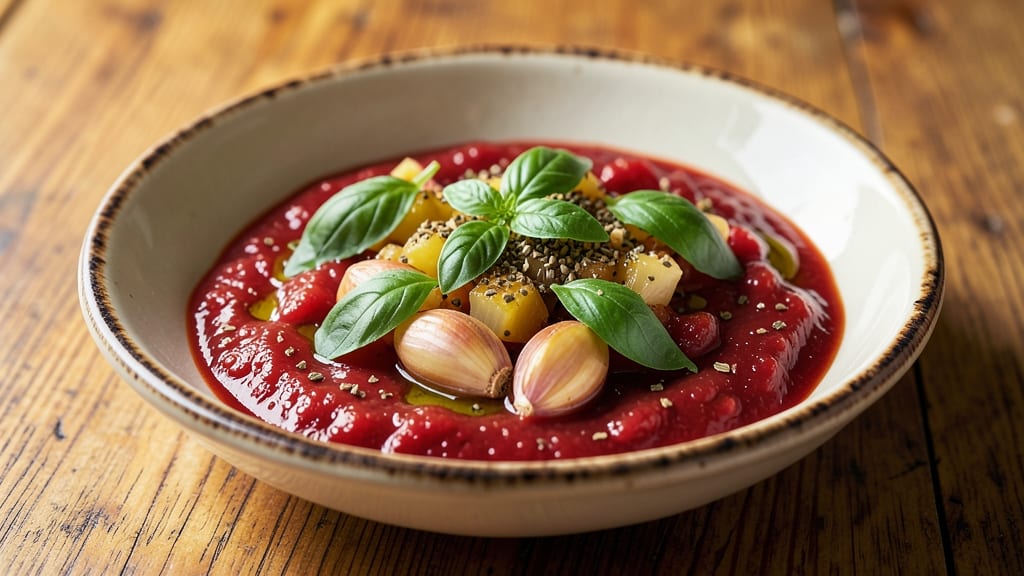
This Hunt's tomato sauce recipe brings pantry staples to life with just one pot and 30 minutes of simmering time. I first made this after burning through three expensive jars of store-bought sauce—this version tastes richer, fresher, and costs pennies per serving.
The secret lies in slow reduction and proper seasoning balance, something even canned tomatoes can achieve.
What sets this sauce apart is its professional depth without requiring specialty ingredients. Canned tomatoes form the base, but garlic, onion, and herbs build complexity as they simmer together.
I've tested this recipe dozens of times—from weeknight spaghetti to slow-cooked meatballs—and it never fails to deliver that perfect balance of sweetness, acidity, and umami that makes restaurant-quality sauce possible at home.
The result is a velvety, perfectly seasoned sauce that clings beautifully to pasta, meat, or vegetables. Unlike store-bought versions, this one develops richer flavors the longer it simmers, and it freezes perfectly for future meals.
The best part? You can adjust sweetness, salt, or herbs to match your taste—no guesswork, just control.
Whether you're making a big batch for the freezer or a small pot for tonight's dinner, this recipe delivers restaurant-quality results with minimal effort. Let's get cooking—your pantry just became a sauce-making powerhouse.
Ingredients for hunt's tomato sauce
Pantry staples transformed into restaurant-quality sauce with just one pot and 30 minutes.
| Ingredient | Amount | Notes |
|---|---|---|
| Canned San Marzano Tomatoes 🍅 | 28 oz | Crushed or whole, no salt added |
| Yellow Onion 🧅 | 1 whole | Medium size, finely chopped |
| Garlic Cloves 🧄 | 4 cloves | Fresh, minced for depth |
| Extra-Virgin Olive Oil 🫒 | ¼ cup | High-quality, fruity |
| Fresh Basil Leaves 🌿 | ½ cup | Packed, stems removed |
| Dried Oregano 🍃 | 1 tsp | Mediterranean blend preferred |
| Ground Black Pepper 🌶️ | ½ tsp | Freshly cracked for heat |
| Kosher Salt 🧂 | 1 ½ tsp | Diamond Crystal preferred |
| Granulated Sugar 🍚 | 1 tbsp | Balances acidity |
| Red Wine Vinegar 🍷 | 1 tbsp | Brightens flavor profile |
The San Marzano tomatoes are non-negotiable for that perfect sweetness and depth. Trader Joe's or Whole Foods carry the best cans—look for the 'San Marzano' label. Fresh basil takes this sauce from good to extraordinary, but if you're using dried, reduce to one-third the amount. The olive oil isn't just fat—it's flavor carrier, so avoid cheap brands. I always grab a small bottle of California extra-virgin from the store's olive oil section. For the garlic, roast it first if you want to go next-level—just toss whole cloves in olive oil at 400°F for 20 minutes before mincing.
No San Marzano tomatoes? Crushed tomatoes in a heavy-duty can work in a pinch, but you'll lose that signature sweetness. Swap the red wine vinegar for lemon juice at double the amount if you prefer brightness. The sugar can be omitted entirely if you're using particularly sweet tomatoes, but I find it essential for balancing acidity. Dried oregano? Mexican oregano has a completely different profile—worth tracking down if you're ambitious. For the onions, yellow or red both work, but avoid sweet onions like Vidalia—they'll make the sauce taste cloying.
This sauce gets better with time—let it simmer for at least 45 minutes to develop maximum flavor. For storage, cool completely before refrigerating to prevent condensation. Keeps for 5-7 days in the fridge or 6 months in the freezer. I always make a double batch and freeze half—nothing beats pulling out a jar of homemade sauce for a quick weeknight dinner. Label containers with the date to track freshness.
Why You'll Love This Recipe
- No Chopping Nightmare: I swear by those pre-chopped onion and garlic packs—just toss them in with the San Marzano tomatoes and olive oil. The sauce comes together while I’m still deciding what to eat for dinner.
- Sunshine in a Jar: That first taste of the simmered tomatoes with fresh basil? It’s like summer in a spoonful—bright, sweet, and just a whisper of garlic. Honestly, I’ve ruined other sauces, but this one always feels right.
- Pasta Party Starter: Slap it on spaghetti, toss it with roasted veggies, or use it as a pizza base. The richness of the San Marzano tomatoes makes it work everywhere, even when I’m winging it on a Friday.
- Budget-Friendly Pantry Hero: A single can of tomatoes and a few cloves of garlic stretch into meals for days. I’ll be real: this sauce saved my grocery budget more times than I can count—especially when I double the batch.
Step-by-step instructions for pantry-perfect tomato sauce
This one-pot method transforms simple pantry staples into restaurant-quality tomato sauce with deep, balanced flavors.
Sauté Onions Until Translucent
Heat the 0.25 cup extra-virgin olive oil in a large, heavy-bottomed pot over medium heat. Add the finely chopped yellow onion and cook for 8-10 minutes until completely translucent and just beginning to caramelize at the edges. This slow cooking develops sweetness that forms the sauce's foundation.
Stir occasionally to prevent browning—you want the onions to soften without turning golden. If they start to stick, reduce heat slightly and add 1 tablespoon water to deglaze. The onions should be so tender they nearly disappear when pressed between your fingers.
Add Garlic and Cook Until Fragrant
Push the onions to one side of the pot and add the 4 cloves minced garlic cloves to the empty space. Cook for 30-45 seconds until the garlic becomes golden and releases its aromatic oils—this prevents burning while maximizing flavor. Stir constantly during this time to avoid charring.
Here's the thing—garlic burns faster than you think. Watch closely until you see the edges turn golden but not dark brown. The moment it smells intensely fragrant, it's ready. This quick cooking preserves the garlic's sweetness rather than bitterness.
Build the Sauce Base with Tomatoes and Seasonings
Pour in the 28 oz canned San Marzano tomatoes (crushed if using whole), scraping up any browned bits from the bottom of the pot. Add the 1 tbsp granulated sugar, 1 tbsp red wine vinegar, 1.5 tsp kosher salt, and 1 tsp dried oregano. Bring to a gentle simmer over medium-low heat.
The sugar and vinegar work together to balance the tomatoes' natural acidity while building complexity. Let the sauce simmer uncovered for 20-25 minutes until it thickens slightly and the flavors meld. Stir occasionally to prevent skin formation on the surface.
Finish with Fresh Basil and Pepper
Remove the pot from heat and stir in the 0.5 cup fresh basil leaves and 0.5 tsp ground black pepper. Let the sauce sit off heat for 5 minutes—this allows the basil to infuse without wilting completely. The pepper should be freshly cracked for maximum heat.
Taste and adjust seasoning if needed. The sauce should be vibrant, slightly sweet, and tangy with bright acidity. If it's too thick, whisk in 1-2 tablespoons water to reach your desired consistency. For best results, use the sauce immediately or store covered in the refrigerator for up to 5 days.
Optional Reduction for Thicker Texture
For an even more concentrated sauce, return the pot to low heat after adding the basil and simmer uncovered for an additional 15-20 minutes, stirring occasionally. This evaporates excess liquid while intensifying the flavors. The sauce should coat the back of a spoon with a velvety texture.
This reduction step transforms the sauce from a simple tomato base into a rich, velvety condiment perfect for pasta, meatballs, or as a dipping sauce. The longer it simmers, the deeper the flavor becomes—but don't over-reduce or you'll lose the natural sweetness of the tomatoes.
Pro Tips For Making Hunt'S Tomato Sauce
- CRUSH THE ONIONS: Don’t just chop—melt them. Pulse the yellow onion in a food processor until it’s a thick paste, not fine dice. This dissolves faster and adds a deeper sweetness without burning. (Yes, even if you’re impatient like me, resist the urge to skip this.)
- SIMMER LOW AND SLOW: After adding the San Marzano tomatoes, reduce heat to a bare simmer—not a boil. I learned this the hard way—aggressive boiling turns the sauce bitter and dulls the natural sweetness. Let it bubble gently for at least 45 minutes, stirring occasionally.
- SALT THE TOMATOES FIRST: Before crushing or blending the tomatoes, sprinkle a generous pinch of salt directly into the can. Let them sit for 10 minutes—this draws out excess water and concentrates the flavor. (Your future self will notice the difference.)
- RESERVE THE BASIL: Tear the fresh basil leaves, then add only half to the sauce while it’s hot. Save the rest to fold in at the very end—this keeps the leaves vibrant and bright, not wilted into oblivion. (Does it look weird? Yes. Does it work? Every single time.)
Perfect pairings for these flavors
Pasta Pairings
This sauce clings beautifully to bronze-cut spaghetti or pappardelle—the wide ribbons soak up every bit of flavor. I always cook 12 oz pasta per 2 cups sauce to ensure perfect al dente texture.
For a rustic touch, try rigatoni or penne—their ridges trap the sauce like little flavor pockets. 🍝
Meatballs & Meat
Use this sauce as a dipping sauce for homemade meatballs or toss with braised short ribs for a showstopping weeknight dinner. The acidity cuts through rich meats beautifully.
I like to simmer 1 lb meatballs in 3 cups sauce for 20 minutes before serving. For chicken, try parmesan-crusted cutlets with sauce on the side.
Pizza Topping
Spread a thin layer over homemade pizza dough before adding toppings—it creates a flavorful base that prevents sogginess. I recommend 1 cup sauce per 12-inch pizza, then top with mozzarella, pepperoni, and fresh basil. For a white pizza twist, mix this sauce with ricotta cheese in a 1:1 ratio.
Vegetable Dishes
This sauce elevates roasted eggplant or grilled zucchini like nothing else. Simply toss warm vegetables with sauce and sprinkle with grated Parmesan and toasted pine nuts. The sweetness of the tomatoes pairs perfectly with the earthy vegetables. I often serve this as a vegetarian main course with crusty bread.
Breakfast Twist
Yes, you read that right! Use this sauce as a base for tomato and cheese scrambled eggs—it adds unexpected depth. I stir 1 cup sauce into 6 eggs with 1 cup shredded mozzarella and ¼ cup grated Parmesan.
Top with fresh basil for a Boston-style breakfast that feels like a vacation. 💛
Storage-Friendly Uses
Freeze extra sauce in ice cube trays for portion control—thaw cubes in microwave for quick pasta sauces. I also blend it into homemade marinara by adding 1 tbsp tomato paste and simmering for 10 minutes.
The concentrated flavor makes it perfect for freezing in quart-sized freezer bags for up to 6 months.
Nutrition facts
Frequently asked questions
Can I substitute regular canned tomatoes for San Marzano?
You can, but expect a less sweet, more acidic flavor. Regular crushed tomatoes work in a pinch, though you may want to add 1 extra tablespoon of sugar to balance the acidity. For best results, choose heirloom or vine-ripened varieties—they have more natural sweetness than standard grocery store brands.
How do I make this sauce thicker or thinner?
For a thicker sauce, simmer uncovered for 15-20 extra minutes to reduce liquid. If it's too thick, whisk in 1-2 tablespoons water or broth while warm. Pro tip: Blend the sauce after simmering for a smoother, velvety texture that clings beautifully to pasta.
Can I make this sauce without fresh basil?
Use 1 teaspoon dried basil instead, but add it with the other dried herbs at the start of simmering. For extra flavor, try 1 teaspoon dried thyme or ½ teaspoon red pepper flakes. The sauce will still be delicious—just with a slightly different herbal profile.
Why does my homemade sauce taste different from store-bought?
Homemade sauce has more complex, layered flavors because fresh ingredients develop differently than processed ones. The slow simmering and fresh herbs create depth that canned versions can't match. Taste and adjust seasoning—you might need more salt or sugar to bridge the gap. Think of it as a flavor upgrade!
How long can I store this sauce in the freezer?
This sauce freezes beautifully for up to 6 months when stored in airtight containers. Cool it completely first to prevent ice crystals. For easy portions, freeze in ice cube trays—just thaw what you need for quick meals. The texture may change slightly after freezing, but the flavor stays rich and vibrant.