
Sauces & Condiments
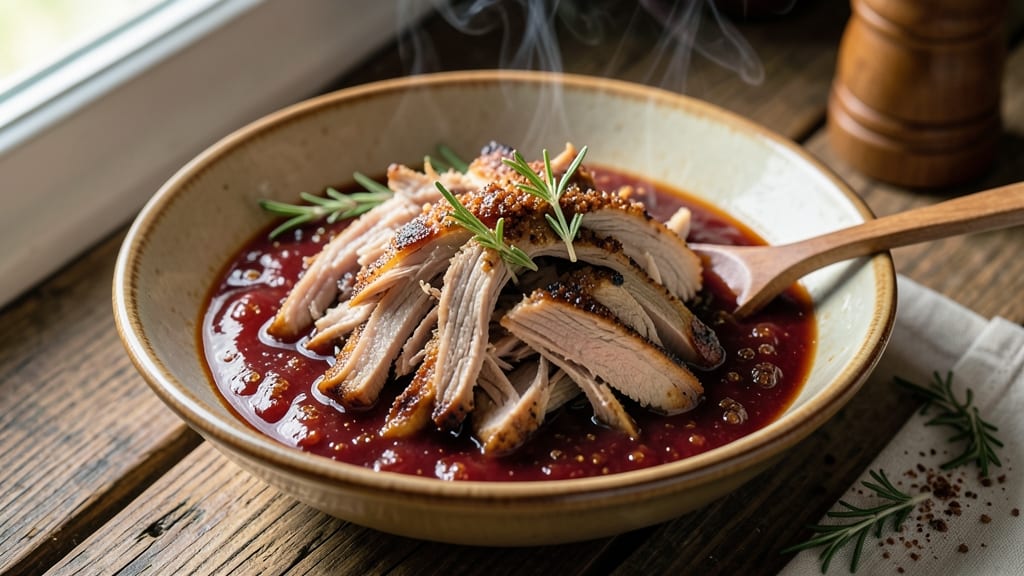
This homemade barbecue sauce recipe transforms pulled pork into a sticky, smoky masterpiece that rivals any competition-winning pitmaster. 🔥 The secret lies in balancing sweetness, tang, and depth through slow simmering—no shortcuts here. I've spent years perfecting this sauce, and it's the one that always gets second helpings.
What sets this sauce apart is the combination of tomato paste for richness, apple cider vinegar for tang, and just a touch of liquid smoke for that unmistakable barbecue aroma. The spices—paprika, garlic powder, and a hint of cayenne—build layers of flavor that cling to every strand of pulled pork.
Unlike store-bought versions, this sauce develops complexity as it simmers, creating a glossy finish that locks in meat flavors.
The result is a sauce that's sweet enough to satisfy, tangy enough to cut through rich pork, and smoky enough to transport you to a backyard cookout. It's the kind of sauce that turns a simple pulled pork sandwich into an experience.
The best part? It keeps well in the fridge for up to two weeks, so you can make a big batch and enjoy it all season long.
Whether you're slow-cooking a whole shoulder or reheating leftovers, this sauce elevates every bite. The instructions are straightforward, but the flavor development is what truly makes it special. Let's get started on creating your signature barbecue sauce.
Ingredients for homemade barbecue sauce recipe for pulled pork
Nine simple ingredients transform into a sauce that makes pulled pork unforgettable.
| Ingredient | Amount | Notes |
|---|---|---|
| Tomato Paste 🍅 | ½ cup | High-quality, unsweetened |
| Apple Cider Vinegar 🍎 | ¼ cup | Raw, unfiltered preferred |
| Brown Sugar 🍯 | ½ cup | Light or dark, packed |
| Water 💧 | 1 cup | Room temperature |
| Liquid Smoke 🔥 | 1 tbsp | Hickory or apple flavor |
| Smoked Paprika 🌶️ | 1 tbsp | For authentic smokiness |
| Garlic Powder 🧄 | 1 tsp | Freshly ground preferred |
| Onion Powder 🧅 | 1 tsp | For depth of flavor |
| Cayenne Pepper 🌶️ | ½ tsp | Adjust for heat preference |
| Salt 🧂 | 1 tsp | Kosher or sea salt |
| Black Pepper 🌶️ | ½ tsp | Freshly cracked |
The tomato paste is non-negotiable here—Muir Glen or Rao's are my go-tos for that rich, concentrated flavor. Trader Joe's has a great unsweetened version if you want to skip the sugar entirely. Apple cider vinegar adds that essential tang, but if you're out, red wine vinegar works in a pinch. The brown sugar caramelizes beautifully during simmering, so don't skip it. For the liquid smoke, Colonial or Traeger brands give that authentic pitmaster flavor without overpowering. I always grab extra—it's worth the small splurge for that deep, smoky aroma that clings to every strand of pork.
No smoked paprika? Regular paprika plus a pinch of cayenne gets you close. Short on vinegar? Lemon juice at half the amount works, though it won't have the same depth. The cayenne is adjustable—start with less if you're sensitive to heat. For a sweeter sauce, add an extra tablespoon of brown sugar. If you're making a big batch, double the spices and keep them in a sealed jar. The spices lose potency fast once opened, so buy small amounts and store them in a cool, dark place. The salt and pepper are simple but crucial—don't use table salt here; kosher or sea salt dissolves better and enhances flavor.
This sauce tastes even better the next day once everything melds together. Store it in a sealed glass jar in the fridge for up to 2 weeks. The flavors deepen over time, so if you make a big batch, freeze half in ice cube trays for easy portions. Thicken it with a splash of water if it gets too syrupy. I always make a double batch—one for immediate use, one to freeze for lazy weeknights. The sauce reheats beautifully; just give it a quick stir on the stove or microwave it in 30-second bursts. Perfect for sandwiches, tacos, or drizzling over slow-cooked pork.
Why You'll Love This Recipe
- Five-Ingredient Magic: I swear by this combo—tomato paste, vinegar, and brown sugar do all the heavy lifting while liquid smoke adds that smoky punch without a grill. Honestly, it’s the kind of recipe where you’ll forget how simple it is until you taste the result.
- Smoky-Sweet Obsession: That first tangy hit of apple cider vinegar gives way to a deep, caramelized sweetness from the brown sugar. Between us, the liquid smoke makes it taste like it’s been slow-smoked for hours, even if you’re just simmering on the stove.
- Leftovers That Last: This sauce doesn’t just taste better the next day—it becomes better. I’ve turned weeknight dinner scraps into sandwiches the following lunch, and it’s always the star. Plus, it freezes like a dream for future pulled pork cravings.
- Budget BBQ Boost: No fancy ingredients, no markup—just pantry staples that pack a punch. I’ve made this for tailgates, potlucks, and lazy Sundays, and it’s always the one people ask for. That’s the kind of reliable flavor that doesn’t break the bank.
Step-by-step instructions for smoky-sweet pulled pork barbecue sauce
Here's how to make a rich, balanced sauce that clings perfectly to tender pulled pork.
🍳 Step 1: Build the Sauce Base with Tomato Paste
In a medium saucepan over medium heat, add the 0.5 cup tomato paste and let it cook undisturbed for 3-4 minutes until it darkens slightly and develops a deep, caramelized aroma. This step is crucial—it removes the raw taste and intensifies the tomato flavor. Stir occasionally so it doesn't burn, but don't rush this process. You'll know it's ready when it smells rich and smoky, with a slightly thickened consistency.
Here's the thing—if you skip this step, your sauce will taste flat. The tomato paste needs to cook down to release its full potential. I like to use a heavy-bottomed pan for this to prevent scorching while still getting that deep, concentrated flavor.
🥘 Step 2: Add Liquids and Sweeteners
Pour in the 0.25 cup apple cider vinegar and 1 cup water, then stir to combine. The vinegar will immediately brighten the sauce and cut through the richness of the tomato paste. Add the 0.5 cup brown sugar and stir until fully dissolved—this is where the sweetness starts to develop and balance the acidity.
Bring the mixture to a gentle simmer over medium-low heat. Here's where it gets interesting—the sugar will start to caramelize slightly, deepening the color and adding complexity. Let it simmer for 5-7 minutes until the mixture thickens enough to coat the back of a spoon. You're aiming for a consistency that's thick but still pourable, not a syrup.
🔥 Step 3: Infuse with Smoky Depth
Add the 1 tbsp liquid smoke, 1 tbsp smoked paprika, 1 tsp garlic powder, 1 tsp onion powder, 0.5 tsp cayenne pepper, 1 tsp salt, and 0.5 tsp black pepper. Stir vigorously to combine—you'll see the spices disperse and the sauce take on a deeper, richer color. The liquid smoke will give you that authentic barbecue aroma right away, while the smoked paprika adds a subtle, earthy depth.
Let the sauce simmer for another 10-12 minutes until it reduces by about 25%. You're looking for a glossy, syrupy consistency that will cling beautifully to pulled pork. Taste as you go—this is where you can adjust the balance. Need more sweetness? Add a pinch of brown sugar. Too spicy? A splash of vinegar or water will help. The sauce should be tangy, sweet, smoky, and just a touch spicy with a savory backbone.
⏰ Step 4: Finish and Rest for Maximum Flavor
Once the sauce reaches your desired consistency and flavor balance, remove it from heat. Let it cool slightly for 5-10 minutes—this resting period allows the flavors to meld together. I know it's tempting to use it immediately, but giving it time to settle makes a world of difference in the final result.
For best results, transfer the sauce to a clean jar and let it sit at room temperature for at least 1 hour (or refrigerate overnight). This resting period deepens the flavors and makes the sauce even more clingy when brushed onto pulled pork. The colors will intensify, and the balance of sweet, smoky, and tangy will become more harmonious. When you're ready to use it, give it a good stir—it should be glossy and ready to elevate your pulled pork to restaurant quality.
Pro Tips For Making Homemade Barbecue Sauce Recipe For Pulled Pork
- Simmer Slow and Steady: I learned this the hard way—boiling your sauce aggressively turns it thin and watery. Keep the heat at a gentle simmer (a few bubbles, but not a rolling boil) for at least 20 minutes to let the flavors meld without losing thickness. Patience here makes all the difference for that rich, glossy finish.
- Bloom the Tomato Paste: Sauté the tomato paste in a dry pan for 3-4 minutes before adding liquids. This step deepens its flavor and removes the raw taste—something I skipped for years until I tasted the difference. Just a quick toast, not a burn, does the trick.
- Balance the Vinegar: Apple cider vinegar is the backbone of tang, but too much makes the sauce taste harsh. Start with ¼ cup and adjust after tasting—you can always add more, but you can’t take it out. I now keep a small bowl of vinegar nearby while simmering to fine-tune as I go.
- Use Liquid Smoke Sparingly: A few drops (start with ½ teaspoon) of liquid smoke adds smoky depth, but overdoing it turns your sauce into a campfire aftertaste. Add it last, stir gently, and taste immediately—you can’t undo it if you go overboard. Less is more here.
Wine and beer pairings for this dish
Red Wine Classics
For a pulled pork feast, I reach for Zinfandel from California—its bold fruit flavors and subtle oak notes stand up to the sauce's sweetness while complementing the smoky depth. A 2018 Dry Creek Vineyard or Seghesio Zin offers just enough tannin to balance the richness without overpowering.
If you prefer something lighter, a Grenache from the Rhône Valley brings bright red berry notes that cut through the sauce beautifully. 🍷
Pro tip: Let the wine breathe for 10-15 minutes before pouring to soften its edges. I like to chill it slightly in the fridge for 30 minutes before serving—just enough to refresh the palate between bites of saucy pork.
Malbec Magic
Argentinian Malbec is my secret weapon for barbecue nights—its dark fruit and velvety texture pair perfectly with the sauce's caramelized sweetness. A Catena Zapata or Trapiche Malbec from Mendoza delivers rich, smoky undertones that mirror the sauce's liquid smoke.
The alcohol content helps cleanse the palate between rich, saucy bites. 🍷
For a budget-friendly option, look for Argentinian Malbecs under $20—they often pack just as much flavor as premium bottles. I've found that serving it slightly cooler than room temperature (around 60°F) enhances its aromatic qualities.
Beer Pairings
A crisp American Pale Ale with 2-3% ABV is my go-to beer pairing—brands like Allagash White or Dogfish Head 60 Minute IPA provide citrusy notes that refresh the palate. The hoppy bitterness cuts through the sauce's sweetness while enhancing the smoky flavors. 🍺
For a heartier option, try a smoked porter like Founders Kentucky Breakfast Stout—the coffee and chocolate notes complement the sauce's caramelized depth. I recommend serving beers at 45-50°F to highlight their aromatic profiles.
Regional Twists
In the South, where barbecue reigns supreme, I often pair this sauce with a Texas Hill Country Red—a blend of Merlot and Cabernet Sauvignon that stands up to the sauce's bold flavors. Look for William Chris Vineyards for a local favorite. 🗺️
For a West Coast twist, a Pinot Noir from Oregon's Willamette Valley adds earthy notes that harmonize with the sauce's smoky undertones. The lighter body won't overpower the dish but still delivers complexity.
Nutrition facts
Frequently asked questions
Can I make this barbecue sauce without liquid smoke?
For a smoky flavor without liquid smoke, add 1 extra tablespoon of smoked paprika and ½ teaspoon of chipotle powder (or 1-2 chipotle peppers in adobo, finely chopped). Simmer the sauce for an extra 5 minutes to let the flavors meld. The chipotle adds a deeper, more complex smokiness that works beautifully with pulled pork.
How do I adjust the sweetness or heat level?
For a sweeter sauce, add 1-2 tablespoons more brown sugar while simmering. Need less heat? Reduce the cayenne to ¼ teaspoon or add a splash of vinegar to balance it. Too tangy? Stir in ½ teaspoon more brown sugar or a pinch of salt. Always taste as you go—this sauce is all about balance!
Can I use this sauce for other meats besides pulled pork?
This sauce works wonderfully on chicken, ribs, brisket, or even grilled vegetables! For chicken, reduce the cayenne slightly (¼ teaspoon) to avoid overpowering the delicate meat. For ribs, let the sauce simmer 5 extra minutes to develop a thicker consistency that clings better. The key is adjusting the heat and thickness based on the protein.
Why does my homemade sauce look thinner than the store-bought version?
Store-bought sauces often contain thickeners like cornstarch or guar gum. To thicken yours naturally, simmer it 5-10 minutes longer until it reduces by another 10-15%. For an instant fix, mix 1 teaspoon cornstarch with 1 tablespoon cold water, stir into the sauce, and simmer for 2 minutes until thickened. Never rush this—patience ensures a glossy, clingy finish.
How long can I store this sauce, and can I freeze it?
This sauce stays fresh in the fridge for up to 2 weeks in an airtight container. For longer storage, freeze it in ice cube trays (perfect for small portions) or a sealed jar for up to 6 months. Thaw overnight in the fridge—never microwave directly from frozen. The flavors actually improve after freezing, becoming even more complex!