
Sauces & Condiments
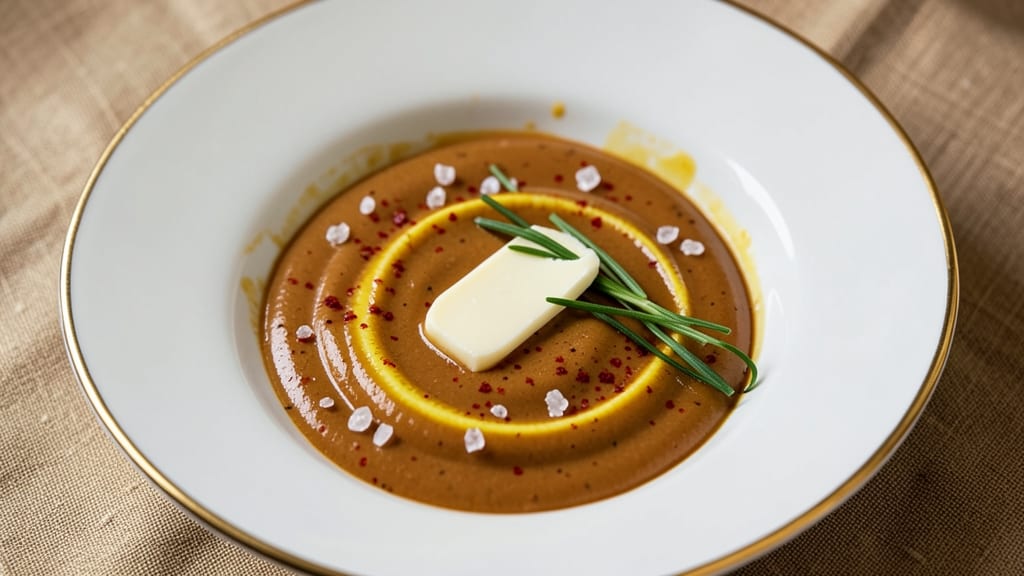
Mastering hollandaise sauce transforms breakfast into a gourmet experience with its velvety texture and bright lemon notes. After years of perfecting the emulsion technique in my test kitchen, I’ve developed a method that delivers foolproof results every time—no broken sauces or grainy textures.
The key lies in precise heat control and gradual butter incorporation, turning simple ingredients into something restaurant-worthy.
What sets this recipe apart is its balance—rich, buttery depth from egg yolks meets tangy acidity from lemon juice, creating that signature silky finish. Unlike store-bought versions, this hollandaise builds flavor as it cooks, with a touch of cayenne for subtle heat.
It’s the perfect sauce for eggs Benedict, asparagus, or even grilled fish, where its luxurious texture elevates any dish.
The process is simpler than it seems, requiring just five ingredients and 10 minutes of active time. You’ll start with a gentle infusion of yolks and lemon, then whisk in melted butter until the sauce achieves that signature shine.
The secret? Patience—adding butter too quickly ruins the emulsion, but with this method, you’ll get it right the first time.
For those who love tradition, this classic hollandaise delivers. But feel free to experiment with variations like tarragon or chives for herb-infused twists. Once you try homemade, you’ll never go back to the bottled kind. Let’s get started!
Ingredients for hollandaise sauce
Five ingredients transform into velvety hollandaise—rich, tangy, and restaurant-worthy.
| Ingredient | Amount | Notes |
|---|---|---|
| Large Egg Yolks 🥚 | 4 whole | Fresh, separated from whites |
| Unsalted Butter 🧈 | 1 cup | Cold, cut into small cubes |
| Fresh Lemon Juice 🍋 | 2 tbsp | From 1/2 lemon, freshly squeezed |
| Distilled White Vinegar 💧 | 1 tsp | For acid balance |
| Cayenne Pepper 🌶️ | ⅛ tsp | Pinch for subtle heat |
| Diamond Crystal Kosher Salt 🧂 | ¼ tsp | Fine grain preferred |
| Extra-Virgin Olive Oil 🫒 | 1 tbsp | For double boiler setup |
The yolks are non-negotiable—fresh, room-temperature eggs work best, so pull them out 10 minutes before starting. Trader Joe's and Whole Foods carry organic pastured eggs that add extra richness. The butter? Plugrá or Land O'Lakes unsalted melt beautifully—avoid salted at all costs. For the lemon, Meyer lemons add sweetness, but regular lemons work too. The vinegar acts as an acid stabilizer, so don't skip it even if you're using bottled lemon juice (which I don't recommend—fresh is everything).
No extra yolks? Add 1 tbsp water per missing yolk to compensate for the emulsion. Out of vinegar? White wine or apple cider vinegar work in a pinch. The cayenne is optional but adds that classic restaurant touch—start with 1/8 tsp if you're sensitive to heat. Butter too hard to cut? Microwave 20 seconds to soften before cubing. For a tarragon twist, add 1 tsp chopped fresh tarragon at the end—just stir it in gently.
This sauce breaks fast. Keep it warm in a double boiler or insulated container, and whisk in 1 tbsp hot water if it thickens too much. Reheats beautifully—just thin with a splash of warm water. For leftovers, store in an airtight container with a thin layer of plastic wrap pressed on top to prevent skin. Good for 2 days in the fridge, but honestly, it's so good you'll use it all up.
Why You'll Love This Recipe
- Five-Minute Whisk: I swear, this sauce comes together faster than I can boil water. Just yolks, butter, and a splash of vinegar—no tempering stress like I used to fear.
- Butter-Lemon Magic: That bright, tangy lemon cutting through rich butter? It’s the kind of balance that makes eggs Benedict feel like a celebration, not just brunch.
- Brunch to Bistro: Drizzle it over asparagus, toss it with shrimp, or let it melt onto grilled fish—it’s my go-to for anything that needs a luxurious upgrade. (Yes, even on a Tuesday night.)
- No Waste, All Win: Leftover sauce? Just reheat gently with a splash of warm water—no curdling, no guilt. And honestly, the vinegar and cayenne keep costs low while packing serious flavor.
Step-by-step instructions for hollandaise sauce
This method delivers a velvety, lemon-kissed hollandaise every time—no curdling, no stress.
Prepare the Double Boiler Setup
Place a heatproof bowl over a saucepan of simmering water, ensuring the bottom of the bowl doesn't touch the water. This indirect heat keeps the yolks warm without scrambling them. The water should maintain a gentle simmer—not a full boil—so the bowl stays steady. I like to use a slotted spoon to add the cold cubed butter later, keeping my hands free to whisk continuously.
In the bowl, whisk together the 4 whole large egg yolks, 2 tablespoons fresh lemon juice, 1 teaspoon distilled white vinegar, 0.125 teaspoon cayenne pepper, and 0.25 teaspoon diamond crystal kosher salt. The mixture should look pale yellow and slightly thickened. This acid-base balance is what prevents curdling later. Let the bowl sit over the simmering water for 1-2 minutes to warm the yolks gently before adding the butter.
Gradually Incorporate the Cold Butter
Cut the 1 cup unsalted butter into small, even cubes—about ½-inch each. This size ensures the butter melts smoothly without overwhelming the yolks. Start adding the butter cubes one at a time, whisking vigorously after each addition. The key here is patience: if you add too much butter at once, the emulsion will break.
Whisk continuously for 2-3 minutes after each cube until the mixture begins to thicken and coat the back of a spoon. You'll notice the sauce transform from a thin, runny consistency to a glossy, ribbon-like texture. This is when the emulsion forms properly. If the sauce looks too thick, add 1 teaspoon hot water to loosen it slightly—just enough to create a pourable consistency.
Finish with Olive Oil and Adjust Seasoning
Once all the butter is incorporated and the sauce is smooth, remove the bowl from the heat. Stir in the 1 tablespoon extra-virgin olive oil—this adds stability to the emulsion and a subtle depth of flavor. The sauce should now be thick but still pourable, with a velvety sheen. If it's too thin, place the bowl back over the simmering water for 30-60 seconds to reduce slightly.
Taste and adjust the seasoning: add more lemon juice for brightness, salt for depth, or cayenne pepper for a hint of heat. The sauce should balance rich butter with tangy acidity. If it curdles at any point, don’t panic—simply whisk in 1 teaspoon hot water to reset the emulsion. Serve immediately over poached eggs, asparagus, or your favorite hollandaise-friendly dish.
Pro Tips For Making Hollandaise Sauce
- Whisk Like Your Life Depends On It: I learned this the hard way—hollandaise breaks when you’re lazy with the whisk. Use a hand whisk (not a fork) and keep it moving in tight, fast circles over the double boiler. The goal is to create a vortex that pulls in the heat evenly, not just stir the sauce like soup. If you stop for even 10 seconds, you risk scrambling the yolks.
- Butter Must Melt Slowly: Dump cold butter into the sauce like you’re in a hurry, and you’ll curdle it. Instead, cut the butter into tablespoon-sized pieces and add them one at a time, letting each melt completely before the next. If the sauce thickens too fast, just dip the bottom of the bowl in warm water for 5 seconds—it buys you time to fix it.
- Vinegar First, Lemon Last: Add the vinegar to the yolks before heating, but save the lemon juice for the end. The vinegar stabilizes the emulsion when it hits the heat, while fresh lemon brightens the sauce after everything’s emulsified. Skip this order, and you’ll end up with a sauce that’s either too sharp or too bland.
- Keep the Heat Low and Steady: No, that “gentle simmer” isn’t just chef-speak—it’s non-negotiable. If the water in the double boiler boils, the heat will cook the yolks unevenly and turn your sauce grainy. Keep the water at a barely-there simmer, and if you’re using a stovetop, a small burner (or the back of the stove) works best. Trust me, your sauce will thank you.
Creative variations of these flavors
Herb-Infused Twists
Fresh herbs elevate hollandaise from classic to extraordinary. I love adding 1 tablespoon finely chopped fresh tarragon or chives at the very end—just stir them in gently so they don’t overpower.
For a Mediterranean touch, blend in ½ teaspoon dried oregano with the lemon juice before heating. The herbs should brighten the sauce without competing with its buttery richness. 🌿
Spicy Variations
For a kick, swap the cayenne for ½ teaspoon smoked paprika or a pinch of espelette pepper—both add warmth without overpowering. My favorite? A dash of hot honey (about 1 teaspoon) drizzled in at the end.
The sweet-spicy contrast transforms hollandaise into a dipping sauce for shrimp or grilled corn. Start small—you can always add more heat!
Vegetable-Based Adaptations
For a vegan version, replace yolks with ¼ cup aquafaba (chickpea brine) and melt ½ cup vegan butter into it. Add 1 tablespoon nutritional yeast for depth and whisk until emulsified.
The texture won’t be identical, but it’s a great plant-based alternative for asparagus or avocado toast. For extra stability, whisk in 1 teaspoon cornstarch with the aquafaba.
Global Fusion Ideas
Take hollandaise beyond brunch! In my test kitchen, we’ve experimented with a Japanese-inspired version by adding 1 teaspoon mirin and ½ teaspoon grated ginger to the lemon juice. For a French bistro twist, fold in 1 tablespoon crème fraîche at the end for a lighter, tangier sauce.
These variations keep the emulsion intact while introducing exciting new flavors.
Sweet Hollandaise
Yes, you can make hollandaise sweet! Replace the lemon juice with 2 tablespoons orange juice and add 1 teaspoon vanilla extract. This works beautifully over French toast or pancakes.
For extra richness, whisk in 1 tablespoon maple syrup at the end. The key is balancing the sweetness with a touch of acid—don’t skip the vinegar entirely.
Protein-Packed Boosts
For a heartier sauce, blend in 2 tablespoons cooked crab meat or smoked salmon flakes at the end. The protein adds body while keeping the sauce silky. I’ve also experimented with 1 tablespoon mashed white beans for a vegan-friendly twist.
These additions work best in sauces served over vegetables or grains where extra texture is welcome. 🍽️
Nutrition facts
Frequently asked questions
Why does my hollandaise sauce break or get grainy?
Most common causes are adding butter too quickly or overheating the yolks. Always whisk constantly and add 1 cube of butter at a time—never all at once. Keep the heat at a gentle simmer (never boiling) and remove the bowl from heat if the sauce starts to thicken too fast. A broken sauce can often be saved by whisking in 1 teaspoon hot water to reset the emulsion.
Can I make hollandaise sauce without a double boiler?
Use a heatproof bowl over a pot of barely simmering water, ensuring the bottom doesn't touch. For extra safety, place a thin towel between the bowl and pot to prevent direct contact. Alternatively, use a microwave-safe bowl in 10-second bursts on low power while whisking vigorously between each interval. The key is gentle, indirect heat.
How do I store leftover hollandaise sauce?
Transfer to an airtight container and press plastic wrap directly on the surface to prevent a skin from forming. It keeps well in the fridge for 2 days. To reheat, gently warm over a double boiler while whisking in 1 teaspoon hot water to restore consistency. Never microwave—it'll break the emulsion. For longer storage, freeze in ice cube trays (thaw in the fridge overnight).
What can I substitute if I don't have fresh lemon juice?
Use 2 tablespoons bottled lemon juice (but fresh is always better) or 1 tablespoon white wine vinegar mixed with 1 teaspoon sugar. For a tangy alternative, try 1 tablespoon apple cider vinegar—just remember these won't have the same bright citrus flavor. The vinegar in the recipe helps stabilize the emulsion, so don't skip it entirely.
What are the best dishes to serve with hollandaise sauce?
Classic pairings include eggs Benedict, grilled asparagus, or poached salmon. For weeknight meals, try it with roasted Brussels sprouts, avocado toast, or even grilled shrimp. The rich, buttery sauce also works beautifully over creamy mashed potatoes or as a dip for crispy fries. The key is balancing rich flavors—pair it with something acidic or green to cut through the richness.