
Sauces & Condiments
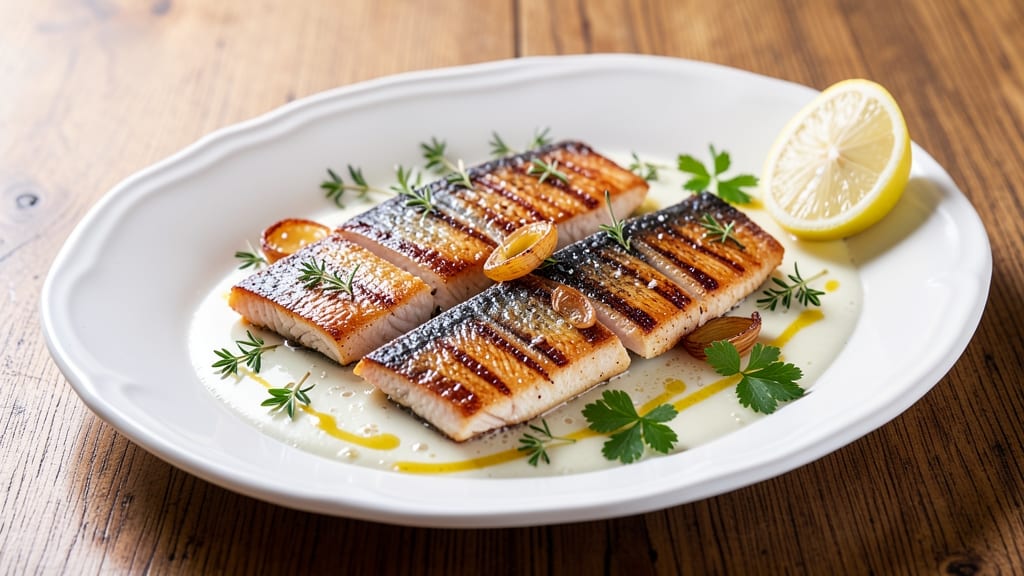
This herring in wine sauce recipe transforms simple fillets into a luxurious dish with just a few pantry staples and 30 minutes of hands-on time. The secret lies in the wine reduction—a velvety sauce infused with white wine, shallots, and fresh herbs—that elevates humble herring into something restaurant-worthy.
I developed this recipe after realizing how often rich fish dishes could be simplified without sacrificing depth of flavor, and the results speak for themselves.
The process begins with a quick pan-sear to create a golden crust on the herring, followed by a gentle simmer in the wine-infused sauce. This method ensures the fish remains tender while absorbing all those aromatic flavors.
What makes this recipe particularly impressive is how the sauce thickens naturally as it reduces, creating a glossy finish that clings beautifully to each delicate fillet. The herbs—thyme and parsley—add freshness that balances the wine's acidity, while a touch of Dijon mustard provides just enough tang.
By the time you plate this dish, you'll have perfectly cooked herring with a glossy, herby wine sauce that's rich yet not overpowering. The sauce's silky texture coats each bite, while the herring's natural sweetness shines through.
This recipe is ideal for special occasions or when you want to impress without spending hours in the kitchen. The best part? It reheats beautifully, making it perfect for meal prep or leftovers.
Serve with crusty bread to soak up every last drop of sauce, or pair with roasted potatoes and steamed vegetables for a complete meal. The wine sauce also works wonders with other white fish, so don't hesitate to experiment. Here's how to make it—simple, elegant, and full of flavor.
Ingredients for herring in wine sauce
Four fresh herring fillets and a handful of pantry staples transform into elegant wine-braised fish.
| Ingredient | Amount | Notes |
|---|---|---|
| Fresh Herring Fillets 🐟 | 4 pieces | Skin-on, about 6 oz each |
| Dry White Wine 🍷 | 1 cup | Sauvignon Blanc or Pinot Grigio |
| Shallots 🧅 | 3 whole | Minced, about 3 tbsp total |
| Fresh Thyme 🌿 | 1 tbsp | Leaves only, chopped |
| Fresh Parsley 🌿 | ¼ cup | Chopped, for garnish |
| Dijon Mustard 🍯 | 1 tsp | For tangy depth |
| Unsalted Butter 🧈 | 2 tbsp | Cold, for searing |
| Olive Oil 🫒 | 1 tbsp | For initial searing |
| Heavy Cream 🥛 | ¼ cup | For sauce richness |
| Lemon Juice 🍋 | 1 tbsp | Freshly squeezed |
| Salt 🧂 | 1 tsp | Kosher or sea salt |
| Black Pepper 🌶️ | ½ tsp | Freshly ground |
| All-Purpose Flour 🌾 | ½ tbsp | For sauce thickening |
The herring fillets should be fresh and skin-on—ask your fishmonger for the freshest catch, ideally sold that day. Whole Foods or local seafood markets often have the best quality, but don't overlook the frozen section if fresh isn't available. For the wine, Sauvignon Blanc or Pinot Grigio work perfectly—they're crisp and won't overpower the delicate fish flavor. Shallots add subtle sweetness, so don't skip mincing them finely. Fresh thyme and parsley are ideal, but dried works at one-third the amount if you're in a pinch. The butter should be cold and unsalted—this ensures a proper sear without excess moisture.
No white wine? Substitute with fish stock or dry vermouth—both add depth without the alcohol. Fresh herbs unavailable? Dried thyme and parsley will work, but taste noticeably different. For a richer sauce, add 1 tbsp of crème fraîche at the end. The Dijon mustard is key—it balances the wine's acidity, so don't skip it. If you're using frozen herring, thaw it in the fridge overnight for even cooking. The flour is just for thickening, so measure it carefully to avoid a gluey sauce. For extra brightness, zest a little lemon peel into the sauce at the end.
This dish reheats beautifully—simply warm the sauce gently and add the herring back in. Store leftovers in an airtight container in the fridge for up to 2 days. The sauce freezes well for 1 month if separated from the fish. For meal prep, portion the sauce into ice cube trays, then transfer to a freezer bag. The herring itself is best eaten fresh, but you can reheat it gently in the sauce for 1 day. Serve with crusty bread to soak up every last drop of that velvety wine sauce—it's worth the extra minute to make it.
Why You'll Love This Recipe
- Wine in Minutes: The sauce practically makes itself while you slice shallots—just simmer, reduce, and let that white wine work its magic. No fancy techniques, just a pan, a timer, and a glass of the same wine you’re cooking with (because why not?).
- Herb-Forward Umami Bomb: That thyme and parsley brighten up the herring in a way that’s fresh but never overpowering. Honestly, the balance of crisp wine acidity and herring’s natural richness? It’s the kind of flavor that lingers without trying too hard.
- Leftovers That Lie: Turns out, herring reheats like a dream in this sauce—warm it gently, and it’s just as good the next day. (Yes, even on a Tuesday night.) I’ve packed lunches with it, served it cold over salad, and no one’s ever complained.
- Budget-Friendly Luxury: Fresh herring is cheaper than you’d think, and a bottle of wine doubles as both ingredient and reward. Between us, this is my go-to when I want to feel fancy without breaking the bank—or pretending I didn’t just buy the fish from the discount bin.
Step-by-step instructions for herring in wine sauce
This method delivers tender herring fillets with a velvety wine sauce that balances acidity and richness perfectly.
Sear the Herring Fillets
Heat the 1 tablespoon olive oil in a large skillet over medium-high heat until shimmering. Add the 4 pieces fresh herring fillets, skin-side down, and cook for 2-3 minutes until the skin is golden brown and crisp. The flesh should just begin to turn opaque at the edges.
Here's the thing—don't press down on the fillets. The weight will make them cook unevenly. Instead, let them develop that beautiful crust naturally. Once the skin is crispy, carefully flip each fillet and cook for another 1-2 minutes until the flesh is just cooked through. Remove the fillets and set them aside on a warm plate, skin-side up.
Build the Wine Sauce Base
Reduce the heat to medium and add the 2 tablespoons unsalted butter to the same skillet. Let it melt completely, then add the 3 whole shallots that you've minced. Cook for 3-4 minutes until the shallots are soft and translucent, stirring occasionally to prevent burning.
Next, add the 1 tablespoon fresh thyme and 1 teaspoon Dijon mustard. Stir for 30 seconds to allow the thyme to release its aroma. This is where the sauce starts to develop its complex flavor profile. Pour in the 1 cup dry white wine, scraping up any browned bits from the bottom of the pan with a wooden spoon.
Simmer and Thicken the Sauce
Bring the wine mixture to a gentle simmer and let it reduce by half, which should take about 4-5 minutes. You'll notice the sauce becoming more concentrated and aromatic. Once reduced, stir in the 0.5 tablespoon all-purpose flour and cook for another 1 minute to cook off the raw flour taste.
Slowly pour in the 0.25 cup heavy cream while stirring constantly to prevent curdling. Add the 1 tablespoon lemon juice and season with the 1 teaspoon salt and 0.5 teaspoon black pepper. Let the sauce simmer gently for 2-3 minutes until it thickens slightly and coats the back of a spoon. The sauce should be smooth and glossy, with a perfect balance of acidity and richness.
Finish and Serve
Return the herring fillets to the skillet, spooning the sauce over them. Let them simmer gently for 1-2 minutes to absorb the sauce flavors. The fillets should be fully heated through, with the sauce clinging beautifully to the skin and flesh.
To serve, transfer the herring to a warm platter and ladle the sauce over the top. Garnish with the 0.25 cup fresh parsley that you've chopped. The parsley adds a fresh contrast to the rich sauce and herring. Serve immediately with crusty bread or over a bed of steamed vegetables for a complete meal.
Pro Tips For Making Herring In Wine Sauce
- Sear the Herring First: Hit the fillets with a quick sear in a hot pan—just 30 seconds per side—before adding the wine. This locks in moisture and builds flavor faster than poaching alone. I used to skip this, and the herring always ended up dry and bland.
- Use Shallot Oil: Sauté the minced shallots in butter until they’re golden, then strain out the bits. That infused oil is the base of your sauce—it carries the flavor better than raw shallots ever could. (Yes, it’s extra work, but your sauce will taste like it came from a bistro.)
- Don’t Boil the Wine: The moment the wine hits the pan, turn the heat to medium-low. Let it simmer gently for 5 minutes to cook off the alcohol without reducing it into a gluey mess. I learned this after turning my sauce into a sad, thick paste—twice.
- Finish with Cold Butter: Swirl in 1 tablespoon of cold butter at the end—it brightens the sauce and cuts through the acidity of the wine. (Skip the warm butter, or you’ll just melt it into oblivion.) This is the thing that makes the dish feel restaurant-worthy.
Serving suggestions for herring in wine sauce
Crusty Bread Pairing
Nothing complements this dish better than a warm, crusty baguette or sourdough loaf. The herring in wine sauce soaks into the bread like a dream, making every bite feel indulgent.
I recommend toasting slices with garlic butter—just mix 2 tbsp softened butter with ½ tsp minced garlic—for an extra layer of flavor. For a more rustic touch, try a brioche roll from your local bakery. 🥖
Roasted Potatoes
Creamy roasted potatoes add heartiness to this elegant dish while balancing the wine sauce's acidity. Toss 1.5 lbs baby potatoes with 2 tbsp olive oil, 1 tsp salt, and ½ tsp black pepper, then roast at 400°F for 30-35 minutes until golden and tender.
For extra richness, finish with 1 tbsp melted butter and a sprinkle of fresh rosemary.
Steamed Greens
Bright, steamed greens cut through the richness of the herring and wine sauce beautifully. I love haricots verts or asparagus spears—simply steam for 4-5 minutes until tender-crisp. Finish with a squeeze of lemon juice and a pinch of flaky sea salt to enhance their natural sweetness.
For a heartier option, try sautéed spinach with garlic and olive oil.
Wine Sauce Leftovers
Save any leftover wine sauce for quick meals—it reheats beautifully! Use it to drizzle over grilled salmon, pan-seared scallops, or even pasta. I also love spooning it over mashed potatoes for a luxurious touch.
Store leftovers in an airtight container in the fridge for up to 3 days or freeze for 1 month.
Garnish Ideas
Elevate the dish with fresh garnishes that add texture and color. A sprinkle of toasted breadcrumbs (toasted in 1 tbsp butter for 2 minutes) adds crunch.
For brightness, try thin lemon slices or edible flowers like nasturtiums. A final drizzle of truffle oil (just ½ tsp) takes it to gourmet level. 🌸
Meal Prep Tips
Prep components ahead to save time on serving day. Cook the herring and sauce separately, then reheat gently before combining. Store the sauce in a jar and the herring in an airtight container.
For a quick assembly, warm the sauce in a saucepan over low heat for 3-4 minutes**, then add the herring to reheat through. Serve with prepped sides like roasted potatoes or steamed greens for a stress-free meal. ⏰
Nutrition facts
Frequently asked questions
Can I substitute fresh herring with smoked herring?
Yes, but the texture and flavor will differ. Smoked herring works best for a heartier dish—simmer it in the wine sauce for 5-7 minutes until heated through. For a more delicate flavor, use fresh herring fillets as they absorb the sauce better. If using smoked, reduce the cooking time by half to avoid overcooking.
What white wine works best for this recipe?
Look for a crisp, dry white wine like Sauvignon Blanc or Pinot Grigio. These wines have enough acidity to balance the richness of the butter and cream. Avoid sweet wines—they'll make the sauce taste cloying. If you don't have white wine, use fish stock or dry vermouth for depth.
Why did my sauce turn out too thin?
Sauce thickness depends on proper reduction and flour. Simmer the wine until it reduces by half (4-5 minutes), then stir in the flour to thicken. If it's still too thin, mix 1 tsp cornstarch with 1 tbsp cold water and stir it in while heating. For best results, cook the sauce on medium-low heat to prevent curdling.
Can I make this recipe ahead of time?
Cook the herring and sauce separately, then store them in airtight containers. Reheat the sauce gently (low heat for 3-4 minutes) and add the herring back in to warm through. The sauce keeps for 3 days in the fridge or 1 month frozen. For best texture, serve within 2 days of cooking.
What other fish works well with this wine sauce?
This sauce pairs beautifully with delicate white fish like cod, halibut, or sole. For a richer option, try salmon or sea bass. The wine and herbs complement their mild flavors perfectly. Adjust cooking times based on fish thickness—thicker cuts need 1-2 extra minutes in the sauce.