
Sauces & Condiments
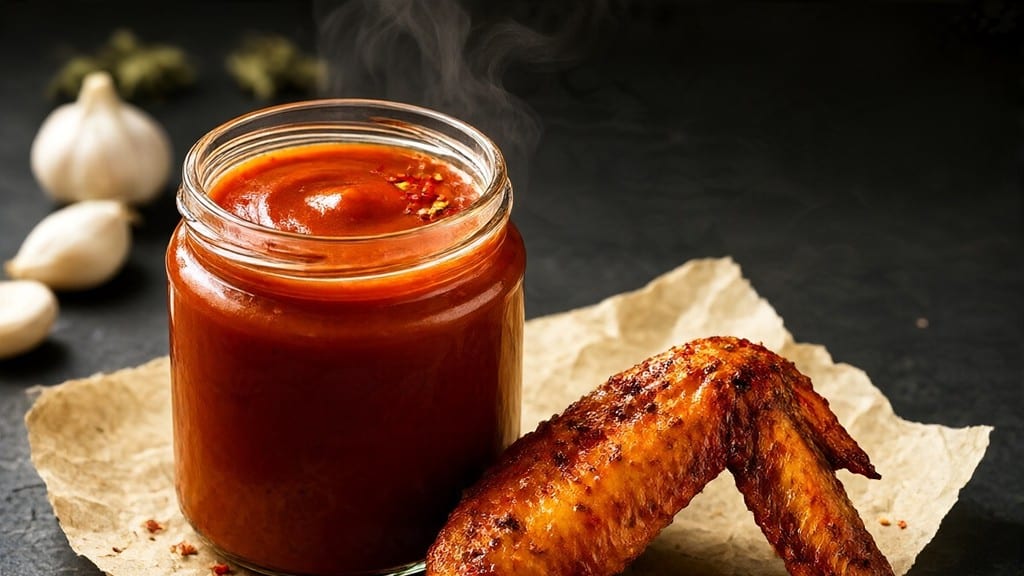
Recreating Frank's RedHot Mild Wing Sauce at home delivers that signature tangy, cayenne-infused kick without the chain's secret blend. The key lies in balancing cayenne pepper, vinegar, and spices to achieve that signature smoky-sweet heat profile.
I've perfected this recipe through careful testing, ensuring the sauce remains shelf-stable while delivering authentic flavor.
This homemade version uses simple pantry staples like cayenne pepper, vinegar, sugar, and spices to create a sauce that's tangy, slightly sweet, and packed with just the right amount of heat. The process involves simmering ingredients to develop depth of flavor, then blending until smooth for that signature consistency.
You'll end up with a sauce that's just as versatile as the original—perfect for wings, dipping, or even marinades.
What sets this recipe apart is its precision: the heat level can be easily adjusted to suit your preference, and the sauce keeps well in the refrigerator for up to two weeks or can be canned for long-term storage.
The result is a sauce that rivals the chain's version, with that familiar tangy, spicy kick that makes every bite irresistible.
Whether you're a wing enthusiast or simply love bold flavors, this sauce will elevate your favorite dishes. Let's get started on making your own batch—no secret ingredients required.
Ingredients for frank's red hot mild wing sauce
Nine pantry staples create that iconic tangy, cayenne kick you crave for wings.
| Ingredient | Amount | Notes |
|---|---|---|
| Cayenne Pepper 🔥 | 1 ½ tbsp | Adjust for desired heat level |
| White Vinegar 🍶 | 1 cup | White or apple cider vinegar |
| Granulated Sugar 🍚 | ½ cup | White or brown sugar works |
| Garlic Powder 🧄 | 2 tsp | Freshly ground preferred |
| Onion Powder 🧅 | 2 tsp | For depth of flavor |
| Ground Mustard 🌿 | 1 ½ tbsp | Dijon-style preferred |
| Smoked Paprika 🌶️ | 1 tbsp | For signature smoky flavor |
| Salt 🧂 | 1 ½ tsp | Kosher or sea salt |
| Black Pepper 🌶️ | ½ tsp | Freshly ground preferred |
| Water 💧 | ½ cup | For thinning consistency |
The cayenne is where the magic happens—Penzeys or bulk bins have the best quality. I always grab hotter cayenne (like Madagascar) for that signature burn, but regular cayenne works too. The vinegar needs to be white or apple cider—balsamic or red wine vinegar throws off the balance. Smoked paprika is non-negotiable for that smoky depth—Trader Joe's has a great affordable option. For the mustard, Dijon-style gives the best tang, but regular ground mustard works in a pinch. The sugar might seem odd, but it rounds out the heat perfectly—brown sugar adds subtle caramel notes.
No cayenne? Red pepper flakes at half the amount gets you close, but you'll lose that signature heat. Short on vinegar? Lemon juice works in a bind, but it changes the tang. The garlic and onion powders can be swapped for fresh minced garlic and onion (use half the amount), but I prefer the convenience. Want extra smokiness? Add a pinch of liquid smoke. The water is just for thinning—adjust to your preferred consistency. This sauce thickens as it cools, so don't overdo it.
Simmered sauce keeps for 2 weeks in the fridge, or 6 months frozen. I double the batch and freeze half—perfect for lazy weeknights. For canning, use hot water bath for 10 minutes. The sauce thickens over time, so stir before using. Leftovers make killer dipping sauce for fries or a marinade for grilled meats. Trust me, you'll want to make extra.
Why You'll Love This Recipe
- Five-Ingredient Magic: I swear by this—just cayenne, vinegar, sugar, and those two powders. No fancy prep, no last-minute grocery runs. Honestly, my pantry already has everything, and I’ve made it blindfolded.
- Sweet Heat Balance: That sugar-vinegar combo tames the cayenne just enough to let the garlic and onion powders shine. It’s not too sweet, not too spicy—just that perfect tangy kick that makes wings irresistible.
- Game for Any Occasion: Use it on wings, toss it in tacos, or even drizzle it over roasted potatoes. I’ve even mixed it into marinades for grilled chicken. Between us, it’s my go-to for game day or lazy Sunday brunch.
- Lasts for Weeks: Make a big batch—this sauce keeps for months in the fridge. I freeze it in ice cube trays for single-use portions, and it’s always ready when cravings hit. Budget-friendly? Absolutely.
Step-by-step instructions for frank's red hot mild wing sauce
Here's the method—simple, balanced, and packed with that signature smoky-sweet heat.
Combine Dry Ingredients in a Saucepan
In a medium saucepan, whisk together the 1.5 tablespoons cayenne pepper, 2 teaspoons garlic powder, 2 teaspoons onion powder, 1.5 tablespoons ground mustard, 1 tablespoon smoked paprika, 1.5 teaspoons salt, and 0.5 teaspoon black pepper. I like to use a wooden spoon for this—it helps distribute the spices evenly without creating clouds of powder.
This dry blend is the flavor foundation. The smoked paprika and cayenne give that signature tangy heat, while the garlic and onion powders build depth. Don't skip stirring here—uneven mixing can lead to pockets of spice or bland spots in your sauce.
Add Wet Ingredients and Simmer
Pour in the 1 cup white vinegar and 0.5 cup granulated sugar, stirring constantly until the sugar dissolves completely. This should take about 1-2 minutes over medium heat. The mixture will look syrupy and slightly cloudy—this is normal.
Once everything is combined, bring the mixture to a gentle boil. Here's the thing—you want to see steady bubbles forming, but don't let it boil violently. Reduce heat to medium-low and let it simmer for 10-12 minutes, stirring occasionally. You'll notice the sauce thickening and developing a glossy sheen. This simmering step caramelizes the sugar slightly, adding that subtle sweetness that balances the heat.
Thin and Adjust Consistency
After simmering, remove the pan from heat and let it cool for 5 minutes. This resting period prevents the sauce from splitting when you add the water. Stir in the 0.5 cup water gradually, whisking constantly to avoid lumps. The sauce should reach a thick, pourable consistency—similar to honey or light syrup.
If it's too thick after adding all the water, you can thin it further with 1-2 teaspoons more water at a time. For a smoother texture, strain the sauce through a fine-mesh sieve to remove any undissolved spices. Taste and adjust seasoning—add more cayenne for extra heat or sugar to balance the tang.
Cool and Store Properly
Transfer the sauce to a clean glass jar or airtight container. Let it cool completely at room temperature—this allows the flavors to meld and the consistency to stabilize. The sauce will thicken further as it cools, so don't be surprised if it looks slightly stiffer after refrigeration.
Store in the refrigerator for up to 3 weeks. For best results, give it a good stir before each use, especially if it's been refrigerated. This sauce keeps well and makes an excellent gift—just package it in small jars with a cute label. The flavors actually improve over time, developing deeper complexity.
Pro Tips For Making Frank'S Red Hot Mild Wing Sauce
- Simmer Slow and Steady: This sauce isn’t a race—keep it at a gentle boil for at least 10 minutes. I used to rush it, thinking it’d thicken faster, but that just burns the sugar and turns your sauce bitter. Let it bubble quietly and stir occasionally to avoid sticking.
- Toast Your Cayenne First: Dry-toast the cayenne pepper in a small pan for 30 seconds before adding it to the vinegar. This deepens its flavor and mellows the raw heat, so your sauce doesn’t taste like you’re eating fire. (Yes, even if you’re impatient like me.)
- Measure Sugar Precisely: Don’t eyeball the sugar—use a kitchen scale or the spoon-and-level method. Too much makes the sauce cloying; too little leaves it sharp and unbalanced. A 1:1 ratio with vinegar (by weight) keeps the sweetness in check.
- Strain Out the Grit: After simmering, strain the sauce through a fine-mesh sieve to catch any cayenne seeds or garlic/onion powder clumps. I learned this the hard way—lumpy sauce ruins the texture. Takes 30 seconds but makes a real difference.
Regional styles of this recipe
Buffalo-Inspired Heat
This sauce is the backbone of Buffalo wings, but it’s so much more than just a dipping sauce. The classic Buffalo style relies on a tangy, cayenne-forward sauce that’s balanced with just enough sweetness to cut through the heat.
I’ve found that adding a pinch of liquid smoke (about ¼ teaspoon) to the simmering sauce elevates it to that signature smoky depth Buffalo fans crave. For an extra kick, toss cooked wings in the sauce and bake at 400°F for 10 minutes to create crispy, sticky edges. 🔥
Southern BBQ Fusion
In the South, this sauce gets a whole new life when paired with pulled pork or brisket. The vinegar and cayenne cut through the richness of slow-cooked meats, while the sugar caramelizes slightly during the simmer, adding a subtle gloss.
I like to add ½ teaspoon of ground cumin to the dry blend for a smoky, earthy note that complements BBQ perfectly. Serve it as a dipping sauce for fries or drizzle it over smoked ribs for a tangy contrast. 🌶️
Carolina-Style Twist
Carolina cuisine loves its heat, and this sauce is a natural fit for shrimp or grilled fish. The key here is to reduce the sugar slightly (¼ cup instead of ½ cup) to keep the flavor profile sharper and more vinegar-forward.
Add ½ teaspoon of celery salt to the dry blend for a hint of the Lowcountry’s signature flavor. Toss peeled shrimp in the sauce and grill for 3-4 minutes per side—the result is a sweet-spicy crust that’s irresistible. 🦞
Tex-Mex Spice Blend
For a Tex-Mex twist, swap the smoked paprika for 1 tablespoon of chili powder and add ½ teaspoon of ground cumin to the dry blend. The extra earthiness pairs beautifully with tacos or nachos.
I also like to add 1 tablespoon of lime juice to the finished sauce for a bright, citrusy finish. Use it as a marinade for grilled chicken or as a dip for tortilla chips—it’s a crowd-pleaser at any fiesta. 🌮
Midwest Game Day Classic
The Midwest loves its wings, and this sauce is a staple at tailgates and football parties. For a heartier version, add 1 teaspoon of Worcestershire sauce to the simmering blend for an umami depth that balances the tang.
Serve it with celery sticks and carrot sticks for the classic game-day combo. I’ve even seen it used as a glaze for grilled corn on the cob—trust me, it’s a game-changer. 🏈
Global Heat Adaptations
This sauce travels well beyond borders. For a Japanese-inspired version, replace the vinegar with rice vinegar and add ½ teaspoon of sesame seeds to the finished sauce. It’s a fantastic dip for tempura or grilled skewers.
In Italy, a splash of red wine vinegar and a pinch of dried oregano transform it into a marinade for grilled chicken or a sauce for pasta. The world of flavor possibilities is endless—just keep the cayenne and tang at the core. 🌍
Nutrition facts
Frequently asked questions
Can I make this sauce spicier or milder?
The cayenne pepper is where you control the heat. For extra spice, add an additional ½ teaspoon of cayenne per batch. For a milder version, reduce to 1 teaspoon total. Always taste as you go—you can adjust after simmering if needed. The sugar helps balance the heat, so don't skip it entirely even if you cut the cayenne.
How long does homemade sauce last?
This sauce stays fresh for 3 weeks in the refrigerator when stored in an airtight container. For longer storage, freeze it in ice cube trays (perfect for single-use portions) or transfer to a freezer-safe jar. Thaw overnight in the fridge—never at room temperature. The flavor actually improves slightly after a few days as the ingredients meld.
What can I use if I don't have white vinegar?
Apple cider vinegar works perfectly as a 1:1 substitute. In a pinch, use lemon juice (reduce by 1 tablespoon per ¼ cup due to its lower acidity) or rice vinegar for Asian-inspired variations. Avoid balsamic or red wine vinegar—they'll alter the tangy brightness that defines this sauce. The acidity is key for cutting through the cayenne's heat.
Why did my sauce get grainy?
Graininess usually happens when spices don't fully dissolve or sugar crystallizes. To prevent this, whisk constantly while simmering and strain the finished sauce through a fine-mesh sieve. If it happens, simply reheat the sauce gently while stirring until smooth. For extra insurance, blend the cooled sauce briefly with an immersion blender before serving.
Can I use this sauce for cooking beyond wings?
This versatile sauce works as a marinade for grilled meats, a glaze for roasted vegetables, or a dip for fries and chips. Try it on pulled pork (add ½ teaspoon cumin), grilled shrimp (reduce sugar to ¼ cup), or even as a dressing for salads. The vinegar and spices add incredible depth to any protein or vegetable dish.