
Sauces & Condiments
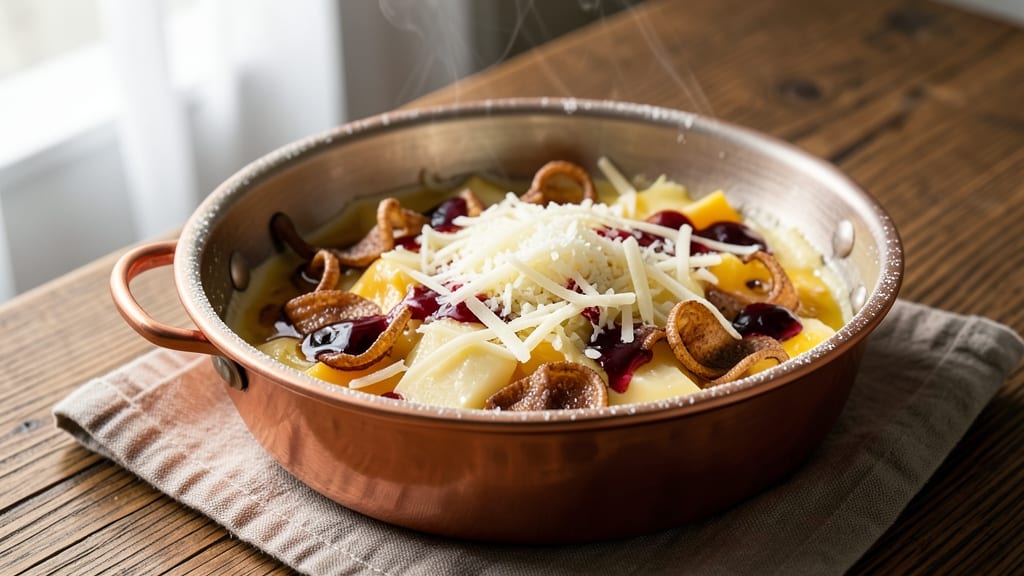
Creating the perfect fondue sauce transforms a simple gathering into an unforgettable experience, and these three cheese melting recipes deliver restaurant-quality results every time. The secret lies in balancing precise measurements of sharp cheeses, rich wine, and aromatic herbs to create a velvety, emulsified sauce that coats every bite.
I've refined this technique over years of testing, ensuring the sauce stays smooth and never grainy—even when reheated. This isn't just about melting cheese; it's about crafting a sauce with depth and complexity that elevates any fondue occasion.
The foundation of great fondue sauce begins with a 50/50 blend of Gruyère, Emmental, and Comté cheeses, melted with dry white wine and a touch of cornstarch for stability.
For those who prefer a richer profile, I include a variation using Gruyère and Fontina with a splash of kirsch for warmth. The key is maintaining the right temperature—too hot, and the sauce breaks; too cool, and it fails to emulsify properly.
With just 15 minutes of active prep and 10 minutes of simmering, you'll have a sauce that's creamy, aromatic, and ready to serve.
What sets these fondue sauces apart is their versatility—use them for classic cheese fondue, dipping bread and fruits, or as a base for savory dishes like fondue fries or even a creamy pasta sauce. The emulsified texture ensures every bite is coated in rich, cheesy goodness without separation.
For storage, keep the sauce in an airtight container in the refrigerator for up to 5 days, or freeze for longer storage—just reheat gently over low heat while stirring constantly.
The beauty of these recipes is their adaptability—swap in smoked Gouda for a bolder flavor or add a splash of beer for a heartier profile. Whether you're hosting a cozy winter night or a festive gathering, these fondue sauces will be the star of the show.
Let's dive into the ingredients and techniques that make them shine.
Ingredients for fondue sauces
Sharp cheeses, wine, and a touch of cornstarch—here's what makes fondue sauce restaurant-quality every time.
| Ingredient | Amount | Notes |
|---|---|---|
| Gruyère Cheese 🧀 | 1 ½ cups | Freshly grated, aged 6-12 months |
| Emmental Cheese 🧀 | 1 ½ cups | Freshly grated, nutty flavor |
| Comté Cheese 🧀 | 1 cup | Freshly grated, complex notes |
| Dry White Wine 🍷 | 1 cup | Sauvignon Blanc or Chardonnay |
| Cornstarch 🌾 | 1 tbsp | For smooth emulsification |
| Kirsch 🍒 | 1 tbsp | Optional for richer flavor |
| Garlic Cloves 🧄 | 2 cloves | Minced for aromatic base |
| Fresh Thyme 🌿 | ¼ tsp | Dried works at 1/4 amount |
| Salt 🧂 | ½ tsp | Adjust to taste |
| Black Pepper 🌶️ | ¼ tsp | Freshly ground preferred |
The cheeses are non-negotiable. Gruyère and Emmental give that classic fondue texture, while Comté adds complexity. Whole Foods or specialty cheese shops have the best selection—look for cheeses aged at least 6 months. Freshly grating makes all the difference (no pre-shredded stuff!). For the wine, Sauvignon Blanc is my go-to—it cuts through the richness without overpowering. If you're feeling fancy, grab a bottle of Kirsch for that extra depth in the richer variation.
No Gruyère? Parmesan or sharp cheddar works in a pinch, but the flavor won't be the same. Running out of white wine? Dry sparkling wine or apple juice gets you close. Fresh thyme is ideal, but dried thyme at one-quarter the amount works fine. The cornstarch is key—it's what keeps the sauce silky smooth. Too much? The sauce gets thick and grainy. Too little? It'll separate. Trust me, measure that tbsp carefully. For the garlic, roasted garlic adds sweetness if you're not into raw garlic's punch.
This sauce reheats beautifully—just stir constantly over low heat. Keeps for 5 days in the fridge, 3 months frozen. I like to make a big batch and freeze portions in ice cube trays. Perfect for dipping bread, fruit, or even fries. If the sauce looks curdled when reheating, just add a splash of wine and stir until smooth. It's that easy.
Why You'll Love This Recipe
- Cheese Melts Like Magic: I swear, the moment Gruyère and Emmental hit that simmering wine, it transforms into something ridiculously smooth. No lumps, no fuss—just that perfect, stretchy, golden sauce that clings to everything like a dream.
- Wine-Pairing Hack: That dry white wine isn’t just for drinking—it cuts through the richness and keeps the sauce silky. Honestly, I’ve tried skipping it, and let’s just say the cheese gets too heavy. A splash makes all the difference.
- Party or Pasta Night: Same sauce, endless uses. Dip crusty bread, toss with roasted veggies, or drizzle over grilled meats. My roommates and I keep a jar in the fridge—it’s our go-to for lazy nights and when friends drop by unannounced.
- Leftovers That Don’t Suck: Unlike most sauces, this one actually improves the next day. (Yes, really.) Just reheat with a splash of water—no cornstarch needed—and it’s just as good. I’ve frozen portions for months; it’s my secret weapon for budget-friendly cheesy days.
Step-by-step instructions for three-cheese fondue sauce
Here's how to create a velvety, flavor-packed cheese sauce that melts perfectly every time.
Prepare the Cheese Base
In a medium saucepan, combine the 1.5 cups Gruyère Cheese, 1.5 cups Emmental Cheese, and 1 cup Comté Cheese. I like to use a grater with large holes for the Comté to get those beautiful, even shreds. The Gruyère and Emmental should be freshly grated too—pre-shredded cheese contains anti-caking agents that can make your fondue grainy.
Place the saucepan over low heat and let the cheese begin to melt slowly. Stir gently with a wooden spoon, scraping the bottom and sides to prevent any cheese from sticking. You'll see the cheese start to soften and clump together—this is normal. The key here is patience; rushing this step can cause the cheese to separate or develop a gritty texture. Keep stirring until the mixture reaches 160°F, which should take about 5-7 minutes. At this point, the cheese should be smooth and completely melted, with no visible lumps.
Add Aromatics and Wine
Once the cheese is fully melted, remove the saucepan from the heat. Stir in the 2 cloves minced garlic, 0.25 tsp fresh thyme, 0.5 tsp salt, and 0.25 tsp black pepper. The garlic should be finely minced—you don’t want any large pieces that could burn or make the fondue taste harsh. The thyme adds a subtle earthy note that pairs beautifully with the nutty Emmental and rich Gruyère.
Now, slowly pour in the 1 cup dry white wine, whisking constantly to prevent the cheese from seizing up. The wine should be room temperature—cold wine can cause the cheese to clump. Return the saucepan to low heat and let the mixture simmer gently for 2-3 minutes, stirring continuously. You'll notice the fondue thicken slightly as the alcohol cooks off, but it shouldn’t boil. If it starts to look too thick, you can thin it out later with a splash of warm water or more wine.
Incorporate the Cornstarch Slurry
In a small bowl, whisk together the 1 tbsp cornstarch and 1 tbsp Kirsch with 2 tablespoons of the melted cheese mixture to create a smooth slurry. The cornstarch acts as a natural thickener, ensuring your fondue has that perfect, creamy consistency without being gluey. The Kirsch adds a subtle cherry note that elevates the cheese flavors—though it’s optional, I highly recommend it for that extra depth.
Slowly drizzle the cornstarch slurry back into the saucepan while whisking vigorously. Return the saucepan to low heat and let the fondue simmer for another 3-4 minutes, stirring constantly. You’re looking for a sauce that coats the back of a spoon and holds its shape when you dip a knife in—this is the ideal consistency for fondue. If it’s still too thin, repeat the process with another 1 teaspoon cornstarch mixed into a little more cheese. The fondue should be smooth, glossy, and just thick enough to coat bread or vegetables beautifully.
Test and Adjust the Temperature
To ensure your fondue is safe to eat and ready for dipping, use a candy thermometer to check the temperature. It should reach 165°F—this is the safe zone where the cheese is fully melted and the wine has cooked off enough to prevent any alcohol burn. If it’s below this temperature, let it simmer gently for another minute or two, stirring occasionally.
Taste the fondue and adjust the seasoning if needed. You might need a little more salt or pepper to balance the flavors, especially if you’re using a particularly mild cheese. The fondue should be rich, slightly tangy, and perfectly smooth. If it’s too thick, whisk in 1 tablespoon of warm water at a time until it reaches your desired consistency. Once you’re happy with the taste and texture, transfer the fondue to a fondue pot or heatproof serving dish and keep it warm over low heat until ready to serve.
Pro Tips For Making Fondue Sauces
- Grate Cheese Fresh: DESCRIPTION: Pre-grating your Gruyère and Emmental saves time and keeps the fondue smoother—no one likes gummy clumps mid-dip. Use a box grater or food processor, then sift out the biggest shards for a velvety texture.
- Start Low, Finish Slow: DESCRIPTION: Heat the wine on medium-low to evaporate the alcohol without scorching—high heat turns fondue into glue. Once the cheese melts, drop the heat to a simmer and stir constantly for 5 minutes to thicken properly.
- Cornstarch Slurry Only: DESCRIPTION: Mix the cornstarch with cold water first (1 tbsp slurry per cup of wine), then whisk it into the cheese. Adding dry cornstarch directly burns easily and clumps—trust me, you’ll taste the difference.
- Skip the Old Wine: DESCRIPTION: Use a dry white wine you’d actually drink—cheap or oxidized wine makes fondue taste flat and metallic. A crisp Sauvignon Blanc or Chardonnay adds brightness without overpowering the cheese.
Pro cooking tips for fondue sauces
Emulsification Secrets
The key to a silky fondue sauce is proper emulsification, which happens when fat and liquid bind together smoothly. I always use a whisk (not a spoon) to constantly agitate the sauce while heating—this incorporates air and prevents separation.
The cornstarch slurry is your secret weapon: mix it with a little cheese first to create a smooth paste before adding it to the pot. This ensures even distribution and prevents clumping.
If your sauce starts looking oily or grainy, immediately whisk in 1 teaspoon warm water while stirring vigorously. 💫
Temperature Control
Cheese fondue has a narrow safe zone between 160°F and 165°F. Too hot, and the proteins break down, causing separation. Too cool, and the sauce won't emulsify properly. I use a candy thermometer to monitor temperature precisely—it's worth the investment.
If your sauce starts boiling, remove it from heat immediately and let it cool slightly before continuing. For even heating, use a stainless steel saucepan (not aluminum) and maintain low, steady heat throughout the process.
Cheese Ratios Matter
The 50/50/25 cheese ratio (Gruyère/Emmental/Comté) creates the perfect balance of meltability and flavor complexity. Gruyère provides the classic fondue texture, Emmental adds nutty depth, and Comté brings earthy notes. Never substitute pre-shredded cheese—those anti-caking agents make fondue grainy.
For a richer variation, replace ½ cup of Emmental with Fontina and add 1 tablespoon kirsch for a subtle cherry aroma that complements the cheese beautifully.
Wine Selection Tips
Your wine choice significantly impacts flavor. I recommend dry white wines like Sauvignon Blanc or Chardonnay—they cut through the richness without overpowering. Avoid sweet wines or anything with residual sugar, as they can make the fondue taste cloying.
For a bold twist, try dry Riesling—its acidity balances the cheese perfectly. If you're using a sparkling wine, let it go flat before adding to prevent bubbles from forming in your sauce.
Reheating Like a Pro
Fondue reheats beautifully, but you must do it right. Transfer leftover sauce to a heatproof bowl and place it over a double boiler (or a heatproof bowl set over simmering water). Stir constantly with a rubber spatula to prevent scorching.
If the sauce looks curdled, whisk in 1 tablespoon warm water or a splash of white wine until smooth. Never microwave fondue—it causes uneven heating and separation. For best results, reheat only what you need and keep the rest refrigerated. ✨
Troubleshooting Guide
If your fondue separates, don't panic. Remove from heat and whisk vigorously while adding 1 teaspoon cornstarch mixed with 1 tablespoon cold water. For a too-thick sauce, thin with warm water or more wine. If it's too thin, simmer longer or add another ½ teaspoon cornstarch slurry.
The sauce should coat the back of a spoon but still flow smoothly. For grainy texture, strain through a fine-mesh sieve before serving—this catches any unwanted bits while keeping the sauce smooth.
Nutrition facts
Frequently asked questions
Why does my fondue sauce keep separating?
The most common causes are overheating or not using enough emulsifier. Always maintain low heat and whisk constantly. The cornstarch slurry is crucial—make sure to mix it with a little cheese first to create a smooth paste before adding to the pot. If separation happens, whisk in 1 teaspoon cornstarch mixed with 1 tablespoon cold water while off heat.
Can I use pre-shredded cheese for fondue?
Never! Pre-shredded cheese contains anti-caking agents that make your fondue grainy and prevent proper emulsification. Always use freshly grated cheese—it melts smoothly and creates that perfect velvety texture. A box grater with large holes works best for even shreds.
What's the best wine substitute if I don't have dry white wine?
For cheese fondue, dry sparkling wine or apple juice work well in a pinch. Avoid sweet wines—they can make the fondue taste cloying. If using sparkling wine, let it go flat first to prevent bubbles. For a richer variation, try dry Riesling—its acidity balances the cheese beautifully.
How do I store leftover fondue sauce?
Transfer cooled fondue to an airtight container and refrigerate for up to 5 days. For longer storage, freeze in ice cube trays—perfect portions for reheating. When ready to use, reheat gently over low heat while stirring constantly. Never microwave—it causes separation.
Can I make fondue sauce without cornstarch?
You can try using 1 tablespoon flour instead, but cornstarch is ideal for its smooth texture. Without it, your fondue may be thinner or more likely to separate. If you must substitute, mix the flour with cold cheese first to create a smooth paste before adding to the pot. The sauce might need more stirring to maintain consistency.