
Sauces & Condiments
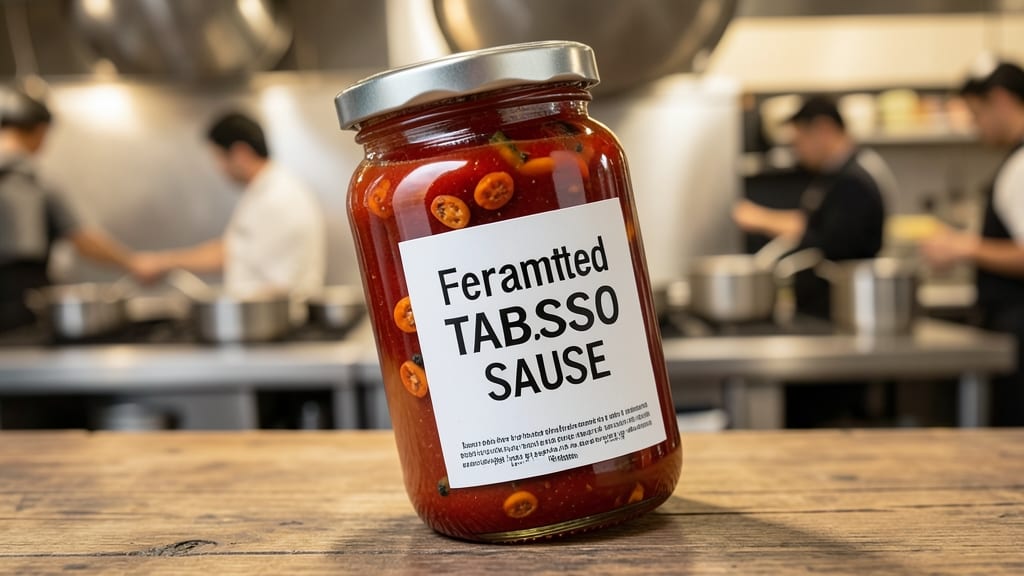
Fermented Tabasco sauce transforms simple peppers into a probiotic-rich condiment with deep, complex heat—no vinegar required. This method preserves natural enzymes while developing layers of flavor over seven days, creating a sauce that’s both functional and vibrant.
The process is precise but straightforward, relying on salt and time to cultivate the right balance of tang and spice.
What sets this recipe apart is its focus on fermentation rather than vinegar preservation, which means you get live cultures and a more nuanced flavor profile. You’ll need just three core ingredients—peppers, salt, and water—but the technique ensures probiotic benefits while maintaining that signature Tabasco-like heat.
The fermentation period (7 days) is critical for safety and flavor development, so patience is key.
By the end of the week, you’ll have a rich, reddish sauce with a smooth texture and a heat that builds gradually. This isn’t just a condiment; it’s a functional ingredient that elevates everything from tacos to Bloody Marys.
The probiotics make it a healthier choice too, packed with gut-friendly benefits while delivering bold flavor.
Storage is simple—keep it refrigerated in a sealed jar for up to six months, with flavors deepening over time. Ready to ferment? Here’s everything you need to get started with confidence.
Ingredients for fermented tabasco sauce
Seven ingredients transform into a probiotic-rich ferment with restaurant-quality heat—no vinegar required.
| Ingredient | Amount | Notes |
|---|---|---|
| Cayenne Peppers 🌶️ | 12 whole | Fresh, organic preferred for potency |
| Non-Iodized Sea Salt 🧂 | 1 tbsp | Diamond Crystal preferred for purity |
| Filtered Water 💧 | 2 cups | Chlorine-free for fermentation |
| Garlic Cloves 🧄 | 2 cloves | Fresh, peeled for subtle depth |
| Black Peppercorns 🌶️ | 1 tsp | Freshly cracked for complexity |
| White Vinegar 🍋 | 1 tbsp | Optional, for pH adjustment only |
| Raw Honey 🍯 | 1 tbsp | Local, unprocessed for sweetness |
The cayenne peppers are non-negotiable for authentic Tabasco-like heat. Organic, preferably from a specialty grower, ensures maximum capsaicin content and vibrant color. Penzeys Spices or local farmers' markets often carry high-quality varieties. Avoid pre-packaged supermarket cayennes—they’re often waxed and lack potency. For a deeper flavor profile, include the stems and seeds, but remove any bruised or moldy peppers immediately. Fresh garlic and black peppercorns are fermented alongside the peppers, adding subtle complexity that vinegar-based sauces lack. The sea salt must be non-iodized to prevent contamination of the fermentation process—Diamond Crystal kosher salt is the gold standard for fermentation applications.
No organic peppers? High-quality dried cayenne powder (like Penzeys) works at half the volume, though texture will differ. Short on honey? Agave nectar or maple syrup are suitable substitutes, though honey’s antimicrobial properties slightly enhance safety. The white vinegar is strictly for pH adjustment—if your peppers are exceptionally fresh, you can omit it entirely. For a milder heat, remove seeds and membranes before fermenting. Cultivate a starter culture from a previous batch to accelerate fermentation by 24 hours. If you’re scaling up, maintain a 1:1 pepper-to-water ratio—never exceed 10% salt by weight of peppers to avoid inhibiting fermentation.
Fermented Tabasco sauce develops best in a sterilized glass jar with an airlock or a fermentation crock. Store in a cool, dark place (68-72°F) for the initial 7-day fermentation period, then refrigerate indefinitely. The sauce will continue maturing in the fridge, with flavors deepening for up to 6 months. For extended storage, portion into sterile jars and submerge in brine. Never use metal utensils—stainless steel is acceptable, but plastic or glass tools prevent oxidation. The probiotic benefits peak at 3-4 weeks, making this a living condiment that improves with time.
Why You'll Love This Recipe
- Just Four Ingredients: I swear, this is the kind of recipe where you’ll stare at your pantry and think, "I already have all this?" Cayenne, salt, water, garlic—no fancy shopping trips, no confusing substitutions. My jar’s been on the counter for weeks now, and I’ve never once felt the urge to buy store-bought again.
- Heat That Builds: Honestly, the first time I tasted it, I nearly burned my tongue—in a good way. That deep, smoky cayenne heat mellows into something complex over time, especially when the garlic cloves add their own sharp punch. It’s not just spicy; it’s layered, like a slow dance of flavor.
- Pantry Staple, Party Hero: Between us, this stuff turns up everywhere. Drizzled over grilled shrimp for date night, mixed into homemade Bloody Marys at brunch, or even stirred into a pot of beans when I’m too tired to cook. It’s the one sauce that makes even simple meals feel like you put in effort—without actually trying.
- Lasts Months, Costs Pennies: I made my first batch last October, and it’s still going strong. A few peppers and a handful of garlic? That’s it. No refrigeration needed, no spoilage worries. My budget thanks me, and my taste buds keep asking for more—even when I’m out of excuses to use it.
Step-by-step instructions for fermented Tabasco sauce
Here's the method for creating a vibrant, probiotic-rich sauce with precise fermentation control.
Prepare the Cayenne Peppers for Fermentation
Begin by sterilizing a clean quart-sized mason jar and its lid by boiling both in water for 5 minutes. While still hot, carefully transfer the 12 whole cayenne peppers into the jar, packing them vertically with stems pointing upward. This orientation prevents mold growth and ensures even fermentation.
Use a wooden spoon to gently press down on the peppers, creating space between each one. This packing method allows the brine to fully penetrate while maintaining structural integrity. The peppers should fit snugly but not be crushed—this preserves their natural heat and prevents premature breakdown.
Create the Brine Solution with Precision
In a separate heatproof bowl, combine the 2 cups filtered water, 1 tablespoon non-iodized sea salt, and 1 tablespoon raw honey. Stir until the salt and honey are completely dissolved, creating a clear brine solution. The honey helps balance the acidity while contributing subtle sweetness to the final product.
Add the 2 cloves garlic cloves and 1 teaspoon black peppercorns to the jar with the peppers. Pour the brine solution over the peppers until they are completely submerged, leaving at least 1 inch of liquid above the top pepper. This headspace prevents mold growth during fermentation. Seal the jar tightly with the sterilized lid.
Ferment at Controlled Temperature
Place the sealed jar in a dark location where the temperature remains consistent between 68-72°F. This range is critical for safe fermentation—too cold slows the process, while temperatures above 75°F risk contamination. I recommend using a fermentation weight or small plate to keep the peppers submerged if they float.
Ferment for 7 days, opening the jar daily to release built-up gases. You'll notice effervescence and a slight tang developing—this indicates active fermentation. The peppers should remain submerged throughout this period, developing a deep red hue and subtle softening. The optional 1 tablespoon white vinegar can be added to the brine if you prefer a slightly more acidic profile.
Strain and Bottle the Finished Sauce
After 7 days, remove the jar from fermentation and carefully strain the contents through a fine-mesh sieve or cheesecloth. Press the peppers gently to extract all liquid, discarding the solids. The resulting liquid should be a vibrant red with visible pepper particles suspended in the brine. This is your raw fermented sauce.
Transfer the strained sauce to sterilized glass bottles or jars, leaving ½ inch of headspace to allow for future expansion. Seal tightly and store in a cool, dark place. The sauce will continue developing flavor for 2-4 weeks, with probiotic activity peaking at 3 weeks. Use within 3 months for optimal potency and freshness.
Pro Tips For Making Fermented Tabasco Sauce
- STERILIZE YOUR JARS FIRST: I learned this the hard way—skipping sterilization leads to moldy, ruined batches. Run jars and lids through a quick boil for 10 minutes (or dishwasher cycle) before filling, even if you’re using filtered water. Trust me, your future ferment won’t thank you for cutting corners here.
- USE WHOLE GARLIC CLOVES: Peeling and chopping garlic before fermenting introduces unnecessary moisture and speeds up spoilage. Smash 2-3 cloves flat with the side of your knife instead—it releases flavor without turning your brine into a watery mess. (Yes, even if it looks weird.)
- WEIGH YOUR PEPPERS: Don’t eyeball cayenne heat—measure by weight (about 100g per quart jar) to keep consistency. Some peppers are thicker, others thinner, and guessing leads to either bland or overpoweringly spicy batches. A kitchen scale takes 10 seconds and saves you from regret.
- BURP THE JARS DAILY: Fermenting tabasco isn’t set-and-forget. Press down the peppers and garlic, then open the jar just enough to release built-up gases for 1-2 seconds. I know, it’s annoying, but skipping this causes jars to explode or ferment unevenly. Do it in the sink—you’ll thank yourself later.
Creative variations of these flavors
Global Fermented Chili Variations
This recipe's core technique works globally, but regional twists elevate it. In Mexico, swap cayenne for habanero peppers and add 1 tsp ground cumin to the brine—this creates a fermented salsa de árbol with tropical heat.
For Thailand, use bird’s eye chilies and infuse the brine with 1 tbsp lemongrass paste for a probiotic nam prik alternative. 🌶️
Sweet & Smoky Adaptations
Craving sweetness? Replace honey with 1 tbsp maple syrup and add ½ tsp smoked paprika to the brine for a fermented chipotle-style sauce. The smoke pairs beautifully with the tangy fermentation.
For a caramelized finish, reduce the strained sauce by half in a saucepan over low heat for 15 minutes, then blend with 1 tbsp date syrup for depth.
Herb-Infused Fermented Sauces
Fresh herbs transform this into a versatile condiment. Add 1 sprig fresh thyme or 3 basil leaves to the jar during fermentation for a Mediterranean-inspired sauce. For Middle Eastern flair, include 1 tsp ground coriander and ½ tsp cardamom pods—the aromatic notes complement the heat perfectly.
Strain out the herbs before bottling to avoid bitterness.
Spicy-Sweet Fusion
Combine fermented Tabasco with 1 tbsp apple cider vinegar and 1 tbsp brown sugar after straining for a glazed chili sauce. Simmer the mixture for 10 minutes to caramelize the sugars, then blend until smooth.
This works as a dipping sauce for wings or a marinade for grilled shrimp. The fermentation adds probiotic depth while the vinegar and sugar create a sticky, sweet-spicy finish. 🍯
Low-Heat & High-Probiotic
For a milder sauce, remove all seeds and membranes from the cayenne peppers before fermenting. After straining, blend the sauce with ½ cup coconut yogurt and 1 tsp apple cider vinegar for a probiotic-rich dipping sauce with creamy texture.
This version is ideal for seafood dishes or yogurt bowls, offering gut-friendly benefits without intense heat.
Smoked Fermented Sauce
Cold-smoke the strained sauce using a smoker box filled with hickory or applewood chips for 15 minutes at 165°F. The subtle smoke enhances the peppers’ natural depth, creating a fermented chipotle-style sauce without the need for dried peppers.
Store in an airtight container and use within 2 weeks for peak smoky flavor. Perfect for BBQ rubs or braised meats.
Nutrition facts
Frequently asked questions
Why does this recipe avoid vinegar?
Fermenting without vinegar preserves live probiotics that develop naturally during the 7-day process. Vinegar kills these beneficial cultures, but salt and time create a safer, tangier sauce with complex flavors. The honey balances acidity while supporting fermentation.
Can I use dried cayenne instead of fresh?
Fresh peppers are ideal for texture and potency, but you can substitute 2 tablespoons dried cayenne powder (organic preferred). Reduce honey to ½ tablespoon—dried peppers have less moisture. The fermentation time remains 7 days, but flavors may be slightly less vibrant.
What if mold appears during fermentation?
Discard the batch immediately if you see mold—it indicates contamination. Always use sterilized jars, keep peppers submerged, and ferment at 68-72°F. For safety, maintain a 1-inch brine headspace and avoid overcrowding.
How do I adjust the heat level?
Remove seeds and membranes for milder heat, or add extra cayenne for intensity. For a balanced spice, ferment 8-10 peppers instead of 12. The fermentation process naturally mellows heat over time, so taste after 3 weeks for optimal flavor.
Can I ferment this in a non-sterile container?
No—always use sterilized glass jars to prevent bacterial growth. Plastic containers can leach chemicals, and metal reacts with acids. For extra safety, add 1 tablespoon vinegar to the brine if your kitchen isn’t perfectly clean.