
Sauces & Condiments
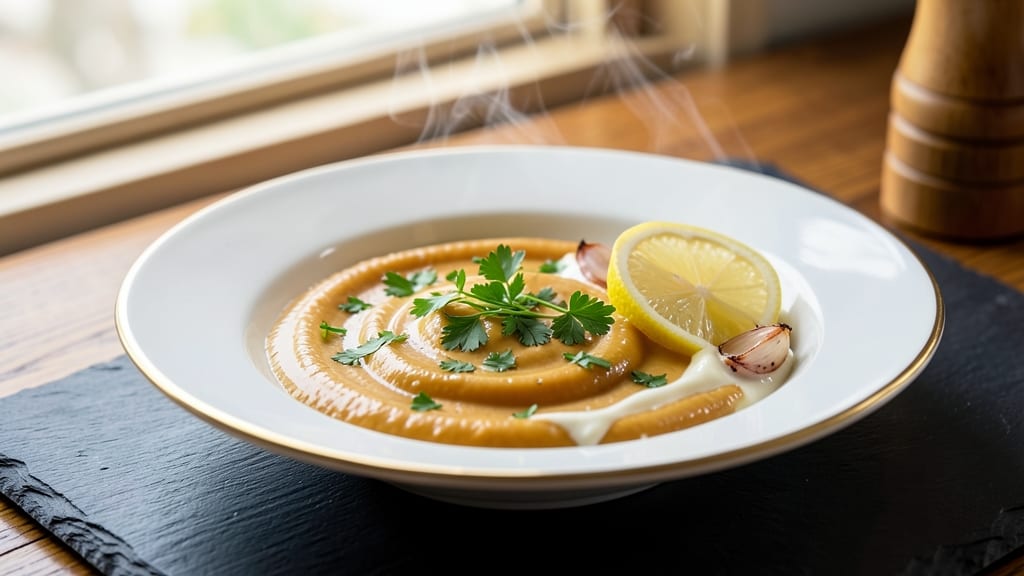
This escargot cream sauce recipe transforms simple pantry staples into a luxurious, garlicky butter-herb sauce that elevates any dish. The secret lies in slow-cooked shallots and garlic, emulsified with cream and butter for a velvety texture that clings perfectly to escargot shells—or pasta, grilled meats, or even crusty bread.
What sets this sauce apart is its balance: rich yet bright, with just enough acidity from lemon to cut through the decadence.
Creating this sauce requires patience and precision, but the results are worth every step. You'll start by building flavor with shallots and garlic until they're tender and aromatic, then emulsify with cream and butter for that signature luxurious consistency.
The parsley adds freshness, while a touch of lemon keeps the sauce from becoming too heavy. This isn't just a sauce—it's a flavor experience that turns ordinary meals into something extraordinary.
The sauce achieves a perfect balance of creaminess and depth, with a smooth, velvety texture that coats every bite. It's versatile enough to complement escargot, pasta, or even grilled vegetables, yet refined enough to feel special.
The aroma alone—garlicky, herby, and buttery—will have everyone at the table anticipating the first taste. Once you try this, you'll never settle for anything less.
This recipe delivers restaurant-quality results at home, with a sauce that's rich, flavorful, and impossible to resist. The key is slow cooking the aromatics to develop their natural sweetness before emulsifying with the cream and butter.
The result is a sauce that's creamy yet light, with layers of garlic, shallot, and herb flavor that make every bite unforgettable. Perfect for impressing guests or treating yourself to a gourmet experience.
Ingredients for escargot cream sauce
Nine ingredients. One luxurious sauce. Pantry staples with restaurant-level magic.
| Ingredient | Amount | Notes |
|---|---|---|
| Shallots 🧅 | 1 ½ cups | Finely diced, about 10-12 shallots |
| Garlic Cloves 🧄 | 6 cloves | Peeled, smashed for maximum flavor |
| Unsalted Butter 🧈 | ¾ cup | Cold, cubed for emulsifying |
| Heavy Cream 🥛 | 1 ½ cups | Full-fat for richest texture |
| Fresh Parsley 🌿 | ¼ cup | Chopped, stems removed |
| Lemon Juice 🍋 | 1 tbsp | Freshly squeezed, for brightness |
| Extra-Virgin Olive Oil 🫒 | ¼ cup | For finishing, fruity variety |
| Salt 🧂 | 1 ½ tsp | Diamond Crystal preferred |
| Ground Black Pepper 🌶️ | ½ tsp | Freshly cracked for warmth |
| Fresh Thyme Leaves 🌿 | 1 tbsp | Or 1 tsp dried thyme |
Shallots are the secret weapon here—they caramelize beautifully and add that sweet depth. Grab the small ones from the produce section (they're sweeter), or use red shallots for extra color. The garlic? Fresh is non-negotiable—jarred loses all its punch. For the butter, Plugrá or Land O'Lakes unsalted are my go-tos. If you're feeling fancy, grab a wedge of European-style butter from the gourmet section—it melts like a dream. The parsley? Flat-leaf if you can find it—it's more flavorful than curly. Store all your aromatics in the fridge until ready to use.
No heavy cream? Full-fat coconut milk works in a pinch—it's lighter but still rich. Short on butter? Olive oil in equal parts keeps the sauce emulsified, though it'll be slightly lighter. Fresh herbs wilt fast, so buy just what you need—they're best used within 2 days. The lemon juice can be swapped for white wine vinegar (use half the amount), but fresh lemon adds that bright pop. For the thyme, dried works at one-third the amount, but fresh gives that herbal aroma the sauce needs. If you're making this ahead, store the cooked shallots and garlic in the fridge—they keep for 3 days before emulsifying.
This sauce is best made fresh, but it reheats beautifully—just warm gently on low heat, stirring constantly. Keeps for 3-4 days in the fridge, sealed tightly. For longer storage, freeze in ice cube trays—thaw and reheat as needed. The sauce thickens as it cools, so add a splash of warm water or cream if it seems too stiff. Serve immediately over escargot or pasta, or drizzle over grilled meats for that restaurant-worthy finish. Leftovers? Toss them into a frittata—they disappear fast.
Why You'll Love This Recipe
- Five-Minute Sauté: I swear by the shallot-garlic base—it softens in minutes while you prep the rest. No fancy knife work, just a quick dice and a pan. That golden butter smell alone makes the whole kitchen smell like a bistro.
- Rich Without Effort: Heavy cream and butter create that velvety, luxurious texture, but honestly? The parsley at the end ties it all together. It’s the kind of sauce that makes you pause mid-bite, even if you’re just reheating leftovers.
- Weeknight to Dinner Party: Same recipe, different vibes—drizzle it over steamed veggies for a quick weeknight meal or pair it with grilled scallops for a fancy dinner. The sauce adapts without extra fuss, and guests will never guess it’s this simple.
- Budget-Friendly Luxury: A few shallots, a head of garlic, and a stick of butter stretch far. I’ve made this for four people for under $8, and it tastes like something you’d order at a $100 restaurant. That’s the magic of good technique over expensive ingredients.
Step-by-step instructions for garlicky escargot cream sauce
This sauce delivers the rich, buttery depth of classic escargot—creamy, aromatic, and perfectly balanced.
Sauté Shallots Until Translucent
Heat the 0.25 cup extra-virgin olive oil in a medium saucepan over medium-low heat. Add the 1.5 cups finely diced shallots and cook for 10-12 minutes, stirring occasionally. You want them to soften and turn golden and translucent, not browned—this builds flavor without bitterness.
I like to press down gently with a wooden spoon during the first few minutes to help them release moisture and cook evenly. If they start to stick, add a splash of water and scrape up any browned bits from the bottom—they're packed with flavor. This step sets the foundation for your sauce, so don't rush it.
Add Butter and Garlic for Depth
Once the shallots are translucent, reduce the heat to low and add the 0.75 cup cold cubed unsalted butter. Stir gently until the butter melts completely, about 2-3 minutes. The cold butter will help emulsify the sauce later, creating that velvety texture.
Add the 6 smashed garlic cloves and 1 tbsp fresh thyme leaves, cooking for 1-2 minutes until the garlic is fragrant but not browned. Here's the thing—overcooking garlic turns it bitter, so watch closely. You want that sweet, mellow garlic flavor that pairs perfectly with escargot. Stir constantly to prevent burning.
Incorporate Cream and Season
Pour in the 1.5 cups heavy cream and bring the mixture to a gentle simmer over medium heat. Stir occasionally for 5-7 minutes until the sauce thickens slightly and coats the back of a spoon. This simmering step reduces the liquid just enough to concentrate the flavors.
Add the 1.5 tsp salt and 0.5 tsp ground black pepper, then stir in the 1 tbsp lemon juice. The lemon brightens the richness of the cream and butter, cutting through the richness just enough. Taste and adjust seasoning—you want it well-seasoned but not overpowering, since escargot already has a strong flavor profile.
Finish with Parsley and Olive Oil
Remove the sauce from heat and stir in the 0.25 cup chopped fresh parsley. Let it steep for 2-3 minutes to infuse the parsley's freshness into the sauce. Then, whisk in the remaining 0.25 cup extra-virgin olive oil to create a silky, emulsified finish.
This final step is crucial—it adds body and a luxurious sheen to the sauce. The olive oil also helps balance the richness with a touch of brightness. For the best texture, strain the sauce through a fine-mesh sieve to remove any garlic skins or thyme stems, if desired. Serve immediately over escargot or use as a base for other dishes.
Pro Tips For Making Escargot Cream Sauce
- Sweat Shallots Low: I learned this the hard way—crank the heat just until the shallots start to sizzle, then drop it to medium-low and cover the pan. Those little bits of moisture need time to evaporate without burning, or you’ll end up with a bitter, charred flavor instead of that sweet, mellow base. (Yes, even if you’re impatient like me.)
- Mince Garlic Fine: Skip the rough chop and actually mince that garlic—think paste, not slices. It blends smoother into the sauce and infuses flavor more evenly. I used to leave it in chunks, and the texture was always off, like someone forgot to puree the sauce properly.
- Whisk Butter Constantly: The moment you add butter to the shallots, start whisking like your life depends on it. Butter burns faster than you think, and once it browns, the sauce will taste like a failed campfire. Keep that pan moving, even if it means pausing to stir every 10 seconds.
- Warm Cream Gradually: Sounds weird, but it works: heat the heavy cream in a separate saucepan until it’s just warm to the touch before adding it to the butter-shallot mix. Cold cream shocks the sauce, causing it to seize or curdle—like throwing ice into hot coffee. A few minutes of pre-warming guarantees a silky, lump-free finish.
Storing and reheating this recipe
Fridge Storage Secrets
Store your escargot cream sauce in an airtight glass container—I swear by Pyrex with snap-on lids—and keep it refrigerated for up to 4 days. The sauce actually improves overnight as flavors meld together, becoming even richer.
Let it cool completely before sealing to prevent condensation, which can dilute the delicate balance of butter and cream. 🥫
Freezer-Friendly Tips
For longer storage, freeze the sauce in ice cube trays—this makes portioning a breeze later. Once frozen, transfer cubes to a quart-sized freezer bag, squeezing out excess air to prevent freezer burn.
Label with the date and freeze for up to 3 months. Thaw overnight in the fridge before reheating.
Reheating Like a Pro
Never microwave this sauce—it breaks the emulsion and makes it grainy. Instead, reheat gently in a small saucepan over low heat, stirring constantly with a silicon spatula to maintain that velvety texture.
Add 1-2 tablespoons of warm water or cream if the sauce thickens too much during reheating. Aim for 165°F internal temperature to ensure safety. 🔥
Reviving Thickened Sauce
If your sauce thickens after refrigeration, don’t panic! Simply whisk in 1 tablespoon of warm heavy cream or whole milk at a time until you reach the perfect consistency.
The sauce should coat the back of a spoon but still be pourable. For extra richness, add a pat of cold butter while reheating—it helps restore that luxurious mouthfeel.
Serving Suggestions
Serve the sauce immediately over escargot or grilled meats for maximum impact, but it also works beautifully as a pasta sauce. Drizzle lightly over seared scallops or roasted vegetables for a gourmet touch.
If you're making it ahead for a party, keep it warm in a slow cooker on "warm" setting—this maintains temperature without overcooking. ✨
Leftovers Reinvented
Don’t let leftovers go to waste! Fold the sauce into scrambled eggs for a decadent brunch, or use it as a base for creamy risotto. It also makes an incredible dipping sauce for crusty bread or fried calamari.
The key is to reheat it gently and adjust seasoning—it’s even more versatile than you’d think!
Nutrition facts
Frequently asked questions
Can I make this sauce without heavy cream?
Yes! For a lighter version, substitute 1.5 cups full-fat coconut milk or 1 cup Greek yogurt + 0.5 cup warm water to maintain creaminess. The sauce will be slightly tangier but still rich. If using yogurt, strain it first to remove excess moisture for a smoother texture.
Why does my sauce look grainy when reheating?
Graininess happens when the emulsion breaks, usually from overheating or rapid temperature changes. To fix it, whisk in 1 tablespoon of cold butter while stirring gently over low heat. For prevention, reheat slowly and avoid microwaving—always use a saucepan on low-medium heat.
Can I use this sauce for dishes other than escargot?
This versatile sauce elevates grilled steaks, pasta dishes, or even roasted potatoes. The garlicky butter base pairs beautifully with seafood too—try it with seared scallops or shrimp. For a vegetarian twist, drizzle over roasted vegetables or polenta for a restaurant-worthy finish.
How do I adjust the consistency if it's too thick?
Thick sauce? Thin it gradually with warm heavy cream or whole milk, 1 tablespoon at a time, while whisking constantly. For a richer fix, stir in 1-2 teaspoons of cold butter—it helps restore that velvety texture without thinning. Avoid adding liquid too quickly, or you'll dilute the flavor.
What's the secret to making this sauce extra flavorful?
Slow-cook the shallots and garlic until deeply caramelized (15-20 minutes) for maximum sweetness. Add a pinch of sugar (½ teaspoon) to the shallots at the start, and finish with a splash of white wine (2 tablespoons) instead of lemon juice for a more complex depth. Fresh herbs are key—don't skip the parsley!