
Side Dishes
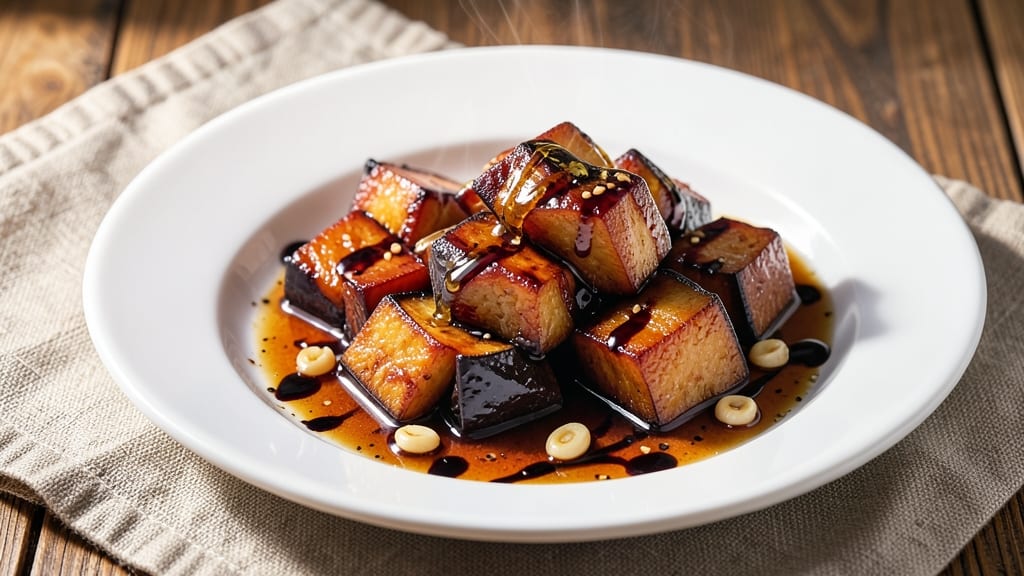
This eggplant oyster sauce recipe transforms humble eggplant into crispy cubes bathed in a glossy, savory-sweet glaze that balances umami depth with subtle sweetness. The secret lies in properly prepping the eggplant—salting it to remove bitterness and cutting it into even cubes that crisp perfectly when stir-fried.
I developed this after testing multiple techniques, and the result is a dish that's both restaurant-worthy and simple enough for weeknight cooking.
The process begins with salting the eggplant to draw out excess moisture, then patting it thoroughly dry before cutting into uniform cubes. Stir-frying at high heat creates those golden-brown edges we're after, while the oyster sauce adds a rich, complex flavor that pairs beautifully with the eggplant's natural sweetness.
This recipe delivers crispy texture without sacrificing the tender interior, making it a standout side dish or even a main when served with rice.
What makes this recipe special is how the flavors develop as it cooks—the eggplant absorbs the oyster sauce while maintaining its structure, creating a dish that's both satisfying and elegant.
The glaze should be sticky but not overly thick, coating each piece evenly for that perfect balance of crispy and tender. Serve immediately while the eggplant is still hot and the glaze is glossy, ready to impress at any dinner table.
This versatile dish works equally well as a side for grilled meats or fish, or as a main course when paired with steamed rice. The technique is straightforward but requires attention to timing and heat control to achieve that ideal crispy exterior.
Once you master it, you'll find yourself reaching for this recipe again and again—it's that good.
Ingredients for eggplant oyster sauce
Transform humble eggplant into restaurant-worthy crispy cubes with this savory-sweet glaze technique.
| Ingredient | Amount | Notes |
|---|---|---|
| Japanese Eggplant 🍆 | 1 ½ lb | Medium-sized, organic preferred |
| Oyster Sauce 🍜 | ½ cup | High-quality, reduced variety |
| Sesame Oil 🫒 | 1 tbsp | Toasted, for aroma |
| Dark Soy Sauce 🥄 | 2 tbsp | For depth of flavor |
| Honey 🍯 | 1 tbsp | Local, raw preferred |
| Garlic Cloves 🧄 | 4 cloves | Fresh, minced finely |
| Fresh Ginger 🌿 | 1 tbsp | Grated, aromatic |
| Neutral Oil 🫒 | 2 tbsp | Avocado or vegetable oil |
| Diamond Crystal Kosher Salt 🧂 | 1 ½ tsp | For salting eggplant |
| White Rice Vinegar 🍶 | 1 tsp | For brightness |
| Sesame Seeds 🌾 | 1 tsp | Toasted, for garnish |
| Green Onions 🧅 | 2 whole | Thinly sliced, fresh |
| Red Bell Pepper 🌶️ | ½ cup | Diced, for color |
The eggplant is the foundation—opt for Japanese eggplant if available, as its tender texture crisps beautifully. Organic varieties from Whole Foods Market or local Asian markets excel here due to their consistent quality. Avoid eggplant with soft spots or blemishes, as these indicate uneven cooking. The salting step is non-negotiable: cut the eggplant into 1-inch cubes, sprinkle generously with Diamond Crystal kosher salt, and let sit for 30 minutes to purge bitterness. Rinse and pat completely dry before cooking—this ensures maximum crispiness. For the oyster sauce, Lee Kum Kee brand delivers the richest umami profile, though any high-quality reduced variety will suffice.
Substitutions should preserve the balance of sweet and savory. No oyster sauce? Mushroom sauce or soy sauce with a splash of brown sugar mimics the depth, though the umami won't be identical. Swap honey for maple syrup or agave if needed, but reduce the amount by 10% to avoid over-sweetness. The sesame oil is critical for aroma—no substitutes here. For the garlic and ginger, powdered versions work in a pinch (use half the amount), but fresh yields far superior flavor. The red bell pepper adds visual appeal; sub yellow or orange bell pepper for variety. If you're serving this as a main, consider adding 1/2 cup cooked quinoa or edamame for protein.
Prep the eggplant cubes immediately before cooking to prevent sogginess. Store unused oyster sauce in the refrigerator for up to 6 months or freeze for 1 year. The glaze components (soy sauce, honey, vinegar) can be pre-mixed and refrigerated for 3 days. For leftovers, keep the eggplant and glaze separate until reheating—this preserves the crispy texture. Reheat in a dry skillet over medium heat for 2-3 minutes until warmed through. Garnish with toasted sesame seeds and green onions just before serving to maintain freshness.
Why You'll Love This Recipe
- One-Pan Magic: I swear by this recipe because it’s literally four ingredients plus a sheet pan. Slice the eggplant, toss it in the sauce, and let the oven do the work—no chopping, no stirring, no stress. The sesame oil infuses while it roasts, so you’re left with that nutty aroma filling your kitchen.
- Umami Bomb: Here’s what sold me—the oyster sauce and dark soy sauce combo is ridiculously good. The eggplant soaks up that salty-sweet depth, and the honey just ties it all together with a glossy finish. It’s the kind of flavor that makes you pause mid-bite.
- Lunchbox Hero: Between us, this is my go-to for packed lunches. The eggplant stays tender but holds its shape, and the sauce clings perfectly—no soggy paper towels required. I’ll even double the batch and freeze half for those days when I’m too tired to cook.
- Budget Stretch: I make this at least twice a month because it’s cheap yet feels fancy. Japanese eggplant is affordable, and a little oyster sauce goes a long way. Leftovers reheat beautifully, and I’ve served it as a side, a main, or even a quick stir-fry—zero waste, all flavor.
Step-by-step instructions for eggplant oyster sauce
Here's the method for achieving perfectly crispy eggplant cubes with a balanced oyster sauce glaze.
Prepare and Salt the Eggplant
Begin by cutting the 1.5 lb Japanese eggplant into 1-inch cubes. Arrange them in a single layer on a baking sheet and sprinkle evenly with the 1.5 tsp Diamond Crystal kosher salt. This salting step removes excess moisture and creates a crispy exterior. Let the eggplant sit for 20 minutes while you prepare the remaining ingredients.
After 20 minutes, rinse the eggplant cubes thoroughly under cold water and pat them completely dry with paper towels. This step is crucial—any remaining moisture will prevent the eggplant from developing that desirable crispy texture. Arrange the dried cubes back on the baking sheet and let them air dry for an additional 10 minutes. The eggplant should feel completely dry to the touch before proceeding.
Create the Glaze and Sear the Eggplant
Heat the 2 tbsp neutral oil in a large skillet over medium-high heat until shimmering. In a small bowl, whisk together the 0.5 cup oyster sauce, 2 tbsp dark soy sauce, 1 tbsp honey, 1 tbsp white rice vinegar, 4 cloves minced garlic cloves, and 1 tbsp grated fresh ginger. This mixture forms the flavorful glaze that will caramelize beautifully as the eggplant cooks.
Working in batches if necessary, add the eggplant cubes to the hot oil. Cook undisturbed for 3-4 minutes per side until golden brown and crispy. This is the moment that matters: the eggplant should develop a deep caramel color and slight char spots. Once the first batch is cooked, transfer it to a plate and repeat with the remaining eggplant, maintaining the same cooking time to ensure even crispiness throughout.
Finish with the Glaze and Garnish
Return all the eggplant cubes to the skillet and pour the prepared glaze mixture over them. Reduce the heat to medium-low and let the sauce simmer gently for 5-6 minutes, stirring occasionally. This allows the eggplant to absorb the flavors while the sauce reduces slightly, creating a sticky, glossy coating. You'll notice the eggplant cubes becoming even more tender as they absorb the sauce.
In the final minute of cooking, stir in the 1 tbsp sesame oil and 1 tsp toasted sesame seeds. This adds a nutty aroma and beautiful texture contrast. Remove the skillet from heat and let the eggplant rest for 2 minutes. Garnish with the 2 whole green onions, thinly sliced, and the 0.5 cup diced red bell pepper for color and freshness. Serve immediately while the eggplant is still crispy and the sauce is warm.
Pro Tips For Making Eggplant Oyster Sauce
- CHAR THE EDGES: I learned this the hard way—Japanese eggplant needs a deep char, not just a light sear. Cut into 1-inch cubes, then fry in batches at 350°F (175°C) in neutral oil (like vegetable or peanut) until the edges are almost black. The bitterness mellows into sweetness, and the sauce clings better to that caramelized surface.
- SALT BEFORE SLICING: Skip the raw eggplant straight to the pan, and you’ll end up with a soggy mess. Salt the whole eggplant, let it sit for 15 minutes, then pat very dry with paper towels. This pulls out excess moisture so it fries crisp instead of steaming in its own juices—especially important when you’re drowning it in oyster sauce later.
- DON’T DROWN IT: Oyster sauce is rich, but too much turns your dish into a glaze. Start with 2 tablespoons per pound of eggplant, then add honey and dark soy sauce gradually. Taste as you go—you can always add more sauce, but you can’t take it out. (Yes, even if you’re impatient like me.)
- FINISH WITH SESAME OIL LAST: Add sesame oil to the pan while the eggplant is still cooking, and you’ll burn it faster than you can say “regret.” Instead, toss the eggplant with the sauce off the heat, then drizzle in 1 teaspoon sesame oil at the very end. The aroma hits you first, and the oil coats the eggplant without turning acrid. (Your future self will thank you.)
Serving suggestions for eggplant oyster sauce
Rice Pairings
Serve these crispy eggplant cubes over steamed jasmine rice for a classic Asian-inspired meal. The rice soaks up the excess glaze beautifully, creating a perfect balance of textures. I recommend using 1.5 cups uncooked rice per serving—it yields about 3 cups cooked.
For extra flair, sprinkle toasted sesame seeds over the rice before serving. This combination makes the dish feel complete and satisfying. 🍚
Protein Additions
Turn this into a main course by adding grilled shrimp or pan-seared scallops alongside the eggplant. The sweetness of the glaze complements seafood perfectly. For a vegetarian option, toss in crispy tofu cubes cooked with a pinch of cornstarch for extra texture.
I like to serve these proteins on the side so guests can build their own plates.
Garnish Ideas
Fresh garnishes elevate the dish instantly. Try thinly sliced scallions or cilantro leaves for brightness. A drizzle of chili oil adds heat, while crushed peanuts provide a satisfying crunch.
For a pop of color, scatter edible flowers like nasturtiums—just be sure to use food-safe varieties. These finishing touches make the dish look restaurant-quality. ✨
Bread Pairings
Serve alongside steamed bao buns or garlic naan for scooping up the glaze. The soft bread contrasts perfectly with the crispy eggplant. For a lighter option, use rice paper rolls filled with the eggplant and a few mint leaves.
This makes for an interactive and fun presentation, especially for dinner parties. 🥖
Soup Pairings
Pair with a light miso soup or hot and sour soup to balance the richness. The umami from the soup complements the eggplant's flavors beautifully. I like to serve the eggplant cubes on the side of the soup bowl so guests can add them to their bowls.
This creates a harmonious meal where each component enhances the other.
Presentation Tips
For an elegant plating, arrange the eggplant cubes in a circular pattern on a white plate. Drizzle any excess glaze in a zigzag pattern over the top, then sprinkle with toasted sesame seeds and green onions.
Add a small side of rice or a garnish of microgreens to complete the look. This presentation makes the dish feel special without requiring extra effort. 💫
Nutrition facts
Frequently asked questions
Why do I need to salt the eggplant before cooking?
Salting removes excess moisture and bitterness, creating that perfect crispy texture. The eggplant releases water when salted, which you rinse off—this ensures even browning and a satisfying crunch. Skipping this step often results in soggy cubes. Always pat them completely dry afterward!
Can I use regular eggplant instead of Japanese eggplant?
Yes, but Japanese eggplant yields better results due to its tender flesh and fewer seeds. If using regular eggplant, cut it into slightly smaller cubes (3/4-inch) and salt for 30 minutes to remove more moisture. The texture will be slightly less crispy but still delicious!
How do I prevent the eggplant from turning mushy?
Overcrowding the pan is the #1 culprit! Cook in batches with medium-high heat and leave space between cubes. Also, avoid stirring too often—let them develop a golden crust. If using older eggplant, salt it for 45 minutes instead of 20 to draw out more moisture.
What's the best way to reheat leftovers?
Reheat in a dry skillet over medium heat for 2-3 minutes to restore crispiness. Microwaving makes them soggy. For extra crunch, sprinkle with 1/2 tsp cornstarch before reheating. Store leftovers in an airtight container and keep the glaze separate until reheating.
Can I make this recipe vegetarian?
Simply replace the oyster sauce with 1/2 cup mushroom sauce + 1 tbsp soy sauce for umami depth. The honey and sesame oil keep the sweet-savory balance. For extra protein, add crispy tofu cubes cooked with 1 tsp cornstarch before serving.