
Sauces & Condiments
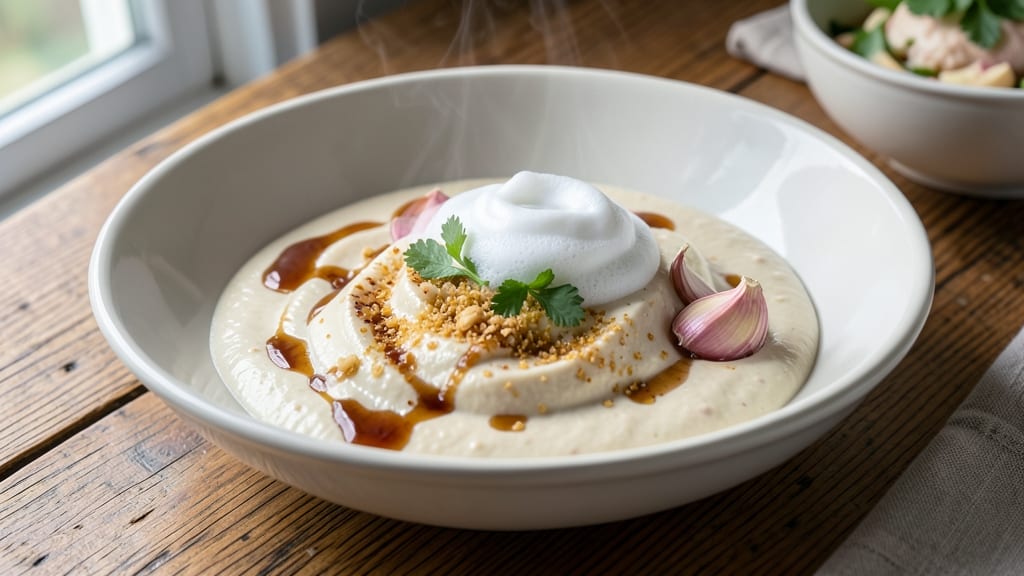
This creamy tofu sauce recipe transforms simple stir-fries into restaurant-quality meals with just a few ingredients. The secret lies in blending silken tofu with coconut milk and cashew cream, creating a velvety texture that coats every bite perfectly.
I developed this sauce after years of searching for a vegan alternative that didn't compromise on richness or flavor.
The magic happens when you combine blended tofu with plant-based cream and aromatic ingredients like garlic, miso, and nutritional yeast. This combination delivers a deep umami flavor with a smooth, creamy consistency that's impossible to achieve with traditional dairy-based sauces.
The sauce thickens beautifully when simmered, making it ideal for tossing with noodles or drizzling over stir-fried vegetables.
What makes this sauce truly special is its versatility—it works equally well with Asian-inspired dishes or Western favorites. The creamy base absorbs flavors beautifully, allowing you to customize it with additional spices or herbs.
Once made, it keeps well in the refrigerator for up to five days, making it perfect for meal prep.
Pair this sauce with everything from ramen to roasted vegetables, and you'll never reach for store-bought versions again. The smooth texture and rich flavor make it a game-changer for plant-based cooking, proving that creamy doesn't have to mean dairy-dependent.
Ingredients for creamy tofu sauce
Six ingredients blend into velvety perfection—no dairy, all flavor.
| Ingredient | Amount | Notes |
|---|---|---|
| Silken Tofu 🍫 | 12 oz | Extra-firm, drained well |
| Full-Fat Coconut Milk 🥥 | 1 cup | Canned, unsweetened |
| Raw Cashews 🥜 | ½ cup | Soaked 2 hours in hot water |
| White Miso Paste 🍜 | 2 tbsp | High-quality, fermented |
| Nutritional Yeast 🧀 | ¼ cup | Fortified, for cheesy flavor |
| Garlic Cloves 🧄 | 4 cloves | Fresh, peeled, rough chopped |
| Fresh Ginger 🌿 | 1 tbsp | Grated, aromatic |
| Lemon Juice 🍋 | 1 tbsp | Freshly squeezed |
| Extra-Virgin Olive Oil 🫒 | 2 tbsp | For richness and balance |
| Diamond Crystal Kosher Salt 🧂 | ½ tsp | Fine grain, to taste |
Silken tofu is the secret weapon here—look for extra-firm in the refrigerated section, not the firm kind. Trader Joe's and Whole Foods carry the best quality, but any grocery store's refrigerated tofu works. Drain it well before blending to avoid watery sauce. The cashews? Soak them in hot water for at least 2 hours—this makes blending a breeze and ensures that creamy texture. For miso, White Diamond or Hona Shoyu brands are my go-to for that clean, umami punch. The nutritional yeast? Bragg is the gold standard for that cheesy, savory depth without any dairy.
No cashews? Almonds or macadamias work in a pinch, but soak them longer—4-6 hours for almonds. Short on miso? Soy sauce at half the amount gives some umami, but you'll lose that fermented depth. Fresh ginger? Substitute with 0.5 tsp ground ginger if needed, but fresh is always better. The lemon juice brightens everything—don't skip it. For extra richness, add 1 tbsp tahini to the blend. And if you're feeling fancy, a pinch of smoked paprika adds warmth without overpowering.
This sauce keeps beautifully—5 days in the fridge, 3 months frozen. For freezing, portion into ice cube trays, then transfer to a bag. Thaw overnight in the fridge before using. The sauce thickens as it cools, so add a splash of water or coconut milk if it gets too stiff. I always make a double batch—one for immediate use, one to freeze for lazy weeknights. It's the perfect make-ahead sauce for stir-fries, noodles, or even vegan mac and cheese.
Why You'll Love This Recipe
- No Blender? No Problem: I blend everything in my food processor—no fancy gadgets needed. The silken tofu and soaked cashews turn into that dreamy, velvety sauce with just a few pulses, while the coconut milk adds richness without extra effort.
- Umami Bomb Alert: That white miso paste and nutritional yeast? They’re the secret weapons here. Together, they create a deep, savory punch that makes this sauce taste like it simmered for hours—even though it takes minutes.
- Leftover Goldmine: This sauce keeps beautifully for days in the fridge, and it only gets better as flavors meld. I’ll often make a double batch: one for stir-fries, another for drizzling over roasted veggies or even as a pasta sauce.
- Budget-Friendly Luxury: Full-fat coconut milk and raw cashews might sound fancy, but they stretch this sauce far—think dipping sauce, noodle glaze, or even a creamy soup base. Honestly, it’s the kind of recipe that makes cheap ingredients feel like a splurge.
Step-by-step instructions for creamy tofu sauce
Here's how to blend these ingredients into velvety perfection—no blender hacks required.
Prepare the Cashews and Tofu
First, drain the 12 oz silken tofu thoroughly and press it between paper towels for 10 minutes to remove excess moisture. This ensures your sauce stays silky rather than watery. Meanwhile, drain the soaked 0.5 cup raw cashews and set them aside—no need to rinse, just pat them dry.
I like to use a high-speed blender for this recipe because it emulsifies the fats better, but a regular blender works if you pulse frequently. The key is getting everything smooth without any graininess. That's why we soak the cashews—they'll blend into a creamy paste that forms the sauce's rich base.
Blend the Base Ingredients
Add the drained silken tofu, 0.5 cup raw cashews, 1 cup full-fat coconut milk, 2 tbsp white miso paste, and 0.25 cup nutritional yeast to your blender. Blend on high for 60-90 seconds until completely smooth. You should see a thick, pale yellow mixture with no visible texture.
This is where the magic happens—the miso paste adds umami depth while the nutritional yeast gives that cheesy, savory note. If your blender struggles, add 1-2 tablespoons of water to help it along. The sauce should be thick but pourable at this stage—like heavy cream consistency.
Add Aromatics and Balance Flavors
With the blender running on low speed, add the 4 cloves garlic cloves, 1 tbsp fresh ginger, 2 tbsp extra-virgin olive oil, and 0.5 tsp diamond crystal kosher salt. Blend again for 30-45 seconds until fully incorporated. The aroma should be intense—garlicky, ginger-spicy, and nutty from the cashews.
Now add the 1 tbsp lemon juice while blending. This brightens the sauce and cuts through the richness. Taste as you go—you want a balance of savory, umami, and citrus. If it needs more salt, add it gradually since miso and nutritional yeast are already salty. The sauce should coat the back of a spoon but still flow smoothly.
Adjust Texture and Finish
Transfer the sauce to a saucepan and place over medium-low heat. Stir in 2-3 tablespoons of water if it's too thick for your preferred consistency. Simmer gently for 5-7 minutes, stirring occasionally, until it reaches 160°F—just warm enough to meld flavors without cooking the aromatics.
For the ultimate velvety finish, strain the sauce through a fine-mesh sieve into a clean bowl. This removes any remaining cashew skins or tofu fibers that might make the texture uneven. The result should be a glossy, golden sauce that drizzles like silk over stir-fries or noodles.
Serve Immediately or Store
Use your creamy tofu sauce immediately over stir-fried vegetables, tossed noodles, or grilled proteins. For best texture, don't reheat—serve warm or at room temperature. If storing, keep it refrigerated for up to 5 days in an airtight container. The flavors deepen slightly overnight, making it even more complex.
Here's the thing—this sauce works best when it's fresh. The cashews and coconut milk can separate slightly if reheated, so I recommend making just enough for immediate use. If you need to reheat, warm gently in a saucepan over low heat, stirring constantly, until just warmed through—never boil.
Pro Tips For Making Creamy Tofu Sauce
- Soak Cashews Properly: Toss raw cashews in boiling water for 10 minutes—not just covering them. I used to soak them in cold water for hours, but this cuts time and guarantees smooth blending. Drain well, then blend with coconut milk while still warm for the creamiest texture.
- Blend Tofu Cold: Scoop silken tofu straight from the fridge—never room temp. Cold tofu blends smoother and prevents that weird, grainy texture that ruins the sauce. If it’s too firm, let it sit for 5 minutes in the fridge first, but no longer.
- Temper the Miso: Mix white miso paste with a splash of coconut milk before adding it to the hot sauce. Miso burns fast, and I’ve turned creamy sauces into bitter sludge by skipping this. Stir it into the warm (not boiling) base last.
- Salt the Coconut Milk: Add a pinch of salt to the full-fat coconut milk before blending—yes, even if it’s unsalted. The fat in coconut milk hides flavor, and this small step makes the sauce taste richer. Trust me, your taste buds will notice the difference.
Storing and reheating this dish
Refrigerator Storage
Store your creamy tofu sauce in an airtight glass container (I love Le Parfait containers) in the refrigerator for up to 5 days. The sauce thickens slightly as it cools, so add 1-2 tablespoons of water or coconut milk when reheating to restore its silky consistency.
I always make a double batch—one for immediate use and one to refrigerate for lazy weeknights. 🥫
Freezer Preservation
For long-term storage, portion the sauce into ice cube trays (standard 1-inch cubes) and freeze. Once frozen, transfer the cubes to a ziplock freezer bag with all air removed.
This method preserves texture perfectly for up to 3 months. Thaw overnight in the fridge before using—never microwave directly from frozen. 🧊
Reheating Methods
For best results, reheat sauce gently in a saucepan over low heat for 3-5 minutes, stirring constantly until just warmed through (160°F). Avoid boiling—this can break the emulsion and make it separate.
I find this method maintains the creamy texture better than microwaving. For quick meals, add a splash of water or coconut milk to thin it out if needed. 🔥
Texture Recovery
If your refrigerated sauce thickens too much, simply whisk in 1-2 tablespoons of warm water or coconut milk until smooth. The sauce should coat the back of a spoon but still flow easily.
For extra creaminess, blend briefly with 1 tablespoon of cashew cream (soaked cashews blended with water). This trick works wonders for restoring that restaurant-quality texture. ✨
Portion Control
Use 1-2 tablespoons of sauce per serving when drizzling over noodles or stir-fries. For thicker applications like pasta, reduce to 1 tablespoon per serving and toss well.
I keep small portions in mini jam jars in my fridge for easy grab-and-go use during the week. This prevents waste and makes meal prep effortless. 🍜
Flavor Evolution
The sauce actually improves overnight as the flavors meld together. The miso and nutritional yeast develop deeper umami notes, while the cashew cream becomes richer.
For best results, let freshly made sauce sit in the fridge for at least 4 hours before using—this allows all the components to harmonize beautifully. 💫
Nutrition facts
Frequently asked questions
Can I make this sauce without a high-speed blender?
While a high-speed blender creates the smoothest texture, a regular blender works if you pulse frequently. For extra creaminess, soak your cashews longer (4-6 hours) and add 1-2 tablespoons of water while blending. The sauce will still be delicious, just slightly thicker.
What if I don't have nutritional yeast?
Nutritional yeast adds that cheesy depth, but you can substitute with 1 tablespoon of soy sauce or 1 teaspoon of white miso paste for umami. For a more neutral flavor, skip it entirely—the sauce will still be creamy and rich, just missing that savory note.
How do I adjust the sauce for spicier dishes?
Add ½ teaspoon of chili flakes or 1 teaspoon of sriracha while blending, then taste and adjust. For heat without spice, blend in ½ teaspoon of cayenne pepper. Always add spices gradually—you can't remove excess heat! For a smoky kick, stir in ¼ teaspoon of smoked paprika after simmering.
Why did my sauce turn out too thick?
This usually happens when the cashews aren't soaked long enough or the sauce cools too much. Thin with 1-2 tablespoons of warm water or coconut milk while blending. For future batches, reduce the cashew amount by ¼ cup or add 1 extra tablespoon of coconut milk to the blend. The sauce should coat the back of a spoon but still drizzle easily.
Can I use this sauce in baked dishes?
Yes! This sauce works beautifully in vegan mac and cheese, casseroles, or as a glaze for roasted vegetables. For baked applications, reduce the sauce slightly on the stovetop first to ¼ cup per 2 cups of liquid in your recipe. The high heat of baking can make it separate, so stir well before baking. It adds amazing richness to any dish that needs a creamy element.