
Sauces & Condiments
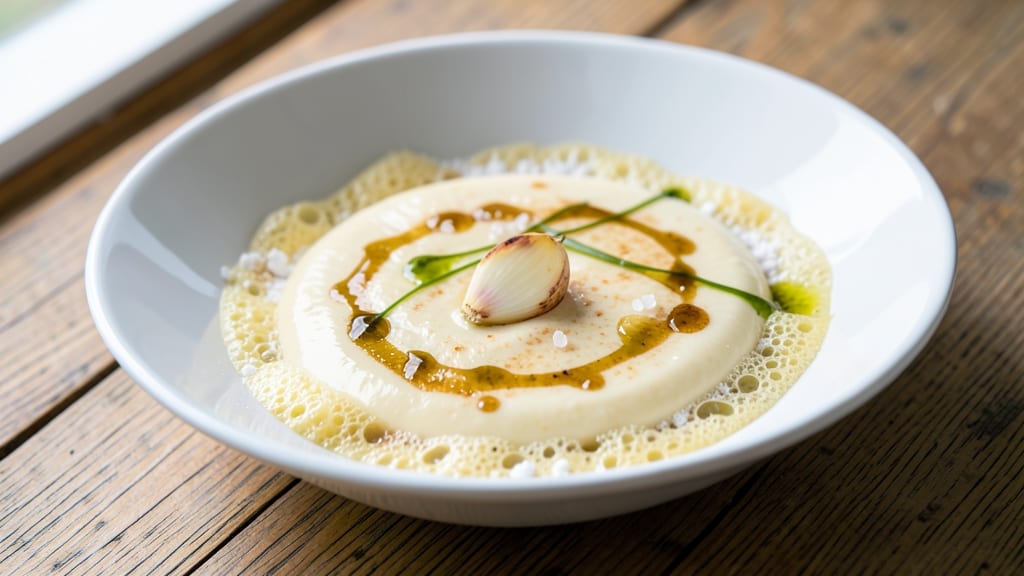
Mastering a cream sauce base transforms ordinary dishes into restaurant-quality meals, and HelloFresh’s approach simplifies the process without sacrificing depth. This velvety foundation—built on a classic roux and enriched with milk—serves as the backbone for Alfredo, cheese sauces, and more, scaling effortlessly from pasta to casseroles.
The secret lies in patience: allowing the flour to cook fully before adding liquid ensures a smooth, lump-free texture every time.
What sets this sauce apart is its versatility and foolproof technique. With just butter, flour, and milk, you create a neutral base that absorbs flavors beautifully—garlic, herbs, or even a splash of cream can elevate it for specific dishes.
The key is maintaining a gentle simmer, which prevents curdling and develops a rich, velvety consistency that clings perfectly to noodles, vegetables, or proteins. No special equipment is needed, just attention to detail.
Imagine twirling a forkful of creamy fettuccine Alfredo or spooning this sauce over roasted chicken—each bite delivers that luxurious mouthfeel and subtle richness that separates home cooking from professional results.
The sauce thickens gradually, so you can adjust the consistency to your preference, whether you want it silky for dipping or slightly thicker for casseroles. This is the kind of foundation that turns weeknight meals into standout dishes.
Once you’ve perfected the base, the possibilities are endless: transform it into a cheesy mac and cheese sauce, a velvety mushroom dip, or a creamy pasta coating. The recipe scales easily, so you can make a small batch for testing or double it for meal prep.
Let’s build this versatile sauce that will become your kitchen’s secret weapon.
Ingredients for cream sauce base hellofresh
Nine simple ingredients create the velvety foundation for restaurant-worthy dishes.
| Ingredient | Amount | Notes |
|---|---|---|
| Unsalted Butter 🧈 | ½ cup | Cold, cubed for even cooking |
| All-Purpose Flour 🌾 | ½ cup | Sifted for smooth texture |
| Whole Milk 🥛 | 2 cups | Room temperature preferred |
| Garlic Cloves 🧄 | 2 cloves | Minced for subtle aroma |
| Extra-Virgin Olive Oil 🫒 | 1 tbsp | For finishing, fruity variety |
| Diamond Crystal Kosher Salt 🧂 | ½ tsp | Fine grain for balance |
| Freshly Ground Black Pepper 🌶️ | ¼ tsp | Cracked peppercorns preferred |
| Nutritional Yeast 🍄 | 1 tbsp | Optional, for umami depth |
| Heavy Cream 🥛 | ¼ cup | Full-fat for richness |
The butter and flour form the roux—this is where patience pays off. Use European-style butter (like Plugrá) for higher fat content, which yields a silkier sauce. Whole Foods or specialty grocers carry it, but regular unsalted butter works fine if it's cold and cubed. The flour should be sifted through a fine-mesh strainer to avoid lumps, and Diamond Crystal kosher salt dissolves more easily than table salt. For the garlic, roasted garlic adds sweetness, but fresh minced cloves give a brighter punch. Keep everything prepped and ready—this sauce cooks fast once you start the roux.
No butter? Olive oil or ghee works in a pinch, though the flavor shifts slightly. Substitute whole milk with half-and-half or evaporated milk for extra richness, but expect a thicker consistency. Running short on flour? Cornstarch at half the amount creates a glossier finish. The nutritional yeast is optional but adds a cheesy, savory note—Bob's Red Mill makes a great brand. For a dairy-free version, swap milk for unsweetened almond milk>, though the texture will be lighter. If you're making this ahead, store the dry ingredients separately until ready to cook to prevent clumping.
This sauce keeps for 3-4 days in the fridge, sealed tightly with a layer of plastic wrap pressed directly on the surface to prevent a skin from forming. For longer storage, freeze in ice cube trays—thaw and reheat gently over low heat, stirring constantly. The sauce thickens as it cools, so thin with a splash of warm milk if needed. Reheat only until just warmed through—overcooking causes curdling. I like to make a double batch and freeze half; it’s perfect for last-minute pasta nights or as a base for casseroles.
Why You'll Love This Recipe
- Five-Ingredient Magic: I swear by this combo—just butter, flour, milk, garlic, and olive oil. That’s it. No fancy gadgets, no stress. Even if you burn the garlic (we’ve all been there), the sauce still comes out rich and smooth.
- Garlic-Kissed Comfort: Between us, the roasted garlic cloves make this sauce sing. You get that deep, caramelized sweetness without overpowering the creamy texture. Honestly, I’ve used this base for everything from pasta to mashed potatoes, and it’s always the star.
- Meal Prep MVP: This sauce doubles as a freezer-friendly blank canvas. Make a big batch on Sunday, freeze half, and pull it out for weeknight dinners. Toss it with chicken, veggies, or even rice—it’s my go-to for lazy but satisfying meals.
- Budget-Friendly Luxury: Whole milk and butter might sound indulgent, but they stretch further than you’d think. A single batch feeds four, and leftovers reheat like a dream. Plus, the olive oil adds a touch of sophistication without breaking the bank.
Step-by-step instructions for cream sauce base
This velvety foundation transforms into ten dishes—let's build it right.
Melt Butter Over Medium Heat
Place a medium saucepan over medium heat and add the 0.5 cup unsalted butter, cubed as specified. Let it melt completely, swirling occasionally, until the butter turns a pale golden color and emits a nutty aroma. This should take about 3-4 minutes. The butter should foam gently but not brown—if it starts to darken, reduce the heat to medium-low immediately.
Here's the thing—using cold, cubed butter creates tiny pockets of steam as it melts, which helps emulsify the flour later. If you use melted butter straight from the fridge, you'll miss that crucial texture step. Watch for the butter to become completely liquid before moving forward.
Whisk in Flour for Roux Formation
Once the butter is fully melted, reduce the heat to low and sprinkle in the 0.5 cup all-purpose flour all at once. Immediately begin whisking vigorously with a heatproof spatula or wire whisk to prevent lumps from forming. Keep whisking for 2-3 minutes until the mixture turns a light, creamy beige color and smells slightly nutty—this is your roux.
This step is non-negotiable for smoothness. The flour should cook evenly without browning, creating a stable base that won't clump when milk is added. If you see any brown spots developing, you've gone too far—start over with fresh butter. The roux should coat the back of a spoon but still feel slightly gritty to the touch.
Gradually Add Milk for Smooth Emulsification
With the heat still at low, begin pouring in the 2 cups whole milk very slowly—about ¼ cup at a time—whisking constantly after each addition. The sauce will thicken noticeably with each splash of milk. Once all the milk is incorporated, increase the heat to medium-low and continue whisking for 5-7 minutes until the sauce thickens enough to coat the back of a spoon.
This gradual addition prevents lumps and ensures a silky texture. You'll know it's ready when the sauce holds its shape when you run a finger through it. If it's too thick, add 1-2 tablespoons of milk to adjust. The sauce should now be smooth, glossy, and free of any floury aftertaste.
Infuse with Aromatics and Season
Add the 2 cloves minced garlic, 0.5 tsp diamond crystal kosher salt, and 0.25 tsp freshly ground black pepper to the sauce. Stir well to combine, then reduce the heat to low and let the mixture simmer gently for 3-4 minutes, allowing the garlic to infuse its subtle aroma without becoming bitter. The sauce should remain smooth and velvety throughout this process.
Here's where it gets fun—stir in the 1 tbsp nutritional yeast (if using) and the 1 tbsp extra-virgin olive oil for that final depth of flavor. The nutritional yeast adds a cheesy, umami richness that elevates the sauce from good to extraordinary. Taste and adjust the seasoning if needed—this is your chance to fine-tune the balance before the final step.
Finish with Heavy Cream for Luxurious Texture
Remove the sauce from heat and stir in the 0.25 cup heavy cream until fully incorporated. The cream will add a luxurious richness and slightly lighten the texture. Return the sauce to low heat for just 1-2 minutes to warm through gently. The sauce should now be silky, glossy, and ready to transform into any dish you desire.
This final step is the secret to that restaurant-quality finish. The heavy cream not only adds body but also creates a beautiful sheen on the surface. Serve immediately over pasta, use as a gravy, or let it cool slightly before incorporating into casseroles. The sauce will thicken further as it cools, so adjust consistency with a splash of milk if needed before serving.
Pro Tips For Making Cream Sauce Base Hellofresh
- Melt Butter Slowly: I learned this the hard way—dumping cold butter into the pan and ending up with a greasy mess. Instead, cut the unsalted butter into small cubes and let them melt gradually over medium-low heat. This ensures even cooking and prevents the sauce from breaking later.
- Toast the Flour Properly: The moment you add flour to melted butter, turn the heat down to medium-low and stir constantly for 1-2 minutes. You’re not just combining ingredients—you’re building flavor. Skip this, and your sauce will taste flat, no matter how much garlic you add.
- Whisk Milk Incrementally: Pouring all the milk at once? That’s how lumps happen. Instead, add the warm whole milk a little at a time—about ¼ cup at a stretch—while whisking like your life depends on it. The sauce will thicken smoothly, and you’ll avoid that dreaded gluey texture.
- Infuse Garlic Cold: Slicing garlic cloves too thin or cooking them too long turns them bitter. Instead, mince them finely (but not into paste) and add them to the butter after it’s melted but before the flour goes in. Let them sit for 30 seconds—just until fragrant, not browned. Your sauce will taste bright, not burnt.
Common mistakes when making great cream sauce base hellofresh
Overcooking the Roux
One of the biggest mistakes is letting the roux brown, which adds a bitter, nutty flavor that ruins the delicate balance of your sauce. The goal is a light beige color—not golden or darker.
I’ve seen people walk away for just a minute while whisking, and that’s when the roux turns to disaster. Keep the heat at low and whisk constantly for those 2-3 minutes. If you see any brown spots, immediately start over with fresh butter and flour. 🔥
Adding Milk Too Fast
Dumping all the milk at once is a recipe for lumps. The sauce needs time to emulsify properly, which happens when you add milk gradually—about ¼ cup at a time—while whisking vigorously.
I’ve made this mistake more times than I’d admit, and the result is always a grainy, unsatisfying texture. If lumps do form, strain the sauce through a fine-mesh sieve to salvage it. Patience here pays off in a silky, restaurant-quality finish.
Ignoring Heat Control
Too much heat causes the sauce to curdle or separate, while too little heat leaves it undercooked and thin. The ideal temperature is medium-low once the milk is added. I recommend using a thermometer to monitor the sauce—it should never exceed 180°F.
If you notice the sauce starting to bubble vigorously, reduce the heat immediately. A gentle simmer is key to maintaining that velvety texture.
Skipping the Resting Step
After adding the heavy cream, the sauce needs a short rest—about 2-3 minutes off the heat—before serving. This allows the flavors to meld and the texture to thicken naturally. I’ve rushed this step before, only to find the sauce too thin or unevenly textured.
If you’re using the sauce for dishes like lasagna or casseroles, let it cool slightly before adding to prevent curdling when mixed with other ingredients.
Using Cold Ingredients
Cold milk or butter can cause the sauce to seize up or develop lumps. Always use room-temperature milk and cold, cubed butter—never melted butter straight from the fridge. The contrast in temperatures helps create that smooth, emulsified texture.
If your milk is straight from the fridge, let it sit for 10-15 minutes before using. Trust me, this small step makes a huge difference in the final result. ⚡
Over-Salting or Under-Seasoning
Seasoning is the final touch that elevates your sauce from good to extraordinary. I’ve made the mistake of adding salt too early, only to realize it’s overpowering by the end. Instead, taste the sauce after adding the garlic, salt, and pepper but before incorporating the heavy cream.
Adjust seasonings gradually—¼ tsp at a time—until you hit the perfect balance. The nutritional yeast and olive oil add depth, but don’t overlook the classic salt and pepper. A pinch of freshly ground black pepper brightens the flavors beautifully.
Nutrition facts
Frequently asked questions
Can I make this cream sauce base without butter?
Yes! For a dairy-free version, replace the butter with 1 tablespoon olive oil or ghee—just reduce the milk by 2 tablespoons to maintain balance. The texture will be slightly lighter, but the roux technique remains the same. For extra richness, use half-and-half instead of milk. The sauce will still coat beautifully, though it may thin out more when reheated.
How do I adjust the thickness for different dishes?
Start with the recipe as written, then thin with warm milk or broth if needed for soups, or let it cool slightly for thicker applications like lasagna. For dips, add 1-2 tablespoons of heavy cream at the end. Pro tip: The sauce thickens as it cools, so test consistency before serving. If too thick, whisk in 1 tablespoon of warm milk at a time until smooth.
Why did my sauce turn grainy or separate?
This usually happens from adding milk too quickly or using cold ingredients. Always whisk vigorously while adding milk gradually, and ensure your milk is room temperature. If lumps form, strain through a fine-mesh sieve or blend briefly with an immersion blender. For separated sauce, whisk in 1 tablespoon of cold butter while heating gently on low to re-emulsify.
Can I freeze this cream sauce base?
Portion into ice cube trays or airtight containers, leaving ½-inch headspace for expansion. Thaw overnight in the fridge, then reheat gently on low heat, stirring constantly to prevent separation. For best results, freeze within 2 days of making—freshness ensures smoother texture. Avoid refreezing thawed sauce to maintain quality.
What are the best ways to flavor variations of this sauce?
Start with the base, then customize: For Alfredo, add 1 cup grated Parmesan and ½ cup heavy cream. For mushroom sauce, sauté 1 cup chopped mushrooms in olive oil before adding milk. Cheesy versions benefit from ½ cup cream cheese> or 1 cup shredded cheddar. Herbs like thyme or basil work beautifully—just add them at the end with the heavy cream.