
Sauces & Condiments
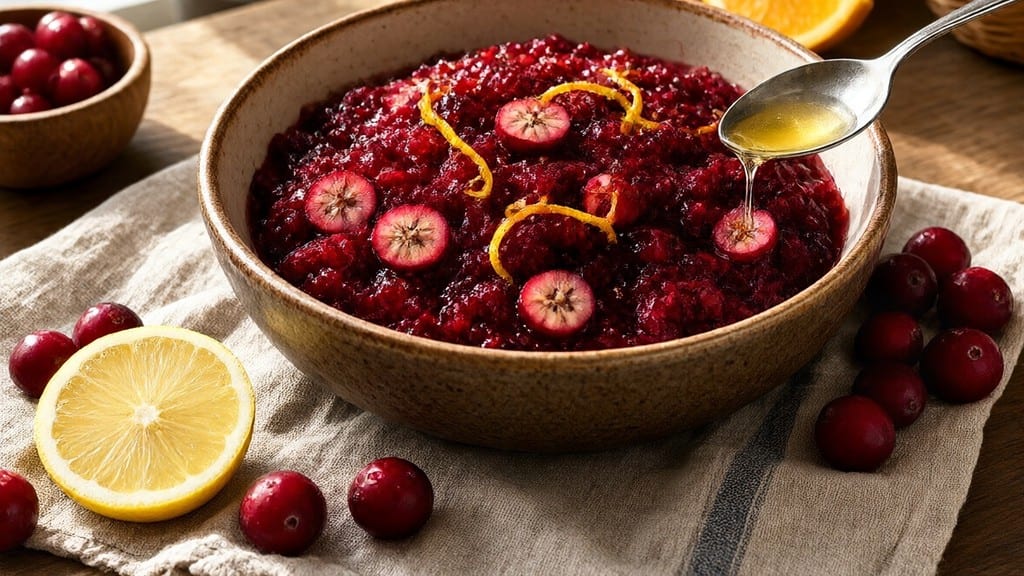
This cran sauce recipe transforms simple pantry staples into a vibrant, tangy-sweet sauce that elevates holiday meals and everyday dishes alike.
The secret lies in balancing fresh cranberries with just the right amount of sugar and citrus, creating a sauce that’s bright, balanced, and ready in just 10 minutes—no lengthy simmering required.
I developed this version after years of testing, ensuring it delivers restaurant-quality results without the fuss of traditional recipes.
What sets this cran sauce apart is its versatility—whether you prefer a chunky, whole-berry texture or a smoother, spreadable consistency, this method adapts effortlessly. The sauce pairs beautifully with roasted meats, cheese boards, or even as a glaze for glazed ham.
Unlike store-bought versions, this homemade cran sauce stays fresh for weeks and lets you control the sweetness, tang, and even add-ins like orange zest or a splash of bourbon for depth.
The process is straightforward: combine cranberries, sugar, and a touch of liquid (like water or orange juice) in a saucepan, bring to a simmer, and cook until the berries burst and the mixture thickens slightly.
The result is a glossy, jewel-toned sauce with bursts of cranberry flavor in every bite. No gelatin or pectin needed—just fresh ingredients and a precise technique that guarantees foolproof results every time.
For those who love customization, try adding a cinnamon stick for warmth, a pinch of black pepper for complexity, or even a splash of vanilla extract for a festive twist. Store leftovers in the refrigerator for up to 2 weeks or freeze for longer shelf life.
This cran sauce isn’t just for holidays—it’s a year-round staple that turns ordinary dishes into something extraordinary.
Ingredients for cran sauce
Ten simple ingredients create a restaurant-quality cran sauce that shines on any table.
| Ingredient | Amount | Notes |
|---|---|---|
| Fresh Cranberries 🍒 | 1 ½ cups | Whole, firm berries preferred |
| Granulated Sugar 🍚 | 1 cup | White or light brown preferred |
| Orange Juice 🍊 | ½ cup | Freshly squeezed preferred |
| Water 💧 | ½ cup | Filtered or bottled preferred |
| Orange Zest 🍊 | 1 tbsp | From 1 medium orange |
| Fresh Lemon Juice 🍋 | 1 tbsp | For acidity balance |
| Ground Cinnamon 🌿 | ½ tsp | Optional for warmth |
| Ground Black Pepper 🌶️ | ¼ tsp | Freshly ground preferred |
| Salt 🧂 | ¼ tsp | Diamond Crystal preferred |
| Vanilla Extract 🍯 | ½ tsp | Pure alcohol-free preferred |
The cranberries are non-negotiable—fresh, firm berries from Trader Joe's or Whole Foods deliver the brightest flavor. Avoid those sad, shriveled bags at the grocery store's back corner. Sugar quality matters too: organic cane sugar or light brown sugar adds subtle depth. For orange juice, freshly squeezed from navel or Valencia oranges (depending on season) ensures vibrant acidity. If you're using bottled, Tropicana Pure is a reliable fallback. The zest should come from a bright, fragrant orange—rub the peel with a microplane for maximum aroma without the bitter pith. Costco often has bulk organic oranges at a great price, perfect for zesting multiple batches.
No fresh cranberries? Frozen unsweetened cranberries work in a pinch—thaw them first. Substituting sugar? Honey or maple syrup at a 1:1 ratio changes the texture slightly, but works well. Short on orange juice? Grapefruit juice adds a tart twist, or apple cider for a sweeter profile. The vanilla extract can be swapped for vanilla bean paste (use half the amount) or even a splash of bourbon (1/4 tsp) for depth. For a smoother sauce, blend half the batch after cooking—Immersion blenders are perfect for this. The black pepper might sound odd, but a pinch adds complexity that elevates the sauce beyond basic sweet-tart.
This sauce thickens as it cools, so don't over-simmer. Store in an airtight container in the fridge for up to 2 weeks, or freeze for 6 months. The texture changes slightly when reheated—microwave in 20-second bursts to restore glossiness. For serving, drizzle over glazed ham, spoon onto cheese boards, or use as a glaze for roasted vegetables. The sauce also freezes beautifully in ice cube trays for portion control—just thaw overnight in the fridge.
Why You'll Love This Recipe
- No Boiling Madness: I swear by this method—just toss the cranberries, sugar, and orange juice into a pot, let it simmer until the berries burst, then strain. No overcooking, no mushy texture, just perfect jammy goodness every time.
- Tangy-Sweet Magic: That bright citrus punch from the orange zest and juice cuts through the sugar’s sweetness like a knife. Honestly, it’s the kind of balance that makes you reach for seconds without even thinking.
- Holiday Table Star: Slather it on turkey, drizzle it over roasted pork, or spoon it into your morning yogurt—this sauce works everywhere. I’ve used it for Thanksgiving feasts, weeknight dinners, and even as a glaze for brunch pancakes.
- Lasts All Week: Make a big batch—it keeps in the fridge for days without losing its vibrancy. Between us, I’ve had this sauce sit for nearly two weeks, and it’s still as fresh-tasting as the day I made it. (Yes, even on a Tuesday night.)
Step-by-step instructions for homemade cranberry sauce
Here's the method for vibrant, whole-berry cranberry sauce with balanced sweetness and bright citrus notes.
Prepare the Berries and Base
In a medium saucepan, combine the 1.5 cups fresh cranberries, 0.5 cup orange juice, and 0.5 cup water. Bring to a gentle simmer over medium heat—you'll see tiny bubbles form around the edges. Let it cook uncovered for 5 minutes until the cranberries begin to soften slightly but remain whole.
I use fresh cranberries here because their tartness holds up better than frozen, which can turn mushy. If using frozen berries, thaw them first and drain any excess liquid. The orange juice and water create the perfect liquid base while preserving the cranberries' shape and vibrant color.
Add Sweetener and Spices
Reduce heat to low and stir in the 1 cup granulated sugar, 1 tbsp orange zest, 1 tbsp fresh lemon juice, 0.5 tsp ground cinnamon, 0.25 tsp ground black pepper, and 0.25 tsp salt. The mixture should look glossy but not syrupy yet. Let it simmer gently for 5-7 minutes, stirring occasionally, until the sugar fully dissolves and the cranberries release some juice.
Here's the thing—don't rush this step. The sugar needs time to fully integrate, and the spices need to bloom. You'll know it's ready when the sauce thickens slightly and coats the back of a spoon. The black pepper might seem unusual, but it adds a subtle warmth that complements the citrus beautifully.
Finish with Vanilla and Test Consistency
Remove the saucepan from heat and stir in the 0.5 tsp vanilla extract. Let it steep for 2 minutes—this allows the vanilla's aromatic compounds to fully infuse. Taste the sauce and adjust sweetness if needed by adding a pinch more sugar, though the original amount should be balanced.
The sauce should be thick but still spoonable. If it's too thin, return it to low heat and simmer for another 1-2 minutes to reduce. If it's too thick, stir in 1-2 teaspoons of water to loosen. The ideal consistency is glossy yet thick enough to cling to meat or bread without being gluey.
Cool and Store Properly
Transfer the cranberry sauce to a clean glass jar or airtight container. Let it cool to room temperature, then refrigerate for at least 1 hour before serving. The flavors deepen as it chills, and the texture becomes perfectly set—neither runny nor stiff. This sauce keeps well in the refrigerator for up to 2 weeks or can be frozen for 3 months for holiday prep.
For serving, I like to spoon it over roasted turkey, ham, or even as a glaze for pork chops. The bright citrus notes cut through rich meats beautifully, and the whole berries add delightful texture with every bite. The vanilla extract ties everything together, adding a subtle depth that elevates this classic sauce from ordinary to extraordinary.
Pro Tips For Making Cran Sauce
- Simmer Slow and Steady: I learned this the hard way—cran sauce isn’t a race. Keep the heat at a gentle simmer (think tiny bubbles, not rolling) or you’ll end up with a sad, watery glaze instead of a rich, jammy sauce. Patience here guarantees that thick, glossy texture everyone loves.
- Rough Up Those Cranberries: Skip the fancy chopping—just tear the cranberries into rough pieces by hand. The uneven edges release more juice and burst better during cooking, giving your sauce deeper flavor and natural sweetness without overworking the fruit.
- Balance Sugar with Taste Tests: Add sugar gradually, tasting as you go. Cranberries vary wildly in tartness, and dumping in all the sugar at once can turn your sauce cloyingly sweet. A splash of orange juice between additions helps mellow the flavor without masking the cranberries’ natural bite.
- Strain for Smoothness (If You Dare): If you’re serving this over delicate dishes or want a silky finish, strain out the seeds and skins through a fine-mesh sieve. It’s extra work, but the result is a sauce so smooth it’ll make your Thanksgiving table look like a pro’s. (I know, I know—worth it.)
Troubleshooting this dish
Undercooked Berries
If your cranberries remain hard and undercooked after simmering, you likely didn’t cook them long enough. The key is gentle heat—simmer uncovered for 8-10 minutes until they soften but stay intact.
I’ve found that fresh cranberries need slightly more time than frozen (which can release excess water). If using frozen, thaw them first and drain well to avoid a watery sauce. 🔥
Overly Sweet Sauce
Too much sugar makes cranberry sauce cloying. Start with 1 cup sugar and taste as you go—adjust in 1-tablespoon increments. For a more balanced flavor, add 1 extra tablespoon of lemon juice to brighten the tartness.
If you’ve already over-sweetened, stir in 1-2 tablespoons of orange juice or water to dilute slightly while reheating.
Sauce Too Thin
A runny cranberry sauce usually means excess liquid. Reduce it by simmering uncovered for 2-3 extra minutes over low heat, stirring occasionally. For a thicker texture, mash 3-4 cranberries with a fork to release natural pectin.
If it’s still too thin, mix 1 teaspoon cornstarch with 1 tablespoon water, stir into the sauce, and simmer for 1 minute until it thickens.
Sauce Separates
Separation happens when the cranberries release too much juice without enough pectin to bind. To fix it, stir in 1 teaspoon of lemon juice and ½ teaspoon of sugar, then simmer for 2 minutes.
For a smoother texture, blend half the batch with an immersion blender—this redistributes the juices evenly. If separation persists, reheat gently while stirring constantly to re-emulsify.
Mushy Cranberries
Overcooking turns cranberries into a mushy pulp. The ideal texture is soft but still slightly firm. If you’ve gone too far, stir in 1 tablespoon of cold water and let it cool—this helps set the sauce slightly.
For future batches, reduce heat to low once simmering and check every 2 minutes after the initial 5-minute cook time.
Flat or Bland Flavor
Bland cranberry sauce often lacks acidity or freshness. Boost flavor by adding 1 extra tablespoon of lemon juice or ½ teaspoon of orange zest. For depth, stir in ¼ teaspoon of vanilla extract or a pinch of ground cinnamon.
If the sauce tastes dull, reheat it with 1 extra tablespoon of orange juice to revive brightness. 💡
Nutrition facts
Frequently asked questions
Can I use frozen cranberries instead of fresh?
Yes, but with adjustments! Thaw frozen cranberries first and drain any excess liquid to avoid a watery sauce. Expect slightly softer texture than fresh—simmer for 2-3 extra minutes to compensate. For best results, use unsweetened frozen cranberries and reduce the sugar by 1 tablespoon to balance the natural sweetness.
How do I make this cranberry sauce smoother?
Blend half the cooked sauce with an immersion blender for a velvety texture while keeping whole berries for contrast. For completely smooth sauce, blend everything after cooling. If you prefer chunky berries, simply mash 3-4 cranberries with a fork before blending—this releases natural pectin for thickness without losing texture.
What are the best ways to use cranberry sauce beyond holidays?
This versatile sauce shines as a glaze for roasted meats, a tangy dip for cheese boards, or even a marinade for pork tenderloin. Try drizzling it over yogurt parfaits, mixing into oatmeal, or using it as a BBQ sauce base. The citrus notes pair beautifully with goat cheese, sharp cheddar, or even dark chocolate desserts for a sophisticated twist.
Can I make this sauce without added sugar?
Reduce the sugar to ½ cup and increase the orange juice to ¾ cup to balance tartness. For extra sweetness, add 2 tablespoons of honey or maple syrup during the final simmer. The sauce will be more liquid, so simmer longer to thicken. Taste frequently—cranberries vary in natural sweetness, so adjustments may be needed.
Why does my cranberry sauce turn out too tart?
Overly tart sauce usually means insufficient sugar or underripe cranberries. Add 1-2 tablespoons of sugar while warm and stir well. For future batches, use slightly underripe cranberries (they're sweeter) or add ½ teaspoon of vanilla extract to round out the flavors. If it's still too sharp, stir in 1 teaspoon of honey to mellow the acidity.